

Everyday technology rarely arrives looking futuristic. It becomes ordinary first: a watch that answers messages, a screen carried from sofa to train, a voice that translates on command. Long before these tools blended into routine, science fiction had already given them a cultural rehearsal.
That pattern matters because speculative fiction does more than predict gadgets. Research on science fiction and artificial intelligence has described the genre as a way of exploring human reactions to fictional technologies, not just the machines themselves. In practice, that means stories often shape the questions engineers ask, the interfaces designers build, and the expectations ordinary people carry into daily life.

1. Tablets arrived long after fiction made them feel familiar
When viewers saw astronauts using flat screens in 2001: A Space Odyssey, the idea of portable glass displays felt elegant rather than practical. Decades later, tablets slipped into homes, classrooms, and waiting rooms with surprising ease because the form had already been culturally imagined.
The shift was not only visual. Fiction had already attached tablets to reading, watching, and browsing, which are exactly the habits that made them stick. By the time touchscreens matured, the device category felt less like an invention and more like a long-delayed arrival.

2. Video calling became normal because fiction treated it as boring
One of science fiction’s most accurate moves was not inventing video calls but stripping them of novelty. Stories such as The Jetsons and earlier speculative works presented face-to-face calling as part of ordinary domestic life rather than as a technical miracle.
That framing turned out to be powerful. Once bandwidth and cameras caught up, people adopted video chat for work, family, school, and routine check-ins because the social script was already written. The technology succeeded when it stopped feeling special.
3. Smartwatches followed a comic-strip logic
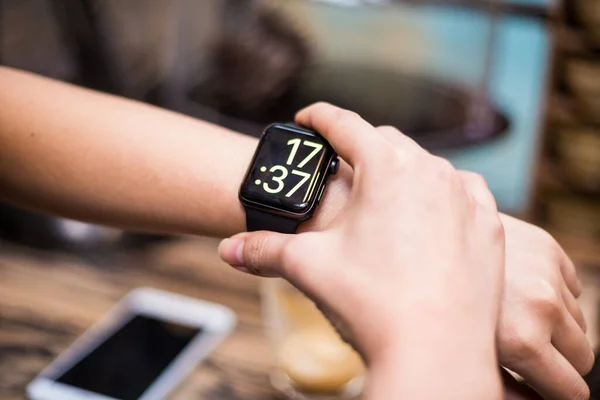
Dick Tracy’s wrist communicator established a compact fantasy: information should stay attached to the body. Modern wearables expanded that idea into notifications, directions, heart-rate tracking, and hands-free communication.
What science fiction supplied was the behavioral cue. A screen on the wrist suggested immediacy, mobility, and constant access, all of which define the smartwatch today. The hardware became sophisticated, but the underlying appeal remained simple: technology that stays close without taking over the hands.
4. Voice assistants owe as much to characters as to code
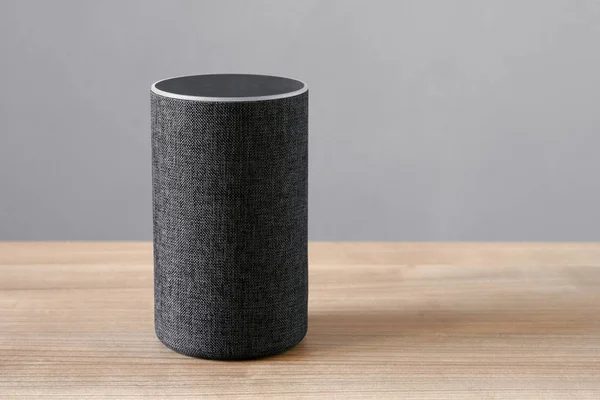
Conversational machines in fiction taught audiences to expect technology that speaks, listens, and responds in plain language. HAL 9000 offered one famous version, while later intelligent systems in film and television normalized the idea that a computer interface could feel social.
Academic analysis of sci-fi AI often sorts these portrayals into social agents, infrastructure, and forms of human extension. That distinction helps explain current devices. Smart speakers and phone assistants are not humanoid robots, yet they fit the long-running science-fiction template of machines acting as companions, helpers, or ambient decision systems.
5. Autonomous driving inherited the “robot brain” fantasy
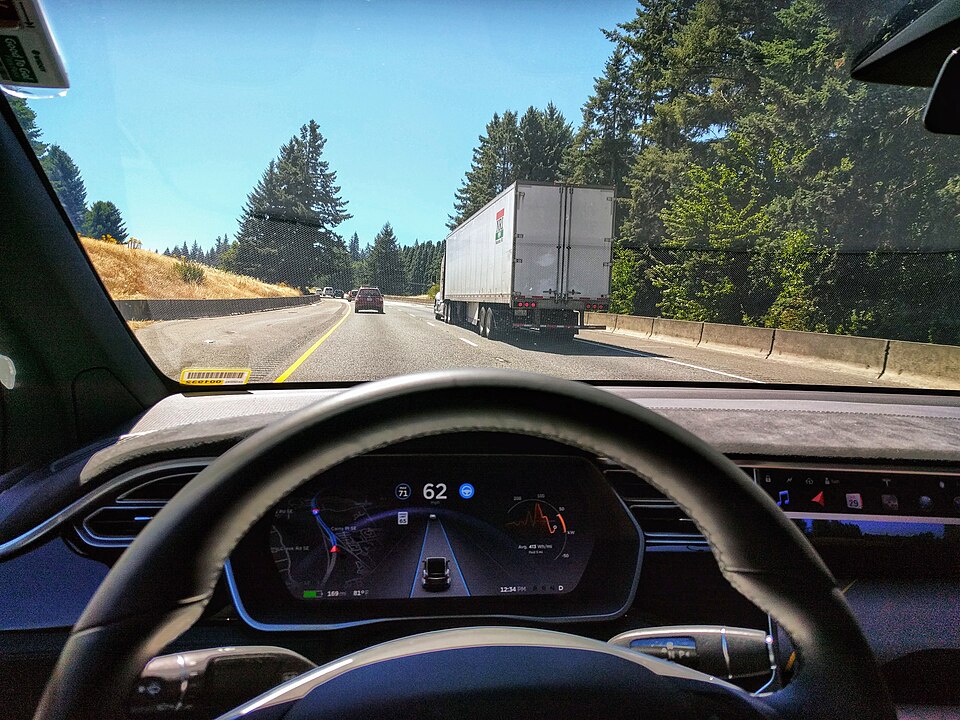
Self-driving systems did not emerge into an empty imagination. Writers and screen creators had already explored cars that navigate, assist, and make choices on behalf of humans. Isaac Asimov even described vehicles with “robot-brains” set for destinations without human interference.
That language still feels current because the central promise has not changed. Driver assistance, automated parking, and route decisions are all scaled versions of the same old sci-fi idea: the car as partner, not just machine. Modern systems remain limited, but the cultural blueprint was drawn decades earlier.
6. Real-time translation stepped out of the universal translator shadow
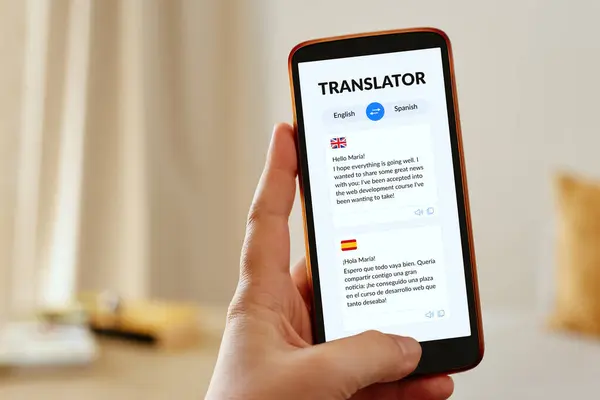
Star Trek imagined conversation without language barriers, reducing one of humanity’s oldest frictions to a solvable interface problem. Today, translation apps and earbuds do not offer perfect interpretation, but they have made multilingual exchange far more immediate.
That matters beyond convenience. Sci-fi framed translation as access, mobility, and connection, which is exactly how people use it now while traveling, working, and maintaining cross-border relationships. The fantasy was never just linguistic accuracy; it was smoother human contact.
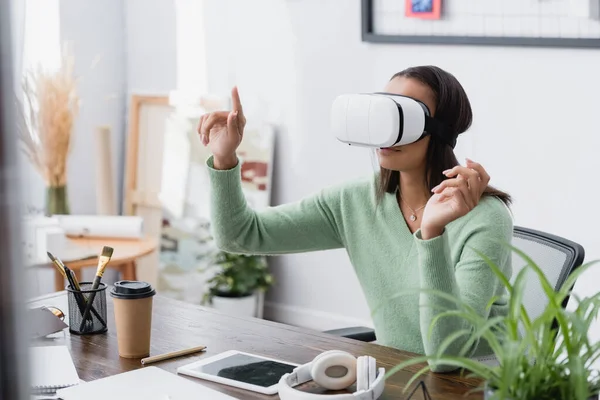
7. Virtual worlds were mapped before the hardware existed
Cyberpunk did not simply imagine headsets and avatars. It described networked identity, immersion, and the blending of self with digital space. Neal Stephenson’s Snow Crash became especially influential, while William Gibson’s ideas around cyberspace helped define how networked life could be pictured.
This influence reached beyond entertainment. The research literature notes that cyberpunk strongly shaped thinking around human augmentation, VR, and interface design, including projects inspired by cyberpunk visions of human extension. Today’s virtual meetings, game worlds, and avatar-driven platforms may look less dramatic than fiction promised, but they follow the same cultural architecture.
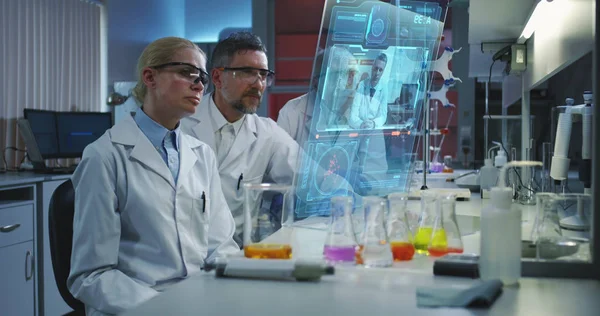
8. Holograms changed how people imagine presence
Princess Leia’s projected message remains one of the clearest examples of fiction shaping visual expectation. Holographic display research, medical visualization, and performance technology all work within that broad dream of information appearing as presence rather than flat image.
Even where true free-floating holography remains incomplete, the expectation has survived. Designers continue chasing spatial display because fiction made it intuitively appealing. Screens show information; holograms seem to place it in the room.
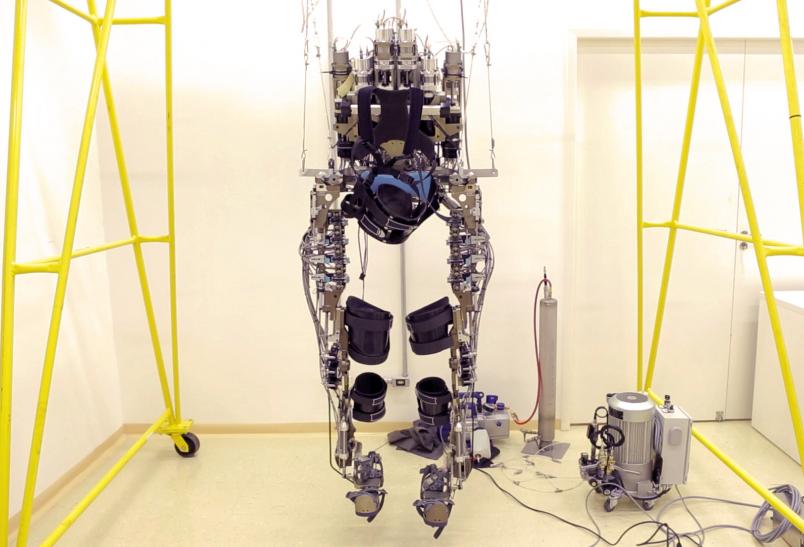
9. Exoskeletons turned the body itself into an interface
Science fiction has long returned to the same seductive possibility: technology that does not sit on a desk but merges with movement. Powered suits in comics, film, and cyberpunk narratives imagined a body strengthened, stabilized, or extended by machinery.
In real life, exoskeletons and assistive wearables now support rehabilitation, reduce strain, and augment physical effort in specialized settings. The most lasting sci-fi contribution here was not spectacle. It was the idea that technology could function as an extension of human capability, a theme repeatedly identified in scholarship on AI and robotics in fiction.
The enduring lesson is that science fiction often shapes use before it shapes engineering. Stories teach people where a device belongs, what it should feel like, and how much of life it ought to absorb. That is why the most influential sci-fi visions rarely arrive with rockets attached. They show up as habits: glancing at a wrist, talking to a room, stepping into a virtual meeting, trusting a machine to guide the next move. By then, the future no longer looks dramatic. It just looks familiar.

