
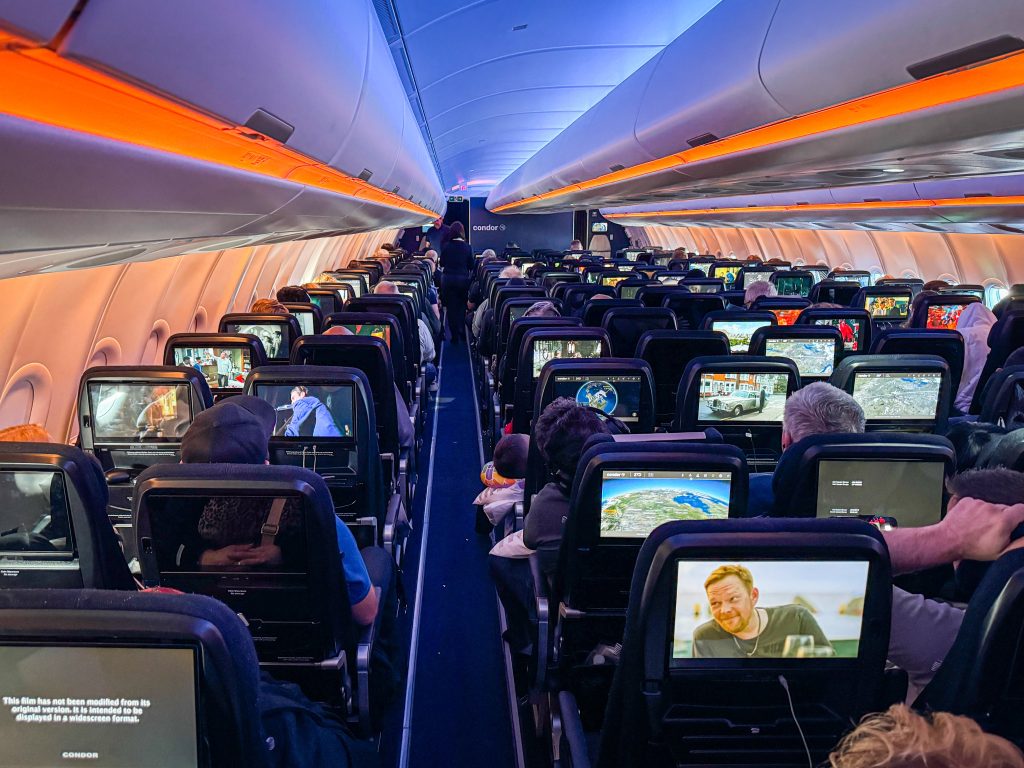
Boarding tends to look simple from the aisle seat. In practice, it is one of the tightest, most choreographed parts of a flight, with travelers trying to settle in while cabin crew race through safety checks and storage issues.
That is why carry-on behavior stands out so quickly. Small habits that feel harmless to one passenger can slow the line, shrink overhead space, and create avoidable tension before takeoff.
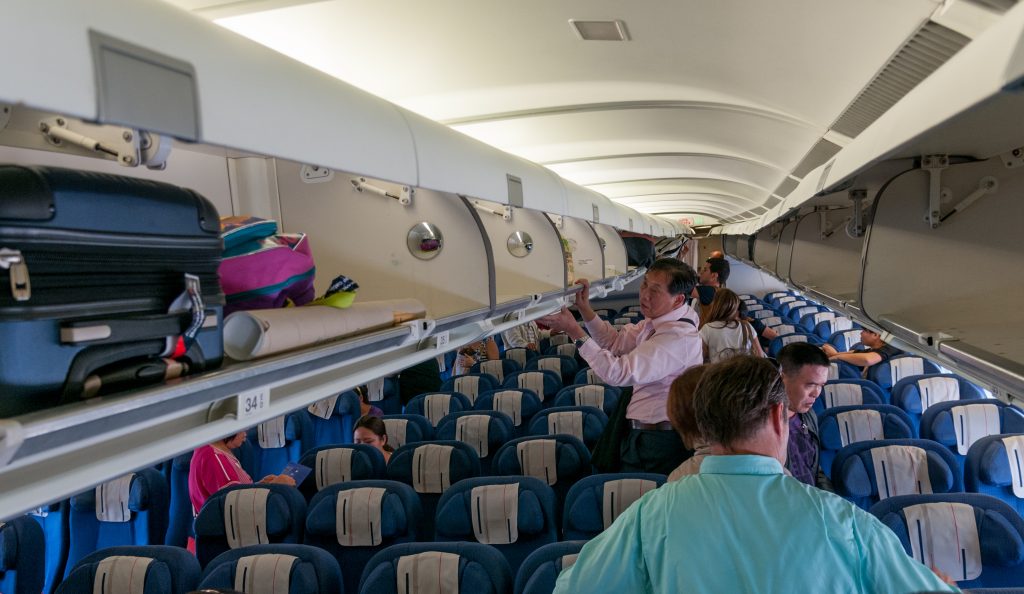
1. Stopping in the aisle to dig through a suitcase
This is one of the fastest ways to create a backup. Former flight attendant Hailey Way described the problem plainly: “This causes boarding congestion, which has a domino effect on the punctuality of our (and everyone else’s) flight schedule.” During boarding, a paused passenger rarely affects only one row. The delay spreads backward through the aisle within seconds. Flight attendants tend to notice when travelers unzip a carry-on at their row to search for headphones, chargers, or snacks that could have been moved to a smaller bag before boarding. The smoother approach is simple: board, stow, sit down, and wait until the aisle clears.
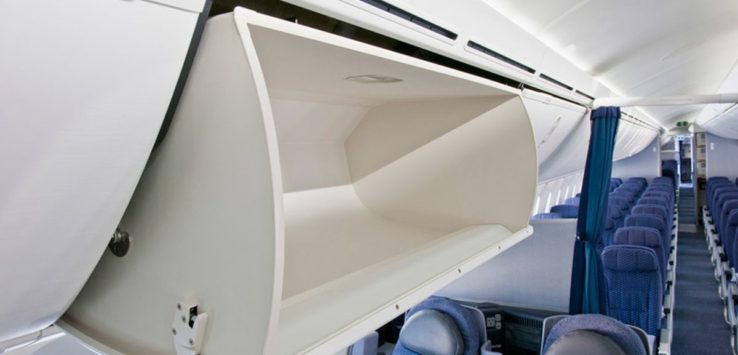
2. Putting every single item in the overhead bin
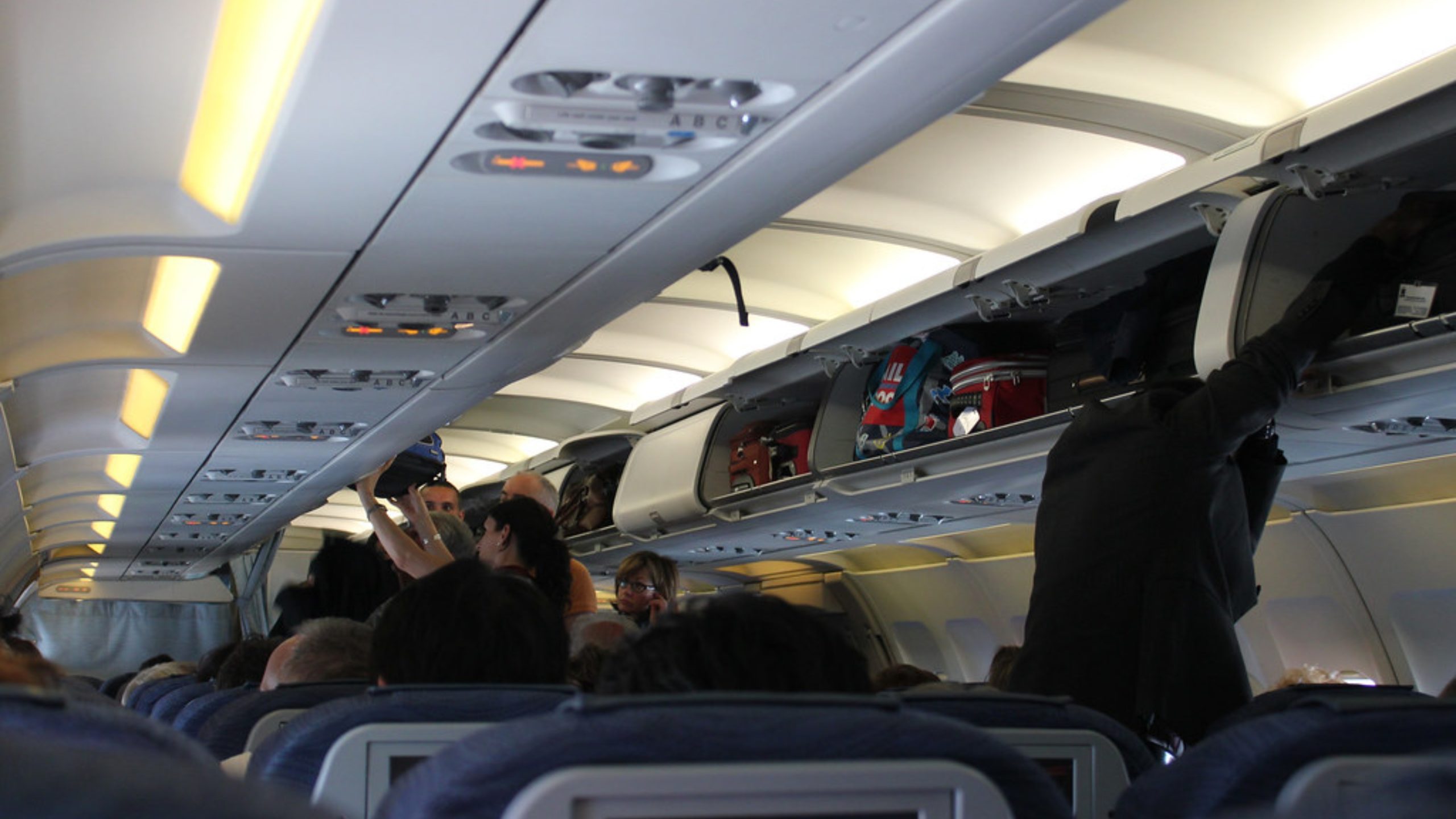
Overhead space disappears quickly when passengers use it for more than their main carry-on. A purse, backpack, shopping bag, and coat placed above the seat may free up legroom, but it also reduces space for the larger bags that cannot go anywhere else. Flight attendants interviewed by Condé Nast Traveler repeatedly pointed to personal items stored in overhead bins as a common source of bin shortages. On many flights, smaller belongings are expected to go under the seat in front until boarding is complete. Jackets can usually wait too. It is a small courtesy that makes the cabin work better for everyone behind.
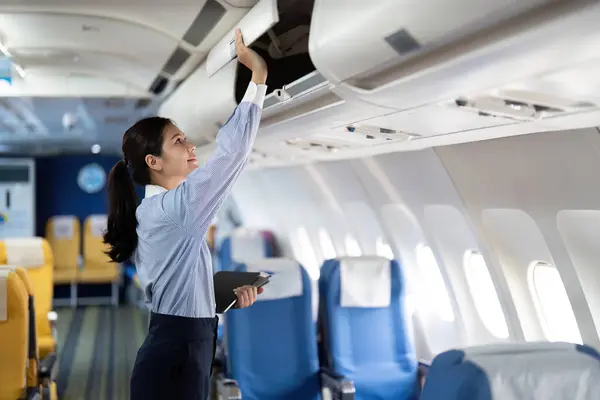
3. Claiming bin space far from the assigned seat too early
Most travelers want a bag close by, especially for a quick exit after landing. But placing luggage in the first open bin near the front while the seat is several rows back can create confusion later, especially when crew members need to rearrange bags to make everything fit. The etiquette issue is not only distance. It is visibility. If a bag is too far away from its owner, flight attendants may have to stop boarding to identify whose it is before moving it. That extra pause matters when the aisle is already crowded and the door cannot close until every loose item is properly stowed.

4. Ignoring how the bag is supposed to be positioned
Not every overhead bin works the same way, and crews often give instructions for a reason. Some aircraft fit bags best on their sides, others wheels-first, and some smaller planes require a different orientation entirely. According to guidance shared by flight attendants in Travel + Leisure, bag position can vary by aircraft. That makes “I always do it this way” less useful than simply following the posted placard or crew direction. One incorrectly placed suitcase can waste enough room to force another passenger to gate-check a bag.
5. Packing essentials into the bag that gets lifted overhead
A carry-on becomes a problem during boarding when it contains things the passenger immediately wants back. Medicine, water, earbuds, a book, or a laptop often trigger that awkward mid-aisle rummage that slows everybody else down. Flight attendants generally prefer to see in-flight essentials already separated into a personal item under the seat. It keeps the line moving and avoids repeated standing once the flight is underway. It also matters when the seatbelt sign is on, since passengers may not be able to get up to retrieve what they packed overhead.
6. Expecting flight attendants to lift the bag
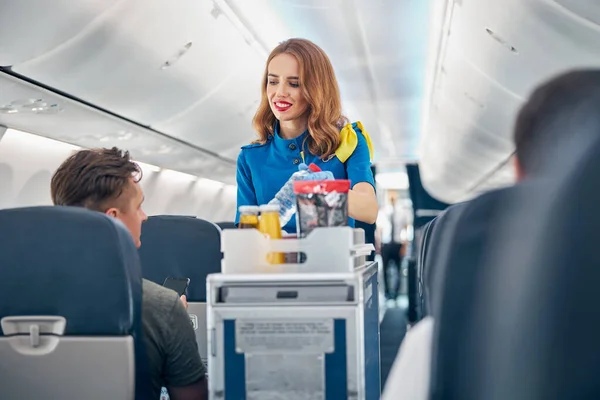
Crew members can help locate space and explain how to angle a suitcase. What they are not eager to do is hoist a heavy bag for someone who packed more than they can safely lift.
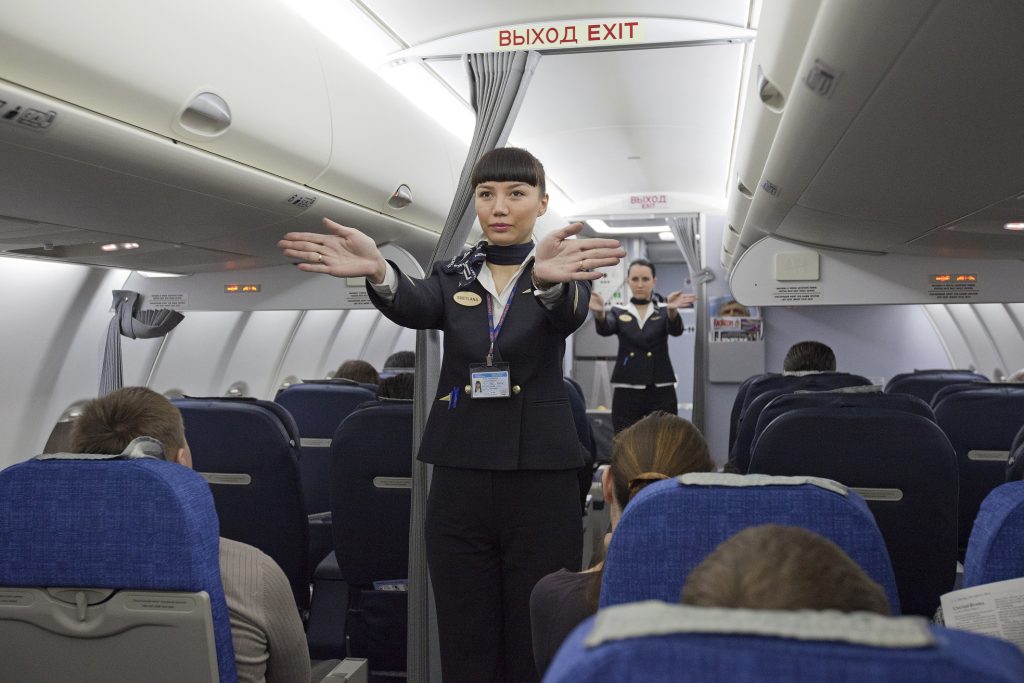
Travel + Leisure noted that flight attendants are generally not supposed to lift bags because overhead-bin assistance is a frequent source of crew injury. That rule makes the quiet judgment fairly predictable: if a traveler cannot lift it, the bag is probably too heavy for the cabin in the first place.

7. Treating overhead bins like private property
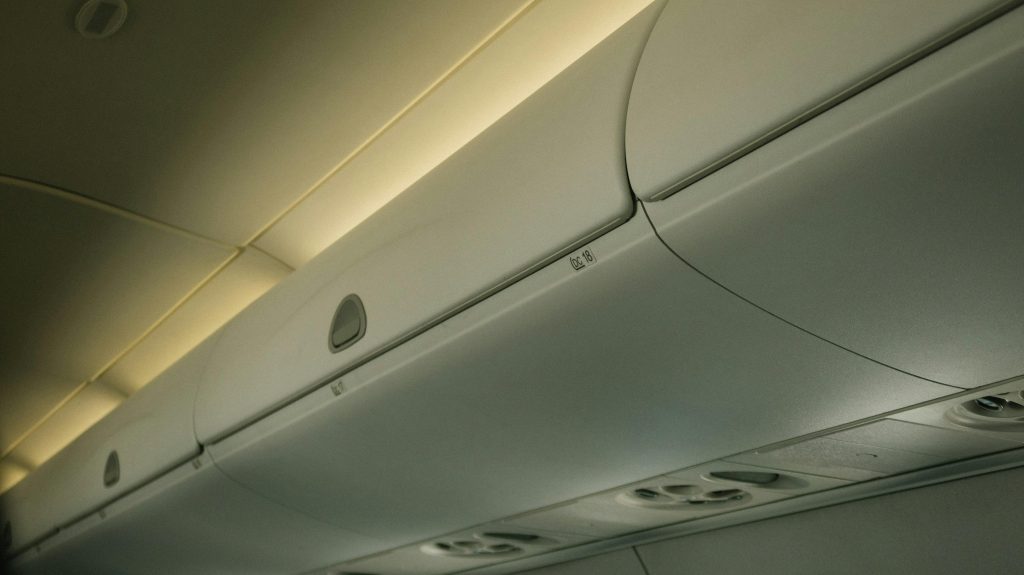
This mistake works in two directions. Some passengers assume the space directly above their row belongs to them. Others act as if any open compartment is theirs to fill with no regard for the rest of the cabin. The reality is more awkward than either version. Overhead bins are shared, and even premium cabins often offer priority access rather than a guaranteed reserved slot. That tension has become more visible as airlines refine boarding systems and assigned seating. In Southwest’s recent transition, overhead bin complaints during assigned-seating boarding highlighted how quickly expectations collide when travelers assume space should automatically be waiting above their row.
Flight attendants usually care less about who “deserves” a spot than about keeping bags stowed efficiently enough to leave on time. Most carry-on mistakes are not dramatic. They are tiny choices made in a cramped aisle, under time pressure, with dozens of people waiting behind. That is why flight attendants tend to appreciate the same kind of traveler: the one who boards prepared, stores only what is necessary, follows bin instructions, and sits down without turning a suitcase into a public event. In a full cabin, that kind of restraint is often the best boarding etiquette of all.

