
Few celebrity debates get more personal, faster, than the claim that someone is “not Black enough.” In entertainment, sports, and online culture, that label has been used to question everything from skin tone and nationality to genre, upbringing, and even the way a person speaks.
What makes these stories stick is that they are rarely just about one person. They often open up bigger conversations about colorism, multiracial identity, class, and who gets treated as the “right” kind of Black in public life.
1. Zoe Saldaña and the casting fight that would not go away
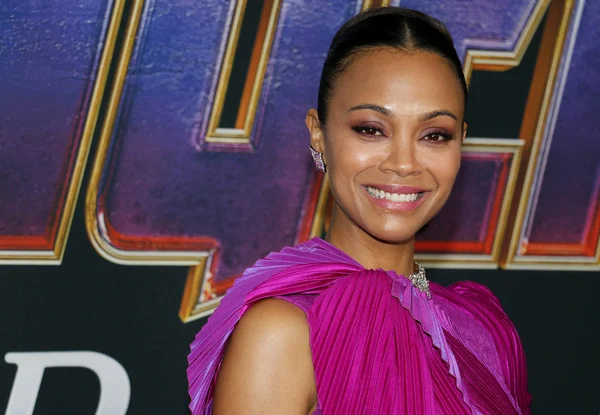
Zoe Saldaña faced one of the clearest examples of this debate after taking on Nina Simone in the film Nina. Critics argued that the role centered a dark-skinned icon whose appearance and lived experience were inseparable from her story, yet the production relied on altered makeup and prosthetics instead of casting an actress who already embodied that reality.
The backlash lasted because it touched a deeper Hollywood pattern. As one essay on colorism argued, viewers saw an industry willing to create “a costume of a dark-skinned woman” rather than cast one. That criticism landed even harder because Saldaña later expressed regret, and the role became shorthand for how colorism in Hollywood casting keeps resurfacing.
2. Zendaya and the privilege conversation she did not dodge
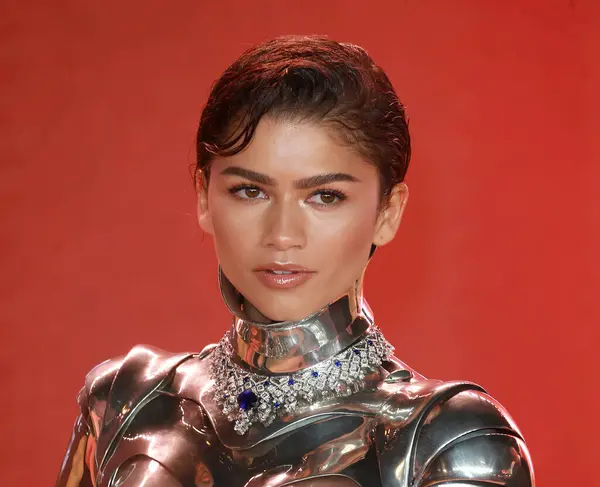
Zendaya drew intense scrutiny when she was cast to play Aaliyah in a TV project. The pushback was not only about resemblance. It was also about long-running frustration over lighter-skinned actresses being placed at the center of stories tied to darker-skinned Black women.
What made her case different is that she eventually spoke directly about the issue. Zendaya acknowledged that being a light-skinned woman in Hollywood comes with visibility and access, and she has said, “I also think it’s important being a light-skinned woman to recognize my privilege”. That quote has kept her in the conversation not as a symbol of denial, but as someone who publicly recognized the imbalance.
3. Drake and the endless authenticity test
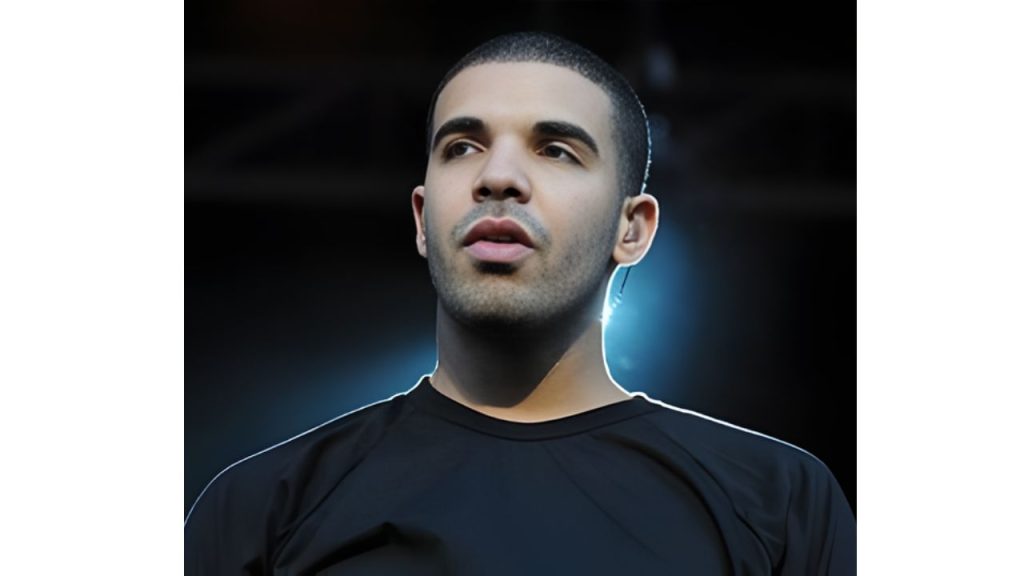
Drake has spent years dealing with claims that he does not fit somebody else’s idea of rap credibility. His critics have pointed to his suburban background, his early acting career on Degrassi, and his polished image as proof that he should not stand at the center of hip-hop.
The argument has never really been about chart success. It has been about gatekeeping. His career shows how often Blackness gets measured against a narrow script that favors struggle performed in one specific style, while anything softer, more emotional, or more middle-class gets treated as suspect.
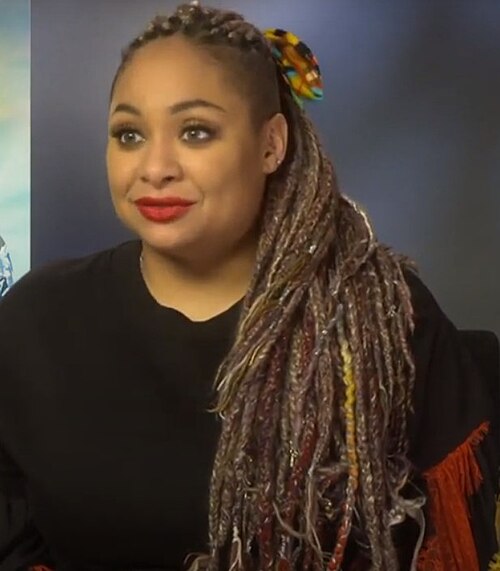
4. Raven-Symoné and the backlash over rejecting labels
Raven-Symoné triggered a wave of criticism when she said she did not want to identify as African American and preferred simply being called American. For many people, that sounded like distancing herself from Black identity rather than broadening it.
Her comments hit a nerve because celebrity identity is rarely treated as private. Once a public figure speaks about race in a way that resists community language, the reaction often becomes a referendum on loyalty. Raven later clarified her stance, but the moment still gets cited whenever debates over self-definition and communal expectation flare up.
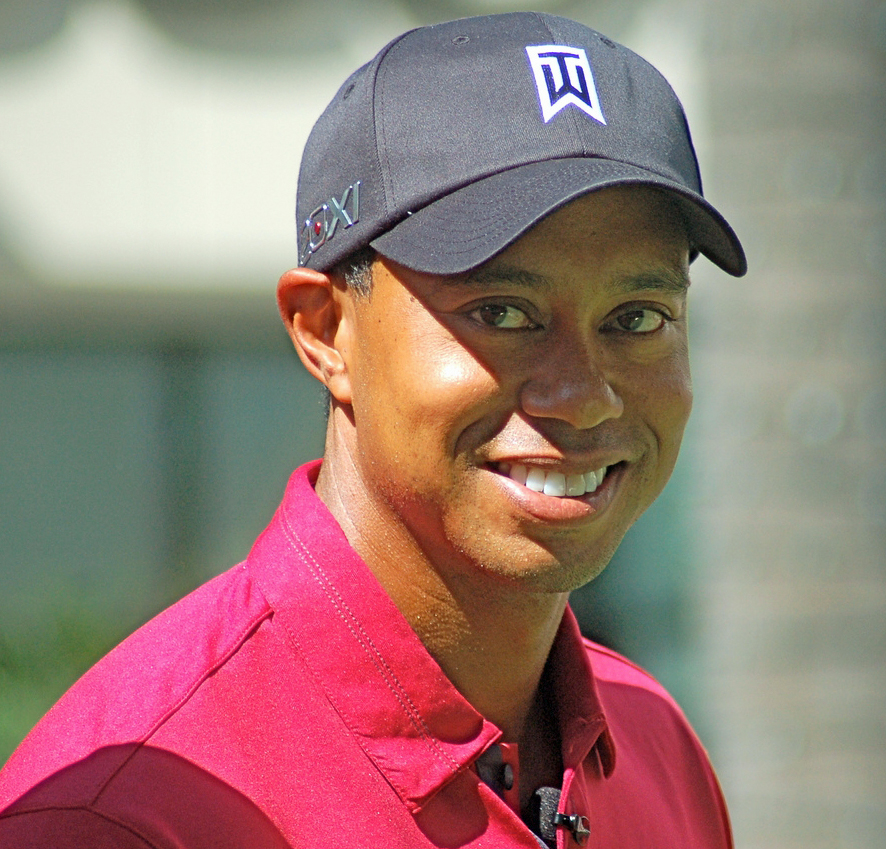
5. Tiger Woods and one word that changed the discussion
Tiger Woods introduced the term “Cablinasian” to describe his heritage, combining Black, Caucasian, Native American, and Asian ancestry. For Woods, it was a way to honor all sides of his family. For critics, it looked like a refusal to fully claim Blackness in a world that would still racialize him as Black.
That tension made his case larger than sports. It became one of the most visible examples of how multiracial celebrities can be told that self-description is valid only when it matches the label other people prefer.
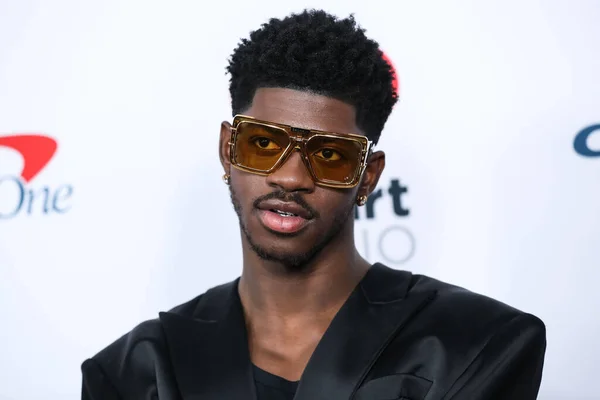
6. Logic and the burden of explaining identity repeatedly
Logic has dealt with a specific kind of public skepticism: people acknowledging his biracial identity while still questioning whether he is allowed to speak on Blackness as often as he does. That has made his interviews and lyrics feel like constant defense statements.
He summed up the frustration in one interview by saying, “who is anybody else to tell me who I am”. The reaction to him shows how mixed-race artists are often pushed into a no-win position, expected to explain themselves enough to be believed but criticized when they do it too often.
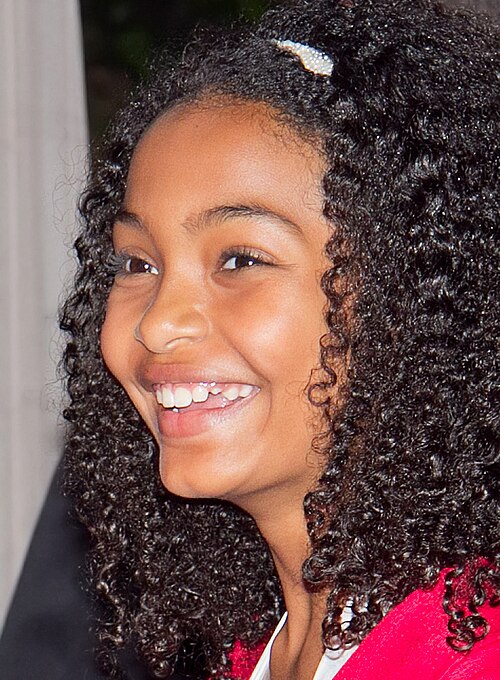
7. Yara Shahidi and the “acceptable Blackness” critique
Yara Shahidi’s public image has often been praised, but that praise has come with a side debate. Some critics have argued that Hollywood and fashion circles are especially comfortable spotlighting a certain kind of biracial, lighter-skinned, highly polished Black woman.
Shahidi has addressed that tension with unusual clarity. She once described the internal measuring many mixed people face as a kind of “‘How Black am I?’” meter. Her visibility has therefore represented two things at once: real achievement and a reminder that representation still comes with hierarchy.
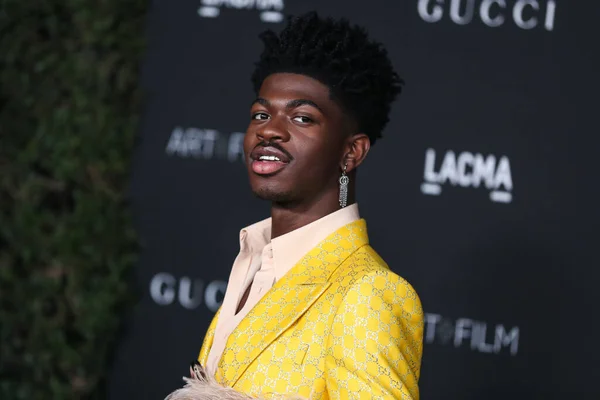
8. Lil Nas X and the genre gate that kept moving
Lil Nas X ran into a different version of the same argument when “Old Town Road” was removed from the country chart. The question was framed as genre purity, but it quickly became part of a larger pattern in which Black artists are told they do not belong in spaces deeply shaped by Black influence.
His response was strategic rather than defensive. Instead of shrinking, he expanded the conversation with collaboration and humor, turning exclusion into proof that cultural borders are still being policed long after the music itself has moved on.
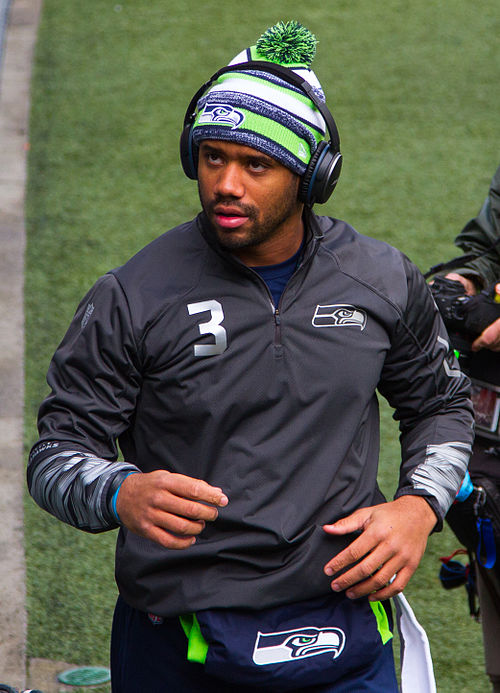
9. Russell Wilson and the myth that one personality defines Blackness
Russell Wilson has repeatedly been judged against an old stereotype of what a Black male athlete is supposed to sound like, wear, or project. His clean-cut image, public optimism, and family-centered persona have led some commentators to suggest he lacks “real” Black credibility.
That kind of criticism mirrors a broader social habit. A Yahoo News feature on Black TikTok creators quoted culture editor Jeneé Osterheldt saying that the idea of being “Black enough” is racist. Wilson’s experience fits that pattern exactly: a person being judged not on identity, but on whether he performs a stereotype convincingly enough for strangers.
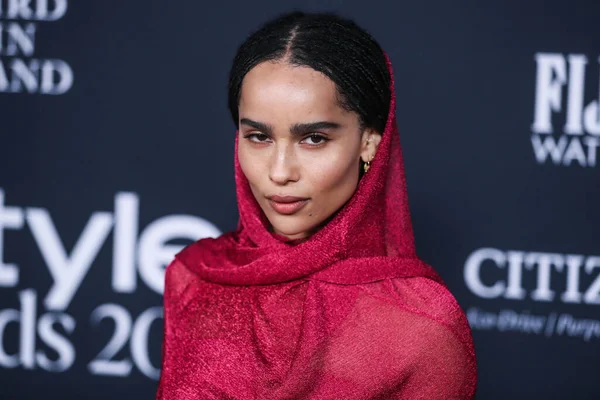
10. Zoë Kravitz, Maya Rudolph, and the white-passing assumption
For biracial stars like Zoë Kravitz and Maya Rudolph, the issue has often been less about one controversy and more about steady misreading. Kravitz has spoken about growing up as one of the only Black kids in white spaces, while Rudolph has described how being visibly mixed shaped the way people watched her and her family.
These stories matter because they show a quieter version of the same pressure. There is no major feud required. Sometimes the accusation lives in casting rooms, in fan comments, or in the assumption that lighter skin cancels ancestry. That is part of why this topic never fully disappears.
Across all of these examples, the details change but the pressure stays familiar. One celebrity is judged for being too light, another for being too polished, another for being from the wrong country, genre, school, or neighborhood.
The bigger pattern is harder to miss now. Public arguments over who is “Black enough” often reveal less about the celebrity being targeted than about the narrow rules still being imposed on Black identity.

