

Hollywood has long treated appearance as part of the job description, especially for women whose careers unfold under constant public scrutiny. In that environment, some actresses become known less for the range of their performances and more for the image attached to their names.
That gap between public image and screen work has only become more visible in an era shaped by social media, beauty branding, and even debates over AI-generated “actress” personas. The names below are not grouped as a ranking. They reflect a recurring entertainment pattern: visibility driven by looks, styling, and public fascination as much as acting itself.
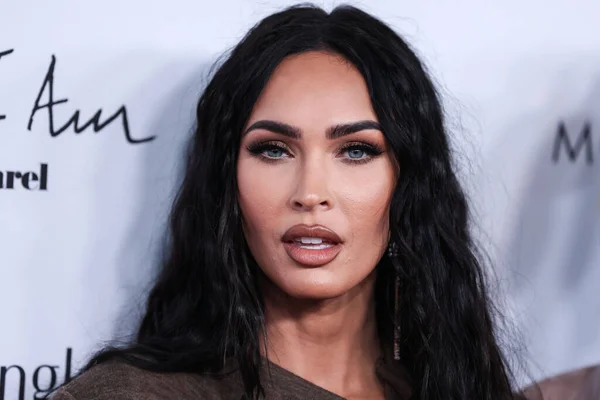
1. Megan Fox
Megan Fox became a breakout star through the ‘Transformers’ franchise, where her visual impact was central to how she was marketed to global audiences. For years, magazine coverage and celebrity commentary placed unusual attention on her appearance, often eclipsing discussion of her performances. She later took roles in comedy, action, and horror, but her public identity remained tied to the image created during her early blockbuster rise. That imbalance made her one of the clearest examples of a star whose beauty branding often traveled faster than her acting résumé.

2. Pamela Anderson
Pamela Anderson’s fame expanded far beyond television once ‘Baywatch’ turned her into an international symbol of nineties glamour. Her face, hairstyle, and highly recognizable screen presence became cultural shorthand in a way few performers experience. Although she acted in multiple projects, much of the public conversation around her focused on icon status, modeling history, and tabloid visibility instead of dramatic range. Her career illustrates how celebrity mythology can become bigger than the roles themselves.
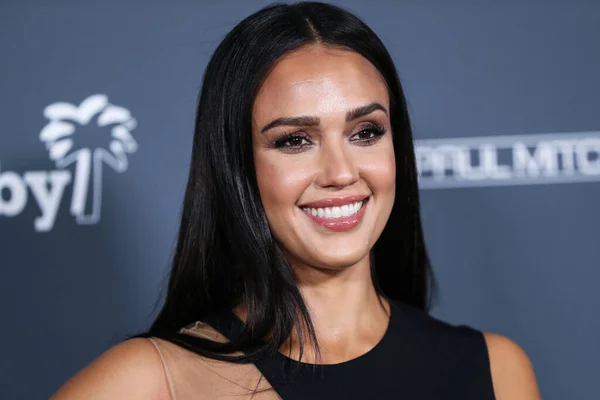
3. Jessica Alba
Jessica Alba first drew major attention on ‘Dark Angel’, then moved into films including ‘Sin City’ and ‘Fantastic Four’. During that stretch, fashion coverage, magazine lists, and beauty-centered publicity frequently framed her as much for visual appeal as for screen work. She also built a business identity that extended her public image far outside acting. In her case, fame became a blend of performer, style figure, and entrepreneur, with the visual side often leading audience perception.
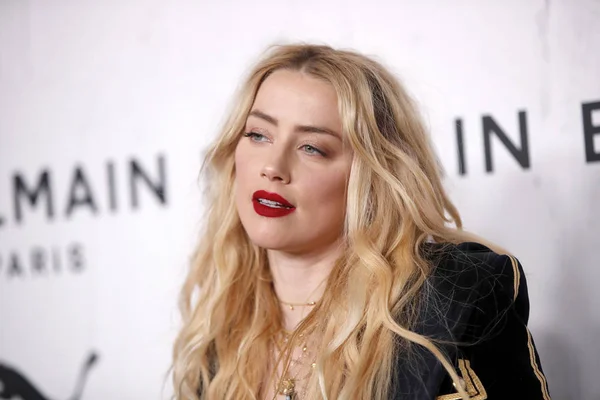
4. Amber Heard
Amber Heard has appeared in studio films including ‘The Rum Diary’ and ‘Aquaman’, but media attention around her often centered on red-carpet visibility and highly discussed personal headlines. Her appearance has repeatedly been pulled into broader beauty conversations, including coverage of facial symmetry rankings tied to celebrity beauty. That kind of attention tends to shift the focus away from craft and toward image. In Hollywood, that dynamic can become self-reinforcing, especially when glamorous casting follows the same pattern.

5. Rosie Huntington-Whiteley
Rosie Huntington-Whiteley arrived in film already established as a globally recognized model, which shaped how audiences saw her from the start. Her role in ‘Transformers: Dark of the Moon’ brought immediate visibility, but it never fully separated her acting profile from her runway identity. Even with appearances in ‘Mad Max: Fury Road’ and major campaigns, she remained better known as a fashion face than as a screen performer. Her career shows how difficult it can be for a model entering film to escape preexisting image expectations.
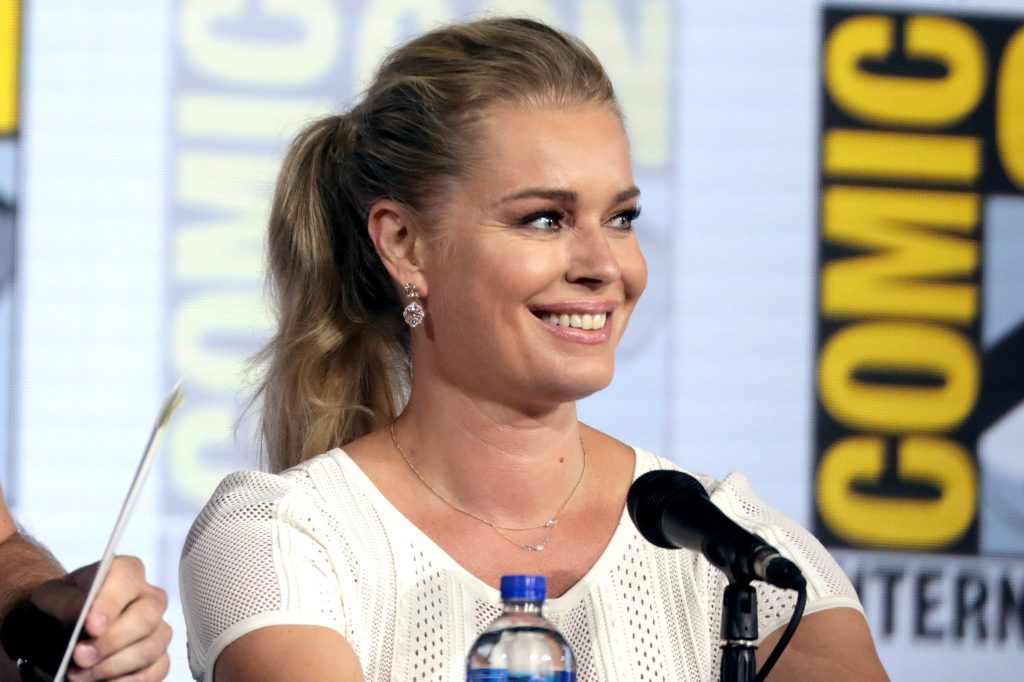
6. Rebecca Romijn
Rebecca Romijn built major fame in modeling before her turn as Mystique in the ‘X-Men’ films. That role depended heavily on transformation, body presentation, and visual design, which added another layer to a career already associated with appearance. Popular entertainment often blurs the line between costume impact and acting recognition, and Romijn’s best-known screen work sits directly in that overlap. The contrast between her real-life look and heavily altered on-screen image also reflects how much character styling can shape audience memory, much like discussions of actors who look dramatically different from their roles.

7. Emily Ratajkowski
Emily Ratajkowski entered mainstream fame through modeling and viral pop-culture visibility before moving into films such as ‘Gone Girl’ and ‘I Feel Pretty’. Her acting work has never fully overtaken the public interest in her fashion presence, online following, and beauty image. She is frequently discussed as a modern celebrity whose name carries a strong visual brand first. That does not erase the acting credits, but it explains why her screen career is often treated as an extension of a broader public persona.

8. Gal Gadot
Before becoming ‘Wonder Woman’, Gal Gadot was widely known for modeling and for winning Miss Israel. Her rise in action films relied on poise, athletic screen presence, and a polished public image that translated easily to global franchise casting. She became one of the most recognizable faces in modern studio filmmaking, yet much of the conversation around her celebrity has emphasized elegance, physique, and fashion-world visibility alongside performance. In her case, star power and visual identity have remained tightly linked.
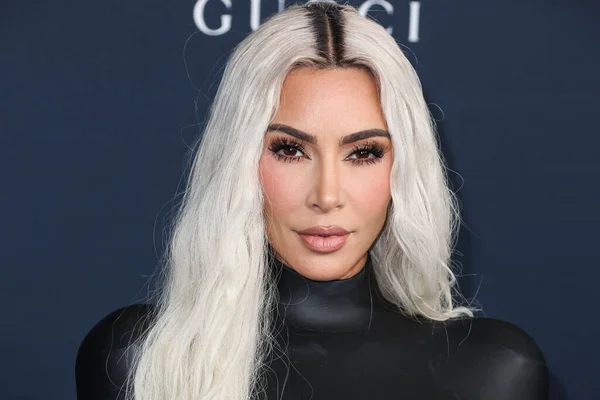
9. Kim Kardashian
Kim Kardashian is not primarily defined as an actress, which is exactly why her screen appearances stand out in this conversation. Her fame grew through reality television and an image-centered celebrity empire, then extended into select scripted roles, including projects that leaned on public familiarity with her persona. She is also regularly cited in discussions about how modern beauty standards spread through celebrity culture. Few public figures better demonstrate how visual branding alone can create crossover visibility in entertainment.
This pattern says as much about Hollywood as it does about the women on the list. The industry has repeatedly rewarded recognizability, glamour, and marketable image, sometimes more loudly than performance itself. As beauty standards keep shifting and celebrity culture becomes more image-driven, that tension remains part of how many actresses are introduced, marketed, and remembered.

