

Using a cotton swab inside the ear can feel tidy, but ear specialists continue to warn that the habit often creates the very problems people are trying to prevent. The ear is designed to manage wax on its own, and wax is not a sign of poor hygiene.
Earwax helps trap debris, moisturize the canal, and slow the growth of germs. According to glands in the ear canal, the body continuously makes and replaces cerumen without needing deep cleaning.

1. Earwax gets pushed deeper instead of removed
The most common problem is simple: the swab acts like a plunger. Instead of lifting wax out, it packs it farther down the canal, where it can harden and block sound. Doctors often need special tools, suction, or irrigation to remove the buildup safely. This is one reason experts describe the ear as self-cleaning rather than something that needs routine internal scrubbing.

2. Temporary hearing loss can follow
When wax is compacted close to the eardrum, sound cannot travel as efficiently. People may notice muffled hearing, a plugged sensation, or trouble following conversations. One ENT source notes that impacted earwax is one of the most common causes of hearing loss. The drop in hearing is often reversible, but the blockage usually has to be removed properly.

3. The eardrum can be injured
The eardrum is thin and delicate, and even a soft-tipped swab can cause damage if it slips or goes too deep. A perforation may lead to sharp pain, drainage, ringing, or reduced hearing. In some cases, healing takes weeks. More serious injuries may require medical repair.

4. The ear canal skin can develop tiny cuts
The skin lining the ear canal is fragile. Repeated rubbing with a cotton swab can leave behind small abrasions that sting, bleed, or become inflamed. These small injuries matter because they weaken the canal’s natural barrier. Once the skin is broken, irritation tends to build on itself, especially in people who keep swabbing because the ear feels itchy or blocked. What starts as a grooming habit can turn into a cycle of scratching, dryness, and more irritation. Doctors regularly caution that discomfort after swab use is not a sign the ear needs more cleaning. It is often a sign the canal has been irritated.

5. Protective wax and moisture balance get stripped away
Earwax is not just debris. It lubricates the skin and helps keep the canal from becoming dry and itchy. Cleveland Clinic describes earwax as something that nourishes and protects the skin inside the ear. Removing too much of it can leave the canal uncomfortable, which often leads people to reach for the swab again.

6. Bacteria and fungi get an easier path in
Swabs are not sterile instruments, and they can introduce or push germs deeper into a warm, enclosed space. When that happens after the skin has already been irritated, the risk of infection rises. Outer ear infections can cause pain, swelling, itching, and drainage. In ears that have lost their normal wax coating, moisture also tends to linger longer, making infection more likely.

7. Ringing, pressure, and dizziness may show up
People sometimes notice ringing in the ear, pressure, or brief dizziness after aggressive swab use. That can happen when wax gets pressed toward the eardrum or when the canal is irritated. Some clinicians also note that the ear canal contains nerve endings that can trigger odd reflexes. MD Anderson warns that a deep swab injury can cause dizziness or hearing loss if the eardrum is damaged.
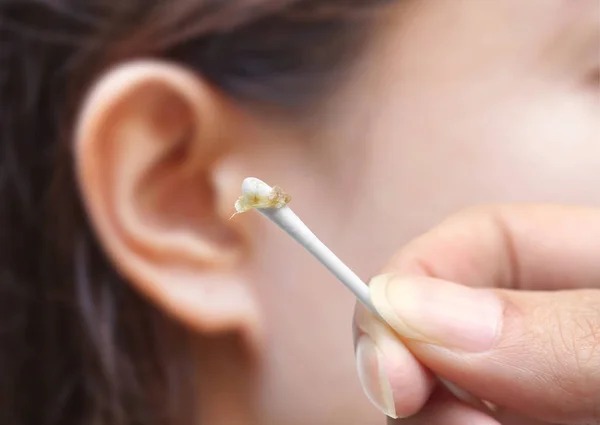
8. The “clean” feeling is often misleading
A yellow smear on the cotton tip can make the ear seem dirty, but wax in the canal is usually normal and healthy. Some people are also genetically more likely to have wetter or drier wax, which affects how it looks and feels. The presence of wax does not automatically mean buildup, infection, or poor hygiene. In many cases, the habit continues because it feels satisfying, not because the ear medically needs it.
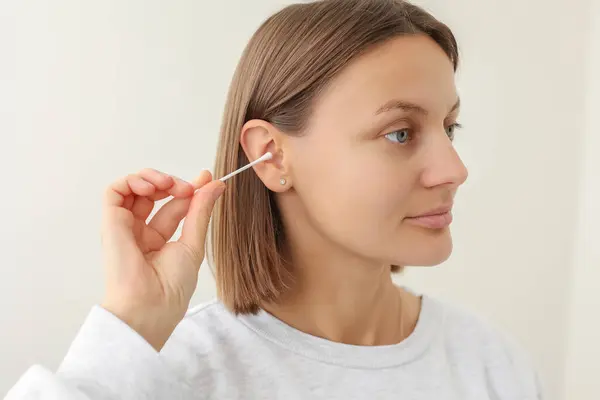
The safer approach is usually much simpler. Doctors commonly recommend cleaning only the outer ear with a damp cloth and leaving the canal alone. When there is fullness, pain, ringing, drainage, or reduced hearing, professional evaluation matters more than home digging. For some people, wax-softening drops or clinician-guided removal are appropriate, but putting cotton swabs into the ear canal is not considered safe ear care.

