
The 2026 Oscars had the usual mix of sentiment, spectacle and strange pacing, but the ceremony also delivered something rarer: a telecast with several genuinely memorable turns instead of one defining viral clip.
Some of the night’s biggest beats came from firsts, reunions and acceptance speeches that landed cleanly. Others showed how quickly momentum can slip when production choices interrupt a moment that was already working.
1. Amy Madigan turned a long wait into the night’s warmest early win
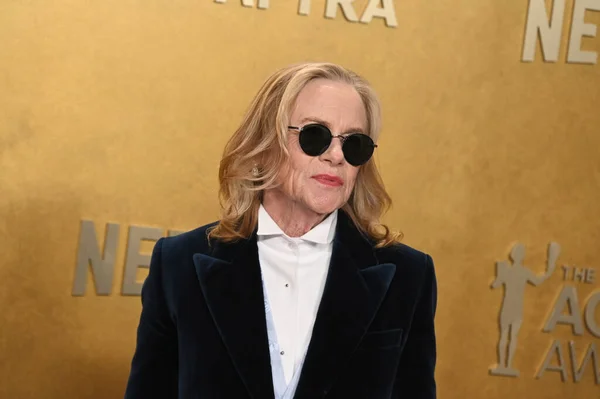
Amy Madigan’s supporting actress victory for Weapons gave the ceremony an immediate jolt of personality. It was her first Oscar win after her first nomination four decades earlier, and she met the moment with a speech that felt gloriously unvarnished instead of over-rehearsed.
Her line, “What’s different is I’ve got this little gold guy!” distilled the appeal. Reference coverage also noted her self-deprecating aside about trying to think of remarks while shaving her legs the night before, which only added to the sense that the room was watching someone genuinely stunned to be there.
2. “Sinners” owned the stage even outside the competition
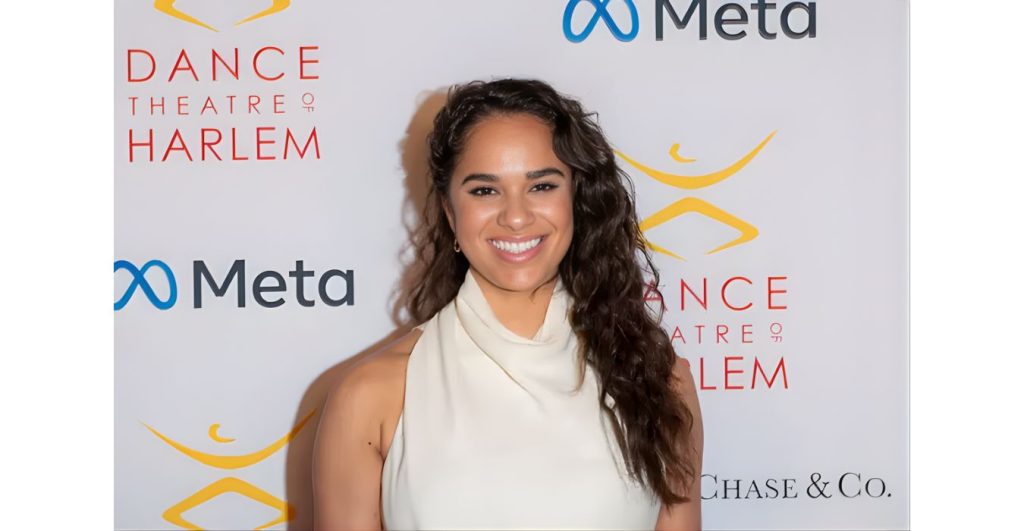
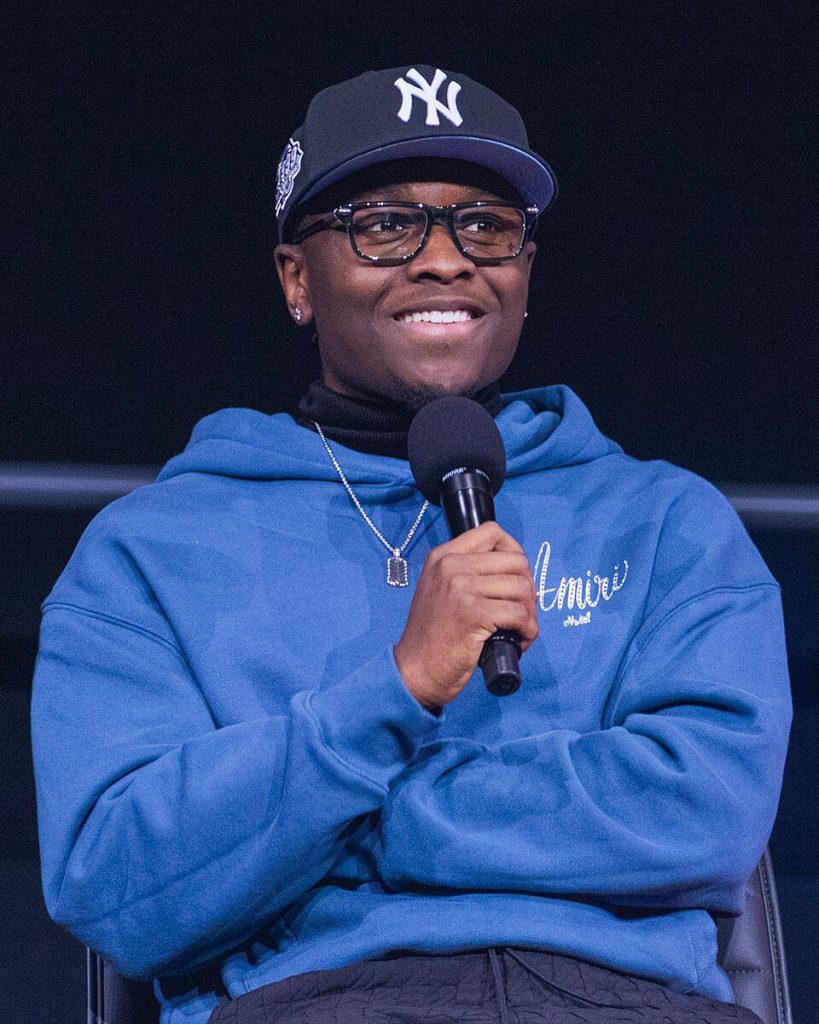
Few films shaped the ceremony’s atmosphere like Sinners. The live rendition of “I Lied to You” arrived with Miles Caton, Raphael Saadiq, Shaboozey, Brittany Howard and Misty Copeland, giving the telecast a pulse that many award shows spend hours trying to manufacture. Copeland’s appearance carried extra weight after her first public performance since hip replacement surgery.
The movie’s creative dominance was just as striking. Ryan Coogler collected his first Oscar for original screenplay, while Michael B. Jordan’s lead-actor win and Autumn Durald Arkapaw’s cinematography victory made the film feel central to the night even without best picture.
3. Autumn Durald Arkapaw’s cinematography win changed the history books
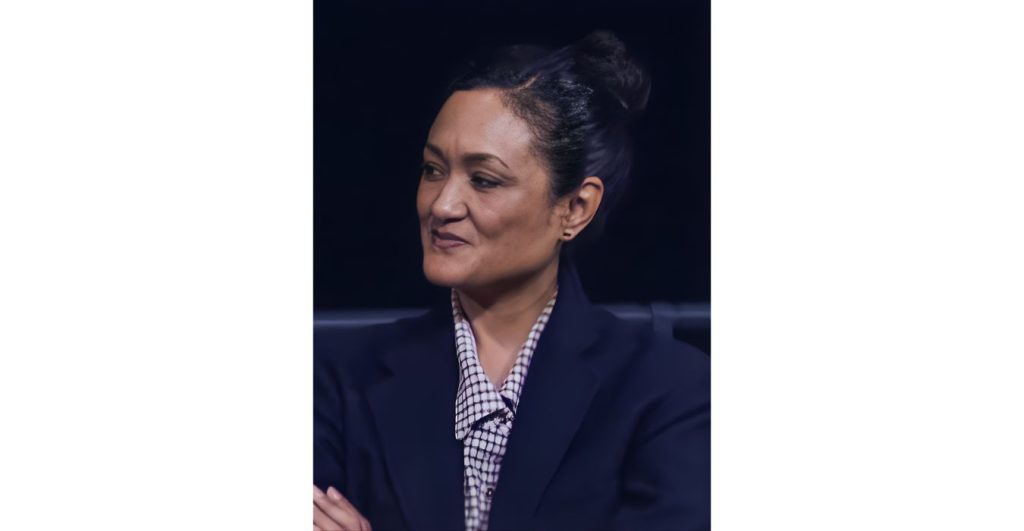
Some Oscar milestones can feel ceremonial. This one did not. Arkapaw became the first woman to win best cinematography, a category that had long remained one of the Academy’s most resistant barriers.
What made the moment resonate was the speech’s focus. Rather than treating the win as a solitary breakthrough, she turned outward and acknowledged the women who supported her throughout the campaign and career. In a room built around individual trophies, that communal framing gave the category one of the night’s clearest emotional peaks.
4. The live-action short tie was exciting until the show nearly tripped over it
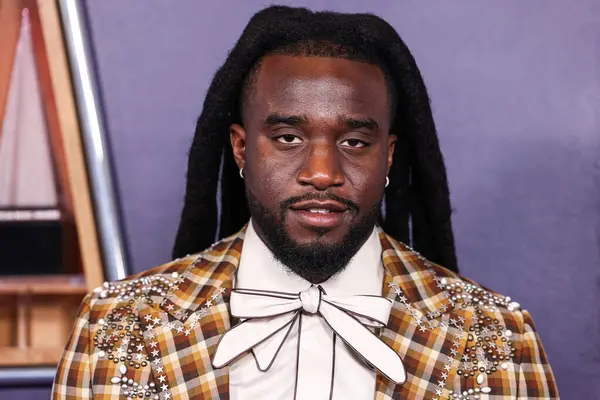
The best live-action short result gave the Oscars one of its cleanest pieces of suspense: only the seventh tie in Academy Awards history. The Singers and Two People Exchanging Saliva both won, creating the kind of genuine surprise the ceremony often wants but rarely gets.
Then the production almost smothered the drama it had lucked into. As the second group accepted, the music swelled, the microphone lowered and the camera shifted away at exactly the wrong time. Multiple reference accounts pointed to the same recurring issue throughout the night: winners were sometimes being rushed off before their remarks could find any shape. A category built for delight briefly became a case study in how not to handle live television.
5. Jessie Buckley and Michael B. Jordan delivered the speeches people remember
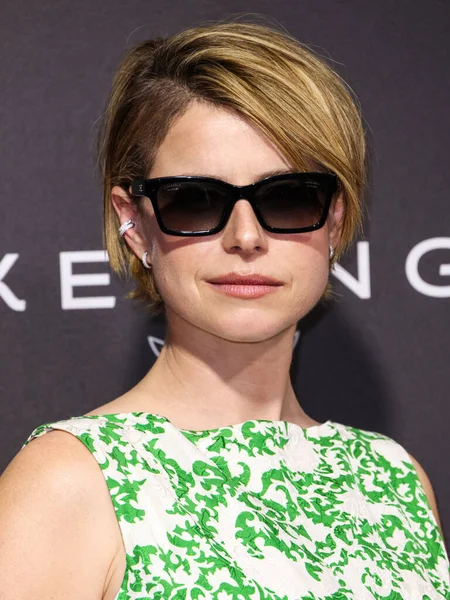
Oscar speeches tend to blur together by the final commercial break. These did not. Jordan’s best actor speech for Sinners balanced gratitude with career perspective, especially when he placed himself in a lineage that included Sidney Poitier, Denzel Washington, Halle Berry, Jamie Foxx and Forrest Whitaker.
Buckley’s best actress speech for Hamnet moved in a different register, intimate and family-centered without sounding private to the point of exclusion. Her dedication to “the beautiful chaos of a mother’s heart” became one of the telecast’s most repeated lines, and reference coverage underscored how strongly it connected in the room, particularly because it landed on U.K. Mother’s Day.
6. The In Memoriam segment was larger, sadder and far more personal
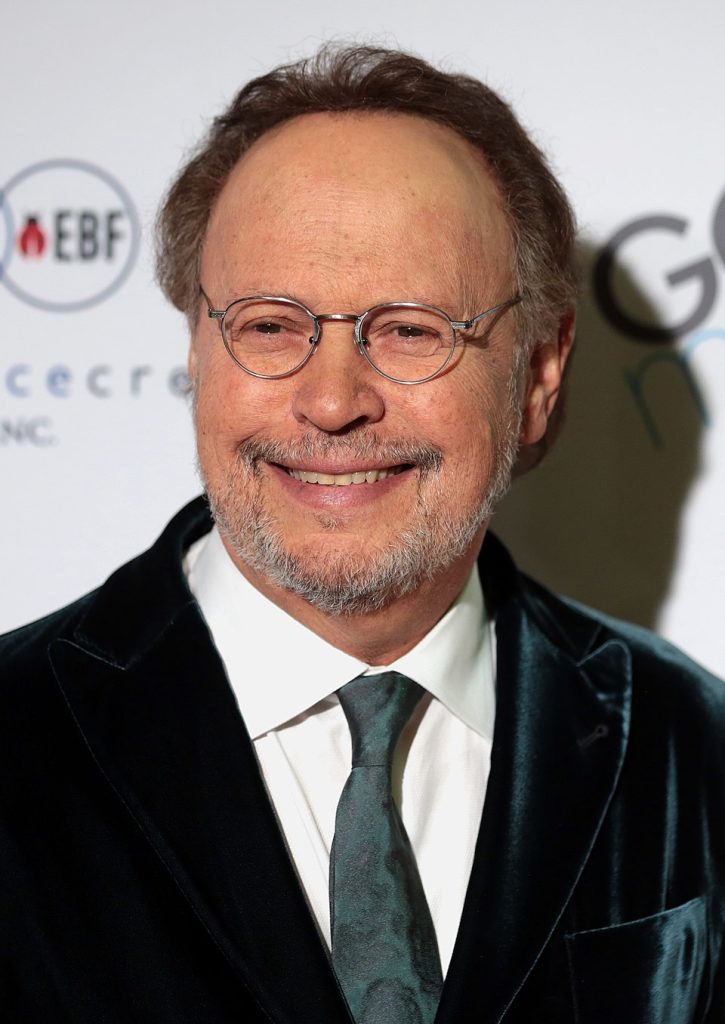
Most years, the In Memoriam is respectful and efficient. This one was built as a centerpiece. Billy Crystal opened with a tribute to Rob Reiner, Rachel McAdams honored Diane Keaton and Catherine O’Hara, and Barbra Streisand closed part of the sequence by singing from The Way We Were in remembrance of Robert Redford.
The result was less montage, more collective farewell. According to producers’ plans for a longer tribute, the segment had been designed to give an unusually painful year of losses more room, and that extra space showed. It was one of the few stretches of the broadcast that seemed willing to slow down instead of chasing pace for its own sake.
7. Reunions gave the broadcast some old-Hollywood elasticity
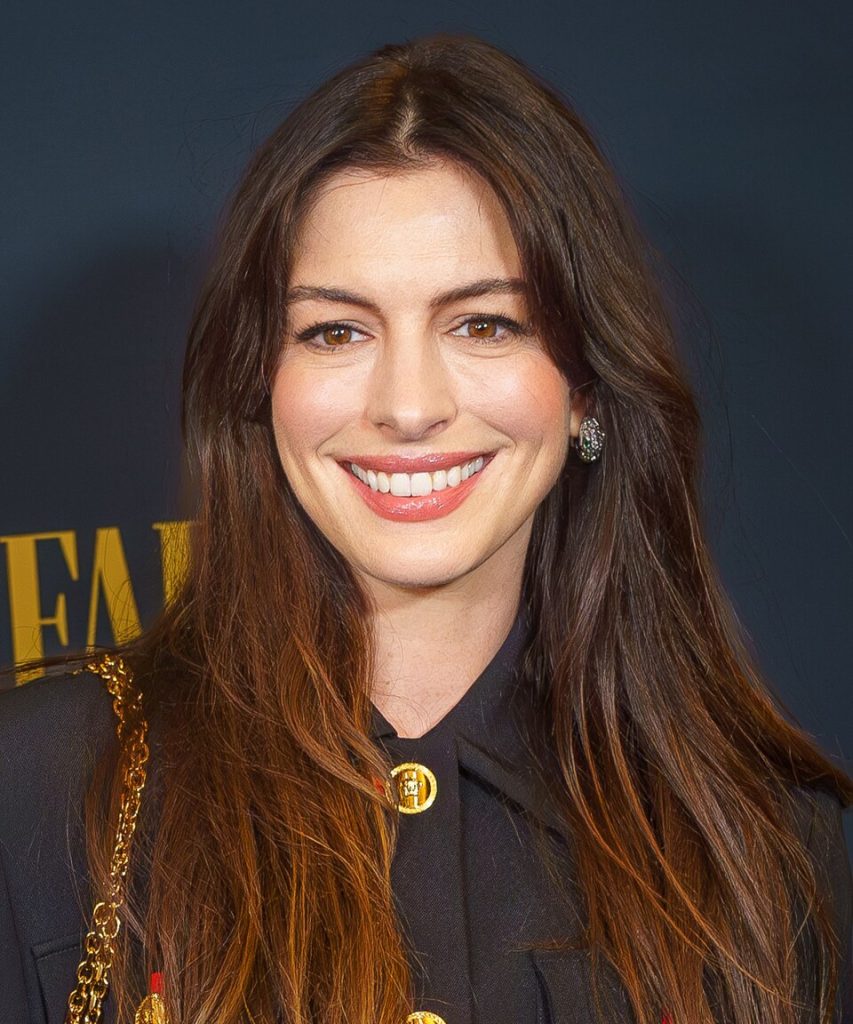
The ceremony understood that nostalgia works best when it arrives lightly. Anne Hathaway sharing the stage with Anna Wintour revived The Devil Wears Prada with just enough bite, especially once Wintour dropped the pointed “Thank you, Emily” joke.
Elsewhere, the Bridesmaids cast reassembled for a presenter bit, while Nicole Kidman and Ewan McGregor slipped into Moulin Rouge! mode before best picture. None of these segments needed to carry the whole telecast. They simply loosened it up, which is often more valuable.
8. Conan O’Brien was either the glue or the excess, depending on the minute
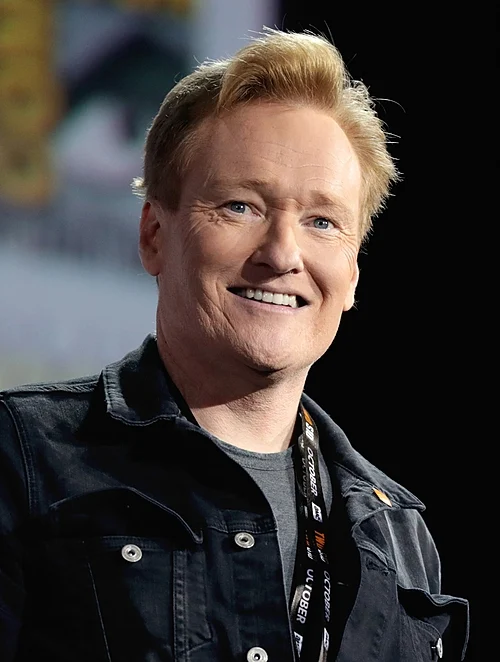
O’Brien’s presence defined the show’s rhythm. His opener which sent him through nominated-film worlds while dressed as Aunt Gladys from Weapons was elaborate, committed and very much in his style. His more sincere remarks about film as global collaboration also gave the broadcast a broader frame, including the note that 31 countries across six continents are represented.
But the hosting package was also oversized. Several bits ran long, and once the ceremony already had musical numbers, reunions, major speeches and a loaded In Memoriam, extra comic detours could feel like traffic. The sharper complaint was not that O’Brien lacked material. It was that the show sometimes trusted the material more than its own strongest unscripted moments.
The 2026 Oscars worked best when they stopped trying to prove they were entertaining and simply let entertainment happen. Historic wins, emotional speeches and one beautifully expanded tribute did most of the heavy lifting.
That left the rough patches looking even rougher. When the ceremony got out of its own way, it had real elegance.

