
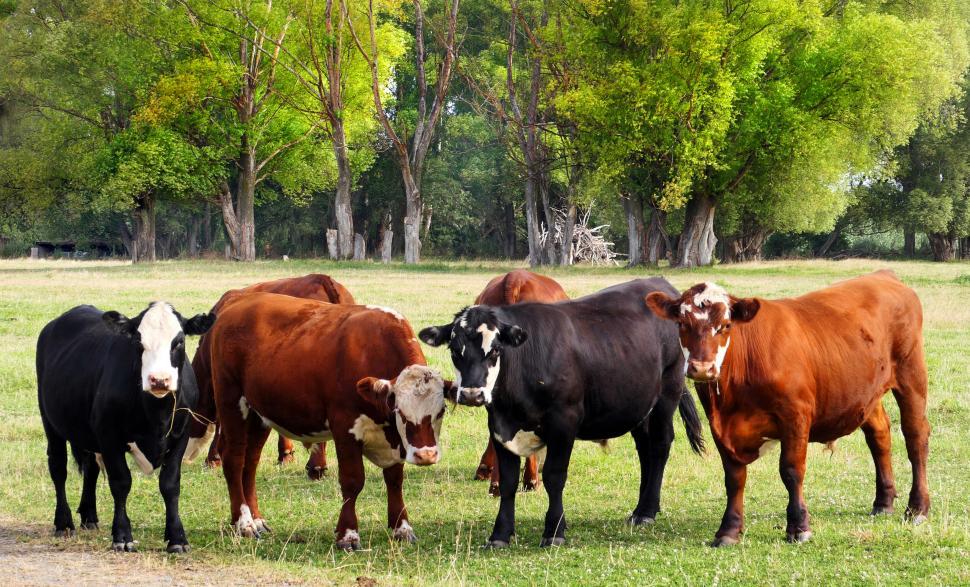
Tyson’s decision to close its Lexington, Nebraska, beef plant and reduce operations in Amarillo, Texas, has done more than threaten jobs. It has drawn fresh attention to a cattle system already strained by drought, high costs, and the smallest national herd in generations.
For households, ranchers, and rural communities, the issue reaches far beyond one company. The pressure now runs through supply, prices, processing capacity, and the slow timetable required to rebuild a herd once it has been cut back.
1. The U.S. cattle herd is still near a generational low
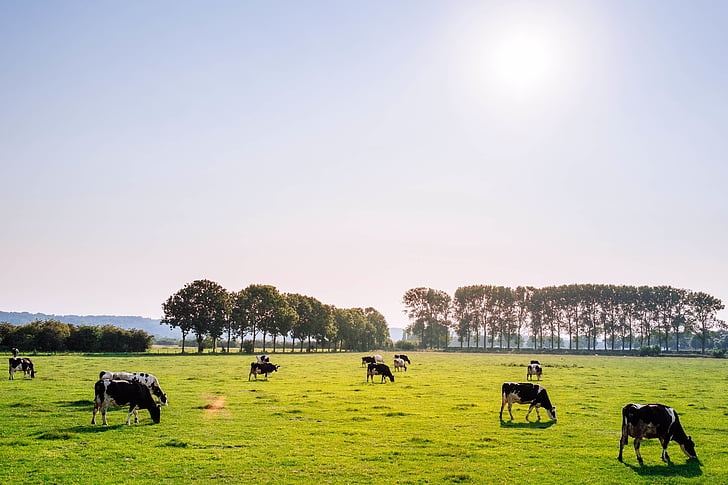
The basic problem starts with supply. The national inventory stood at 86.2 million head on Jan. 1, 2026, the lowest level in 75 years. Beef cows totaled 27.6 million, also the lowest in decades, which means the breeding base remains unusually small. That matters because fewer cows today mean fewer calves tomorrow. The 2025 calf crop was estimated at 32.9 million head, extending the supply squeeze and limiting how quickly feedlots and processors can recover volume.

2. Drought damage did not end when rain returned
Years of drought across the Plains and West forced ranchers to sell animals earlier than planned. Pasture losses, scarce water, and expensive hay pushed many operations into herd liquidation rather than expansion. That damage lingers. Breeding cows sold during drought cannot be replaced quickly, and some producers are still rebuilding finances after paying sharply higher feed, fuel, labor, and borrowing costs. As economist Eric Belasco said, “The biggest thing has been drought.”
3. Tyson’s cuts reflect a processing system with too few cattle to run efficiently
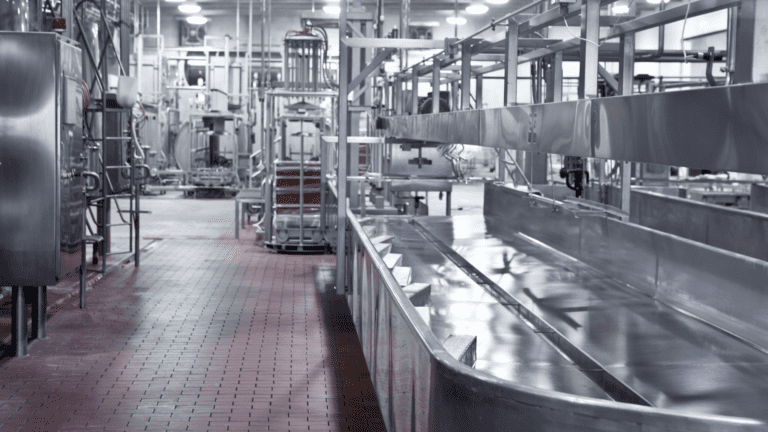
Tyson’s Lexington facility employed roughly 3,200 workers and handled nearly 5,000 cattle per day, about 4.8% of daily U.S. beef slaughter. Amarillo’s reduction puts another 1,700 jobs at risk while shrinking one of the region’s major industrial operations. The company’s beef segment posted $426 million in losses in fiscal 2025, and tight cattle supplies have made it harder for large plants to cover fixed costs. Across the industry, capacity utilization has often fallen below 85%, leaving some facilities running well under levels that support margins.

4. Rural communities face losses that spread far beyond the plant gate
In Lexington, the closure affects the largest employer in a town of roughly 11,500 residents. The immediate layoffs are only part of the disruption, because local stores, landlords, service providers, schools, and tax collections also depend on plant payrolls. An economic analysis from Nebraska researchers estimated the statewide impact of the Lexington closure at $3.283 billion annually, with projected labor income losses of $530.4 million across 7,003 jobs when multiplier effects are included. Those losses are expected to be concentrated in Dawson County and nearby communities where workers live and spend their paychecks.

5. Beef prices stay high because rebuilding cattle takes years
Retail prices have continued climbing as cattle supplies remain tight and consumer demand for beef has held firm. USDA-linked market analysis shows the all-fresh retail beef price reached $9.55 per pound in December 2025, while ground beef hit $6.69 per pound. This is the slow part of the cycle. Keeping more heifers for breeding may be the first sign of recovery, but it still takes about 30 months before that decision adds meaningful supply. Darrell Peel of Oklahoma State University described the current period this way: “This time, we’re on the slowest rebuild in history.”
6. The local cattle market can feel the shock more than the national market
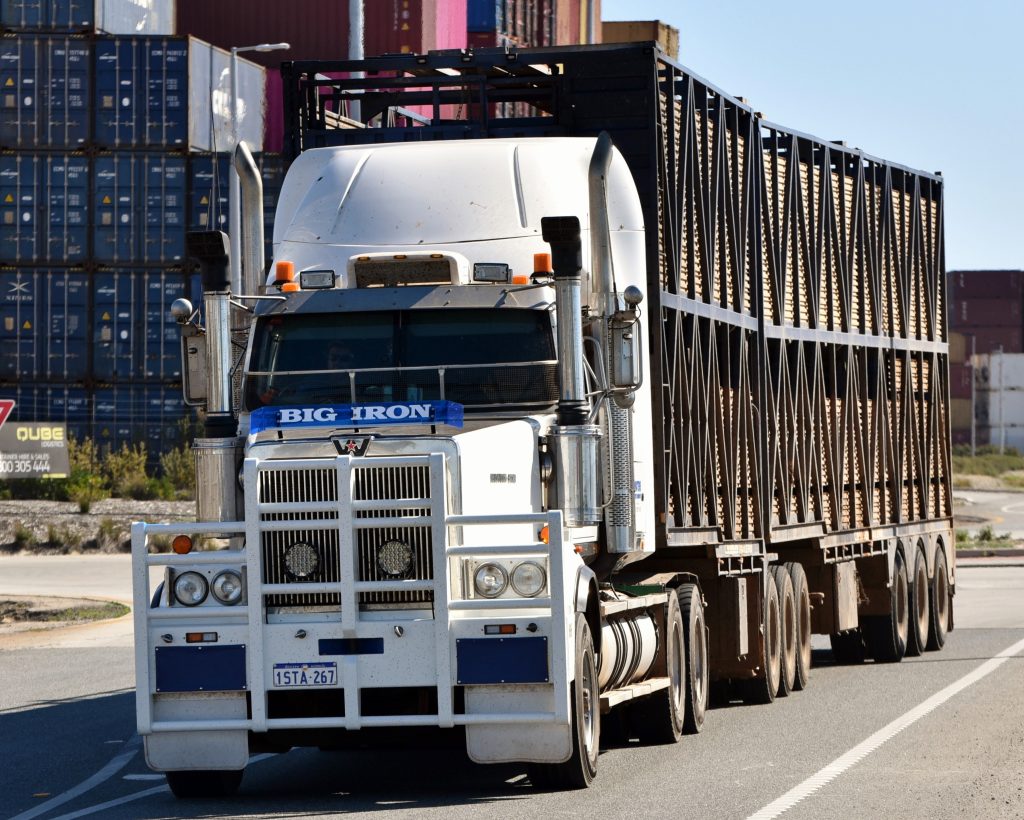
Not every producer experiences a plant closure in the same way. Research cited by agricultural economists suggests location matters because cattle near Lexington may now travel farther to reach alternative plants, raising freight costs and increasing shrink losses. That can leave Nebraska and nearby feeding regions facing deeper price pressure than the broader U.S. market, even if national futures recover. It also puts more stress on negotiated cash trade and price discovery in areas already dependent on a small number of major packers.
7. New processing projects exist, but they are not a quick replacement
Some smaller and mid-sized plants have opened or been announced since 2020, supported in part by federal efforts to expand meat processing. On paper, new operating capacity is close to the amount Tyson is removing. In practice, the match is uneven. Many new plants are far smaller than Lexington, several projects have stalled, and geography matters. A plant hundreds of miles away does not solve the same local market problem as a large facility in central cattle country.
8. Imports and border disruptions add another layer of volatility
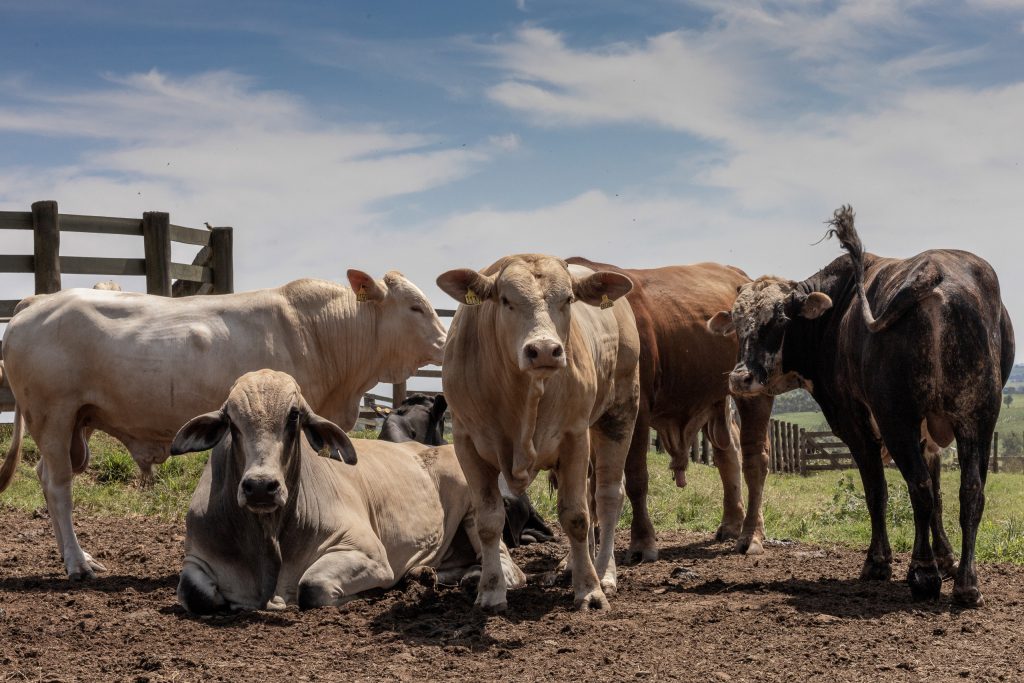
The beef market is not being shaped by domestic herd size alone. The U.S. usually brings in substantial cattle from Mexico, but the border has remained closed to cattle from Mexico because of New World screwworm concerns, cutting off an important source of feeder animals. At the same time, beef imports have risen. From January through November 2025, U.S. beef imports increased 17% from a year earlier, according to market data cited in industry analysis.
Even so, analysts cited in the reference materials said added imports were not expected to make a major difference in consumer beef prices. The Tyson cuts have become a clear marker of a broader industry reset. There is no sign of serious rebuilding yet, and that leaves processors, ranchers, workers, and shoppers operating in the same tight-supply environment. For now, the central facts remain unchanged: fewer cattle, slower processing economics, and a recovery clock measured in years rather than months.

