
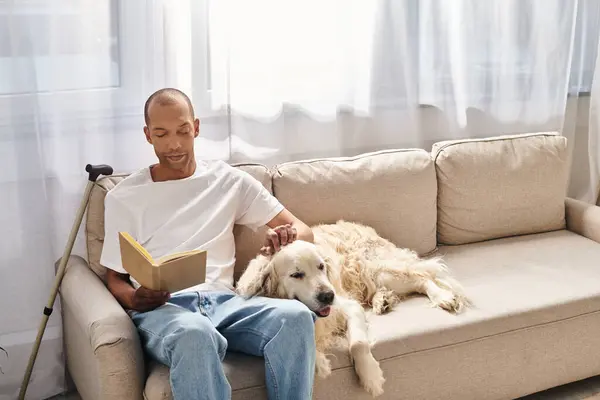
Dogs do not build lasting trust from occasional grand moments alone. They build it from repeated experiences that feel safe, predictable, and emotionally clear. That matters because canine memory leans heavily on association.
Dogs connect people, places, voices, and routines with how those experiences make them feel, and many of those links can stay powerful over time. With associative memory shaping behavior, the smallest daily habits often leave the deepest mark.
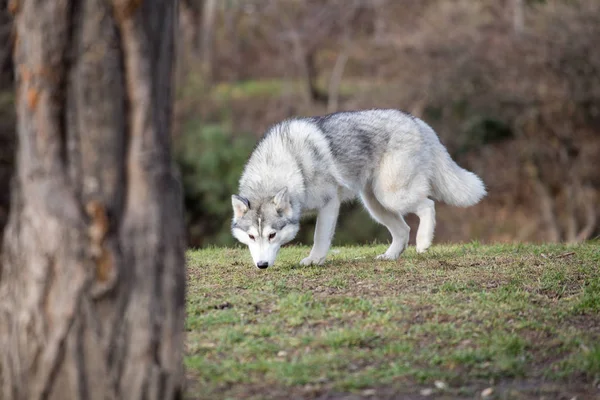
1. Slow walks that let the nose do the work
For many dogs, a walk is not mainly about distance. It is about information. A dog’s nose processes the world with extraordinary detail, supported by about 300 million scent receptors, which helps explain why sniffing can be more rewarding than being hurried from one block to the next. When a dog is allowed to pause, investigate, and follow a scent trail, the walk becomes mental enrichment as well as exercise. That kind of outing can reduce frustration, support calm behavior, and turn an ordinary routine into a reliable source of satisfaction.
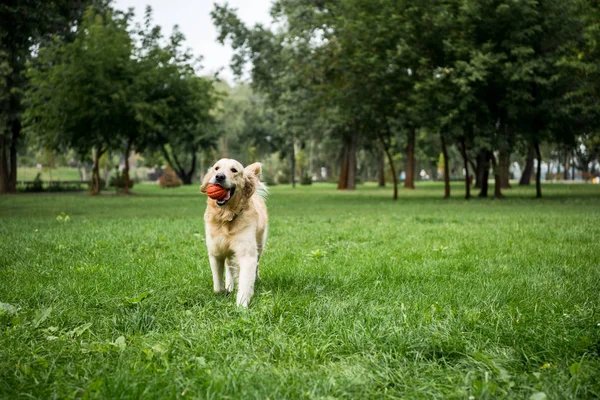
2. Full attention during short everyday moments
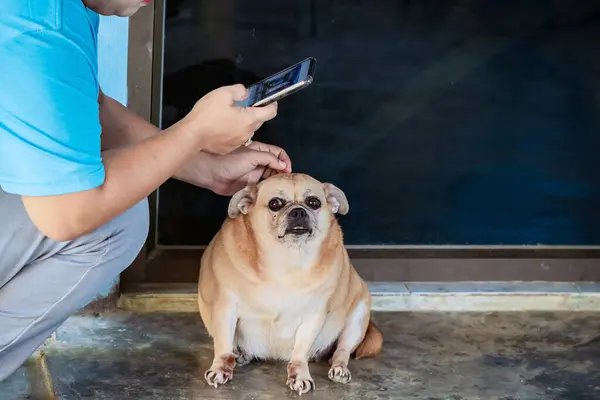
Dogs are highly tuned in to human focus and energy. A few minutes of real engagement often means more than a longer stretch of distracted company. Putting the phone away during a toy game, kneeling down for calm petting, or simply making eye contact while speaking gently tells a dog that the interaction matters. Repeated over days and years, these brief moments can become part of how a dog identifies emotional security with one person in particular.

3. A calm voice they can recognize anywhere
Dogs remember voices through pattern and feeling, not just sound. A soft, steady tone becomes a cue for safety, while frequent sharp changes can create uncertainty. That sensitivity is not surprising in an animal that also reads posture, movement, and emotional shifts so closely. Dogs can pick up changes in human mood through voice, behavior, and even scent. When the household voice stays calm and consistent, it gives a dog a dependable emotional map.
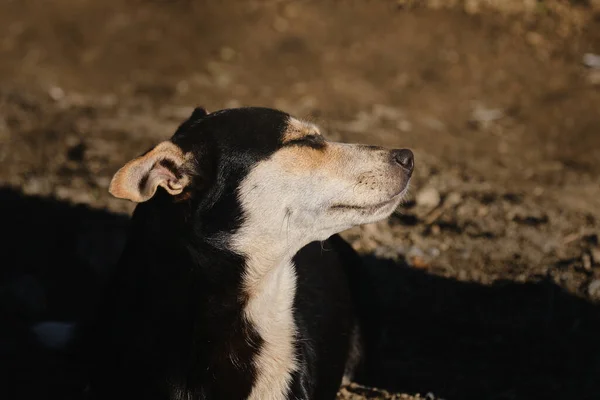
4. Respect for the moments when they need space
Some of the most memorable kindnesses are quiet ones. When a dog turns away, licks the lips, yawns, stiffens, or chooses distance, respectful people notice. Honoring those signals teaches a dog that communication works. That lesson is powerful. Instead of feeling pressured, the dog learns that moving away is safe, that boundaries are recognized, and that closeness can happen without conflict. Trust often grows faster when contact is invited rather than imposed.
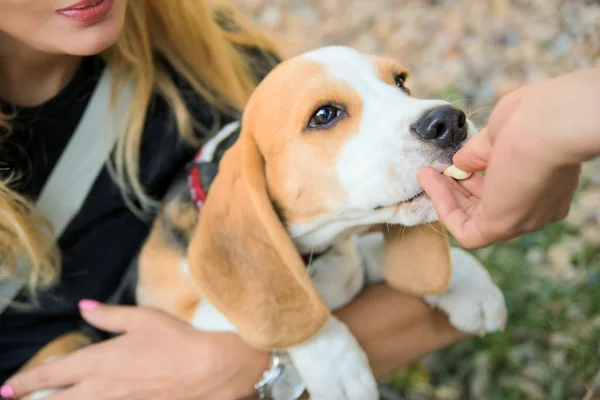
5. Hand-feeding and gentle reward-based learning
Hand-feeding can be more than a meal delivery method. For shy, young, or newly adopted dogs, it can create a direct link between a person’s presence and positive outcomes. Reward-based training builds the same kind of memory. Dogs retain verbal cues and practiced behaviors well, and response to verbal commands can become a long-lasting memory. When learning happens through rewards and calm repetition, the person involved becomes part of a dog’s confidence, not just part of the instruction.
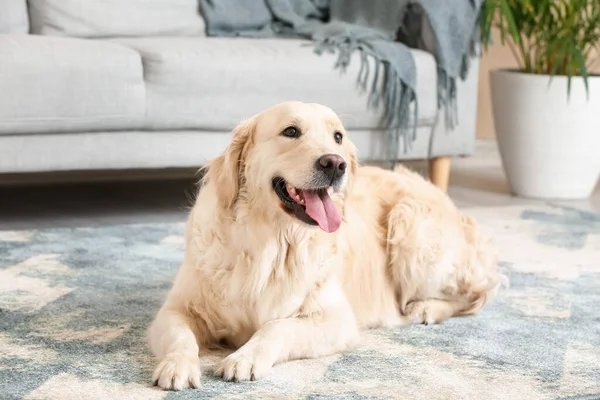
6. Predictable routines that make life feel stable
Dogs thrive on knowing what comes next. Mealtimes, walks, rest, and bedtime rituals all help build that sense of order. A routine does not need military precision to work. It only needs enough consistency that the dog can anticipate the rhythm of the day. That predictability lowers stress, improves adjustment during change, and reinforces the idea that the household is dependable. For many dogs, repeated daily structure becomes one of the strongest memory anchors they have.
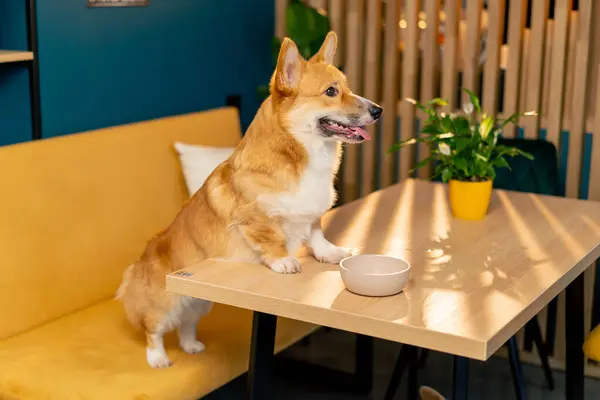
7. Responses to their quiet check-ins
Many dogs check in without making a fuss. They glance across the room, rest a chin on a knee, lean lightly against a leg, or settle nearby for a moment. These behaviors are easy to miss, but they are often bids for connection. A soft word, brief touch, or acknowledging look confirms that the bond is active. Because dogs remember people through repeated emotional associations, these tiny exchanges can shape how secure they feel in the relationship for years.
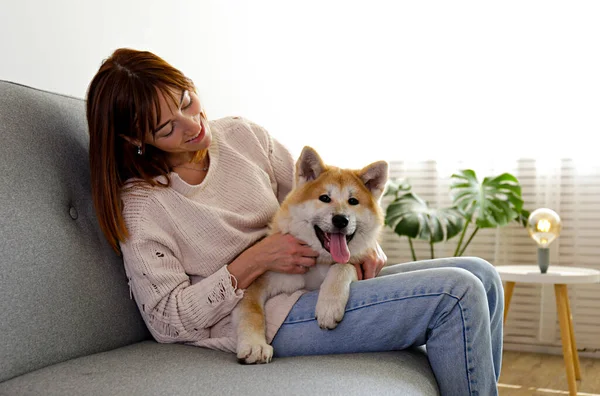
8. Peaceful time spent together with no demands
Not every meaningful memory comes from play or training. Resting in the same room, sitting quietly after a walk, or sharing a calm evening on the couch can be just as important. This matters even more for older dogs or dogs that become overstimulated easily. Familiar scent, familiar presence, and no pressure to perform can create a strong sense of belonging.
Research and observation alike support that dogs remember favorite people through scent, voice, and repeated comfort, and some bonds remain vivid after long separations through scent and voice associations. The habits dogs remember best are usually the ones repeated calmly and consistently. A slower walk, a gentler tone, a respected boundary, or a quiet evening nearby may look small in the moment, but these are the experiences that often shape trust. For dogs, memory is closely tied to feeling. When daily life repeatedly feels safe, understood, and steady, the relationship becomes something they carry with them every day.

