
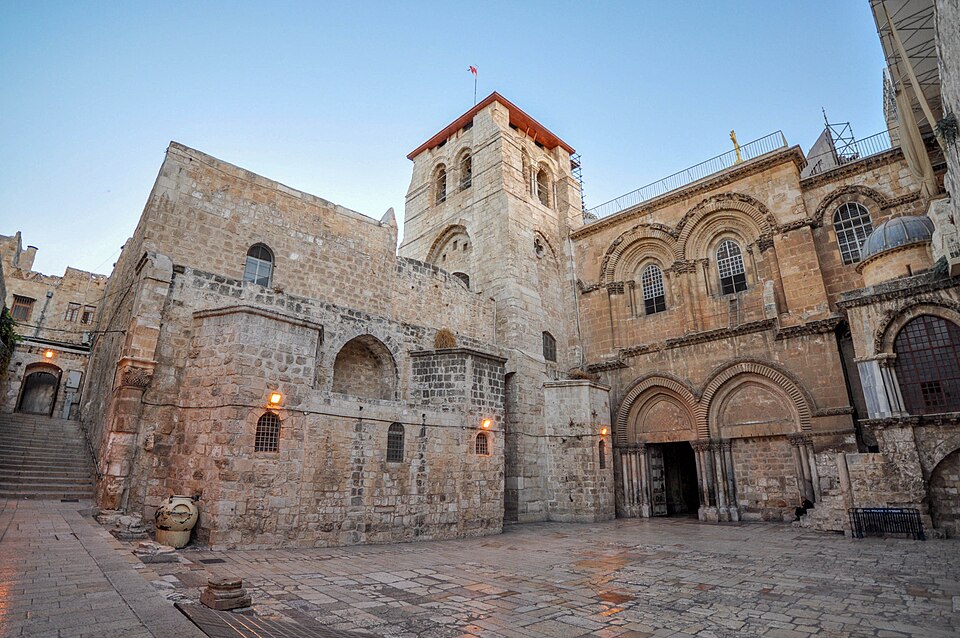
Under the stone floor of Jerusalem’s Church of the Holy Sepulchre, a small category of evidence has reopened a very old question. Archaeologists studying soil layers beneath the shrine have identified traces of olive and grape cultivation near the place long venerated as the tomb of Jesus.
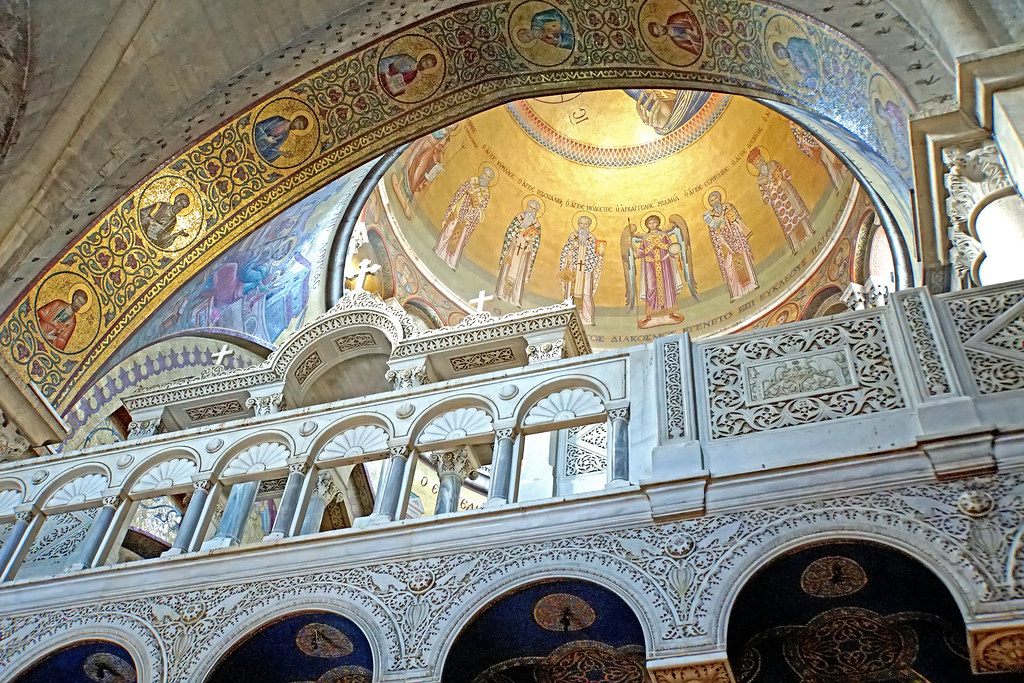
The discovery does not close every historical debate surrounding the site. It does, however, give fresh texture to a Gospel detail that has lingered for centuries: the mention of a garden beside the burial place.
1. Tiny plant remains are driving a large historical conversation
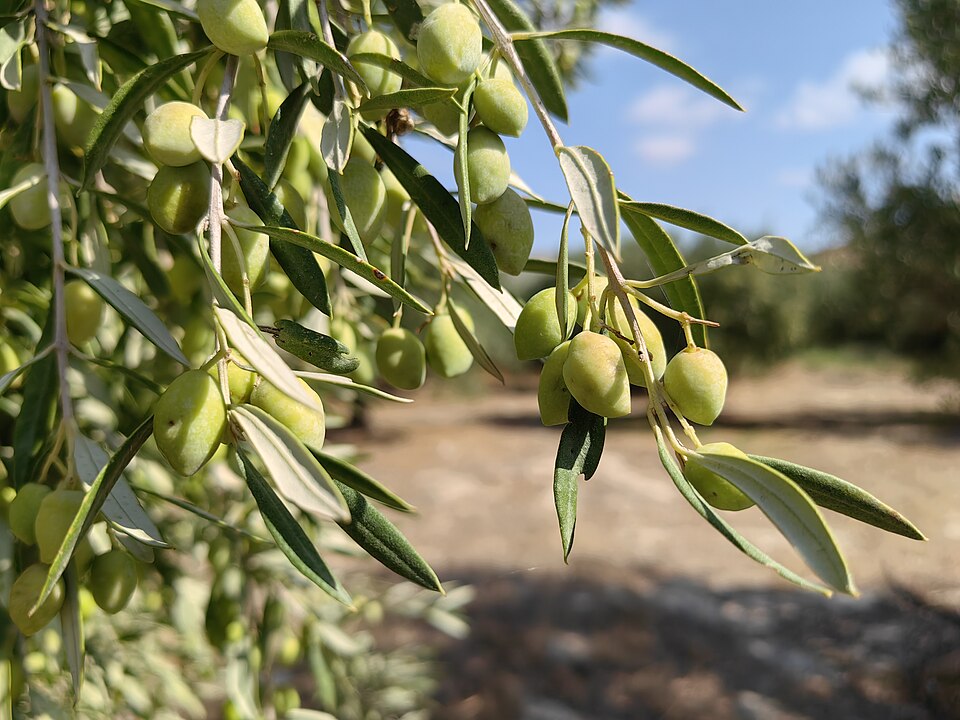
The most arresting finds are modest in scale: olive pits, grape seeds, and pollen recovered through archaeobotanical analysis beneath the church floor. Rather than relying only on walls, tombs, or carved stone, researchers are reading the site through sediments and botanical traces. That matters because plant evidence can reveal how land was used before monumental buildings transformed it.
At this site, the remains suggest cultivation in antiquity, not merely wild growth. The effect is striking: the landscape associated in later centuries with domes, chapels, and pilgrimage may once have included tended plots.
2. The finding echoes one of the Gospel of John’s most specific landscape details
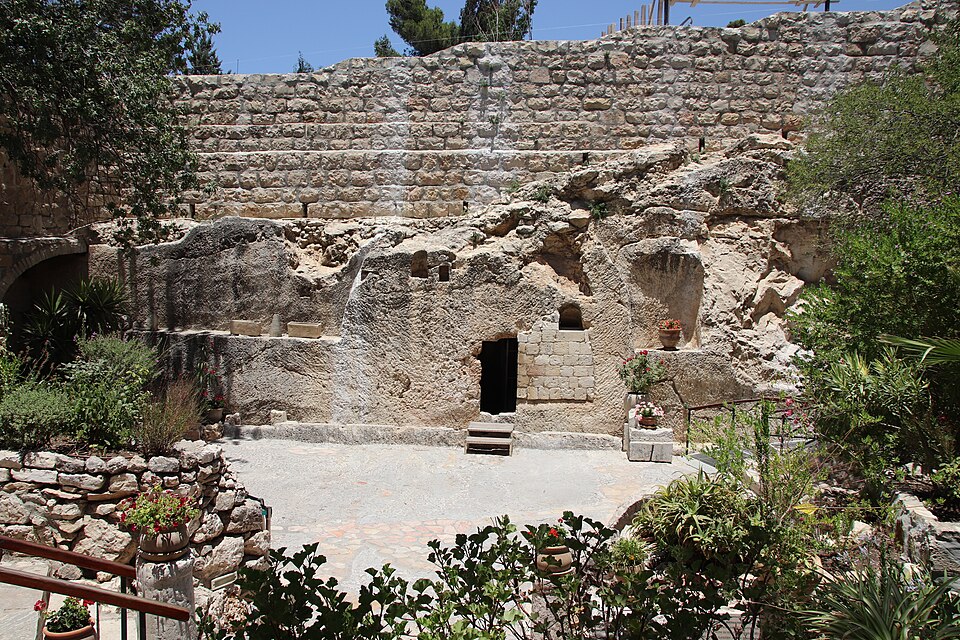
The excavation has renewed attention to John 19:41: “Now in the place where He was crucified there was a garden, and in the garden a new tomb where no one had ever been laid.” Among the Gospel accounts, that line stands out for its topography. It places crucifixion, garden, and tomb in close relationship.
Professor Francesca Romana Stasolla said, “The archaeobotanical findings have been especially interesting for us, in light of what is mentioned in the Gospel of John. The Gospel mentions a green area between Calvary and the tomb, and we identified these cultivated fields.”
3. The land appears to have changed function more than once
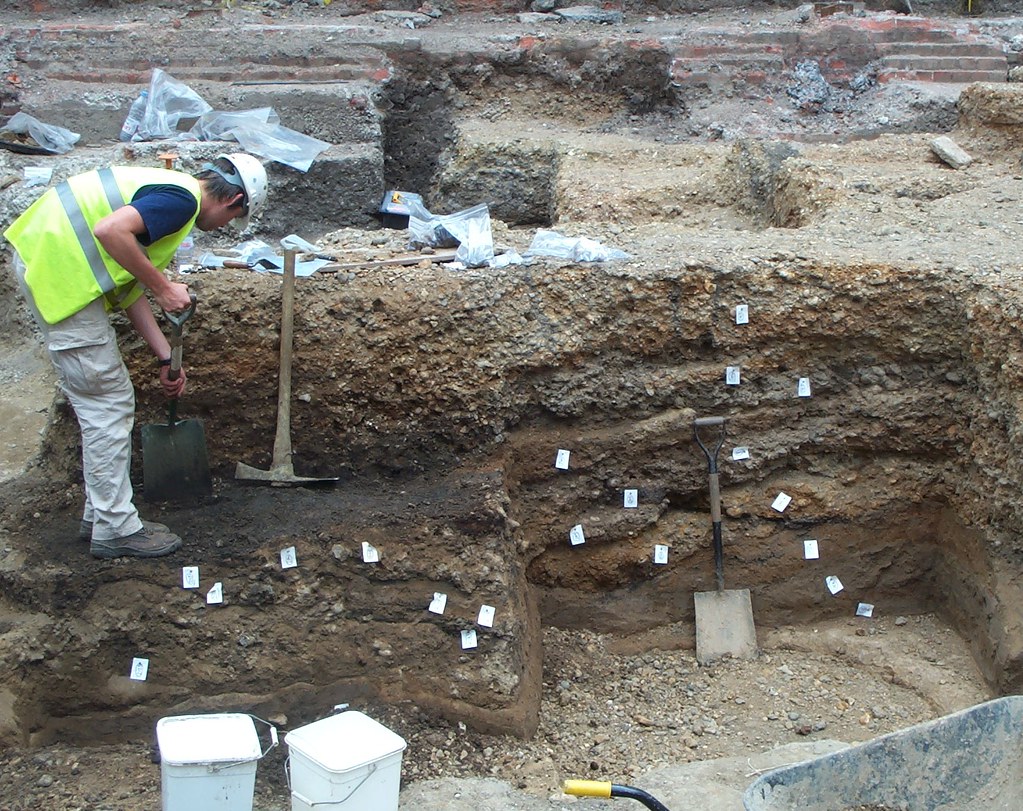
One of the most useful insights from the excavation is not a single object but a sequence. According to the archaeological team, the area appears to have been an Iron Age quarry later turned agricultural space, and then a burial zone by the 1st century CE.
That layered history helps explain why a tomb and cultivated ground could exist together. Ancient landscapes were rarely static. Quarries could fall out of use, be filled or leveled, and then support small-scale agriculture before later generations cut tombs into the rock or built sacred structures above them.
4. The church floor is concealing far more than one biblical era clue
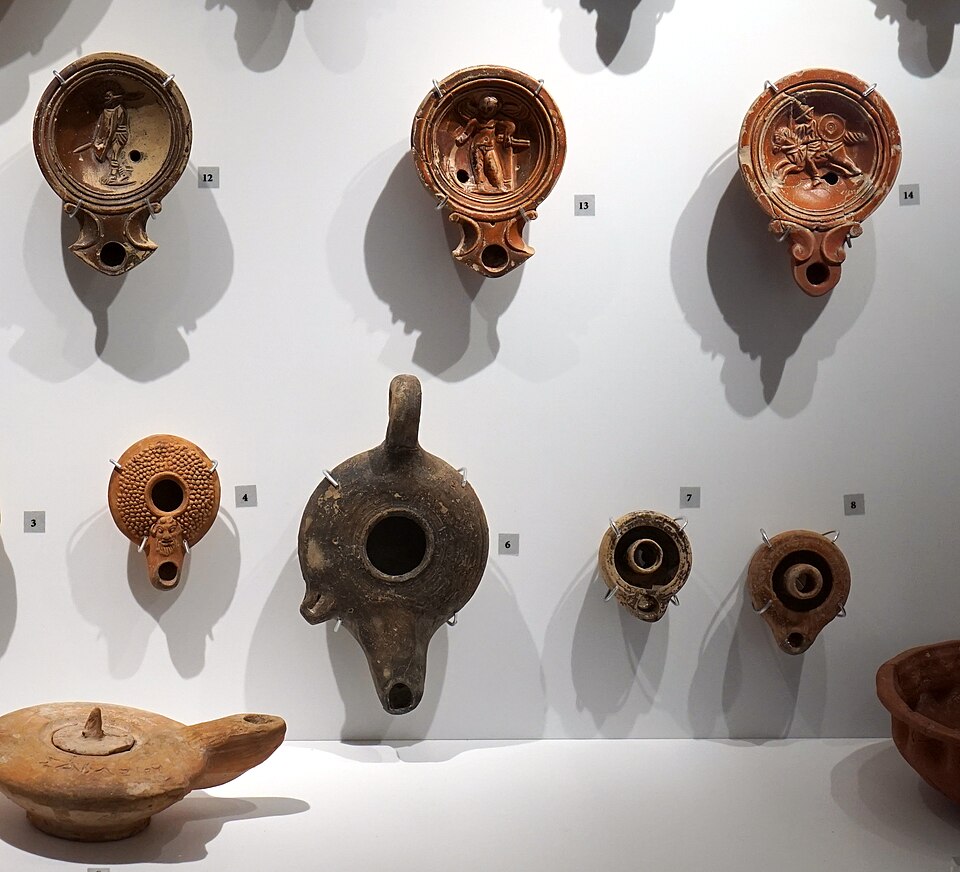
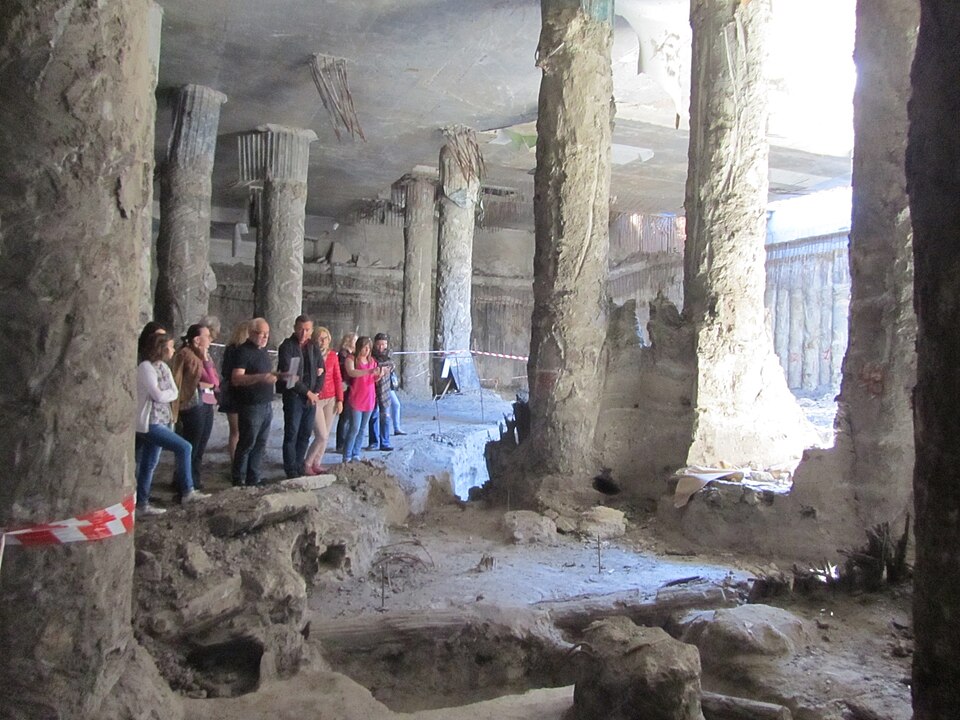
The garden evidence sits within a broader excavation that has produced pottery, oil lamps, glass, animal bones, and low stone walls that may have separated cultivated plots. Some materials reach back to the Iron Age, while other remains belong to Roman, Byzantine, and Crusader phases. The result is a compressed archive of Jerusalem’s long urban memory, packed into layers beneath one of Christianity’s most visited shrines.
This density matters because the garden question is not being studied in isolation. It is being tested inside a broader environmental and architectural reconstruction of the site.
5. Archaeology here proceeds in the shadow of uninterrupted worship
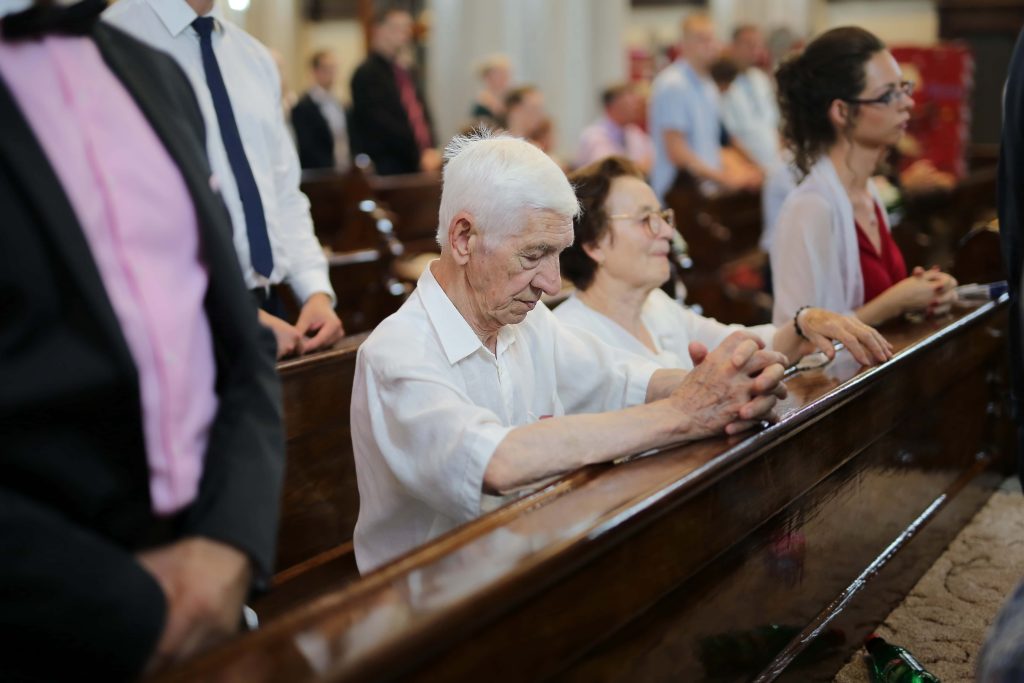
The work began within a major restoration effort after structural concerns emerged in the church complex. Excavation has been divided into sections so that prayer, liturgy, and pilgrimage can continue while researchers investigate below. During major observances such as Holy Week and Easter, work pauses.
That arrangement gives the dig an unusual rhythm. It is neither a sealed academic trench nor a museum site emptied of devotion, but a living sanctuary where scientific documentation and religious practice occupy the same ground.
6. New technology is helping reconstruct a landscape that can no longer be seen directly
Because the entire church cannot be opened at once, the team has relied on tools including 3D mapping and radar-assisted reconstruction. These methods allow specialists to connect separate excavation zones and build a fuller picture of the ancient terrain in the lab.
Stasolla described the process in memorable terms: “If we were talking about a puzzle, we could say we are only excavating one piece at a time, but eventually, we will have a complete multimedia reconstruction of the full picture.”
7. The discovery sharpens the difference between correlation and certainty
The plant remains are compelling, but the chronology is still being refined. Radiocarbon dating is still underway, and the existence of cultivated land near the church does not, by itself, settle every question about the exact location of Jesus’ burial. The site’s significance has been preserved through tradition, memory, and centuries of veneration as much as through physical evidence.
That distinction is important. The excavation strengthens a geographical detail consistent with the Gospel account, while leaving the larger historical and devotional conversation open.
8. The deepest significance may be what the site reveals about memory itself
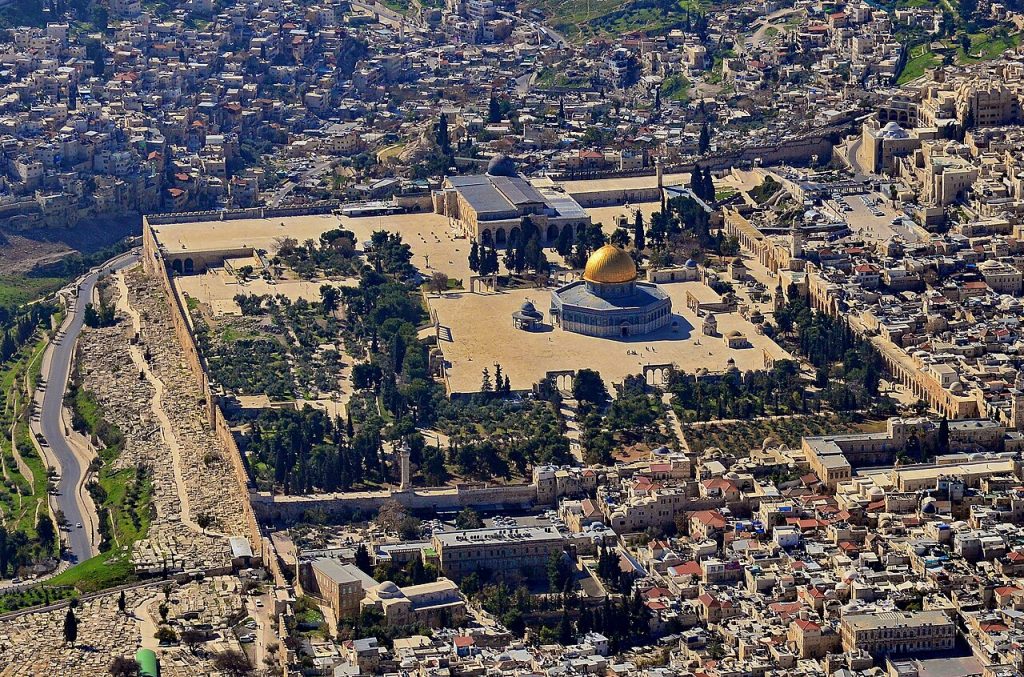
Beneath the basilica lies not just a possible garden but a record of how Jerusalem reused, covered, and reinterpreted sacred space. A quarry became cultivated ground. Tombs were cut into stone. Roman building campaigns altered the terrain. Constantine’s builders monumentalized the location in the 4th century, and later generations rebuilt it again after destruction. Through each phase, the place accumulated meaning without losing its older layers entirely.
That is why olive seeds matter beyond their size. They reconnect a monumental shrine to an earlier, humbler landscape of soil, planting, and burial, where the boundary between text and terrain appears unexpectedly close.
The renewed interest in the “garden” question is therefore less about proving a single line and more about recovering a setting. In that recovery, the Holy Sepulchre appears not only as a church of stone, but as a place where the memory of earth still persists.

