
Male celebrities are often treated as if their bodies are part of the performance long after filming ends. A vacation photo, a red carpet appearance, or a leaked costume image can quickly turn into public judgment about weight, muscle, age, or facial changes.
What makes the pattern stand out is how often the actors themselves have pushed back. Some addressed cruel commentary directly, while others used their experiences to explain how extreme screen-ready physiques are built, and why many of them are difficult to maintain in ordinary life.
1. Jason Momoa
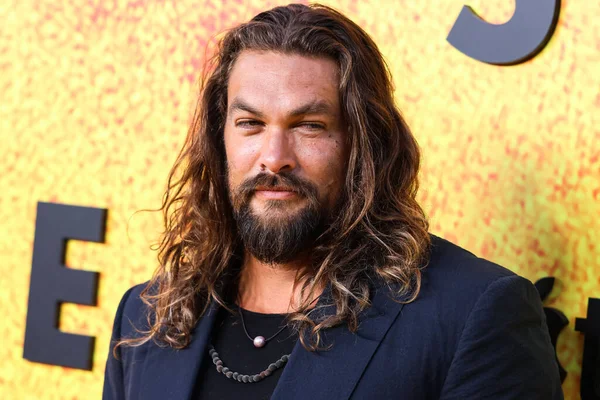
Jason Momoa became a target when vacation photos prompted online comments about his so-called “dad bod,” even though he remained visibly athletic. He brushed it off publicly, saying, “Not at all…Tell TMZ I’ll show you my dad bod soon.” The backlash helped expose how superhero roles can create a false expectation that an actor should look camera-ready every day, even between productions.
2. Jonah Hill
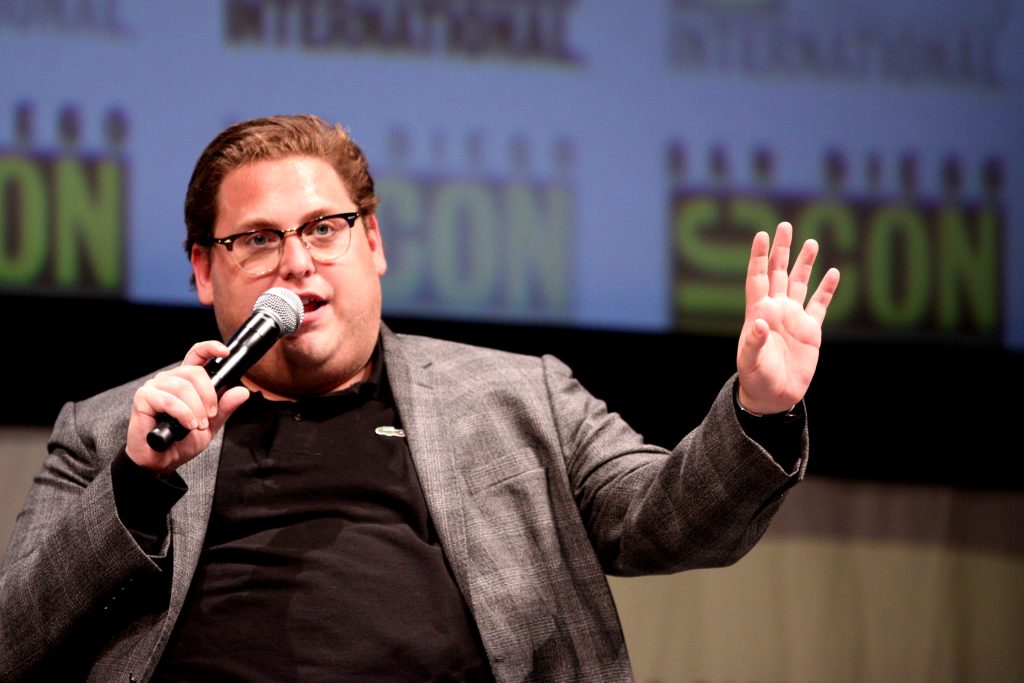
Jonah Hill took one of the clearest public positions on the issue by asking people to stop discussing his body altogether. He explained that even praise was unhelpful because it kept the focus on his appearance instead of his life or work. His request turned a familiar celebrity story into a broader boundary-setting message: body commentary does not become harmless just because it is framed as a compliment.
3. Zac Efron
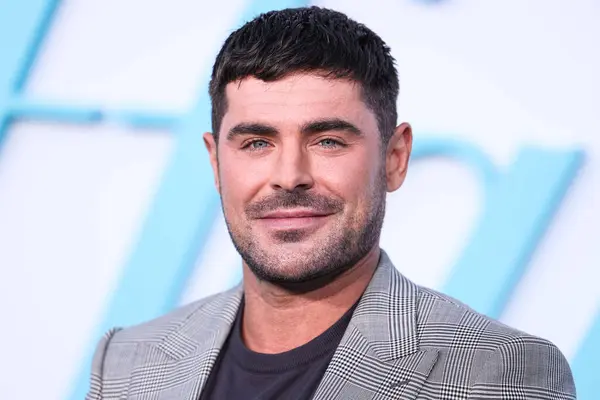
Zac Efron faced criticism when his body changed after the ultra-lean look he had for Baywatch. He later explained that the process behind that physique involved punishing routines and “powerful diuretics,” and that it left him dealing with insomnia and depression. Coverage around his remarks has also highlighted the wider risk of Hollywood’s pursuit of the “dry look”, a heavily defined appearance often tied to dehydration and short-term body manipulation.
4. Wentworth Miller
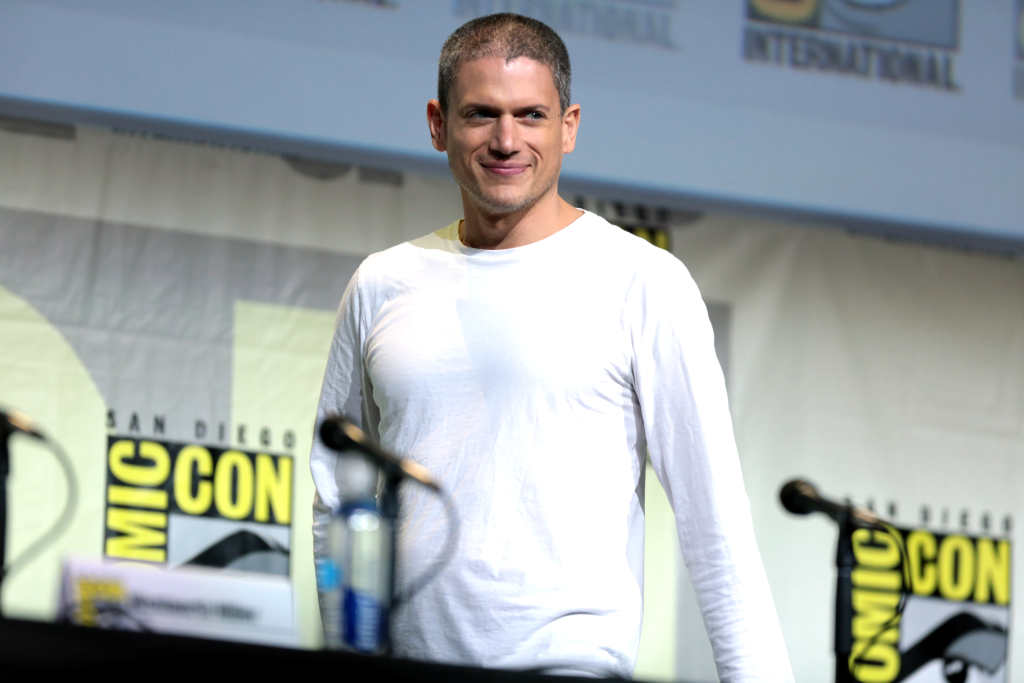
Wentworth Miller responded to a viral meme about his weight by revealing that the photo people mocked came from a period of severe depression. He wrote that food had become a source of comfort during a deeply painful chapter in his life, turning a cruel joke into a conversation about mental health. His post remains one of the strongest reminders that a body change may reflect struggles the public cannot see.
5. Chadwick Boseman
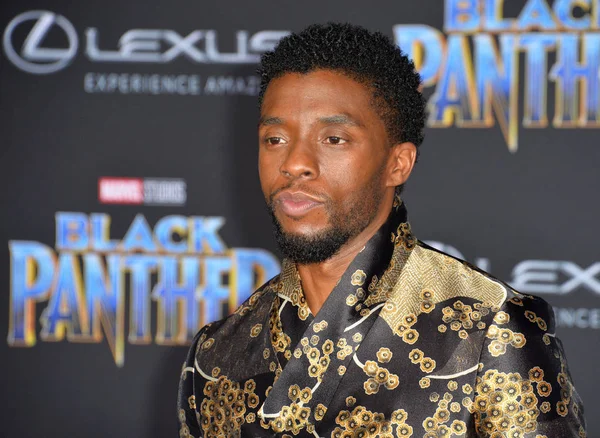
Before his death, Chadwick Boseman appeared thinner in a video and was met with jokes and speculation online. It was later known that he had been living with colon cancer while continuing to work privately. The reaction to his appearance became an enduring example of how quickly public commentary can turn insensitive when health context is missing.
6. Sam Claflin
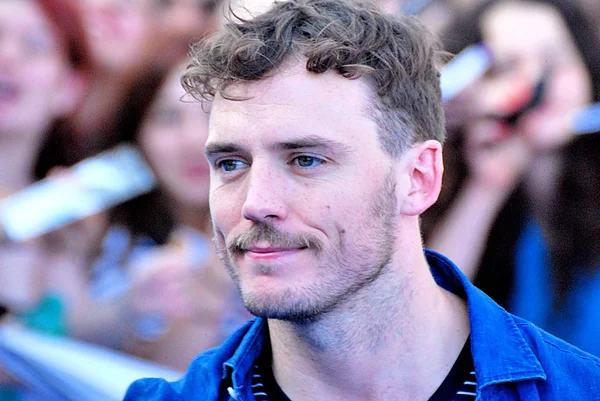
Sam Claflin described some of the most invasive treatment in casting and costume culture. He said, “I felt like a piece of meat.” In one case, he recalled being told to lift his shirt while people grabbed at his body and criticized his shape. His account made clear that male actors can face the same objectifying scrutiny long discussed in conversations about women in entertainment.
7. Richard Madden
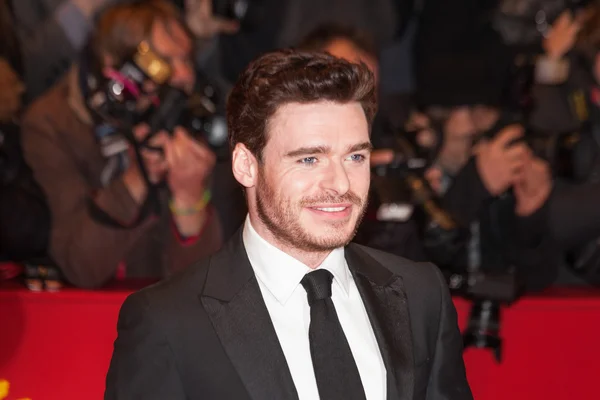
Richard Madden has spoken openly about being told to lose weight and even wear corset-style costumes to appear thinner on screen. He has also criticized “gratuitous nudity” and the punishing prep behind it, describing a cycle of under-eating and overtraining that performers privately recognize as unrealistic. His comments helped move the discussion from online shaming to workplace expectations inside the industry itself.
8. Robert Pattinson
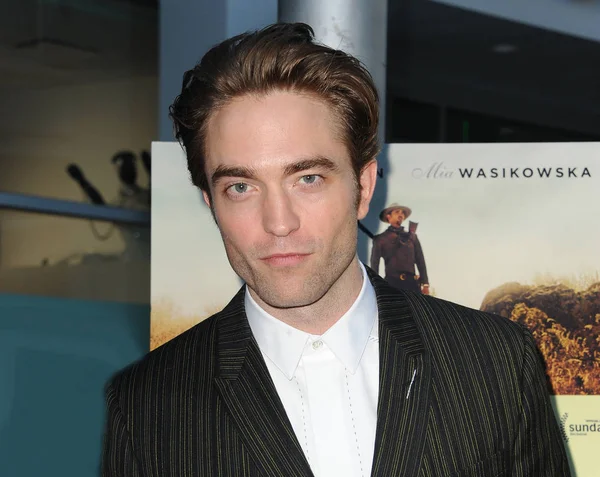
When Robert Pattinson was cast as Batman, criticism centered on him being too slim for the role. He later discussed his own insecurities and body dysmorphia, while also pushing back on the assumption that every male lead must chase a heavily sculpted frame. His experience showed how even major franchise casting can trigger narrow debates about what a hero is “supposed” to look like.

9. Grant Gustin
Grant Gustin dealt with similar backlash after a costume image led some fans to say he looked too thin to play a superhero. He answered directly, noting that comments telling someone to “eat a burger” are still body-shaming. His response mattered because it challenged the idea that ridicule only counts when directed at larger bodies.
10. Hugh Jackman
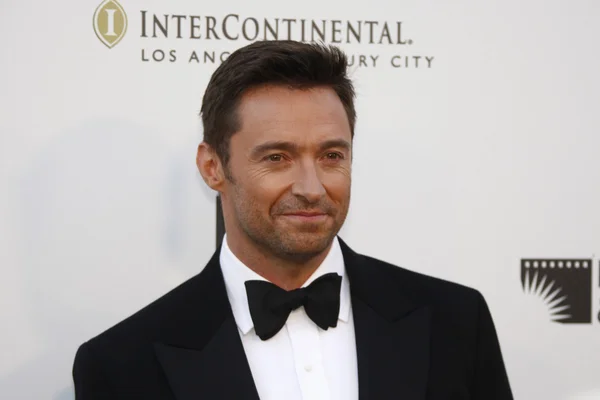
Hugh Jackman spent years under pressure to appear more and more defined as Wolverine returned to screens. His own descriptions of 36 hours of dehydration before shirtless scenes helped demystify the look audiences often treat as a normal fitness goal. What appears effortless on screen can depend on short-term tactics that carry real physical strain, not everyday health.
11. Taylor Lautner
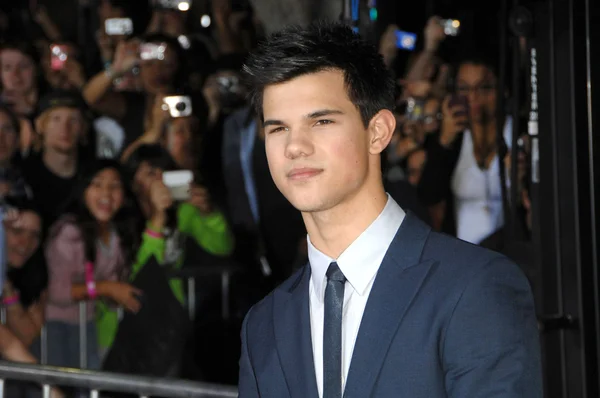
Taylor Lautner has said the Twilight era affected his body image more than he understood at the time. Playing a character associated with constant shirtless scenes locked his body into the public imagination, and later changes drew harsh reactions. Looking back, he connected that pressure to the longer aftereffects that fame can have on self-image.
12. Kumail Nanjiani
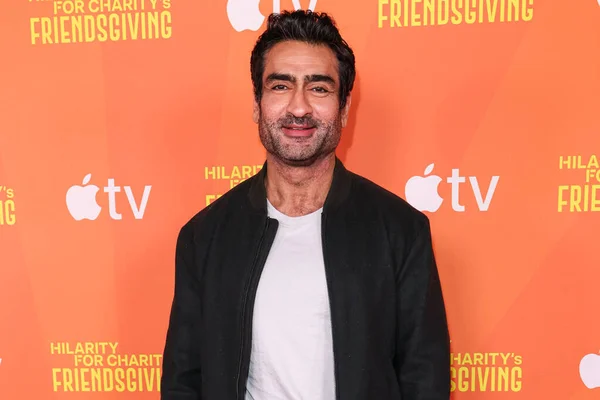
Kumail Nanjiani’s dramatic transformation for a Marvel role earned praise, but it also brought accusations, suspicion, and a new wave of scrutiny. He later said, “To hear a bunch of people reaffirming my own darkest thoughts about myself was very difficult.” His comments captured a less discussed reality: even admiration can intensify anxiety when appearance suddenly becomes the main way people assess a performer.
The stories vary, but the pattern is consistent. Men in entertainment are judged for being too heavy, too thin, too old-looking, too muscular, or not muscular enough, often within the same career.
The broader takeaway is simple. Screen bodies are frequently temporary, heavily managed, and shaped by production demands, while public commentary often treats them as a permanent standard. The actors who have spoken up have helped shift attention away from surface-level mockery and toward the health, mental strain, and unrealistic expectations behind the image.

