
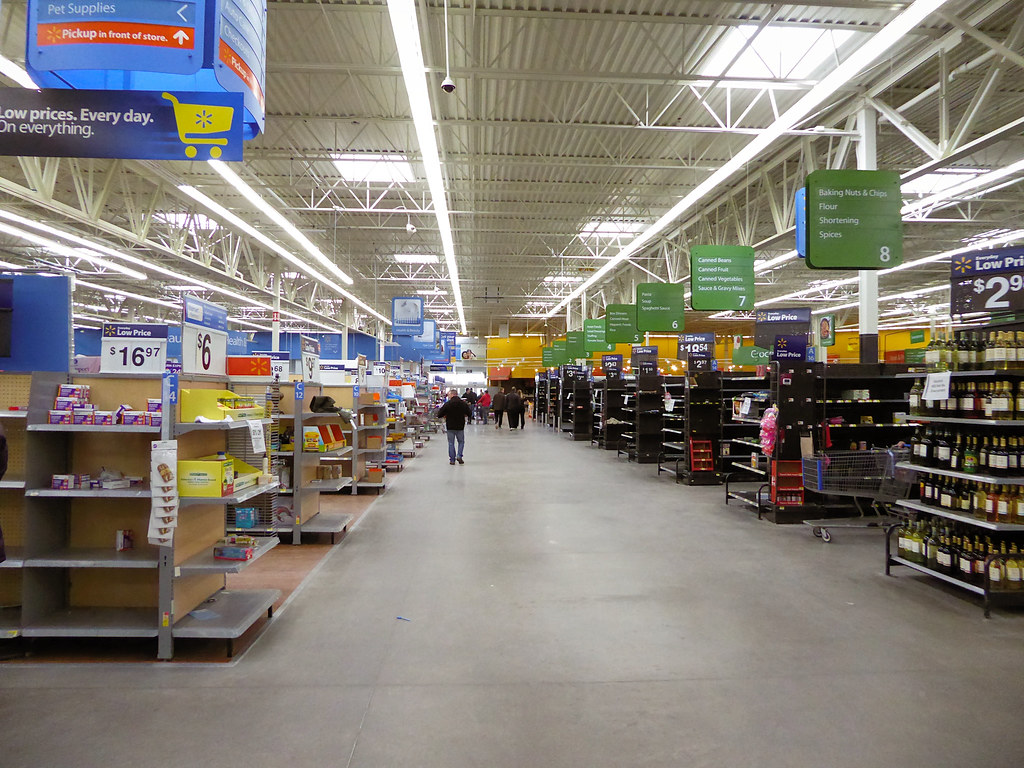
A new wave of store shutdowns is spreading across the US retail and restaurant landscape in 2026, but the bigger story is not just how many locations are disappearing. It is which kinds of chains are shrinking, why they are doing it, and what that says about how shopping is changing.
More than 1,400 locations have already been identified for closure by the end of the year, with apparel, department stores, fast food, groceries, and specialty retail all represented. At the same time, the broader market remains uneven: Core sight projects about 7,900 US store closures in 2026, even as some chains continue to open new locations.
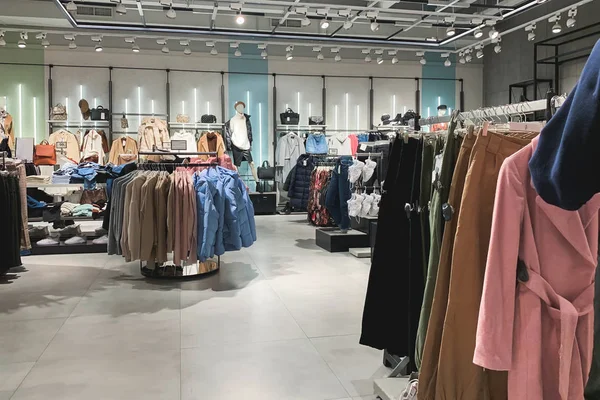
1. Francesca’s is facing the biggest retreat
Francesca’s accounts for the largest announced closure total on the list, with over 400 stores expected to shut down after the apparel retailer filed for Chapter 11 bankruptcy protection in February. The company said it would conduct going-out-of-business sales across its US fleet.
The chain’s collapse stands out because it had already gone through a previous bankruptcy in 2020. In a February statement, CFO Curt Kroll said, “This process provides a structured path to pursue the best outcome for all stakeholders.”
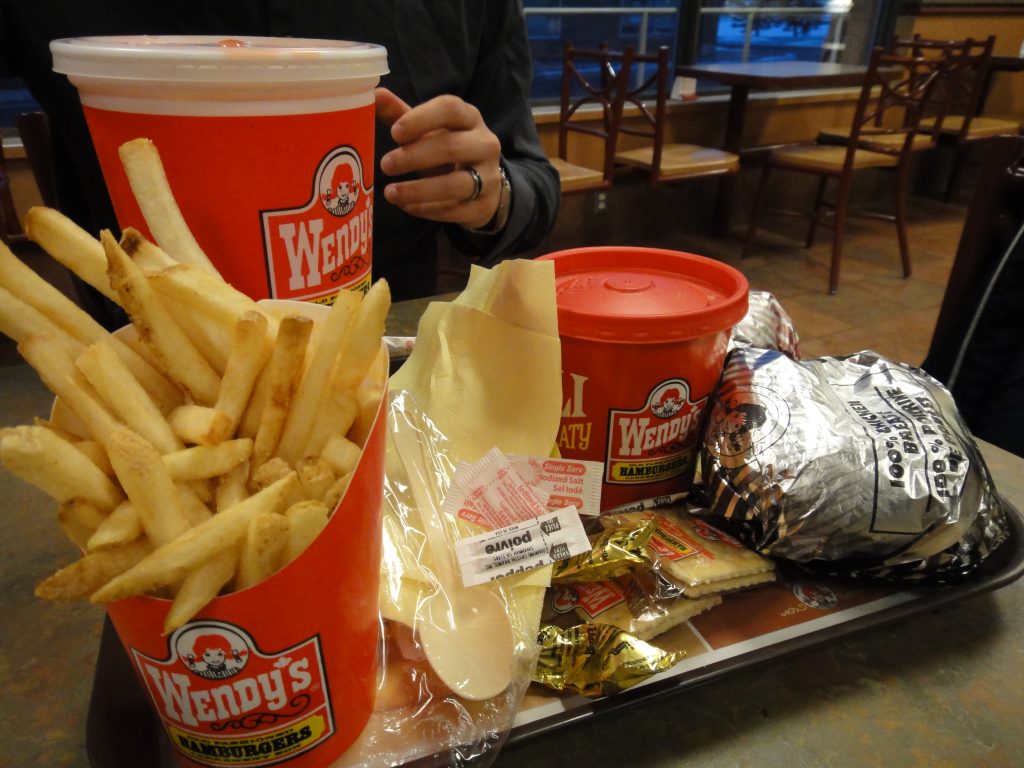
2. Wendy’s is cutting weaker restaurants, not exiting the market
Wendy’s plans to close about 300 underperforming US restaurants, with executives signaling that the closures are expected in the first half of 2026. The company framed the move around efficiency and portfolio quality rather than a broad pullback from fast food.
That distinction matters. Restaurant chains with huge footprints are increasingly using closures to trim older or weaker units while protecting stronger locations.
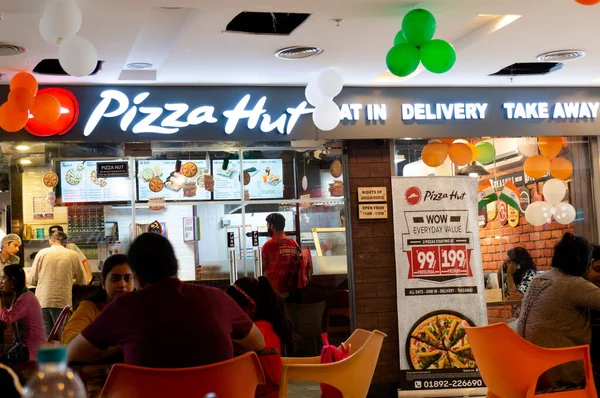
3. Pizza Hut is making another legacy-footprint reset
Pizza Hut is set to close 250 US stores during the first half of 2026. Parent company Yum! Brands described the plan as part of a long-term effort to strengthen the brand.
Large restaurant systems often carry older locations that no longer match current traffic patterns, delivery habits, or operating expectations. Pizza Hut’s decision fits that pattern of modernizing a brand by reducing weaker stores rather than abandoning physical presence altogether.
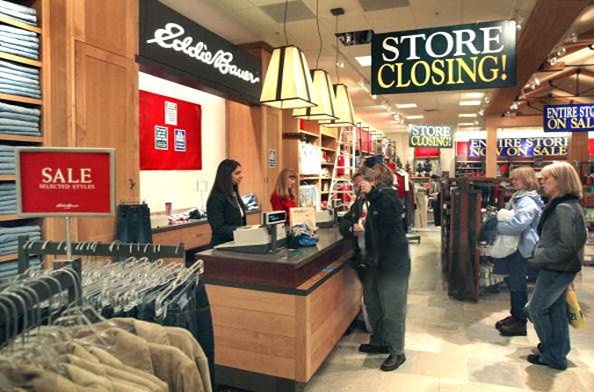
4. Eddie Bauer shows how bankruptcy can erase a store network quickly
Eddie Bauer is expected to lose 175 storefronts in the US and Canada after the operating entity behind the stores failed to secure a buyer during Chapter 11 restructuring. Liquidation sales have already been underway, with court filings indicating the process should wrap before late April.
This kind of closure wave tends to hit faster than a typical lease-by-lease downsizing plan. Once a buyer does not materialize, the entire physical footprint can unravel in a matter of weeks.

5. Department stores are still shrinking, but not for the old reasons alone
Macy’s plans to close 80 more stores by the end of 2026, while Saks Fifth Avenue is closing 20 locations and Neiman Marcus is shedding 4 stores. Saks Off 5th is also set to close 57 outlets.
The old assumption was that department stores were simply losing to e-commerce. The newer picture is more selective. As about 80% of retail still happens in stores, many chains are now closing locations tied to operational strain, weak productivity, or bankruptcy pressure while concentrating on stronger sites and digital support.
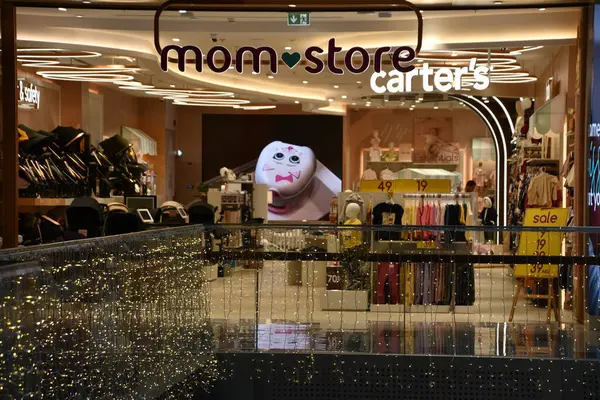
6. Children’s retail is getting smaller on purpose
Carter’s said about 100 stores are expected to close by the end of 2026 as part of a longer three-year plan. The retailer has tied the strategy to lease expirations and a broader push to streamline its store base.
This is a quieter kind of retrenchment than a bankruptcy filing, but it reflects the same pressure to reduce low-margin space and focus on locations that perform consistently.
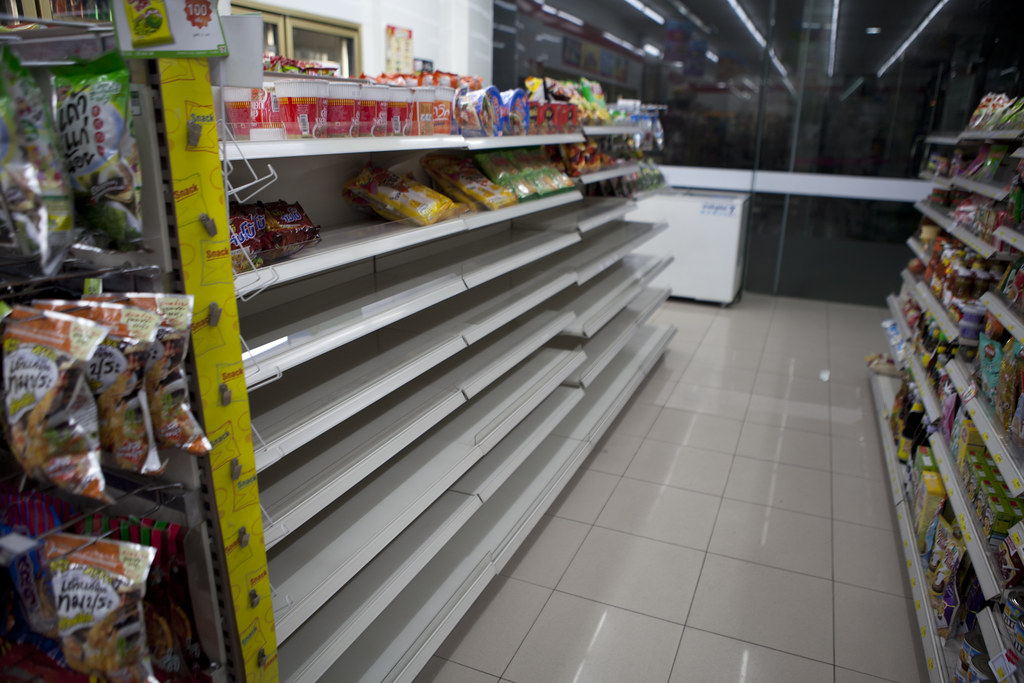
7. Grocery closures reveal how expansion can backfire
Kroger plans to close 60 unprofitable stores, while Grocery Outlet is shutting 36 underperforming locations. Grocery Outlet’s explanation was especially direct after its rapid push into Eastern states.
CEO Jason Potter said, “However, it’s clear now that we expanded too quickly and these closures are a direct correction.” The chain also said retail real estate supply is tightening, which adds pressure to make each location count. Grocery remains essential, but essential does not mean every store is viable.
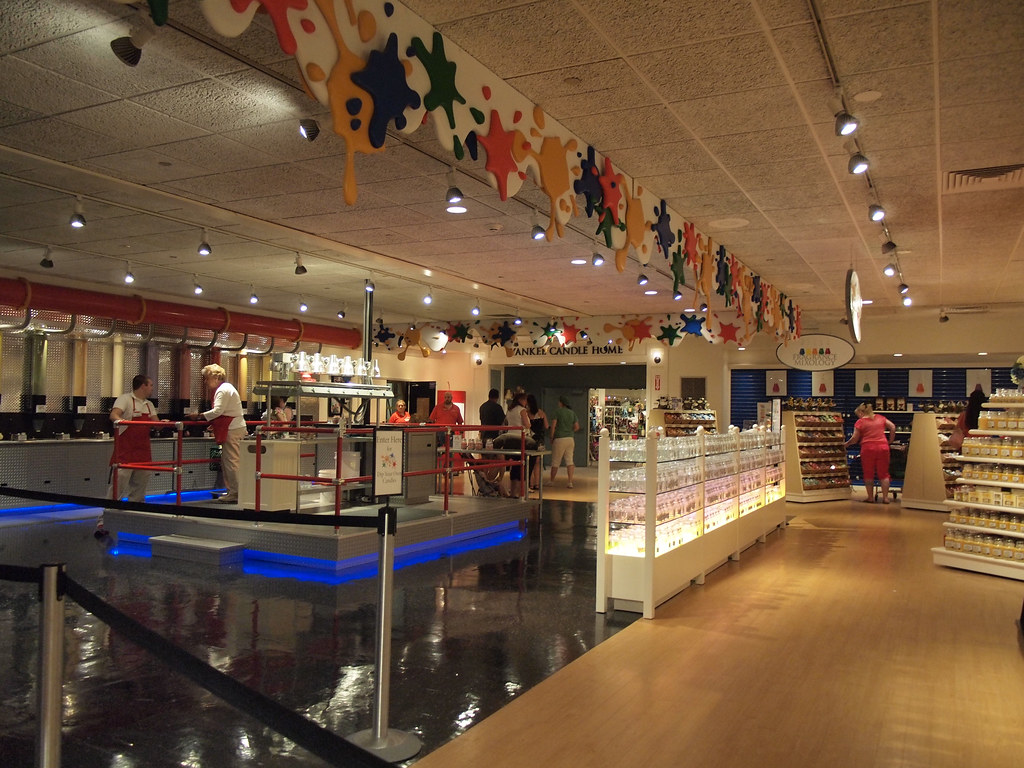
8. Specialty chains are pruning even while stores still matter
Yankee Candle is closing 20 stores, and REI confirmed 3 store closures, including locations in New Jersey, New York City, and Boston. These are relatively small numbers compared with the mass shutdowns higher on the list, but they show how even well-known niche brands are reassessing expensive or underperforming sites.
That does not mean stores are obsolete. According to L.E.K. Consulting data cited in 2025, 64% of Gen Z shoppers prefer in-store shopping. Physical retail is still relevant, but chains are becoming less tolerant of locations that do not add convenience, brand visibility, or profit.

The 2026 closure list points to a retail system that is getting leaner rather than disappearing. Chains are cutting weak stores, landlords are reworking space, and shoppers are still moving between digital orders, returns, quick trips, and in person browsing.
For local communities, the effect can still be immediate. When a familiar store closes, the loss is not just a storefront. It can change traffic patterns, reshape a shopping center, and leave nearby businesses adjusting to a very different retail map.

