
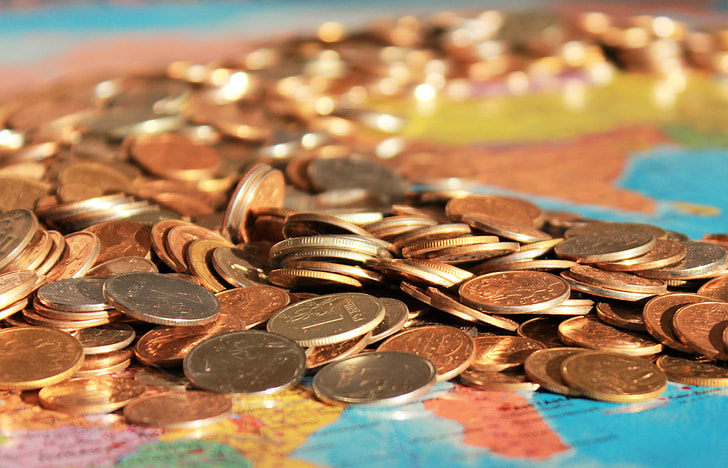
A coin jar can look ordinary right up to the moment it does not. In American coin collecting, a few dates, mint errors, and overlooked designs still pull serious attention because they combine history, scarcity, and the slim chance of turning up where nobody expects them.
That appeal has only grown as older cents and quarters receive fresh scrutiny. With penny production ending in 2025, collectors have become even more attentive to Lincoln cents, especially coins tied to famous mistakes, low mintages, or unusual metal mixes.
1. 1969-S Lincoln cent with doubled lettering
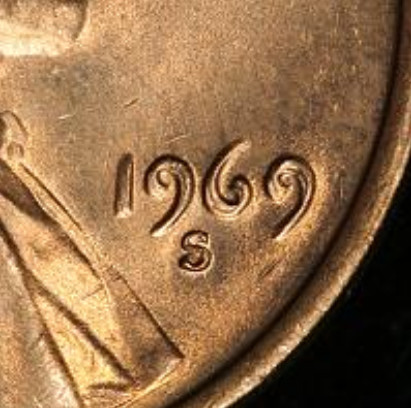
This is the kind of error coin that can be recognized without advanced tools. Genuine examples show strong doubling on the date, LIBERTY, and IN GOD WE TRUST, a feature documented as visible without magnification. Only about 100 examples are believed to have entered circulation, which explains why collectors treat it as one of the standout modern U.S. errors. A certified specimen brought $126,500 at auction, while worn examples can still command five figures. The warning attached to this coin is almost as famous as the coin itself: counterfeits and altered pieces are common, so authentication matters.
2. 1955 doubled die on Lincoln penny
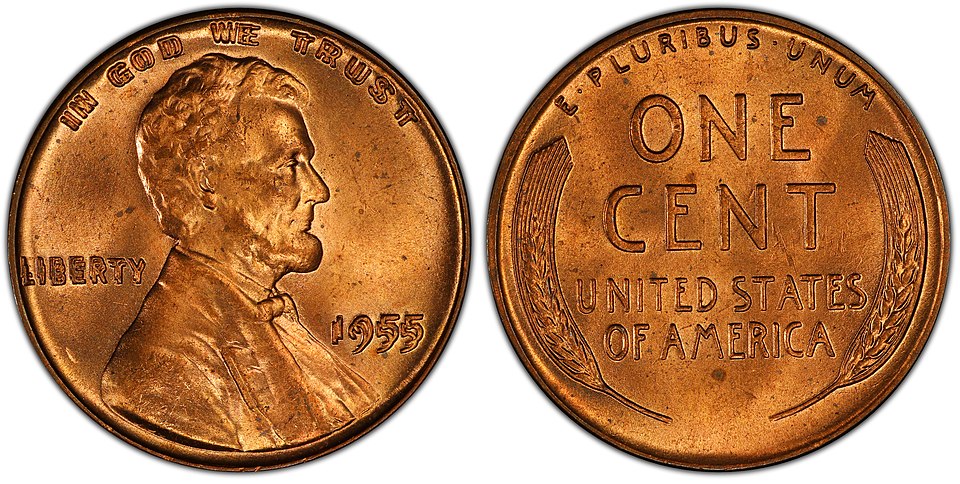
Few U.S. error coins are as recognizable as the 1955 doubled die cent. The front of the coin shows obvious doubling in the date and lettering, creating a look that even non-collectors sometimes notice immediately. What gives it lasting status is not just the mistake but the way it escaped into circulation in meaningful numbers before the problem was caught.
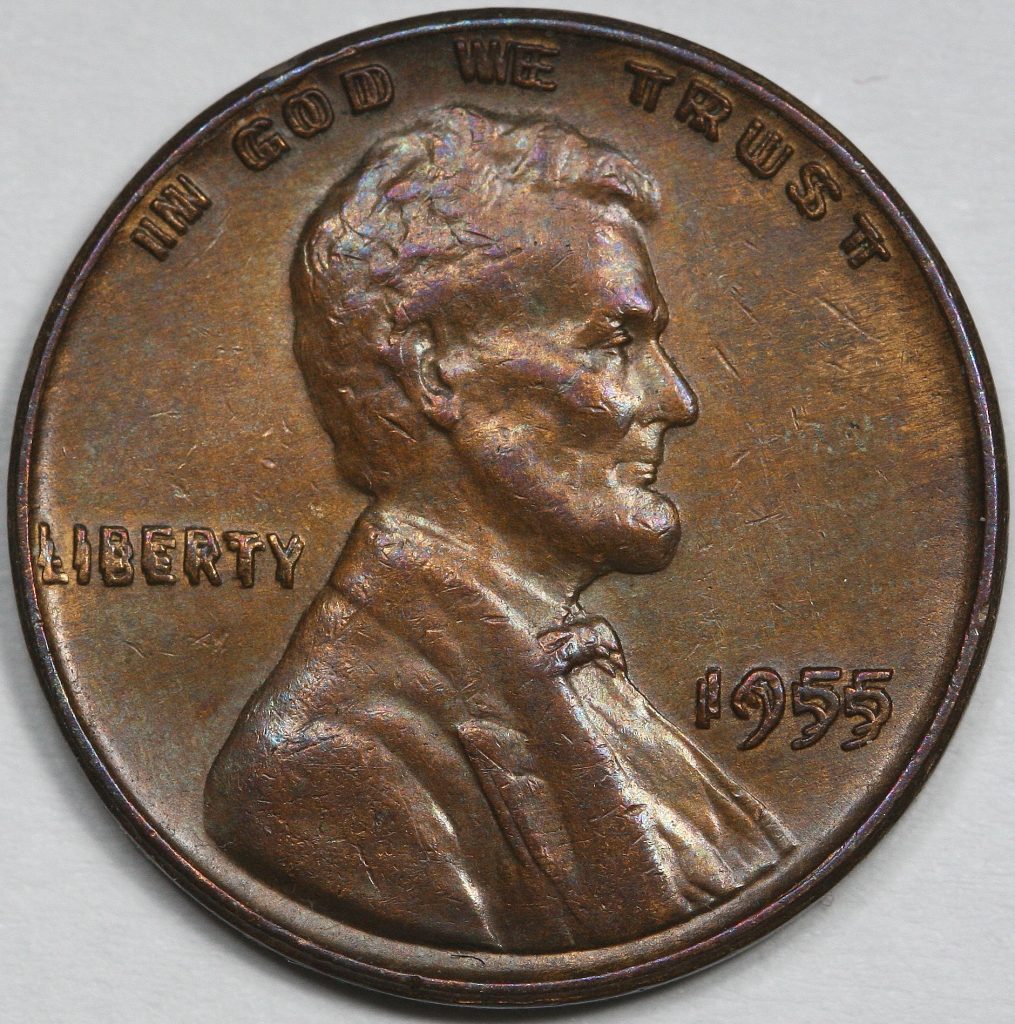
That combination made it famous rather than merely rare. Strong examples can sell for tens of thousands of dollars, and even circulated pieces often attract major interest because the visual effect is so dramatic.
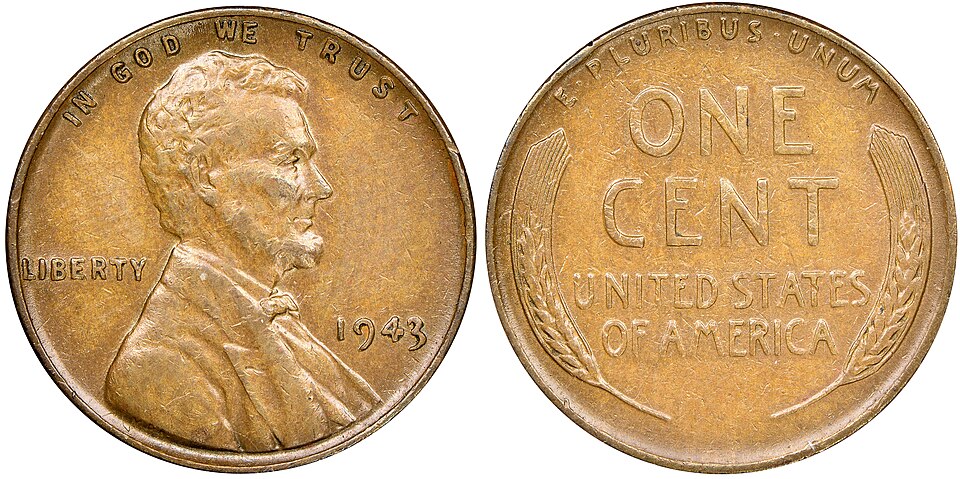
3. 1943 bronze Lincoln cent
Any 1943 penny deserves a second glance. That year, most cents were made from steel, so a bronze-colored 1943 piece stands out for a reason. A tiny number were accidentally struck on leftover bronze planchets instead of wartime steel blanks. Known examples from Philadelphia, Denver, and San Francisco have sold for extraordinary prices, including a $840,000 1943-D bronze cent. Because ordinary 1943 steel cents are common by comparison, color and weight become crucial clues when checking one of the most talked-about pennies in American collecting.
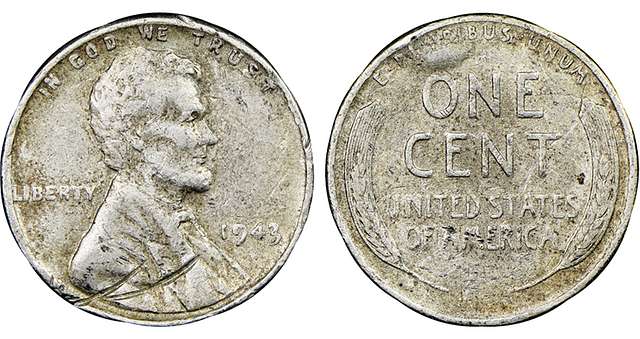
4. 1944 steel wheat penny
The reverse mistake happened a year later. In 1944, cents returned to a copper-based composition, but a few were struck on leftover steel blanks from 1943. That error produced one of the hobby’s best-known wrong-metal coins. Fewer than 10 examples of the 1944-D steel cent are cited in collector references, and one has sold for more than $115,000. Like the 1943 bronze cent, this is a coin where magnet tests, weight, and professional review can make the difference between an ordinary find and a major rarity.
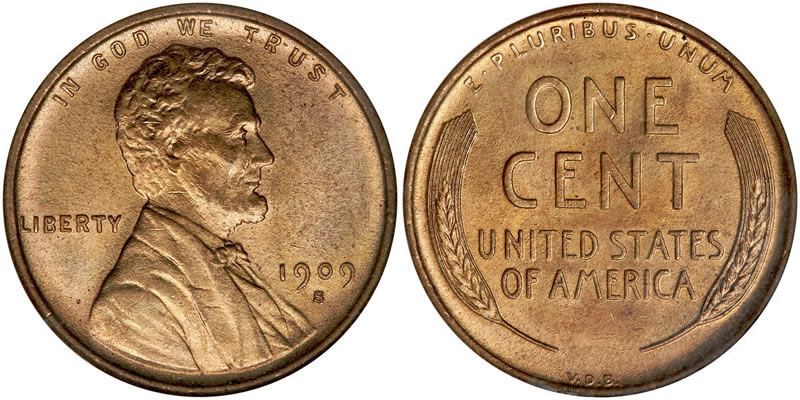
5. 1909-S VDB wheat penny
This first-year Lincoln cent carries a backstory that remains central to its appeal. The initials of designer Victor David Brenner appeared on the reverse, then became controversial enough that the design was changed, leaving the San Francisco version with a notably limited mintage.
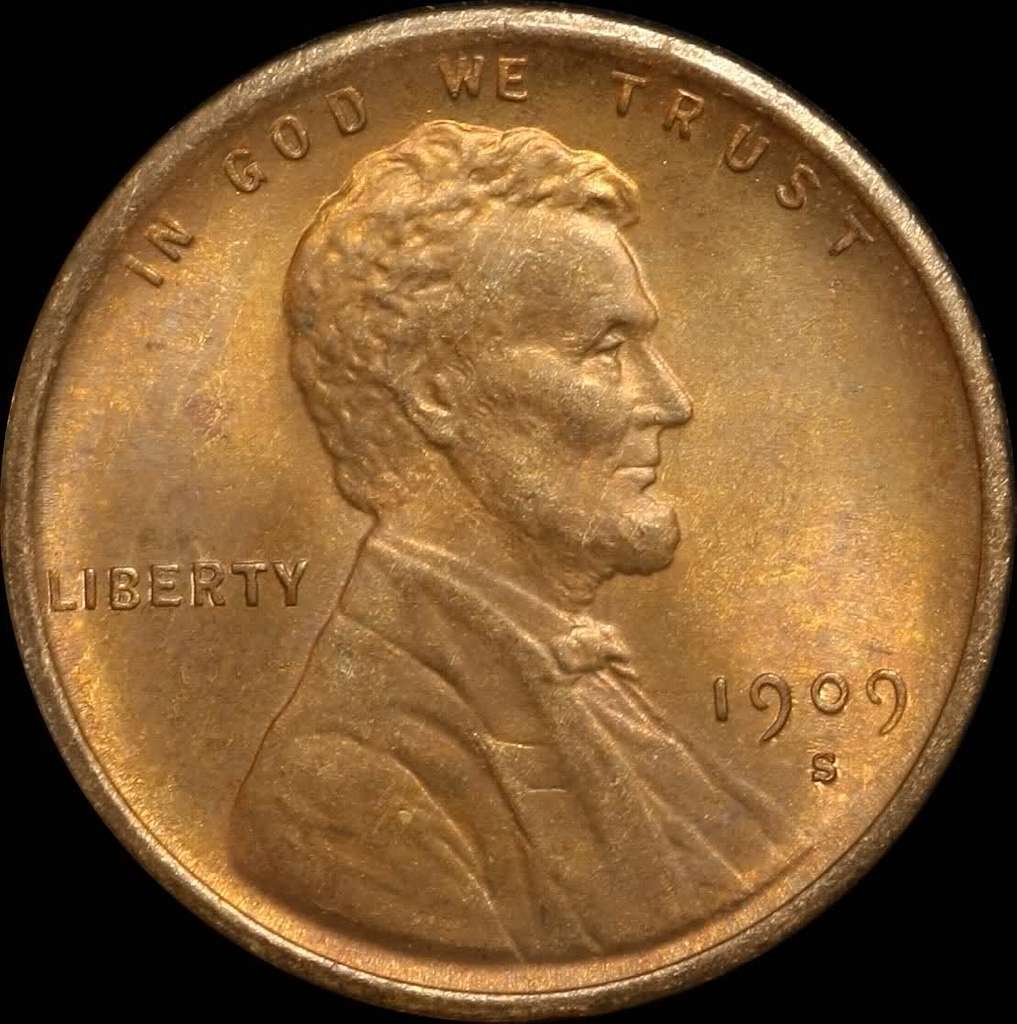
About 484,000 coins were struck, and survivors in strong condition are especially prized. High-grade examples have sold for more than $90,000. Unlike dramatic error coins, this one depends on date, mintmark, and design detail, which makes careful reading of the coin more important than a quick glance.
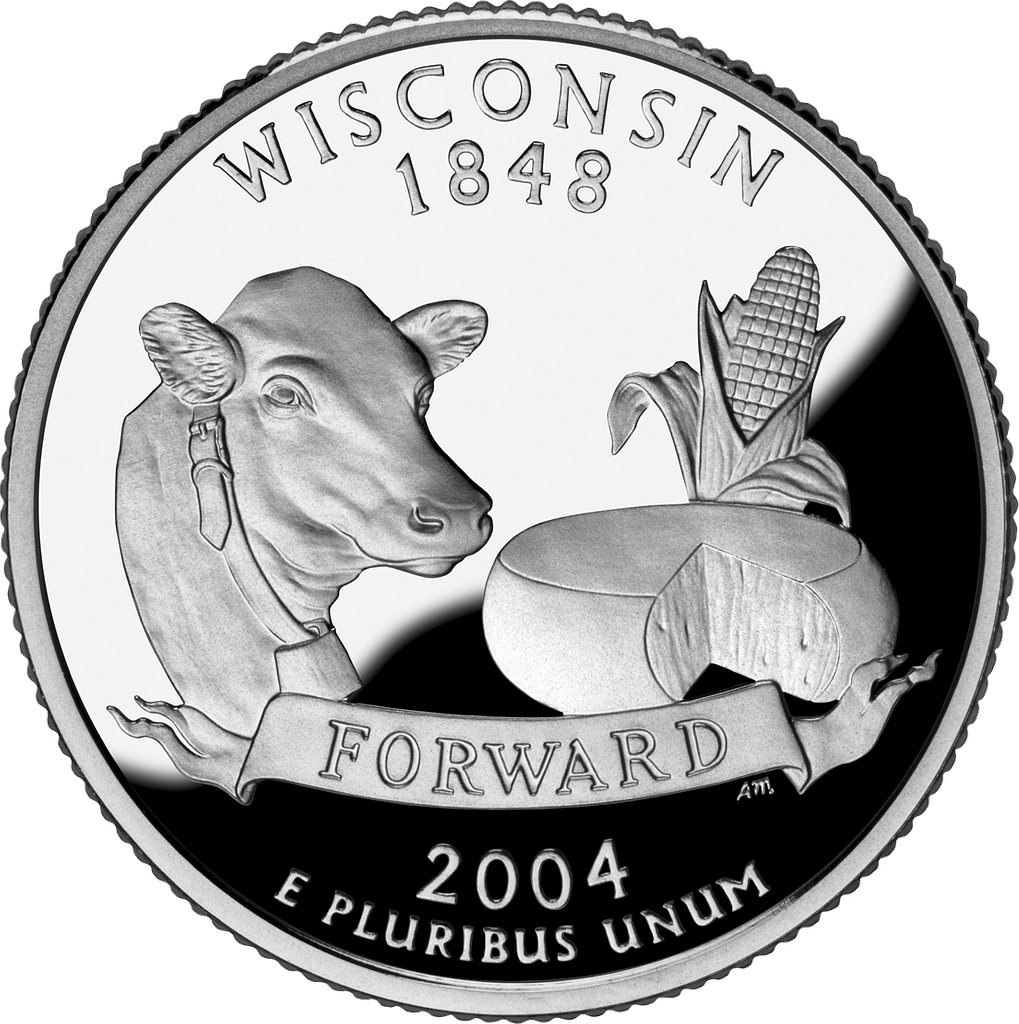
6. 2004-D Wisconsin quarter with an extra leaf
Not every valuable circulating coin is a penny. The Wisconsin state quarter produced one of the better-known modern quarter errors when some Denver pieces appeared with an added leaf near the ear of corn on the reverse. Collectors usually separate them into High Leaf and Low Leaf varieties. The raised feature is not part of the normal design, and examples found in circulation became famous for selling for several hundred dollars. It remains a favorite among people who search rolls because the error is visible and the quarter is modern enough to feel plausibly discoverable.
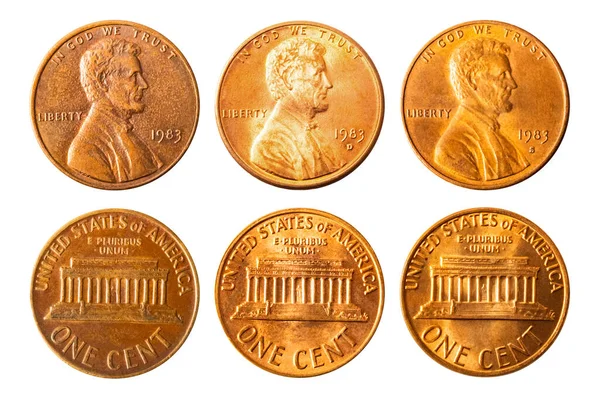
7. 1983 doubled die reverse cent
The 1983 cent looks common at first, which is part of its appeal. On the valuable variety, the reverse shows noticeable doubling, and the year itself matters because 1983 sits near the composition transition period for Lincoln cents. Some sources estimate roughly 5,000 doubled die reverse examples among the billions struck that year. Values often range into the thousands depending on condition. Collectors also watch for heavier 1983 cents struck on older copper planchets, making this date one of the more interesting places where ordinary pocket change can still reward a closer inspection.
What ties these coins together is not just value. Each one carries a story about how U.S. coins were designed, produced, or accidentally altered before entering daily life. That is why change jars, old penny rolls, and inherited coin folders still hold attention. Most finds will remain ordinary, but the small chance of spotting a doubled word, an unusual metal color, or a famous mintmark keeps the hunt alive.

