

Small antiques rarely look dramatic at first glance. They sit in drawers, sewing baskets, desk trays, and china cabinets, often dismissed as decorative leftovers from another era.
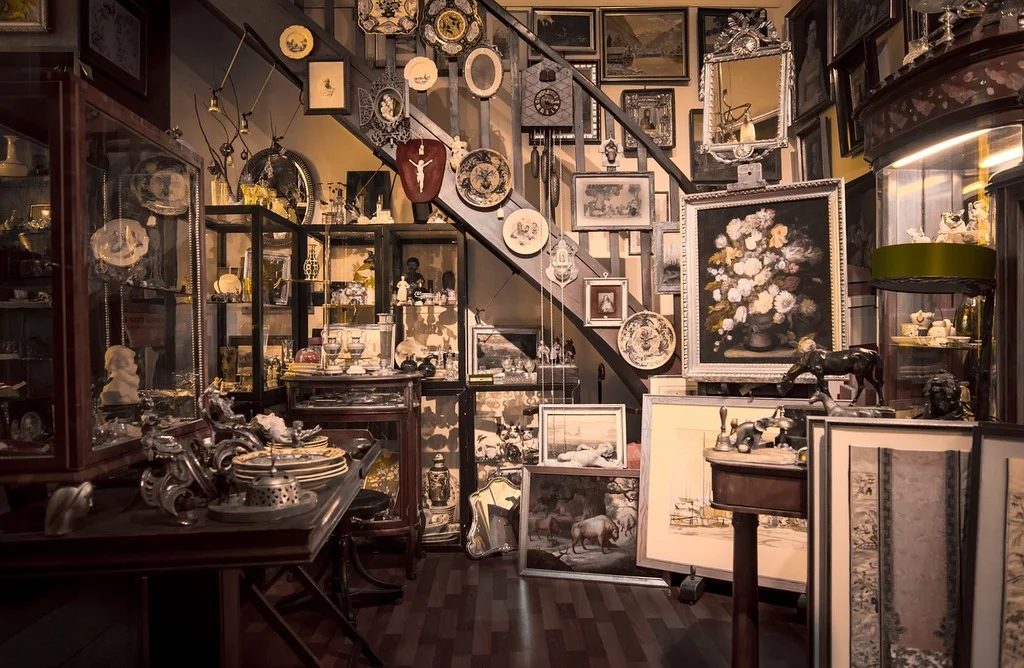
Yet compact objects can carry outsized appeal because they combine craftsmanship, easy display, and a story that is simple to grasp. In many categories, value comes down to a few familiar traits: rarity, condition, authenticity, maker marks, and demand.
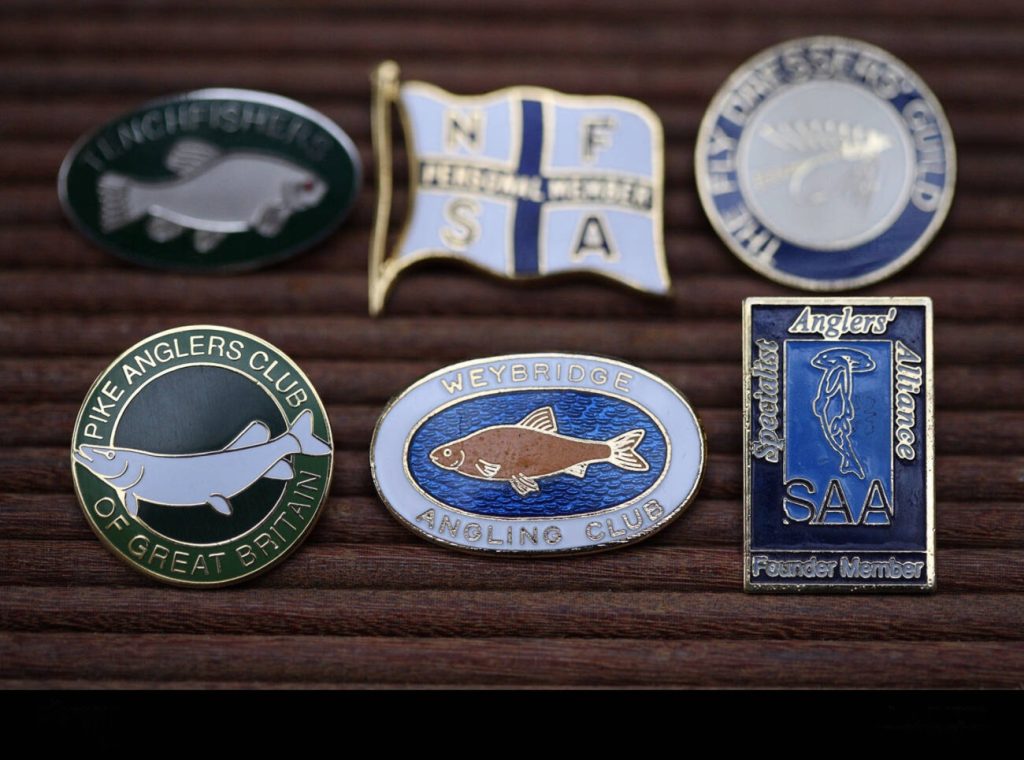
1. Fishing license badges
Early fishing licenses were not paper slips tucked into a wallet. Many were metal badges meant to be worn, which helps explain why good survivors are harder to find than their size suggests. Sun exposure, lost fasteners, rubbed paint, and bent metal often separated ordinary examples from the pieces collectors want.
Common badges can trade in the $20 to $100 range, while scarcer regional issues can move much higher. Southern examples, especially those with sharp color and readable text, have been known to reach around $500. The strongest pieces usually still have legible dates, intact hardware, and minimal surface damage.
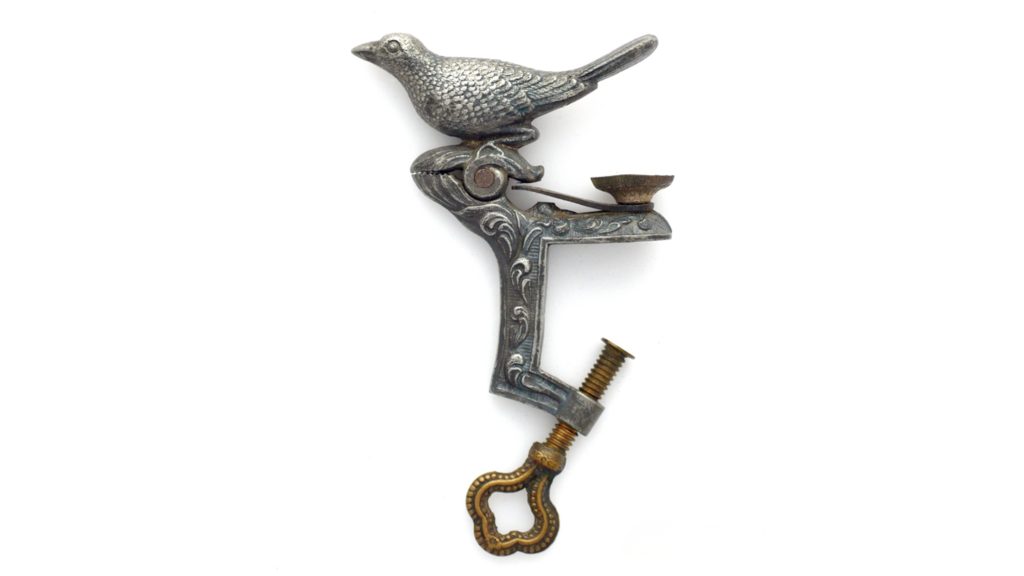
2. Sewing birds and antique sewing clamps
Sewing birds were practical tools, but they also had personality. Clamped to a table, they held fabric steady while hand sewing, acting like an extra hand. The form became decorative fast, with birds joined by animals and figural designs that turned a work tool into a keepsake.
In the United States, a sewing bird was patented in 1853, and vintage examples often land in the $75 to $200 range. Value rises when details survive: original clamp mechanisms, complete cushions, crisp casting, and unusual shapes. Because sewing tools were heavily used, condition matters sharply here. Even small losses can change how collectible a piece feels.
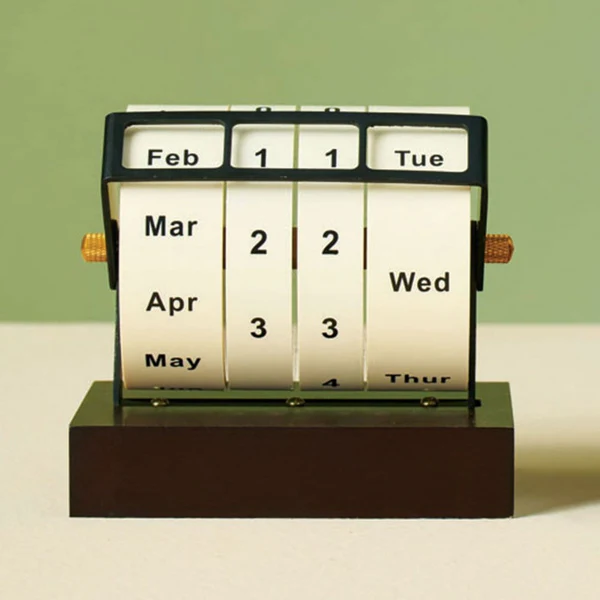
3. Perpetual desk calendars
Perpetual calendars have the kind of appeal that modern desks still make room for. They are mechanical without being complicated, useful without needing batteries, and decorative without trying too hard. That mix gives them staying power with collectors and with people drawn to tactile routines.

Manual desktop versions became especially popular in the early 20th century, and the better ones still stand out for materials and design. Edwardian wooden models with turn knobs can reach up to $1,000, while many brass midcentury examples sell closer to $50 to $200. A calendar with a smooth mechanism, complete date pieces, and a handsome case tends to outshine one that is older but damaged. As antique specialists often note, age helps, but it rarely beats condition and design.
4. Miniature duck decoys
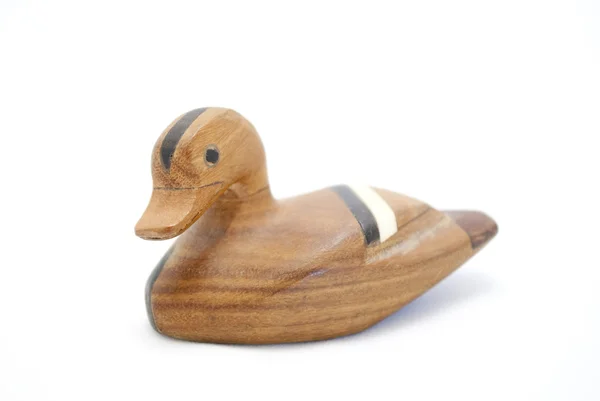
Miniature decoys prove that folk art does not need much space to make an impact. Often measuring five inches or less, these small carvings condense the appeal of larger hunting decoys into something that can sit on a shelf like sculpture.
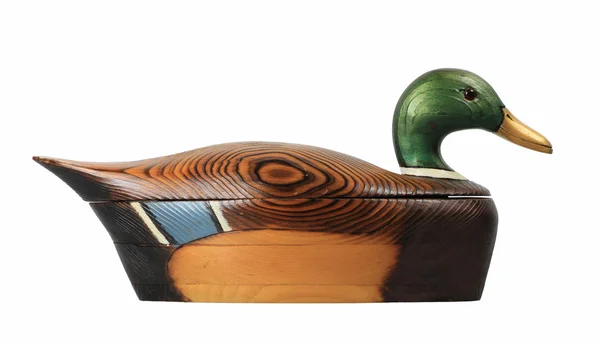
Hand-carved miniatures can bring up to $5,000 when carving quality, paint, and provenance align. The wider decoy market helps explain that interest. An Elmer Crowell wood duck brought $504,000 at auction, showing how seriously collectors treat the category. More modest examples still benefit from the same basics: confident carving, original paint, one-piece construction, and a signature or date when present. Even folk-art pieces that are not elite rarities can fall in the $150 to $300 range.
5. Silver toast racks
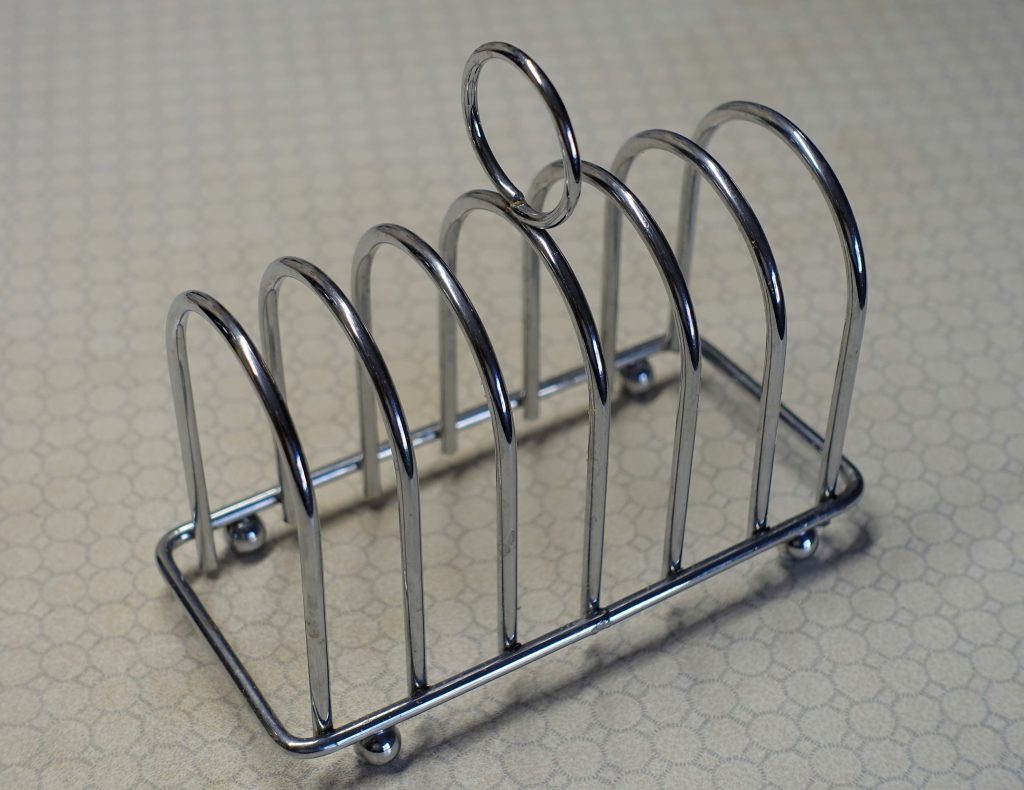
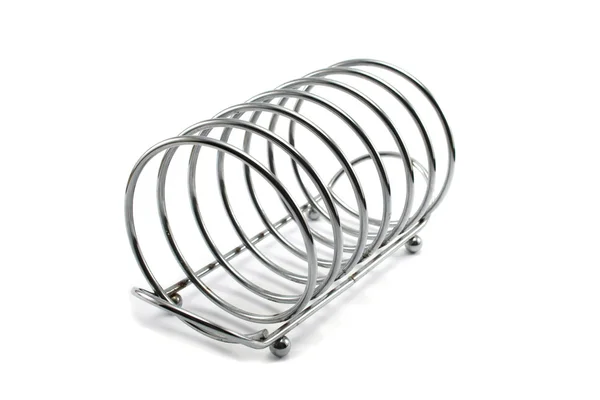
Toast racks were designed for one very specific household problem: keeping toast upright so it stayed crisp. That narrow purpose is part of the charm now. Their repeating arches and handles also make them easy to reuse as letter holders, napkin organizers, or desk accessories.
Some examples sell for more than $550, particularly when material and markings support the piece. Sterling usually carries stronger interest than silver plate, and collectors pay close attention to hallmarks and maker stamps. Those marks help confirm silver standard, origin, and sometimes the workshop behind the item. On a piece this small, clean lines and clear marks leave very little room for weak craftsmanship to hide.
The pattern across all five categories is straightforward. Tiny antiques tend to perform best when they are complete, easy to identify, and specific enough to stand apart from lookalikes.
A badge with sharp lettering, a sewing clamp with its mechanism intact, a calendar that still works, a decoy with strong paint, or a toast rack with readable marks can all punch above their size. In family homes, estate boxes, and thrift-store shelves, that is often where overlooked value begins.

