
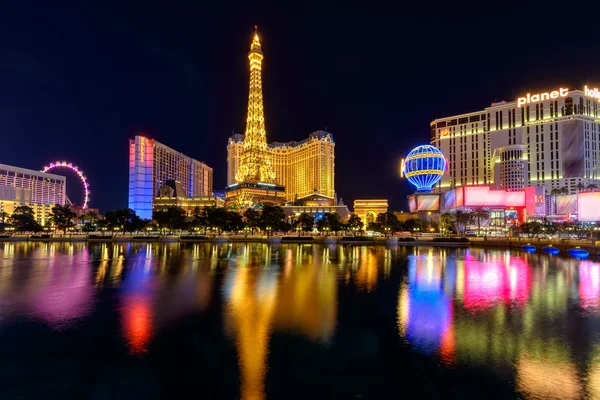
Las Vegas still draws younger visitors, but their itineraries no longer revolve around long casino sessions. The shift is less about abandoning the city entirely and more about changing what counts as a night out.
Recent visitor data shows a destination in transition: younger guests are spending less time and money on gaming while putting more energy into dining, shows, sports, nightlife, and other immersive experiences. The result is a different version of Las Vegas, one where casinos are part of the backdrop instead of the main event.

1. Gambling is no longer the main reason for the trip
Younger visitors increasingly treat gambling as an optional activity rather than the centerpiece of the vacation. One industry observer summed it up plainly: “People aren’t coming to Las Vegas to gamble anymore. They are gambling when they’re in Las Vegas.” That distinction matters because it changes how nights are planned, how money is spent, and how much time ends up on the casino floor.
The city’s own visitor profile reflects that shift. In 2023, average time spent gaming decreased by 9.5 percent from 2022, even though gambling remained a common activity overall.

2. Phones have replaced part of the casino ritual
For many younger adults, betting no longer requires travel. Sportsbooks and gambling apps have made wagering a routine digital behavior, stripping away some of the novelty that once belonged to Las Vegas. The convenience is hard to ignore when a bet can be placed at home, on a couch, or during a commute.
The broader market helps explain the behavioral change. In one estimate, the U.S. online gambling market in 2024 was estimated at $12.68 billion. At the same time, legal sports betting has expanded across much of the country, making in-person casino nights less essential for people who primarily want action on a screen.

3. Experiences now compete better for the same budget
Younger travelers are still spending in Las Vegas, but the money is moving elsewhere. Food, beverage, concerts, sporting events, pool parties, and immersive attractions now deliver more social value than rows of slot machines for many visitors.
That reallocation is visible in spending patterns. Millennials spent $768 on gambling and $637 on dining, while Gen Z spent $575 on gambling and $541 on dining, according to reporting on changing visitor habits. City data also found that combined spending on food, drink, shopping, and sightseeing reached $1,410 per trip in 2023, well ahead of the average gambling budget.

4. Price sensitivity makes casino nights less appealing
Casino nights rarely exist in isolation. They are tied to hotel bills, drinks, dining, parking, and resort fees, all of which affect whether a younger traveler sees the outing as worth it. That value calculation has become sharper as younger adults face tighter budgets and more alternatives.
Tourism leaders have openly acknowledged the issue, with “a value conversation” shaping discussions around the Strip. A generation that compares every expense against other trips, festivals, and weekend getaways is less likely to treat a casino night as an automatic splurge.

5. Drinking less changes the whole nightlife equation
Traditional casino culture has long overlapped with heavy drinking, lounge culture, and late-night bar spending. Younger generations are moving in a different direction. That changes not only what they buy, but also which environments feel appealing in the first place.
One cited survey found that roughly 38% of adults under 35 identify as fully abstaining from alcohol. When alcohol plays a smaller role, the old Vegas formula of gaming, cocktails, and bottle-service energy loses part of its pull.
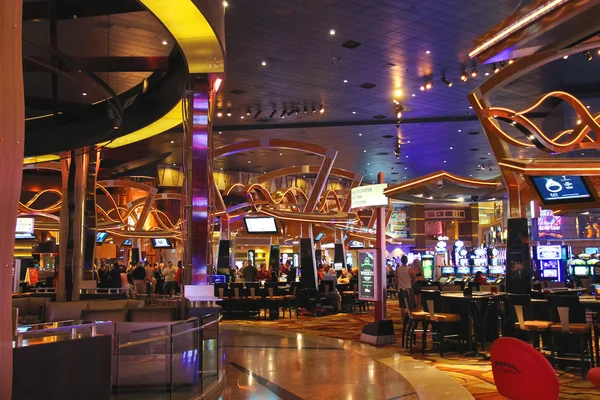
6. Casino branding can feel dated to younger audiences
Las Vegas still carries powerful imagery, but some of its classic symbols do not land the same way with Gen Z. Marketing built around showgirls, old-school slots, and glossy excess can read as artificial or out of sync with younger travelers who tend to favor authenticity, flexibility, and social experiences they can shape for themselves.
That generational mismatch has been described directly by critics of the city’s older image, who argue that the familiar casino-floor fantasy no longer feels future-facing to younger consumers.

7. Social media favors shareable moments over casino hours
A younger trip to Las Vegas is often organized around visibility: a dramatic restaurant entrance, a dayclub cabana, a sports event, an arts district stop, or a show that translates well into photos and short-form video. Casino floors are harder to package into that style of travel storytelling, especially when the activity itself is repetitive and often private.
Las Vegas operators have responded by investing in attractions designed around atmosphere and discovery. As one executive said, “The biggest differentiator now is that you can no longer offer a restaurant with just great food and great service. A successful restaurant now needs to offer more.”

8. Younger visitors still come to Vegas, just for different nights out
This is not a story of disappearance. It is a story of redistribution. Younger adults remain central to the city’s tourism base, and the average visitor has become younger over time. In fact, the average age of casino guests reportedly fell to 41.9, while millennials have become a dominant visitor group.
What changed is the balance of the trip. Shows, sporting events, nightlife formats, dining, and Downtown exploration now claim a bigger share of attention, leaving casino nights as one option among many instead of the headline attraction.
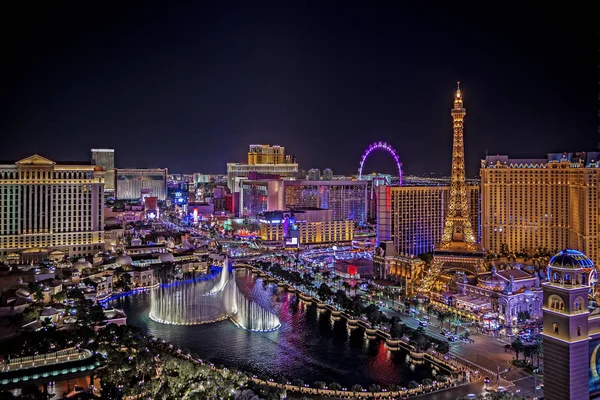
Las Vegas is still attracting younger travelers, but their preferences are reshaping what the destination means after dark. The city’s future appears tied less to preserving the old casino ritual and more to fitting gaming into a broader menu of experiences. That makes the casino floor quieter in cultural terms, even when the city itself remains busy.

