
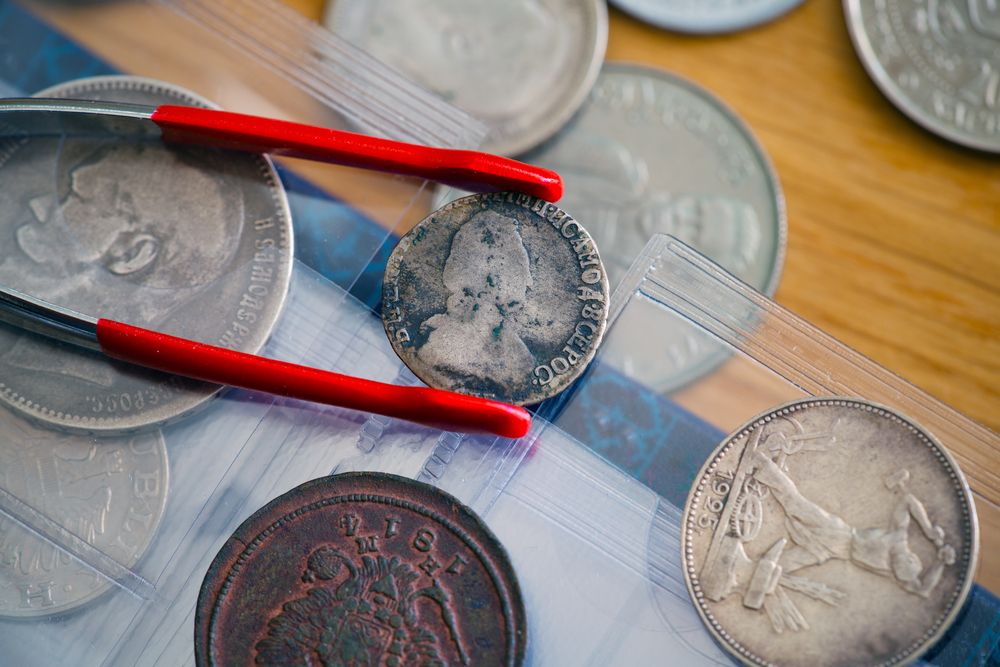
Most Lincoln cents pass through drawers, jars, and cash registers without a second look. A few dates, however, have trained generations of collectors to pause before dismissing a penny as spare change. The reason is not always age alone. Some pieces stand out because of a tiny mintmark, a brief design change, or a production detail that turned an everyday coin into a long-running object of attention. These are seven dates collectors routinely check first.
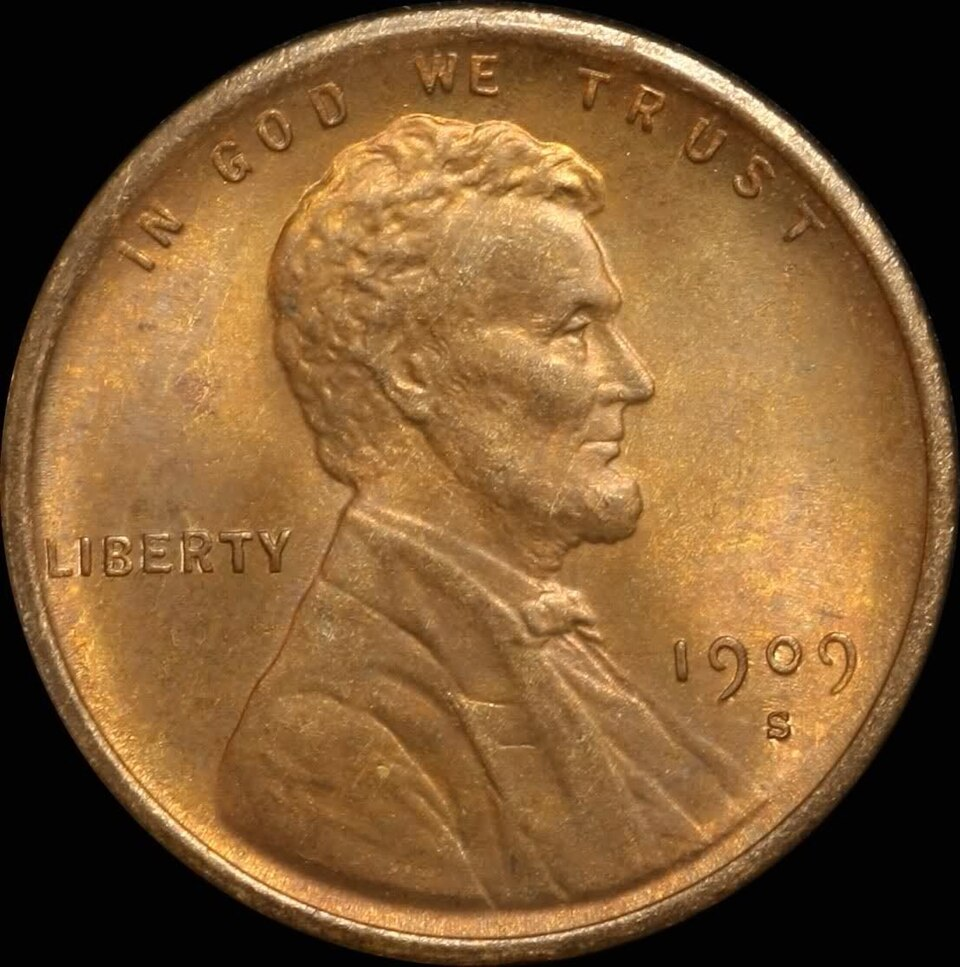
1. 1909-S VDB
This is the date that helped define the Lincoln cent series as a collector obsession. The coin combined two features that still command instant attention: the San Francisco mintmark and the designer’s initials, VDB, on the reverse. Only 484,000 were struck, according to the 1909-S VDB mintage.
Its appeal goes beyond numbers. The initials became controversial almost immediately after release, and the short production window gave the coin a built-in aura of scarcity. Collectors have treated it as one of the best-known American coins for decades, and its fame is strong enough that even newcomers often recognize the date on sight.
2. 1914-D
The 1914-D holds a different kind of reputation. It is widely regarded as the key early Wheat cent in Mint State, not simply because of its original output, but because truly choice survivors are much harder to find than the raw mintage suggests.
Denver struck 1,193,000 examples, yet the date has long demanded caution because it is among the most counterfeited Lincoln cents. A common trick has been to add a “D” mintmark to a Philadelphia issue, while other fakes have been made from altered 1944-D cents. Specialists look for diagnostics such as the smaller pre-1931 style mintmark, hub marks inside the 9, and the absence of VDB initials on the bust truncation, all noted in published authentication diagnostics for the 1914-D.
3. 1931-S
The 1931-S is a reminder that Depression-era coinage can carry unusual weight in the Lincoln series. Collectors have long watched this date because its low mintage made it stand apart from more routine early-1930s cents.
It is not as mythic as the 1909-S VDB or as heavily counterfeited as the 1914-D, but it remains one of the dates people check quickly in a group of Wheat cents. The appeal lies in its status as a recognized better date that often turns up in old accumulations.
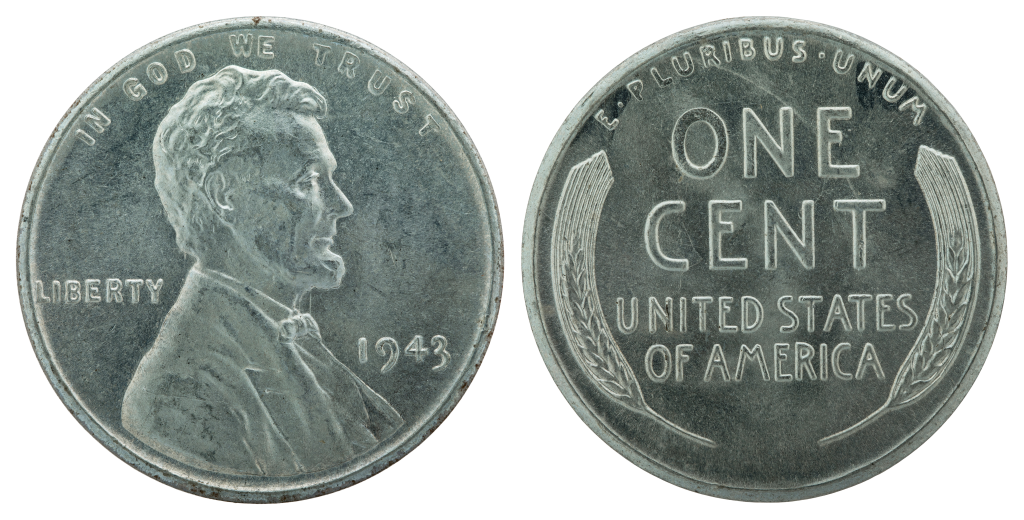
4. 1943
At a glance, the 1943 cent looks wrong, and that visual surprise is exactly why it gets noticed. Wartime composition changes shifted the familiar copper-colored cent to a steel issue, creating one of the most instantly recognizable departures in the series.
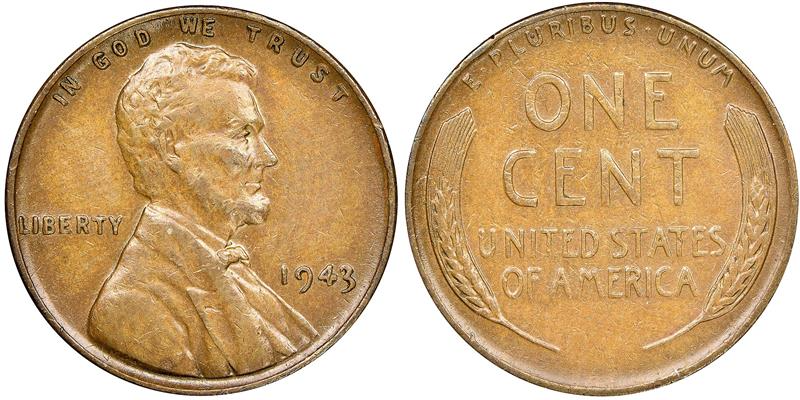
For many collectors, the date matters because it teaches a simple rule: when a Lincoln cent does not look like a normal penny, it deserves a closer look. The year is also tied to famous off-metal rarities, which keeps attention fixed on every 1943 cent that surfaces.
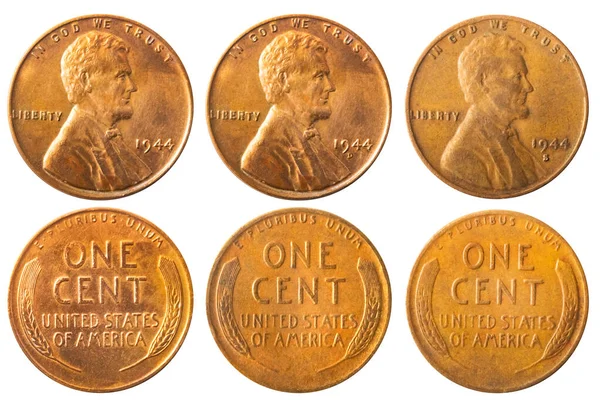
5. 1944
The return to a copper-colored appearance in 1944 makes this date easy to overlook, but collectors know it can sit next to one of the series’ most famous mistakes in reverse. After the steel cents of 1943, 1944 resumed the usual look, yet a tiny number of steel-planchet carryovers became legendary. That unusual overlap is one reason the date stays on checklists. It also appears in counterfeit discussions because altered 1944-D cents have been used to imitate scarcer dates, especially the 1914-D.
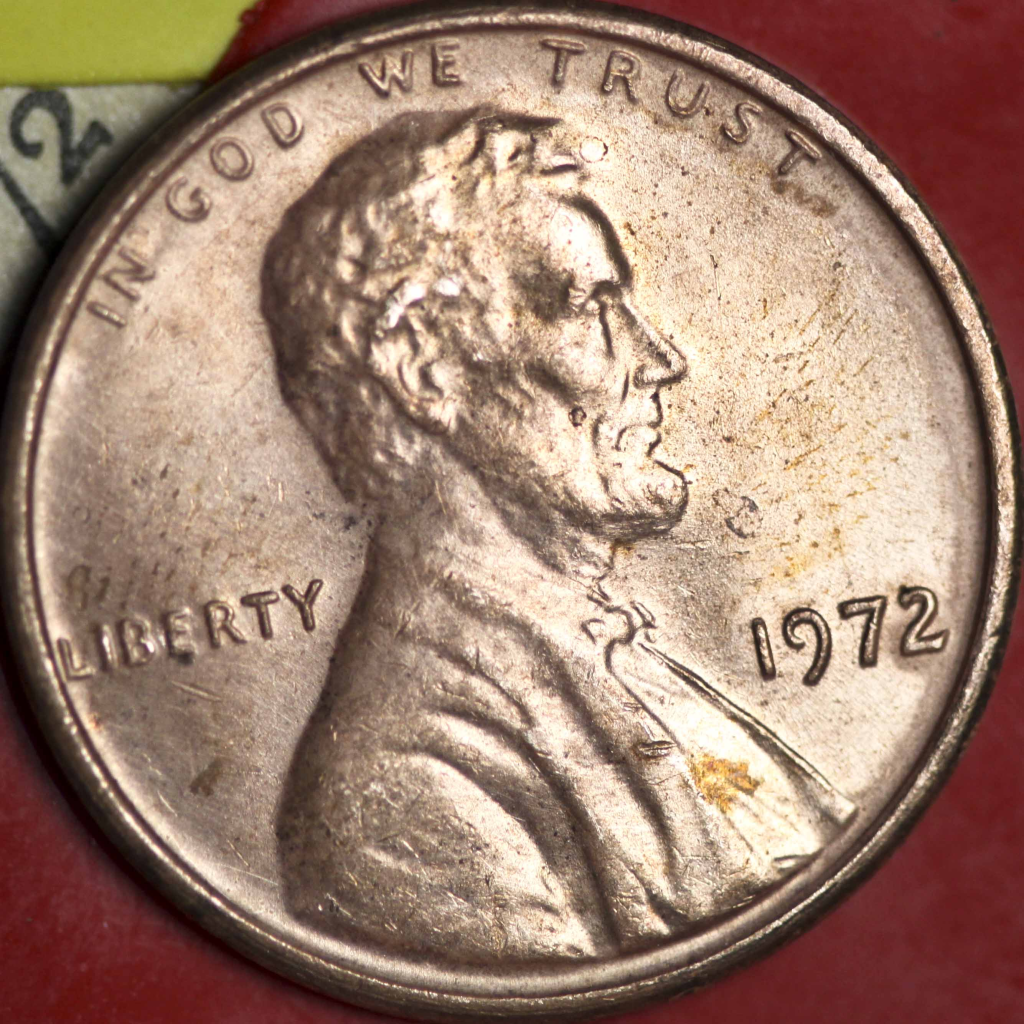
6. 1972
Not every important Lincoln cent comes from the Wheat era. The 1972 cent is closely watched because of its notable doubled die obverse, a variety that made ordinary pocket change worth inspecting under magnification. Collectors learned from dates like this that the series is not only about low mintages or old coins. A modern-looking cent can become collectible through striking anomalies, and 1972 remains one of the best-known examples of that lesson.
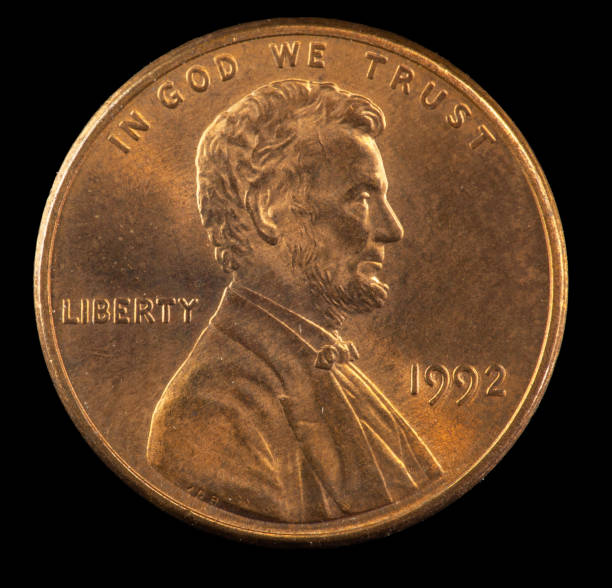
7. 1992
The 1992 cent helped shift attention toward spacing details in the reverse lettering. On select coins, the “Close AM” arrangement in AMERICA became a major identifier, proving that tiny design relationships can matter as much as a mintmark. That kind of variety changed how many hobbyists search rolls and inherited jars. Instead of looking only for age, they began checking for subtle format changes that were invisible to most people at first glance.
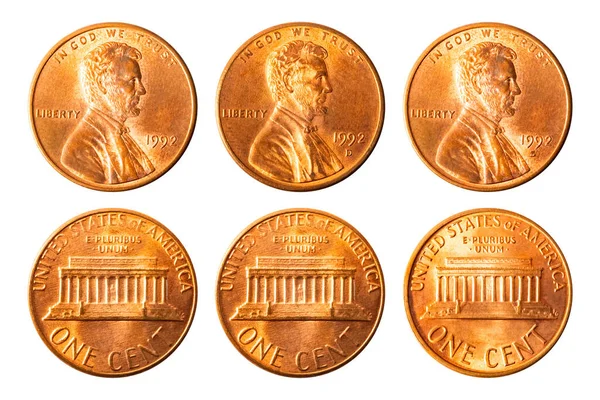
What ties these seven dates together is not a single story of rarity. Some are famous because of low mintages, others because of design controversy, unusual metal composition, or varieties that reward patience and a sharp eye. A Lincoln cent can still be ordinary. But dates like these explain why collectors rarely assume it is until they have looked twice.

