

Lottery fantasies usually center on freedom: paid-off bills, a quieter nervous system, a life no longer governed by scarcity. What gets less attention is the social aftershock. Sudden wealth often changes not only what a person can buy, but how other people relate to them, what they begin to hide, and which relationships stop feeling ordinary.
Psychologists and financial advisers sometimes describe this adjustment strain as sudden wealth syndrome, a term used for the anxiety, guilt, confusion, and isolation that can follow a rapid jump in financial status. The pattern appears repeatedly in stories of lottery winners whose losses were not only monetary, but personal.
1. Privacy can vanish faster than the money
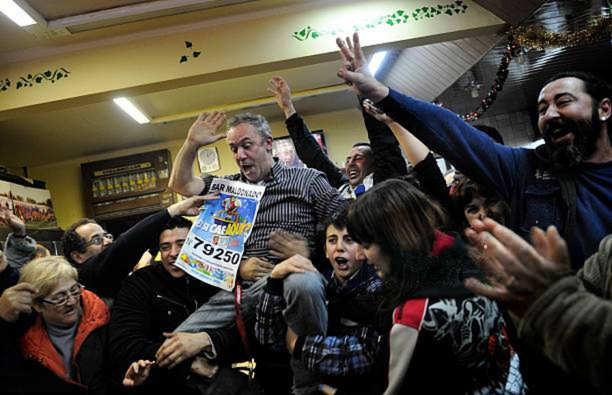
One of the most immediate regrets many winners describe is visibility. A jackpot can turn an ordinary person into a local legend, a public curiosity, or a target for requests. That shift alters daily life in subtle ways first, then in exhausting ones.
Evelyn Adams, who won the lottery twice, told The New York Times, “I was known, and I couldn’t go anywhere without being recognized.” Public recognition can sound flattering from a distance. In practice, it often means the winner is no longer meeting people on neutral terms.

2. Friends and relatives may begin treating generosity as an obligation
Money changes expectations. People who once made ordinary social plans may begin assuming the winner will pay, lend, rescue, or give. The pressure can arrive from strangers, but it often hurts more when it comes from family.
Former Powerball winner Timothy Schultz said a relative told him he had received “something for nothing” and therefore should keep giving money away. That dynamic helps explain why some winners feel less wealthy than cornered. Relationships that once rested on familiarity begin revolving around access.

3. Romantic trust can become unstable under sudden wealth
Lottery stories often expose how fragile intimacy can become when legal ownership, trust, and dependence collide. In one Canadian lawsuit, Lawrence Campbell alleged that after a $3.6 million winning ticket was redeemed in his then-girlfriend’s name, the relationship fell apart and the money became part of a court fight.
Older examples echo the same theme. Lara and Roger Griffiths saw their marriage collapse after a period of extravagant spending and personal upheaval. For some couples, the jackpot does not create conflict from nothing; it magnifies tensions that had not yet been forced into the open.

4. Secrecy can protect a winner and isolate them at the same time
Some winners decide that the safest move is silence. One jackpot winner described keeping a $22 million lottery win a secret from even close relatives to avoid handouts, pressure, and family strain. Privacy can preserve boundaries, but it can also introduce a new burden: constant self-monitoring.
Keeping a life-changing event hidden from children, parents, or siblings may prevent immediate conflict, yet it can also create emotional distance. The winner must filter purchases, explain lifestyle changes, and decide whether honesty will one day feel like betrayal delayed.

5. Identity can become strangely fragile after a windfall
Sudden wealth does not automatically produce confidence. For many people, it destabilizes self-understanding. Someone who has always known how to live within limits may suddenly have no familiar rules, no tested habits, and no clear story about who they are now.
This is one of the more overlooked forms of fallout. The problem is not only financial literacy, but identity strain: guilt over having more than others, embarrassment about unearned luck, fear of becoming a different kind of person, and confusion over whether old friendships still fit. Those pressures can encourage withdrawal, overcompensation, or impulsive spending meant to quiet discomfort rather than satisfy desire.

6. Public wins often invite legal and interpersonal disputes
Lottery jackpots can turn private disagreements into formal battles. Former winners have faced lawsuits from relatives, ex-partners, coworkers, lenders, and tax authorities. Once a large prize is visible, old verbal promises and loose assumptions can suddenly be treated as enforceable claims.
Americo Lopes was ordered to share winnings after coworkers argued they had all contributed to the ticket. Denise Rossi lost her entire jackpot in divorce litigation after failing to disclose it. The social lesson is clear: money does not just attract attention; it can reopen old relationships as contested transactions.

7. Lifestyle inflation can separate winners from their previous world
Luxury purchases often look like the central mistake in stories about financial collapse, but the social cost may be just as important. Bigger homes, expensive travel, and constant spending can move a winner into a new environment without giving them a stable place inside it.
Sharon Tirabassi, who once received more than $10 million Canadian, later described returning to ordinary life after years of lavish spending. That kind of rise and fall does not just alter a bank balance. It can leave a person disconnected from both the world they came from and the one they briefly entered.

8. Emotional overload can become its own form of risk
Some winners report that the hardest part was not choosing what to buy, but handling the intensity of the experience itself. Anxiety, insomnia, fear of loss, and paralysis over decisions can make abundance feel less like relief than like permanent exposure.
Advisers frequently respond with practical guidance: build a professional team, slow down major decisions, and create a structure before making gifts or investments. As financial adviser Eszylfie Taylor put it, “The goal wasn’t how much one makes but how much one keeps.” The deeper social point is that stability requires boundaries, and boundaries become harder to maintain when everyone around the winner feels newly entitled to a say.

Years later, the regrets many lottery winners describe are rarely limited to overspending. They often concern trust, exposure, resentment, secrecy, and the strange loneliness of becoming financially exceptional overnight. Money can remove hardship. It does not automatically preserve a person’s place in the social world they had before.

