

Church conversations often sound warm long before they become clear. A pastor may speak about belonging, vision, or care, while the question underneath remains unanswered.
That is why the hardest church questions are usually the most specific ones. As Church Clarity argues, broad questions about belief or welcome can leave plenty of room for ambiguity, while direct questions about policy and practice are much harder to sidestep.
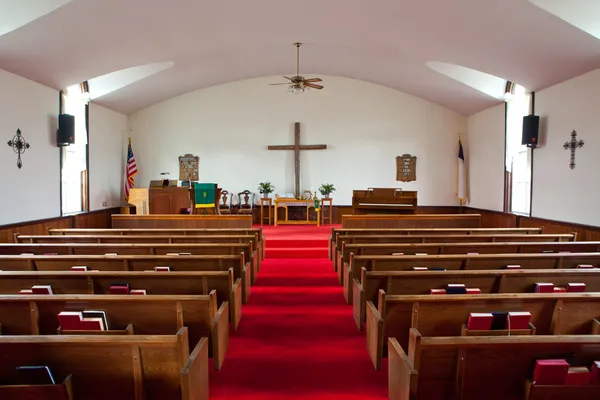
1. What are the church’s actual policies, not just its values?
Many churches describe themselves with generous language: welcoming, biblical, safe, inclusive, or family-centered. Those words can mean very different things from one congregation to another. A sharper question asks what is actively enforced in membership, volunteering, leadership, weddings, teaching, and pastoral care.
This puts pressure on clarity. It moves the conversation away from atmosphere and into practice, where a pastor has to explain what the church really does.

2. Can LGBTQ+ people be baptized, married, hired, or ordained here?
This question is difficult because it breaks one large issue into concrete decisions. A church may say everyone is welcome to attend, yet place restrictions on marriage, leadership, staff roles, or ordination. Asking about each area separately reveals whether welcome extends into participation.
The distinction matters. Church Clarity notes that churches often answer general questions about inclusion more easily than direct ones about baptism, marriage, and participation. Once those categories are named, vague language becomes harder to maintain.
3. Are women allowed to preach, serve as elders, or become senior pastor?
Questions about women in leadership often get wrapped in phrases like “equal in worth” or “supported in ministry.” Those phrases do not explain whether women can preach in the main service, sit on governing boards, or hold the highest office in the church.
A direct question demands a direct answer. It also exposes the gap between stated theology and visible practice, especially when leadership titles are open in theory but rare in reality.

4. What do the numbers in leadership actually look like?
Some of the most revealing questions are measurable. Rather than asking whether a church is egalitarian or balanced, a churchgoer can ask what percentage of staff and leadership is made up of women or non-binary people, and who currently holds the most influential roles.
Numbers do not explain everything, but they do limit abstraction. A church can talk broadly about shared leadership, yet the leadership chart may tell a more precise story.
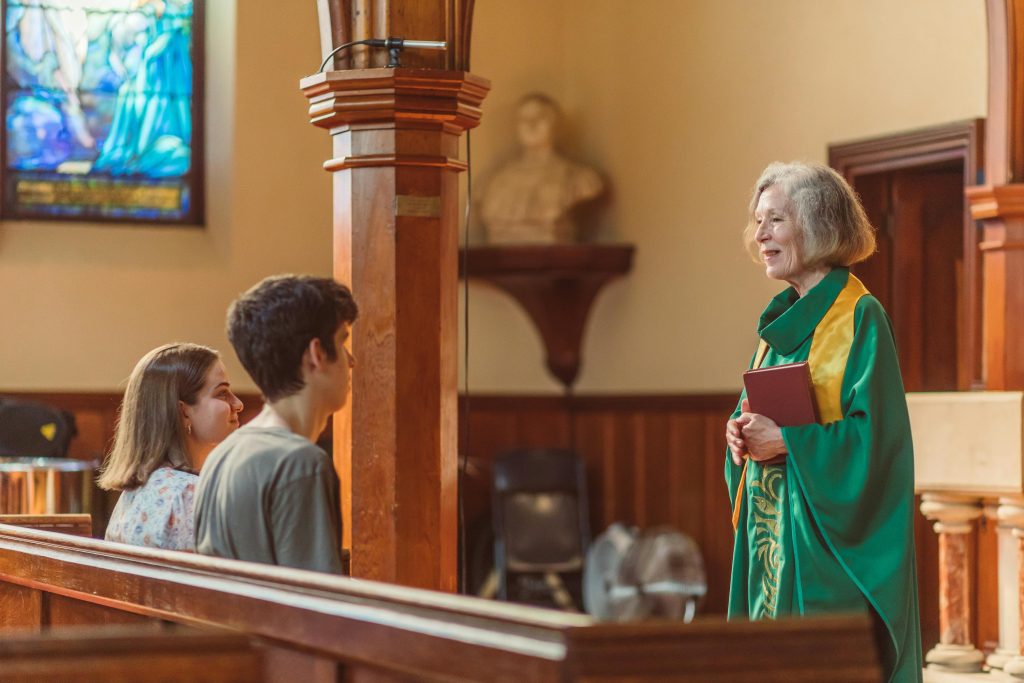
5. Which topics does the pulpit regularly avoid?
Silence can function like a policy. A church may affirm that Scripture speaks to difficult matters, but repeated avoidance still shapes the congregation. Questions about make love, divorce, greed, suffering, church discipline, or doctrine itself can reveal whether the pulpit is willing to address what feels costly.
One ministry essay on preaching argued that pastors should not “shrink” from hard subjects and said many listeners want clear, compassionate, biblical teaching on difficult issues. When members ask what rarely gets addressed, they are not just asking about sermons. They are asking what kind of discipleship the church is forming over time, what tensions the leadership is willing to carry, and whether peace in the room has become more important than truth in the open. That makes the question uncomfortably revealing for any pastor.

6. Does this church teach doctrine in depth, or mostly stay with basics?
Some churches emphasize accessibility so heavily that doctrine remains thin. The result may be a steady stream of practical advice without much theological substance behind it. Asking how the church teaches doctrine, and where members can see that teaching in action, tests whether leaders are forming conviction or merely maintaining attendance.
A long-form critique of contemporary ministry warned that minimizing doctrine for church growth can become intentional. That makes this question especially pointed because it reaches beyond style and into pastoral responsibility.
7. Are there expectations here that newcomers are supposed to know without being told?
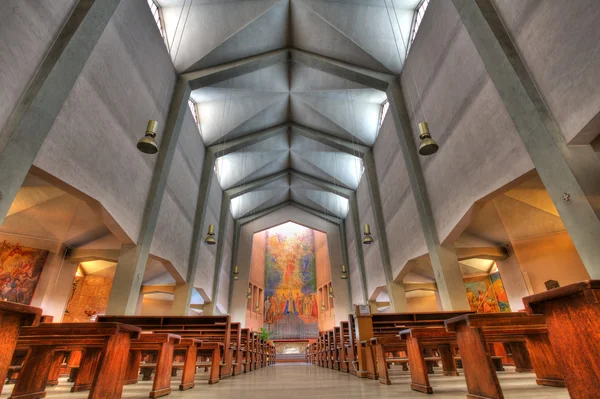
Not every uncomfortable question is theological. Some expose church culture. Expectations around dress, technology, communion, children, posture in worship, or how to approach clergy can remain unspoken until someone breaks them.
In more formal traditions, those expectations can be extensive, as shown in guides covering conduct during worship, modest dress, phone use, and movement in the sanctuary. Asking for those expectations directly can reveal whether a church explains its culture openly or assumes people should already understand it.
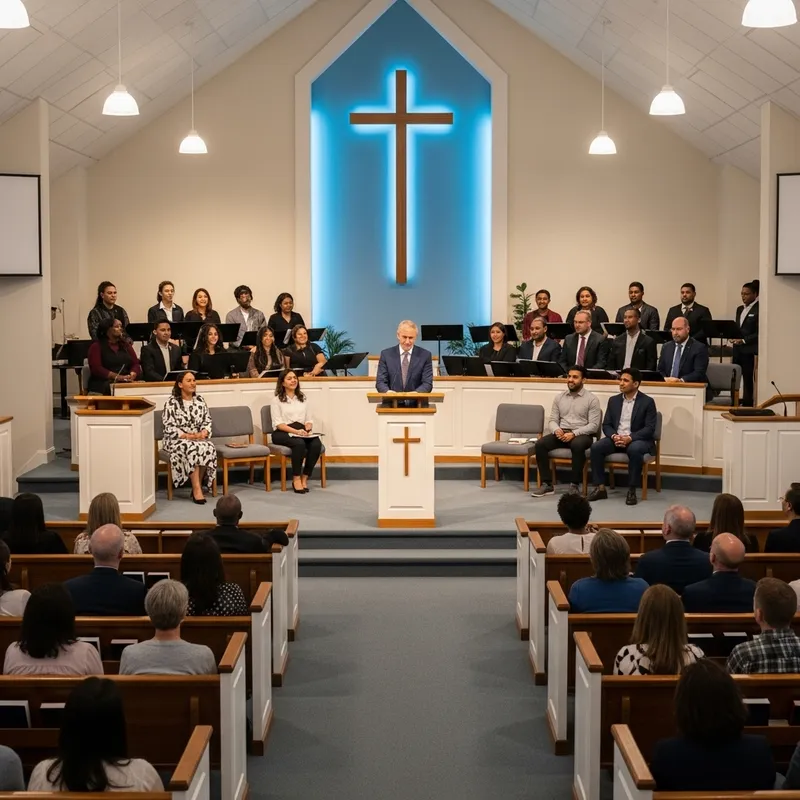
8. When a pastor answers vaguely, will the church give a yes-or-no answer?
This may be the most uncomfortable question of all because it tests the conversation itself. If a pastor responds with polished language, personal warmth, or an invitation to keep talking later, the unresolved issue remains unresolved. Asking again, more simply, often becomes the moment when tension enters the room.
That is not necessarily hostility. It is a request for plain speech. In churches, where trust is often built on tone and relationship, a clean answer can be harder to get than an eloquent one.
The questions that put pastors on the spot are rarely rude. They are precise. They take broad spiritual language and press it into visible practice, where churches have to say what they permit, what they prohibit, and what they quietly avoid.
That kind of clarity can feel uncomfortable, but it is also useful. A churchgoer who asks direct questions is not demanding perfection. That person is asking to understand the church as it really is.

