
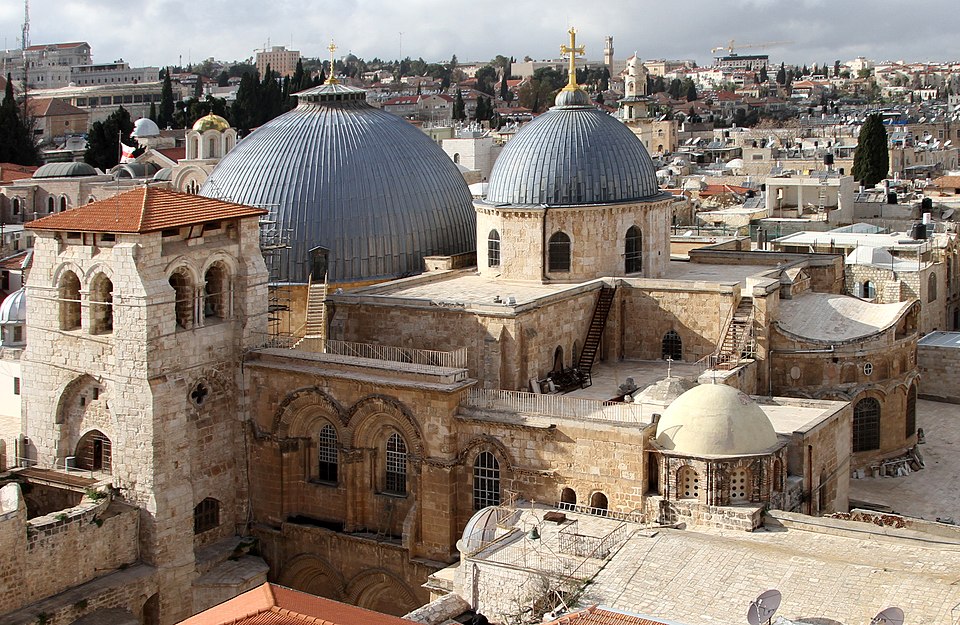
Beneath one of Christianity’s most venerated sanctuaries, archaeologists have been uncovering a landscape rather than a single artifact. The work under the Church of the Holy Sepulchre has brought into focus the terrain, plant life, burials, and building phases that shaped the place long before stone domes and incense filled the air.
For readers interested in the burial setting described in the Gospel of John, the significance lies in context. The discoveries do not turn faith into a laboratory result, but they do show that the ground under the church preserves a setting that looks strikingly ancient: a quarry, then cultivated land, then a burial zone outside the city.
1. A garden once stood where the church now rises
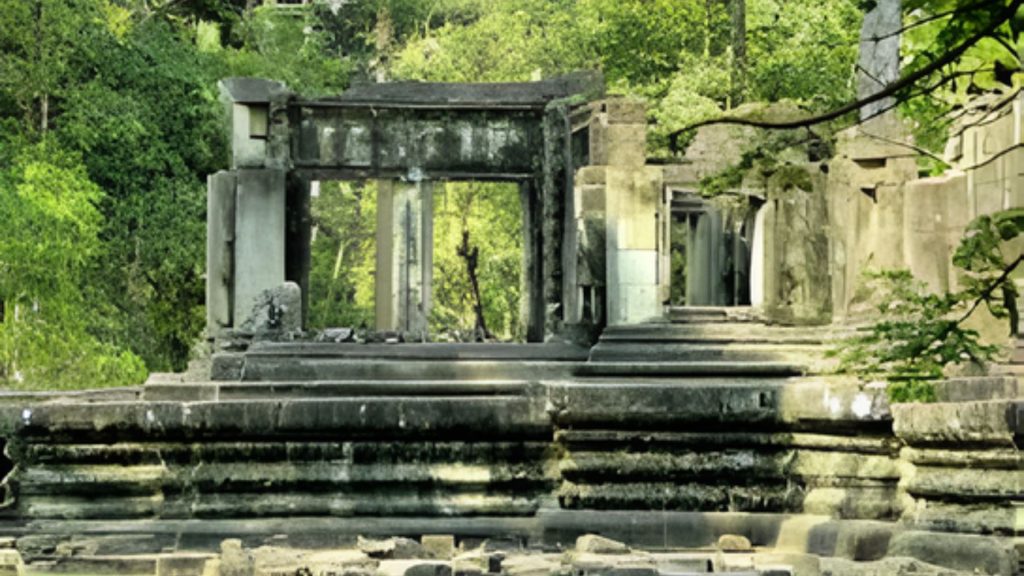
The most talked-about finding is evidence that the area once supported cultivation. Researchers identified olive trees and grapevines beneath the church floor through archaeobotanical and pollen analysis, suggesting that this ground included planted plots in the pre-Christian era.
That matters because John’s burial account places a tomb in a garden. Prof. Francesca Romana Stasolla said, “The Gospel mentions a green area between the Calvary and the tomb, and we identified these cultivated fields.” The excavation does not recover the biblical scene itself, but it does recover a landscape type that fits it.
2. The land changed from quarry to cultivated ground to cemetery
The site was not always sacred architecture. Archaeologists describe a long transformation in which an active quarry was later filled and adapted for agriculture, then used for rock-cut burials. That sequence gives the burial tradition a more grounded topography.
Under the basilica, teams found Iron Age pottery, lamps, and other everyday material, along with low stone walls and soil layers that point to deliberate cultivation. By the 1st century CE, the former quarry had become a place where tombs were carved into the rock, matching burial customs beyond city limits.
3. The location appears to have been outside the city at the time
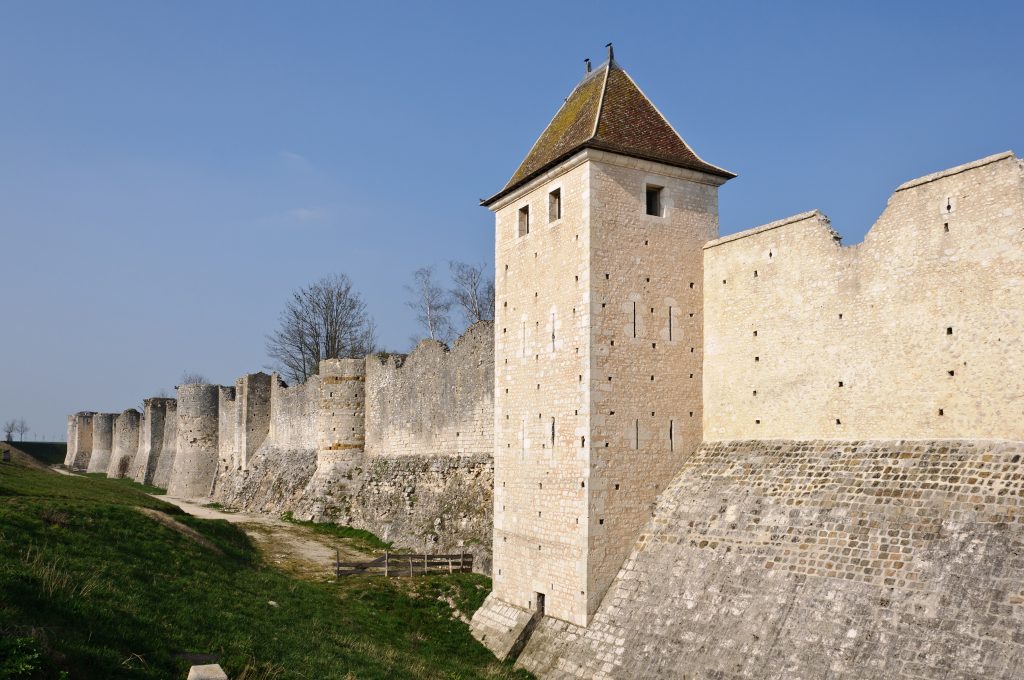
One of the strongest contextual details concerns Jerusalem’s boundaries. Stasolla noted that while the area became part of the city under Hadrian, “at the time of Jesus, the area was not part of the city yet.” That distinction is important because burial places were typically outside the urban core.
Additional context from studies of Jerusalem’s walls supports that broader picture, with the church site understood as lying outside the city walls in the early first century. For the burial setting, this is one of the most relevant geographic clues archaeology can offer.
4. Multiple tombs once occupied the area
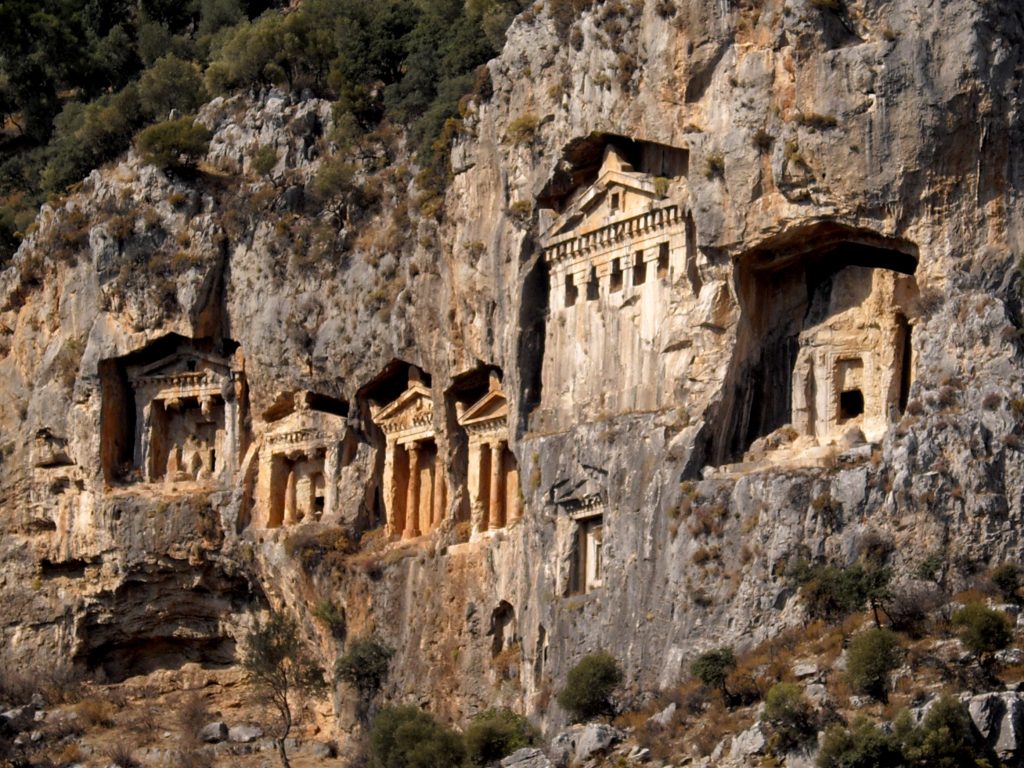
The ground below the church was not an isolated grave but part of a wider burial zone. As quarrying ended, tombs were cut at different levels into the rock, creating a small funerary landscape rather than a single chamber standing alone.
Stasolla described the site this way: “The area, therefore, featured several burials from that period.” That helps explain why early Christians, and later Constantine’s builders, would have encountered a cluster of tombs while identifying one as the focus of veneration.
5. Constantine’s builders preserved and monumentalized one tomb
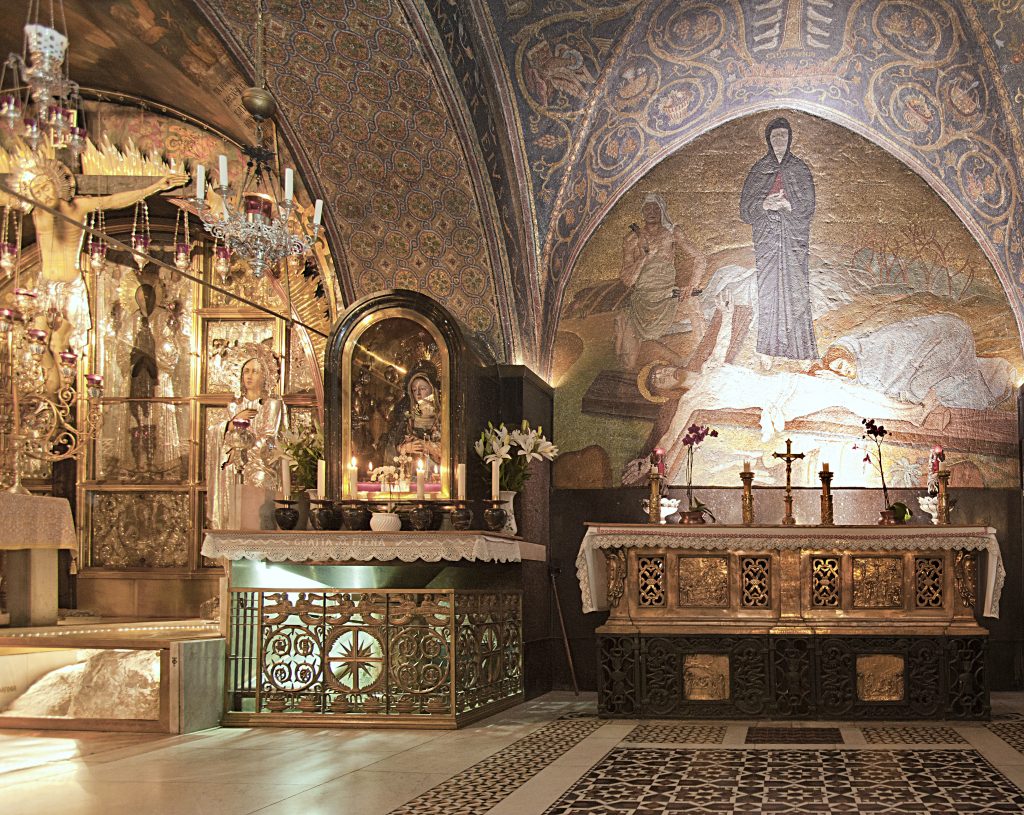
Archaeology under the current shrine suggests that the tomb later honored as Jesus’ burial place was not simply enclosed; it was architecturally isolated. According to the excavation team, Constantine selected the tomb that had already been venerated and excavated around it in the area of today’s rotunda.
One notable discovery is a circular marble base beneath the aedicule, likely part of the earliest monumental shrine. Stasolla said the feature, about six meters in diameter, may connect to the tomb’s first formal architectural framing in the fourth century.
6. Earlier work confirmed the burial bed survived under later coverings
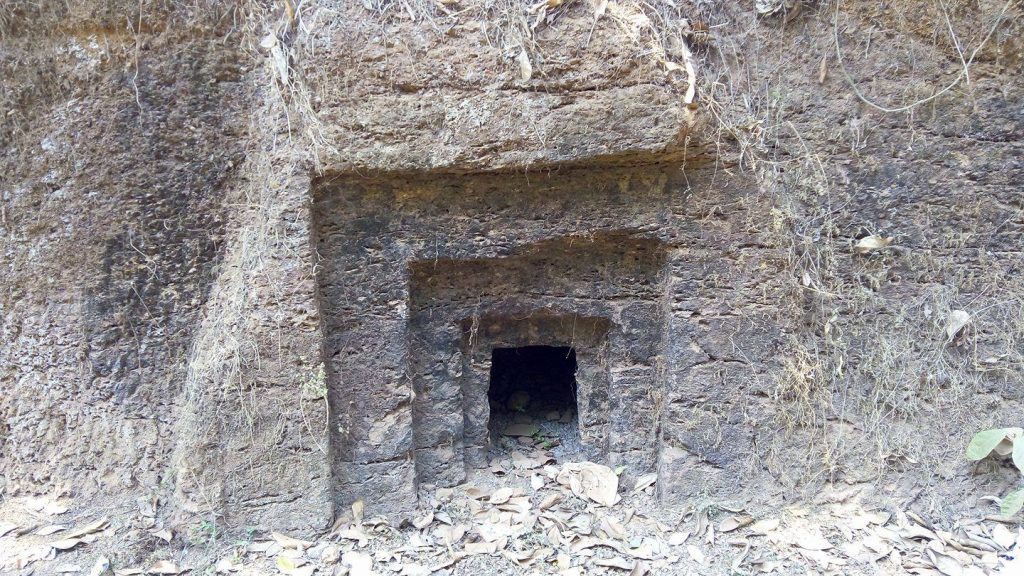
The setting is not only about the surrounding terrain but also about the tomb itself. During the 2016 restoration of the aedicule, conservators lifted marble cladding and found that the limestone burial bed was intact beneath later layers.
That discovery did not answer whose tomb it was. It did, however, confirm that the site still contains an ancient rock-cut burial feature under centuries of rebuilding, damage, fire, and repair. For archaeology, that continuity is a major part of the story.
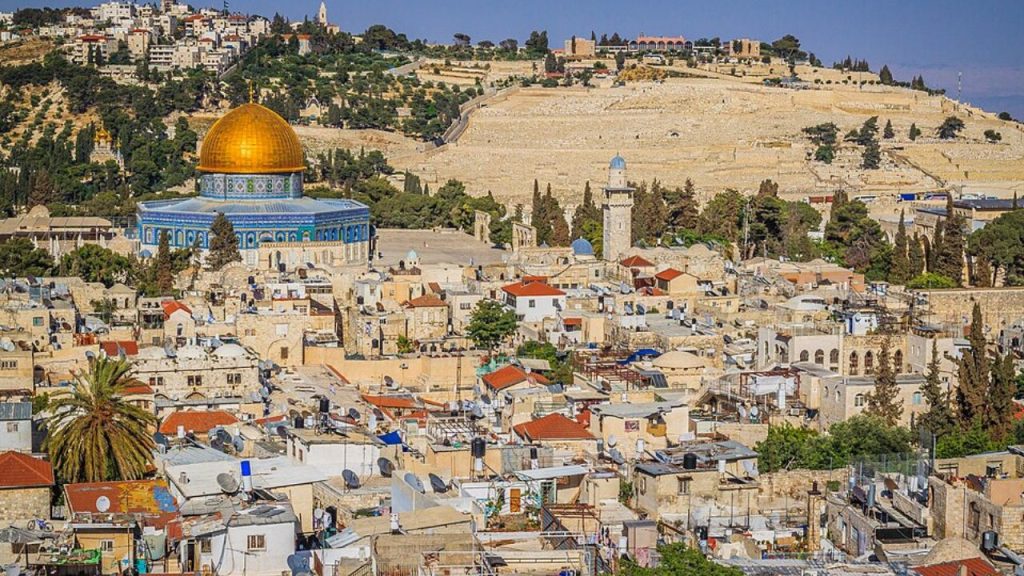
7. The excavations reveal a setting, not a verdict
The deeper meaning of the work lies in how many layers now align: cultivated land, tombs outside the earlier city, and a fourth-century effort to preserve a specific grave already held sacred. Together, those layers describe a plausible burial environment rather than a modern legend built in empty space. Stasolla has drawn a careful boundary around what archaeology can say. “It is important to keep faith and history as two distinct fields,” she said. That restraint is part of what makes the findings compelling: they illuminate the physical setting without claiming to settle belief.
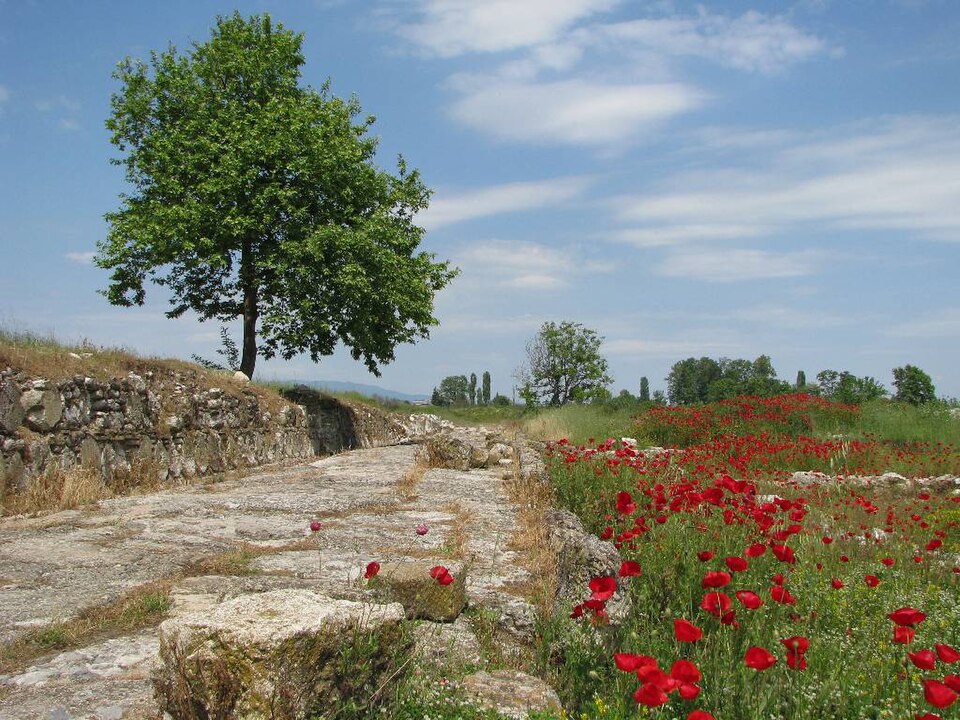
What emerges from beneath the Holy Sepulchre is a landscape of transitions. Stone was cut there, soil was turned there, tombs were carved there, and later generations built over it to preserve memory. In that sense, the archaeology has revealed something larger than a single object. It has shown that the traditional site sits within a historically coherent burial setting, one that still carries the outline of a garden, a tomb, and the edge of an ancient city.

