
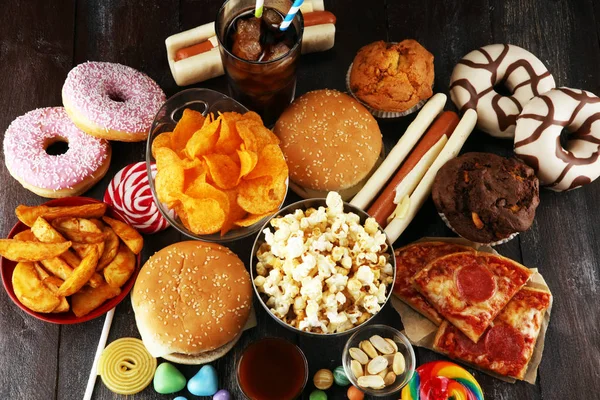
Brain health is not shaped by one meal, but certain eating patterns show up repeatedly in research on memory, focus, and long-term cognitive decline. The common thread is not a single ingredient. It is usually a mix of heavy processing, excess sugar, unhealthy fats, and compounds that strain blood vessels or promote inflammation.
Some foods on this list are obvious. A few are less expected. Together, they reflect what neurologists and nutrition researchers keep flagging: everyday choices that can work against the brain over time.

1. Diet sodas and other artificially sweetened drinks
Artificially sweetened beverages are often chosen to avoid sugar, but that does not automatically make them brain-friendly. Earlier observational research connected regular diet soda intake with higher rates of stroke and dementia, though that kind of research cannot prove direct cause and effect.
Newer evidence has added another reason for caution. In a study of 12,772 adults tracked for about eight years, people under 60 with the highest artificial sweetener intake showed 62% faster declines in memory and thinking than those with the lowest intake. The takeaway is not panic. It is that replacing sugary drinks with water, unsweetened tea, or plain sparkling water may be a safer habit for the brain.

2. Sugary drinks, fruit juice, and sweetened teas
Liquid sugar reaches the bloodstream quickly because it comes without the fiber that slows digestion in whole foods. That sharp rise in blood sugar can be followed by crashes in energy and concentration, and over time it may contribute to metabolic changes tied to poorer brain function.
Research in older adults found that the highest sugar intake was associated with about twice the risk of dementia compared with the lowest intake. The same study found that people with the highest sugar intake developed Alzheimer’s dementia an average of 7.1 years earlier. Soda, fruit drinks, bottled tea, and even large amounts of fruit juice can all push sugar intake up fast.

3. Ultra-processed frozen meals, packaged snacks, and sugary cereals
These foods are built for convenience, shelf life, and flavor intensity. They also tend to combine refined starches, added sugars, sodium, and industrial additives in ways that make it easy to overeat while getting little nutritional value in return.
Researchers have linked diets high in ultra-processed foods with higher chances of depression, anxiety, and cognitive decline. Harvard nutrition expert Frank Hu said, “The vast majority of [ultra-processed foods] are unhealthy, and the more of them you eat, the higher your risk of various diseases.” Frozen pizza, microwave dinners, packaged pastries, and highly sweetened breakfast cereals all fit this broader pattern.

4. White bread, white pasta, white rice, and other refined grains
Refined grains lose much of their fiber and nutrient content during processing. What remains is starch that is digested quickly, which can drive rapid swings in blood glucose. That matters because the brain depends on a steady energy supply, not repeated spikes and dips.
Harvard notes that refined flour products can flood the bloodstream with glucose and may affect blood pressure and diabetes risk over time. For people trying to support focus and steadier energy, whole grains usually offer a better nutritional profile than white bread, crackers, pastries, or oversized muffins sold as breakfast food.

5. Fried foods, stick margarine, and foods high in trans or saturated fats
When a diet leans heavily on fried fast food, commercial pastries, butter-heavy foods, or older-style stick margarines, the concern extends beyond the heart. Blood vessels that feed the brain are affected too. Poor vascular health can reduce efficient blood flow to brain tissue, which is one reason neurologists often connect heart-healthy eating with brain protection.
An analysis cited by Harvard found that higher saturated fat intake was associated with a 39% higher risk for Alzheimer’s and more than double the risk for dementia in general. Fried chicken, donuts, chips, cream-heavy foods, and processed baked goods all belong in this category when eaten often.

6. Processed meats such as bacon, hot dogs, and deli meats
Processed meats usually combine high sodium with preservatives and saturated fat. That combination can work against vascular health, and blood vessel health is tightly linked to memory and cognitive resilience later in life.
They also tend to appear in ultra-processed meal patterns rather than balanced ones. Bacon at breakfast, deli meat at lunch, and fast-food burgers at dinner can create a steady intake of sodium, refined carbs, and unhealthy fats that compounds the problem.

7. Large predatory fish with higher toxin risk
Fish can be an excellent brain food, but not every type carries the same risk profile. Large predatory fish such as swordfish are known for higher mercury levels, and mercury is a neurotoxin that can damage the nervous system.
Neurologists have also warned about certain reef fish in tropical regions because of ciguatoxin exposure. According to neurologist Baibing Chen, “When in doubt, throw it out,” referring to damaged canned foods, while he also described ciguatoxin as heat-stable and difficult to detect. For routine meals, smaller fish lower in mercury tend to be the safer choice.

8. Damaged canned foods and unpasteurized milk
Not every brain risk comes from long-term eating patterns. Some foods raise concern because they can expose the nervous system to potent toxins or dangerous infections.
Bulging, cracked, or severely dented cans may signal botulinum contamination. Raw milk can carry pathogens that have been linked to severe neurological complications, including meningitis and seizures. These are not subtle nutrition issues. They are food safety issues with direct implications for the brain.

9. Alcohol in excess
Alcohol stands apart because the risk depends heavily on amount and pattern of use. Heavy intake can interfere with nutrient absorption, disrupt sleep, and directly affect brain cells. Over time, that can show up as memory problems, impaired judgment, and measurable brain shrinkage.
Beer and sweet mixed drinks can add another layer by combining alcohol with refined carbs or sugar. For people focused on long-term cognitive health, regular heavy drinking remains one of the clearer avoidable threats. The broad pattern is simple even when the food labels are not. The foods most often linked with poorer brain outcomes are usually high in added sugar, refined starch, unhealthy fats, sodium, or heavy processing.
That makes brain-friendly eating less about chasing a single superfood and more about removing repeat offenders. Cutting back on sweet drinks, ultra-processed meals, fried foods, and heavily processed meats can reduce several risks at once while making room for foods that better support memory, mood, and focus.

