
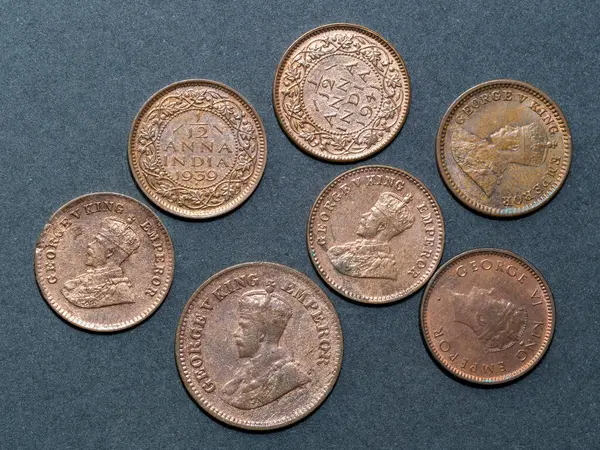
Most pocket change disappears into jars, cup holders, and sofa cushions without a second look. Yet some of the coins most likely to be overlooked are the very ones that attract the closest attention from collectors. The pattern is consistent: rarity often hides in small details. A missing mint mark, an unusual edge, or lettering that seems doubled can separate an ordinary coin from one with genuine historical interest. The mistakes below are not mint mistakes alone. They are the everyday mistakes people make when they spend, ignore, misread, or dismiss coins that deserve a second glance.
1. Ignoring doubled lettering as a blurry strike
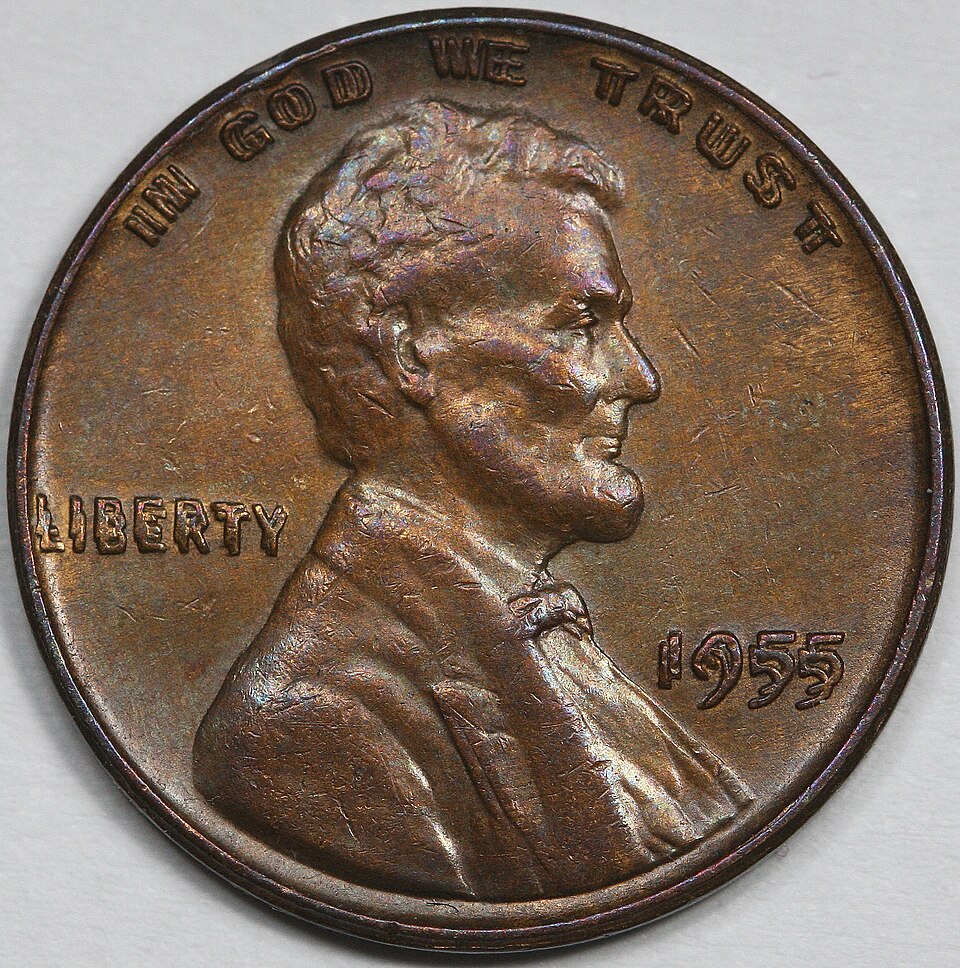
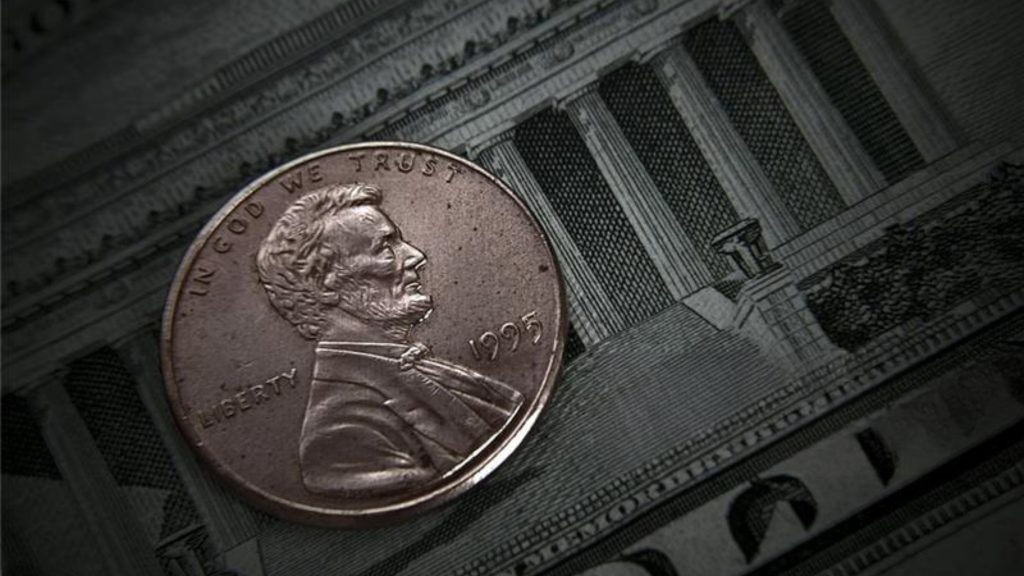
One of the most common missed opportunities is assuming doubled words are simply the result of wear or a bad strike. On true doubled-die coins, the design itself was created with a flawed die, so the duplication is part of the coin’s raised features rather than a flat smear. Collectors often look first at LIBERTY, IN GOD WE TRUST, and the date, because those areas frequently show the clearest signs. Several Lincoln cents remain especially notable in circulation hunting, including the 1969-S, 1970-S Small Date, 1972, and 1995 doubled-die varieties. The 1969-S example is particularly famous, and early specimens were once confiscated until the U.S. Mint confirmed they were genuine. A true doubled die shows raised, separated details; machine doubling usually looks flatter and less distinct.
2. Forgetting that mint marks can matter as much as the date
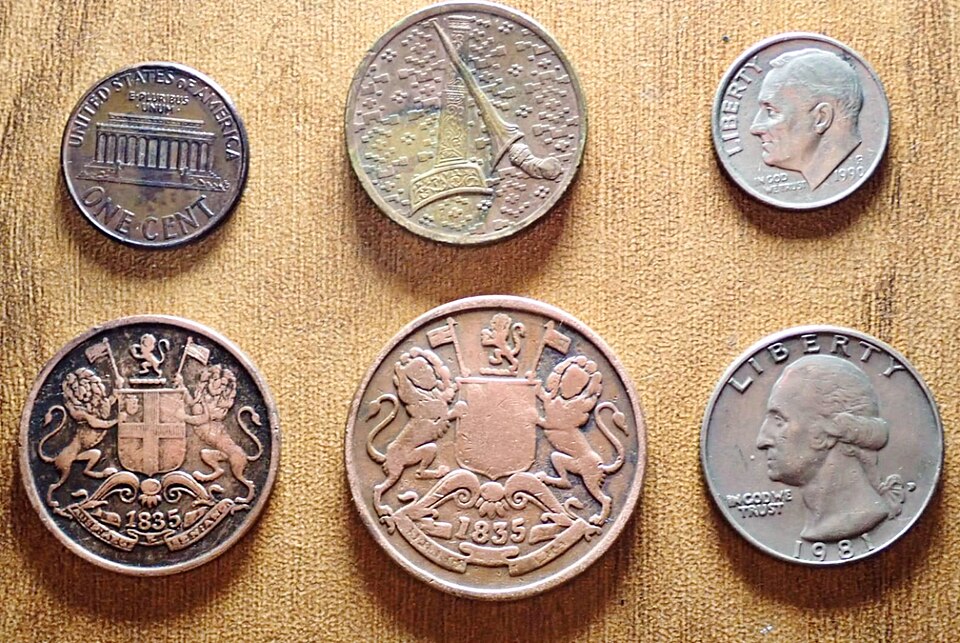
Many people check only the year and never look for a mint mark. That is an easy way to miss a coin whose importance lies in what is absent rather than what is present. The classic example is the 1982 Roosevelt dime with no mint mark. Philadelphia dimes of that period were expected to carry a “P,” so a coin without one stands out. Reference material on mint varieties also lists the 1982 “no-P” Roosevelt dime among recognized omitted-design varieties, which is why specialists warn against assuming that every blank space under the date is ordinary. Altered coins exist, so condition and authentication remain important.
3. Overlooking the edge entirely
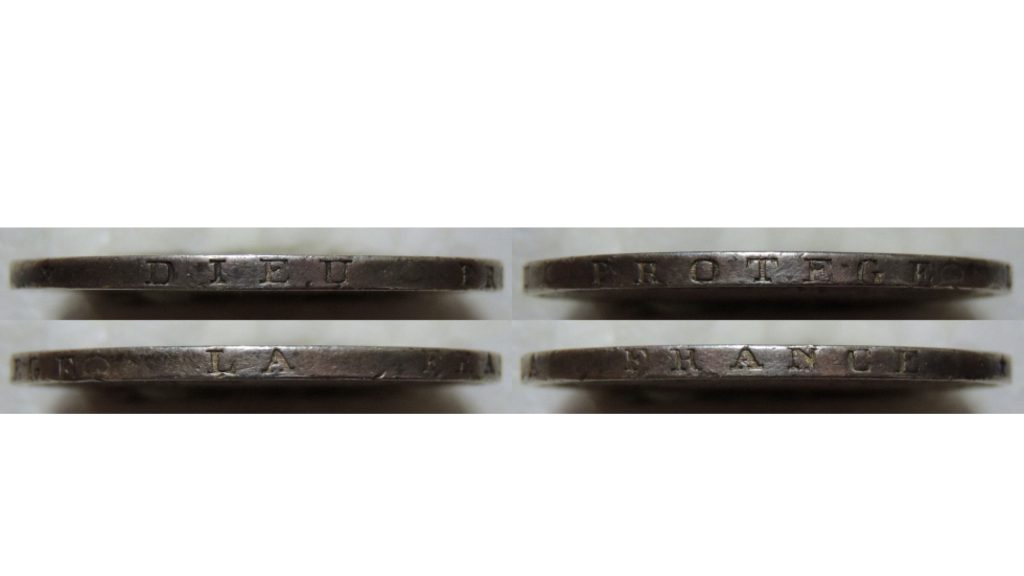
Most coin searching happens face-up. That habit leaves the edge unexamined, even though some modern dollar errors are found there. Presidential dollars are a well-known example because their lettering was applied after striking, creating room for missing, weak, or repeated inscriptions. When the edge lettering is absent or doubled, the coin can be far more interesting than its face value suggests. But this category also attracts tampering. Detailed diagnostics for genuine missing-edge-lettering dollars note that altered pieces can show different diameter, weight, and abrasion patterns than authentic Mint-made errors.
4. Treating obvious design oddities as damage
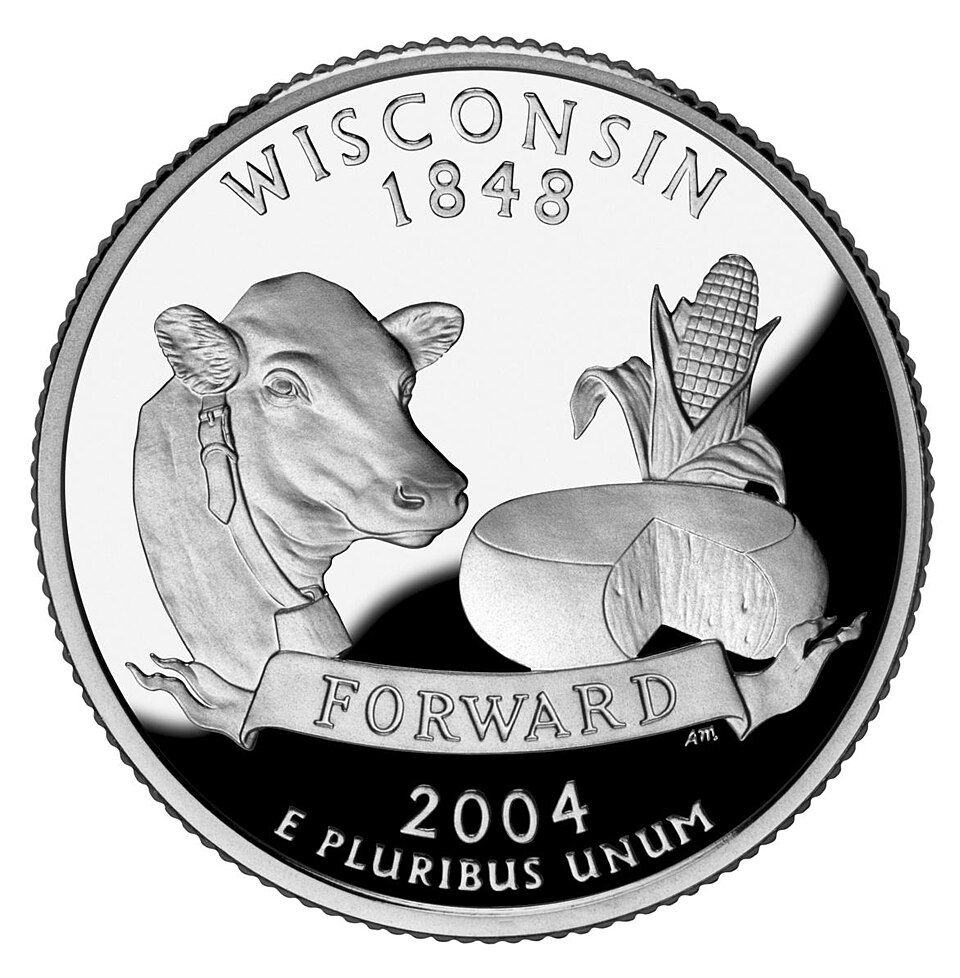
Some of the easiest coins to spot are dismissed because they look “wrong.” The 2004-D Wisconsin state quarter with an extra leaf near the ear of corn is a well-known example. There should be only one leaf on the left side; when a second, pronounced leaf appears, it signals a recognized variety. This is the sort of find that does not always require magnification. Both High Leaf and Low Leaf forms have been identified, and the appeal of the coin comes partly from how visible the difference is. A coin that looks odd at a glance is not always damaged; sometimes it is the one worth setting aside.
5. Assuming all cents with the same reverse are identical
Lincoln cents reward close spacing checks. The 1999 Wide AM reverse is one of the better-known examples because the letters A and M in AMERICA are clearly separated, unlike the tighter standard arrangement used on most circulation strikes from that period. The same reverse mismatch is associated with 1998, 1999, and 2000 cents, but 1999 is the date that draws the most attention from searchers. This variety exists because a proof-style reverse was used on some circulation coins, a reminder that even modern cents can preserve traces of the Mint’s production shortcuts and mix-ups.
6. Spending older half dollars without checking their metal
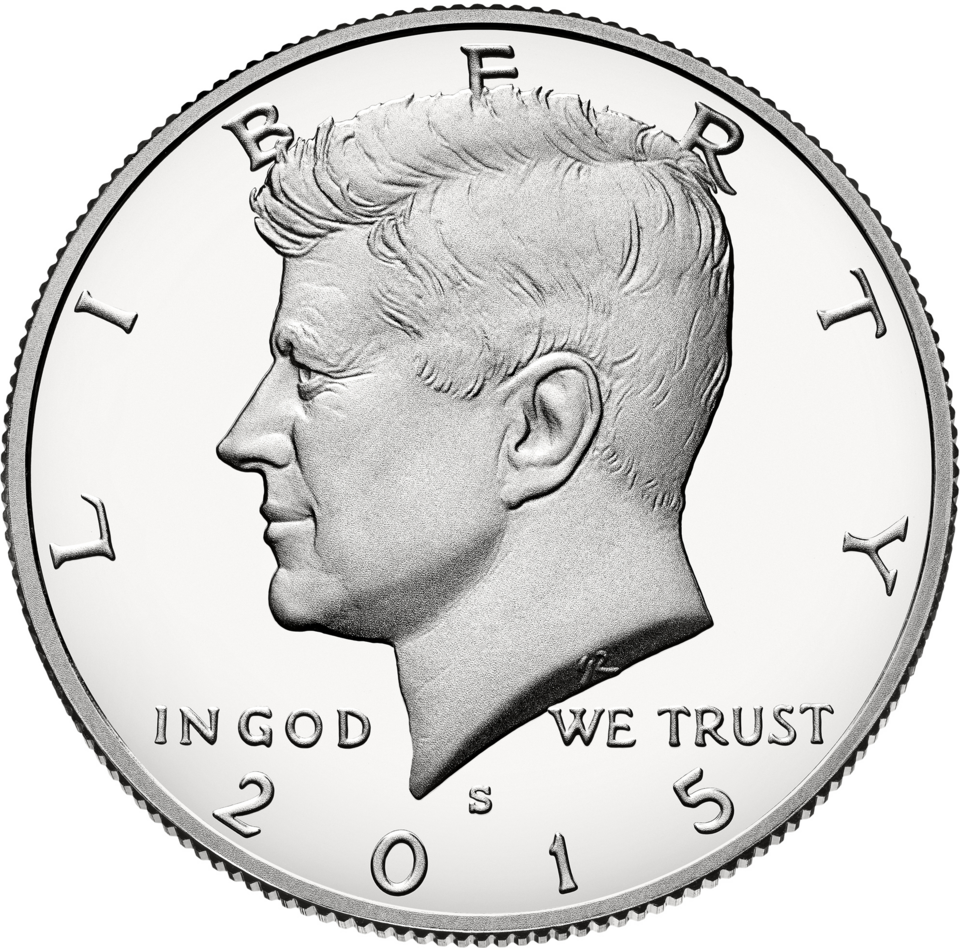
Half dollars are often treated as curiosities rather than carefully examined coins. That is a mistake, because many people still assume silver disappeared from circulating U.S. coinage after 1964. In fact, half dollars dated 1965 to 1970 contain 40 percent silver, while 1964 and earlier halves are 90 percent silver.
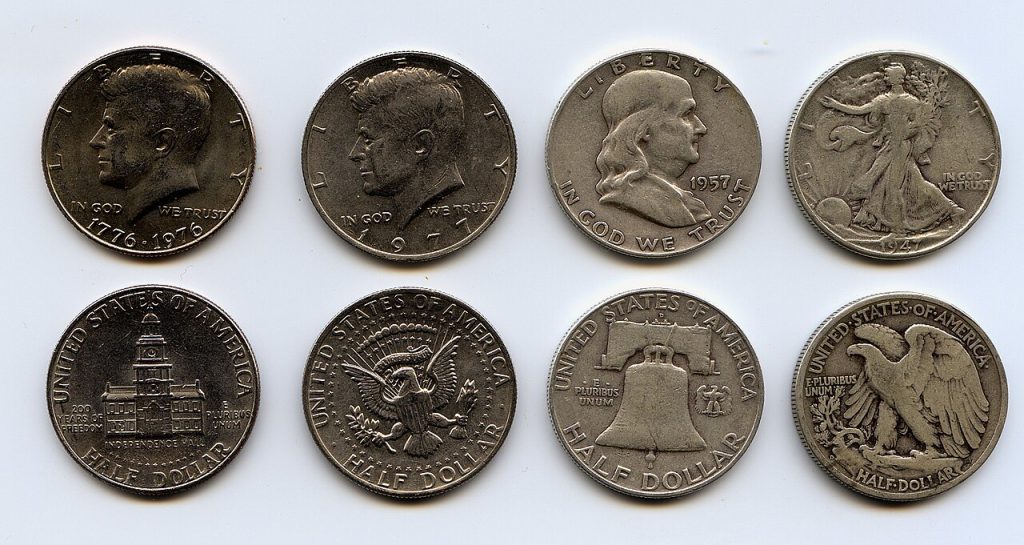
That detail makes these coins historically significant beyond everyday use, especially because they still appear in bank rolls and inherited accumulations. Their importance is not tied to an error at all, but to composition and public misunderstanding.
7. Believing only famous rarities count as historic finds
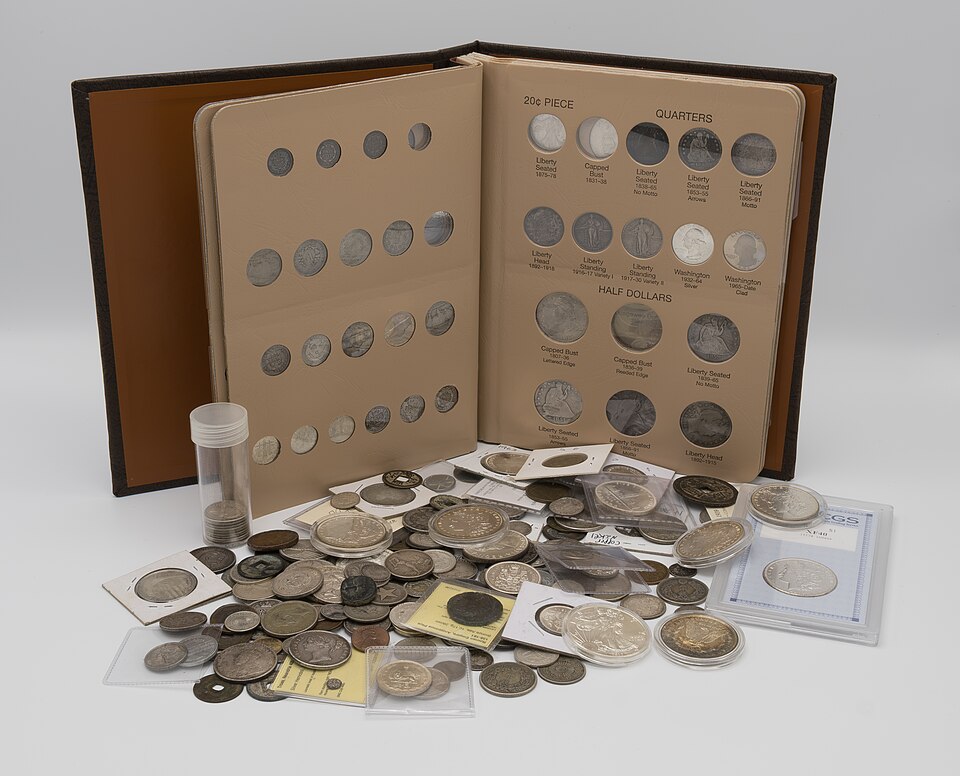
Coin lore tends to revolve around headline pieces, and few are more famous than the 1913 Liberty Head nickel. Only five examples are known to exist, and the coin occupies an outsized place in American numismatic imagination because it was an unauthorized issue dated after the series had ended. No one is going to pull that nickel from a checkout lane. Its relevance is different. It shows how collectors learn to value tiny departures from expectation: a date that should not exist, a design that appears too late, a coin that survives because someone noticed the anomaly. Ordinary pocket-change finds live on the same spectrum.
They are smaller discoveries, but they depend on the same habit of attention. The real dividing line in coin collecting is rarely luck alone. It is the decision to pause before spending what looks ordinary. A magnifier, a light, and a willingness to check words, mint marks, edges, and spacing can turn casual change into a small archive of American minting history. Most coins will remain just coins. A few will not, and those are usually the ones someone almost ignored.

