
Most old pennies are simply old pennies. A smaller number carry tiny clues that place them in a very different category: coins shaped by design changes, mint quirks, or production mistakes that collectors have pursued for generations.
For Lincoln Wheat cents in particular, the difference often comes down to details so small they are easy to miss at first glance. The series ran from 1909 to 1958, and within those decades the usual signs of age were joined by scarcer signs of rarity.
1. A tiny mintmark under the date
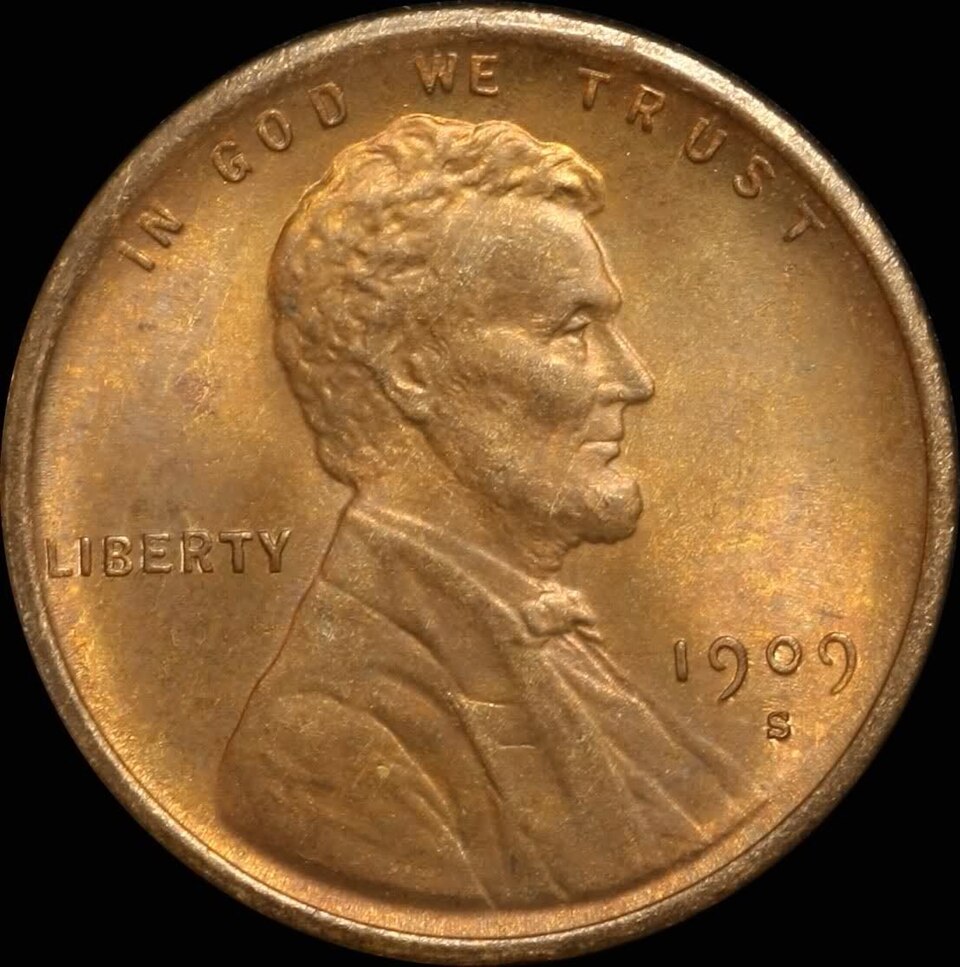
One of the first things collectors check is the space below the date. A small D or S can separate a routine coin from one struck in a lower-mintage branch mint, while no mintmark points to Philadelphia. That matters because some of the most studied Wheat cents are defined by this little letter. The 1914-D is a well-known example, and the 1931-S is another date that stands out because of its limited production. Even before condition enters the picture, mint location can change how a coin is understood within the broader Lincoln cent story.
2. The presence, absence, or placement of V.D.B.
Victor David Brenner’s initials became one of the most famous small design details in American coinage. On early 1909 cents, the initials V.D.B. appeared prominently on the reverse, then were removed after controversy, and later returned in 1918 in a much subtler spot on the obverse near Lincoln’s shoulder. That history is why the 1909-S VDB remains such a landmark issue. Its combination of first-year status, San Francisco mintmark, and initials turned a modest one-cent piece into a classic key date. It is a reminder that a designer’s signature, when tied to a short-lived design choice, can become one of the quietest markers of significance.
3. A date that falls in the steel-and-bronze transition years
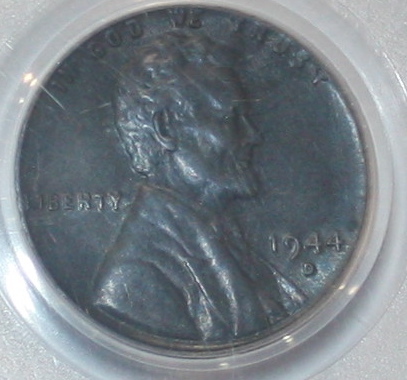
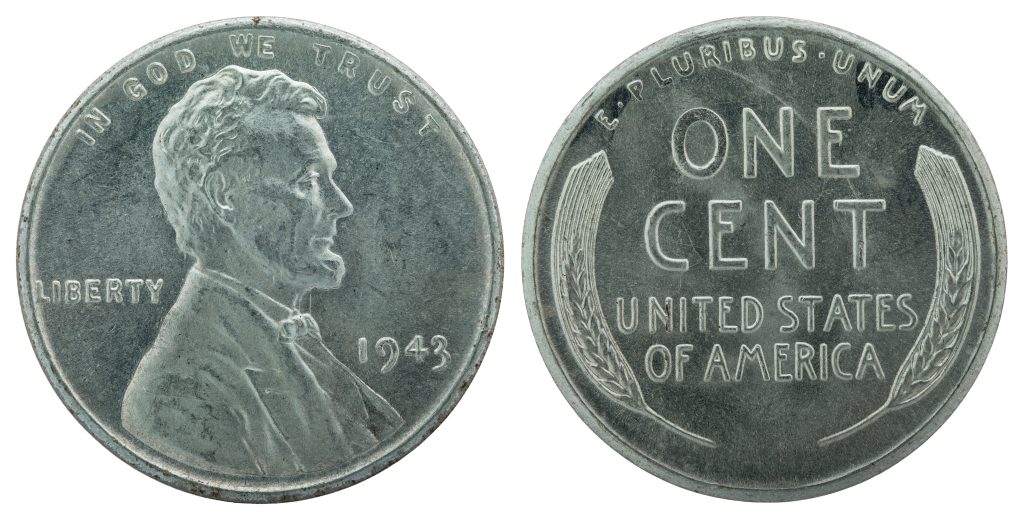
Some pennies matter because of when they were struck. In 1943, the Mint used zinc-coated steel cents instead of the usual bronze composition, and a few bronze planchets slipped through by mistake. In 1944, the opposite happened, creating a small number of steel cents during the return to copper-based production. These transitional errors are among the most famous in the series. Estimates in the references place genuine 1943 bronze cents at only 10 to 15 known examples, while Coin World noted that 25 to 30 1944 steel cents exist. A coin dated 1943 or 1944 therefore deserves more attention than usual, especially if its color or surface looks out of step with what that year normally produced.
4. Whether the coin responds to a magnet
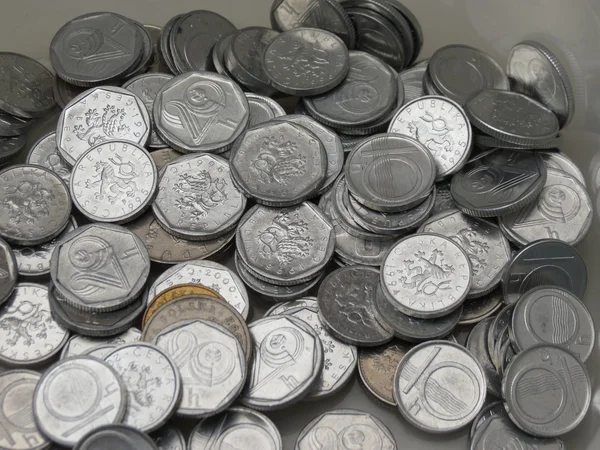
This is one of the simplest tests in the Wheat cent world. A normal 1943 steel cent is magnetic. A genuine 1943 bronze cent is not. The magnet test does not prove authenticity on its own, but it helps sort common pieces from coins that merit a closer look. It also helps explain why the 1943 bronze cent has generated so many imitations. A quick physical reaction can reveal whether a piece fits the year’s expected metal or departs from it in a way collectors take seriously.
5. A weight difference measured in fractions of a gram
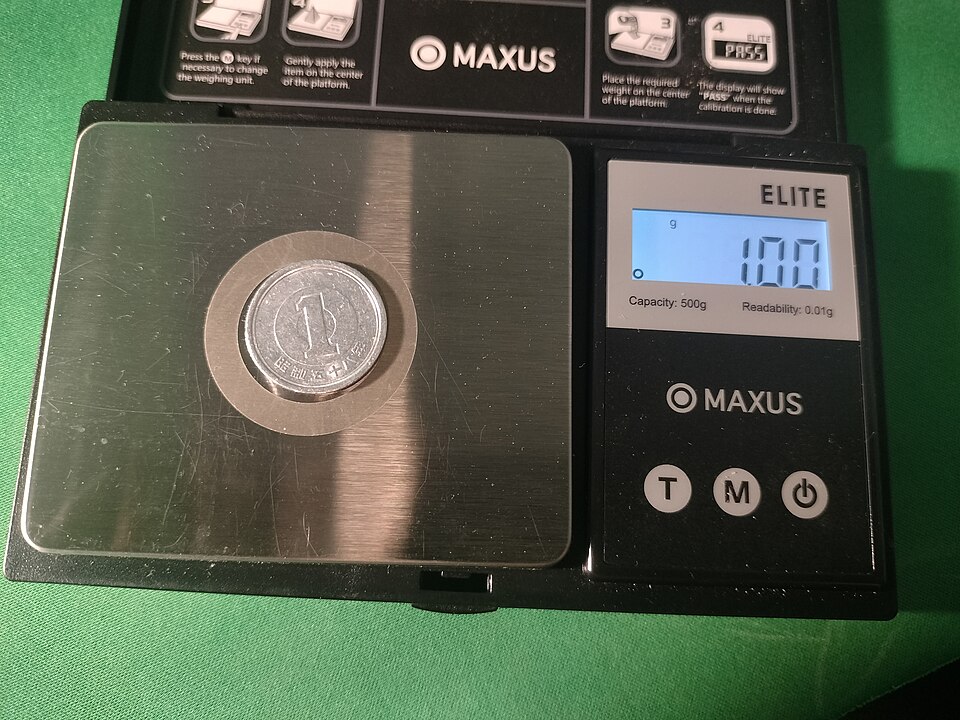
Historic coins do not always announce themselves visually. Sometimes the clue is numerical. Reference material on the 1943 bronze cent notes that an authentic example weighs about 3.11 grams, while the steel version weighs about 2.7 grams. That gap is narrow enough to be overlooked and large enough to matter. It also shows why serious identification moves beyond color alone, since plating, cleaning, or altered surfaces can mislead the eye. When the wrong planchet was used, the metal standard of the coin changed with it, and the scale preserves that evidence.
6. Strong doubling in the date and lettering
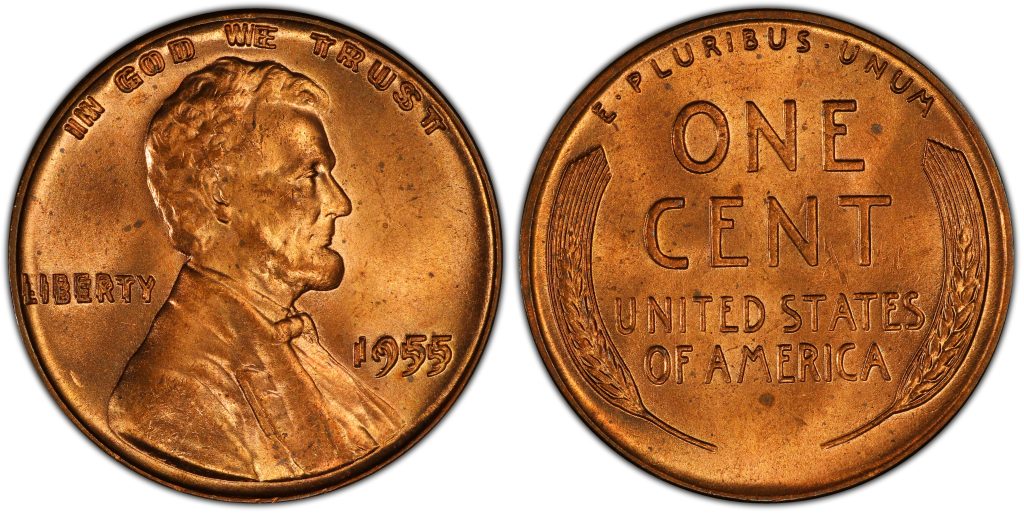
Not all rare pennies are unusual because of metal. Some are famous because the design itself appears doubled. The 1955 doubled die cent is the classic case, created when the obverse die received a misaligned hub impression. What makes this variety distinct is that the doubling is not subtle on the important areas. The date and inscriptions show the effect most clearly, while Lincoln’s portrait does not carry the same dramatic separation. References estimate that around 40,000 were minted, with many entering circulation, which helps explain why the coin became both famous and heavily counterfeited.
7. Surface sharpness that shows the coin escaped heavy wear
Condition is not a decorative afterthought. It is one of the quiet details that determines whether a scarce date remains merely desirable or becomes exceptional. On Wheat cents, collectors often study Lincoln’s hair, the wheat lines on the reverse, and the overall presence or loss of luster. This is where ordinary survival and historic preservation part ways. A key date with smoothed wheat stalks tells one story; a sharply detailed example tells another. Even common-date coins gain meaning when their surfaces preserve the craftsmanship of Brenner’s original design, and rare-date coins become much more informative when the small details remain intact.
Taken together, these clues show why so many historic pennies still pass through hands unnoticed. A mintmark, a designer’s initials, a magnetic pull, a faint doubling, or a fraction of a gram can turn an everyday coin into an artifact of how the Mint actually worked. The Wheat cent series remains compelling for that reason. It rewards close looking. And in a coin as small as a penny, the smallest details often carry the longest history.

