
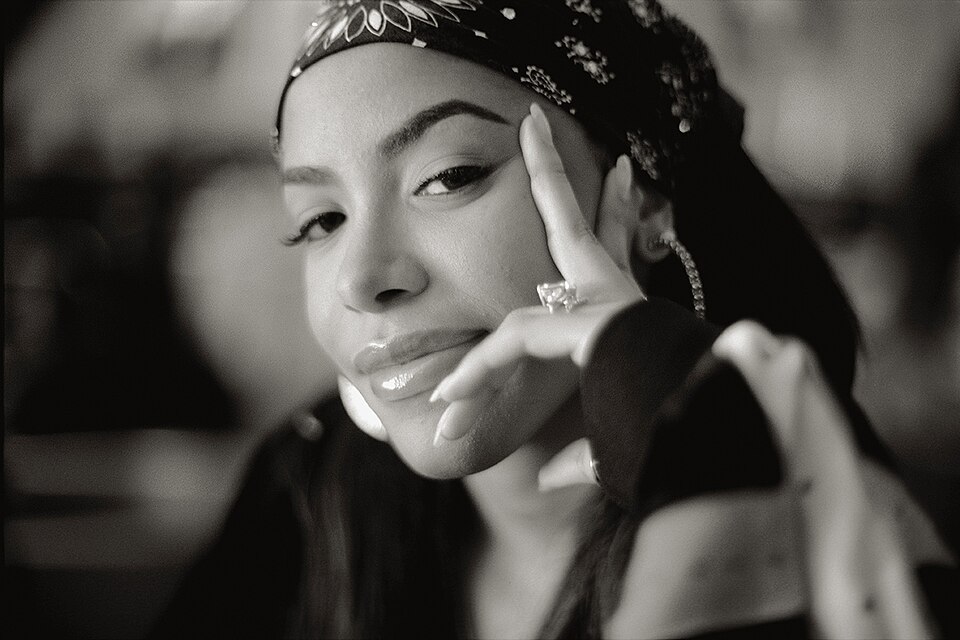
Some screen careers become fixed in public memory through a final performance that arrives under tragic circumstances. For several young actresses, the last role attached to their name did more than close a filmography. It became the image many viewers return to first.
In Hollywood history, that kind of legacy often forms when an unfinished or unreleased project suddenly carries extra emotional weight. A final credit can turn into a cultural marker, preserving not only a performance but also the sense of promise that surrounded it.
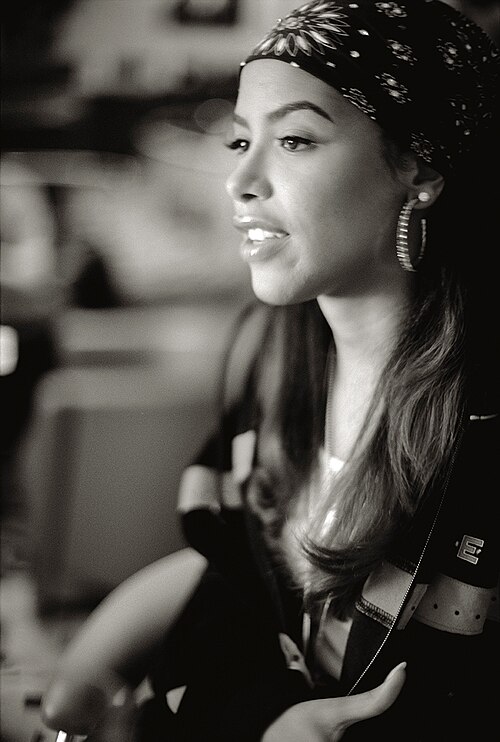
1. Aaliyah
Aaliyah’s film career had only just begun when it was cut short at age 22. After making a strong feature debut in Romeo Must Die, she completed The Queen of the Damned, the Anne Rice adaptation that reached theaters after her death in 2002.
Her turn as Akasha gave her screen legacy a striking, permanent image. The role’s dark glamour and supernatural aura kept the film in pop-culture conversation even as her music remained central to her fame. She had also been cast in The Matrix sequels before that part was recast, which underlined how quickly Hollywood had begun opening larger film opportunities to her.
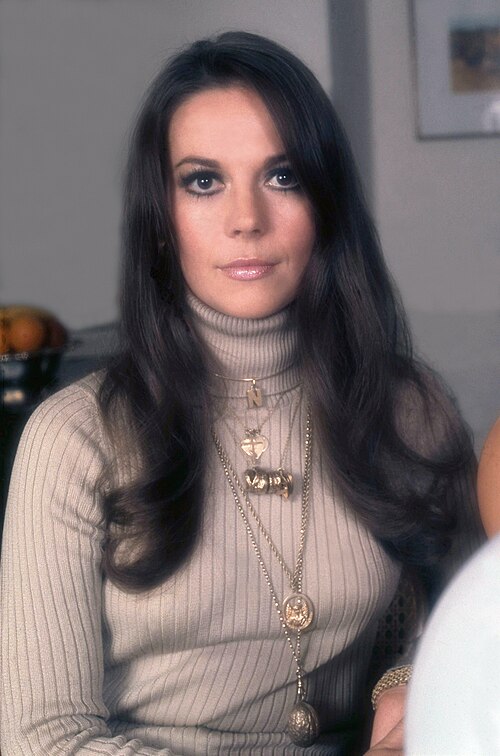
2. Natalie Wood
Natalie Wood was already an established star long before Brainstorm became her final screen credit, but the film took on a special place in discussions of her career because it had to be completed after her death interrupted production. Released in 1983, it carried a dedication “to Natalie.”
The movie’s legacy is tied not only to its science-fiction premise but also to the unusual effort required to finish it, including rewrites and the use of her sister Lana for some scenes. For many viewers, Brainstorm became inseparable from Wood’s lasting mystique, turning a late-career project into a memorial as much as a release.

3. Brittany Murphy
Brittany Murphy’s final lead role in Something Wicked arrived years after her death, which gave the thriller an unavoidable sense of unfinished time. While she was widely loved for earlier performances in films such as Clueless and Girl, Interrupted, the delayed release turned attention back to the vulnerability and charisma that defined her screen presence.
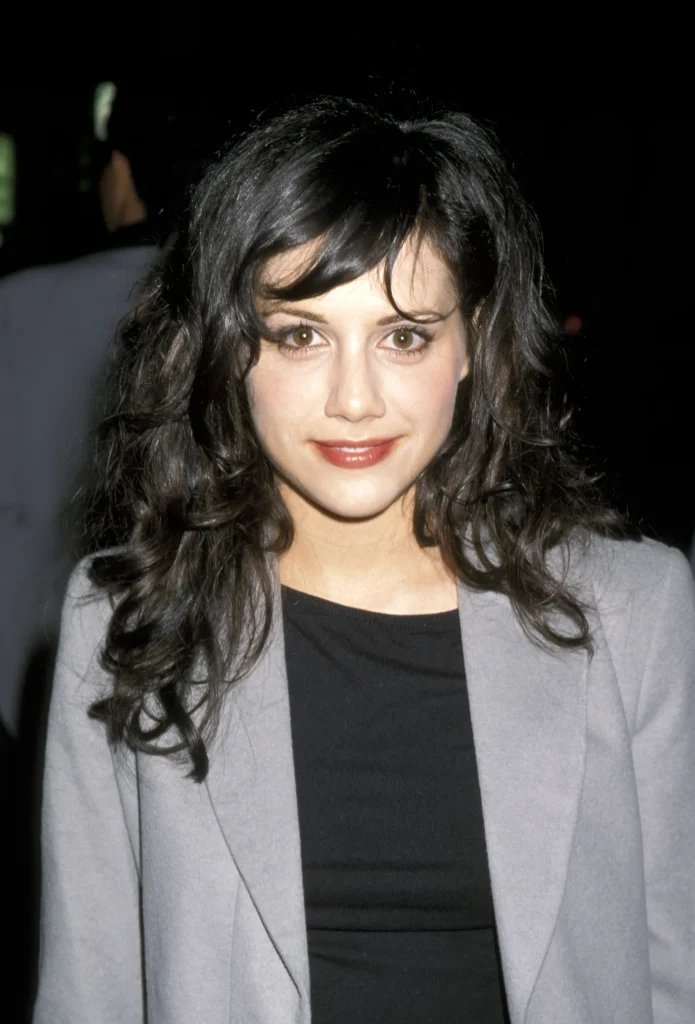
Her career had moved easily between comedy, drama, and voice work, making that final project feel like a reminder of range rather than a reinvention. The film itself never reshaped her reputation, but its existence reinforced how strongly her earlier work still resonated. In that way, the last role became part of a broader legacy built on brightness, unpredictability, and emotional openness.
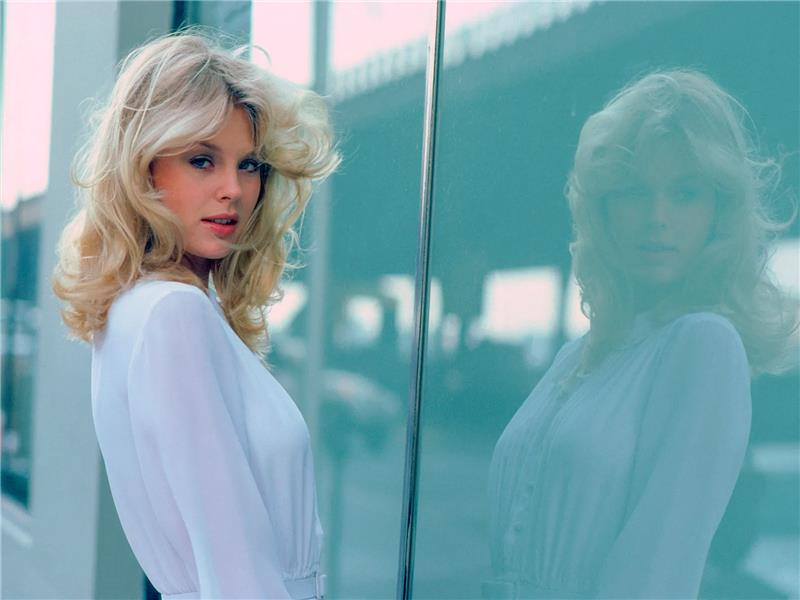
4. Dorothy Stratten
Dorothy Stratten’s final film, They All Laughed, reached audiences after her death and has remained closely linked to how her brief acting career is remembered. Though she appeared in only a handful of films, the Peter Bogdanovich project preserved a softer, more natural screen image than the public persona that often overshadowed her.
Over time, the movie gained an afterlife of its own. Rather than being remembered only as a tragic figure, Stratten is frequently revisited through this last performance, which captures the sense that a more substantial acting career might have been developing. That is why her final credit still carries more historical weight than the size of her filmography might suggest.
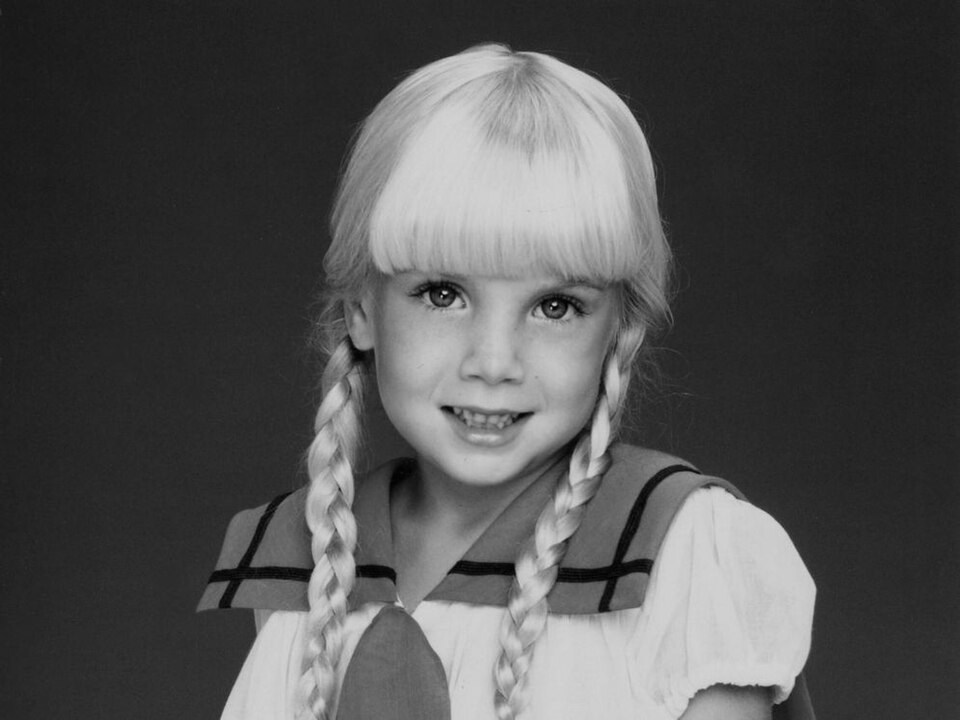
5. Heather O’Rourke
Heather O’Rourke was still a child performer, but her last film role in Poltergeist III became inseparable from her Hollywood legacy. She had already become part of horror history through the earlier films, and the third installment, released after her death at 12, fixed her place in that genre permanently.
Her presence had always been central to the series’ emotional pull. That made the final film more than a sequel release; it became the closing chapter of one of the most recognizable young performances in 1980s horror. Even for viewers who consider the earlier entries stronger, O’Rourke’s final appearance remains the role that keeps her memory vividly alive.
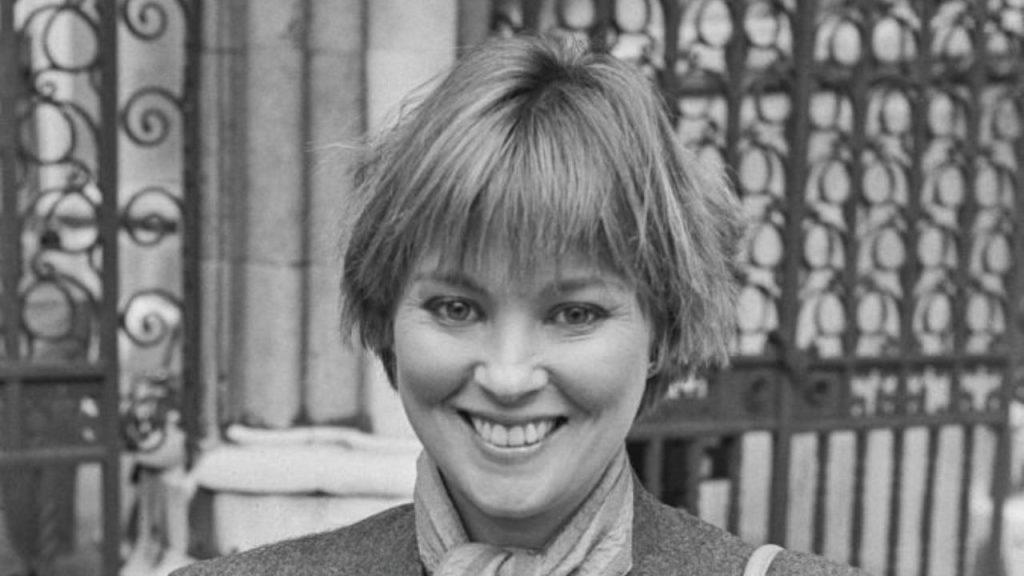
6. Lynne Frederick
Lynne Frederick’s last film appearance came in The Prisoner of Zenda in 1979, opposite Peter Sellers. Although her career was later eclipsed by tabloid attention and personal turmoil, that closing screen credit has become a useful reference point for reassessing her work.
Frederick had already built a body of performances in British genre and period films, including The Amazing Mr. Blunden and Voyage of the Damned. Her final role did not define her at the time, but later interest in overlooked actresses has helped it stand as the endpoint of a career that never fully received a stable Hollywood narrative. In hindsight, that last performance marks both visibility and loss.
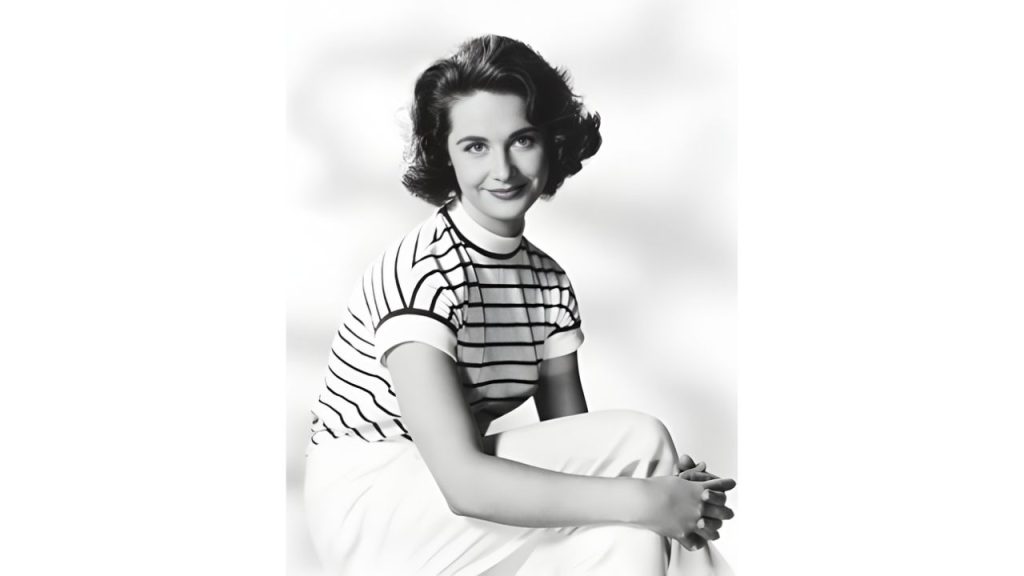
7. Virginia Maskell
Virginia Maskell’s final film, Interlude, became especially notable because it was followed by a posthumous BAFTA nomination. That recognition gave the closing stage of her career a different kind of permanence.
Maskell had built a reputation for restrained, emotionally intelligent performances, and Interlude fit that pattern. The role did not arrive with blockbuster scale, but it deepened the sense that her talent was still unfolding. For film historians, that final credit often functions as the clearest summary of what made her compelling on screen.
What links these actresses is not simply that they died young. It is that their final roles became containers for memory, carrying public grief, industry interruption, and the lingering question of what more might have followed. Hollywood often remembers careers through their biggest hit, but in these cases the last performance became the most enduring frame. The role remained, and so did the legacy attached to it.

