
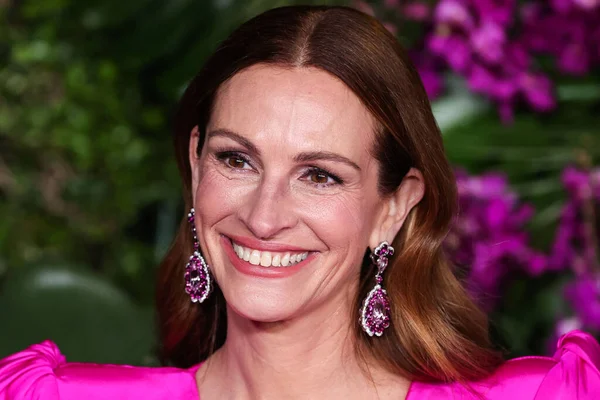
Hollywood tension does not always stay behind the camera. In some cases, it reshaped scripts, forced recasts, changed press tours, or left entire productions working around people who no longer wanted to share a set.
These stories stand out because the fallout was bigger than a bad day at work. Each one spilled into the finished project, turning private strain into something audiences could actually see.
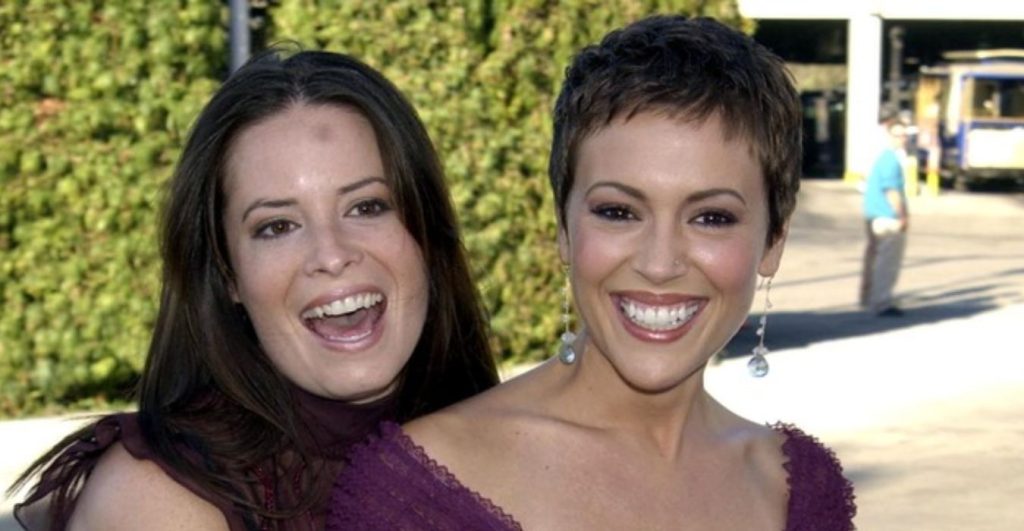
1. Shannen Doherty and Alyssa Milano on Charmed
The conflict around Charmed became one of television’s most talked-about set feuds because it changed the show itself. Doherty exited after Season 3, and the series responded by killing off Prue Halliwell and rebuilding the central sister dynamic with a new character. What had been a core trio became a different show overnight.
Years later, the story stayed alive because cast members continued discussing what happened. One later account said Milano allegedly gave production an ultimatum tied to a hostile workplace complaint, a claim described in later cast retellings of Doherty’s exit. The production moved on, but the original chemistry never returned in the same form.
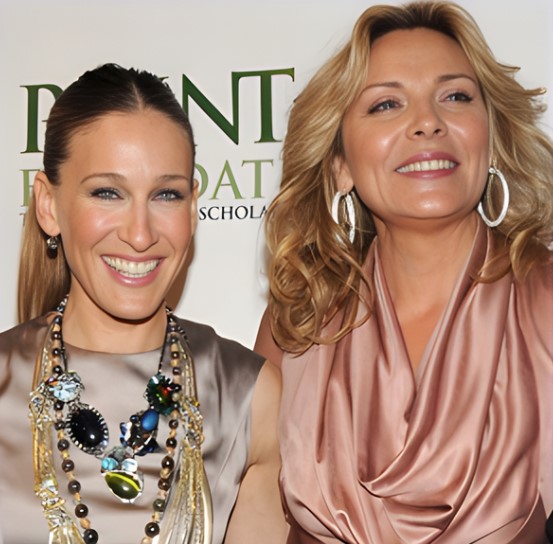
2. Kim Cattrall and Sarah Jessica Parker on *** and the City
This fallout lasted far longer than the original series. Reports of distance between Cattrall and Parker followed the show through films, contract talk, and eventually the franchise’s revival, where Samantha Jones remained largely absent from the main story.
Cattrall made the split impossible to ignore when she publicly drew a hard line, writing, “You are not my family. You are not my friend.” That quote gave years of speculation a definitive public edge. What mattered for viewers was the consequence: one of the franchise’s most recognizable relationships could not be restored in its original form.
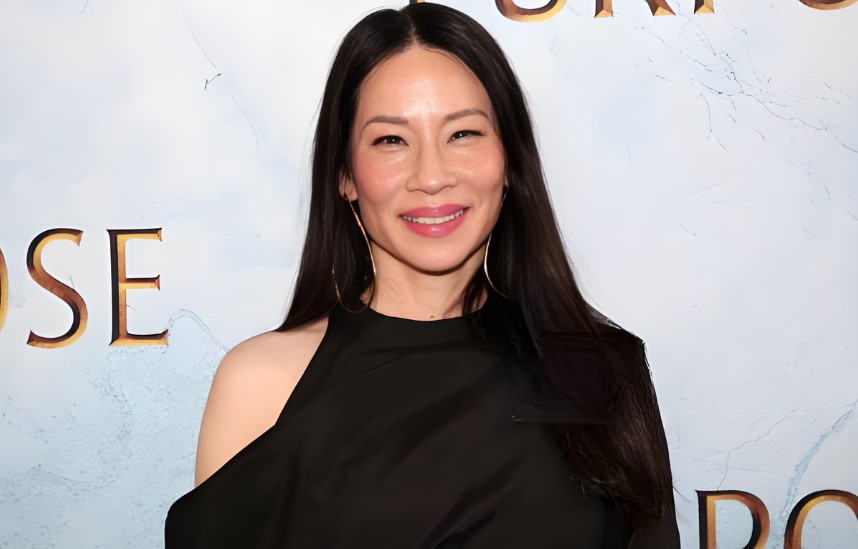
3. Lucy Liu and Bill Murray on Charlie’s Angels
The clash between Liu and Murray became memorable because Liu later addressed it directly instead of letting rumors do the work. She said Murray’s language during rehearsal was “inexcusable and unacceptable,” and explained why she answered back rather than staying silent.
Liu’s response became the real headline. “I stood up for myself, and I don’t regret it,” she said, framing the moment as one about respect rather than celebrity hierarchy. The aftermath mattered too: the sequel moved forward with a different Bosley, and the cast dynamic changed with it.
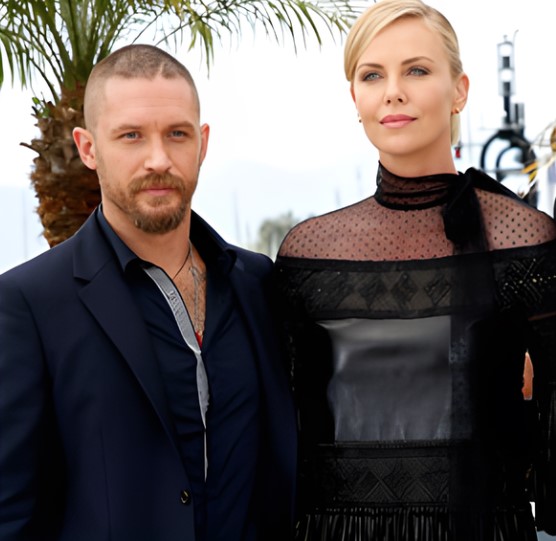
4. Charlize Theron and Tom Hardy on Mad Max: Fury Road
Few modern on-set conflicts have sounded as physically tense as this one. The harsh desert shoot, long delays, and clashing working styles became part of the film’s legend almost as much as the movie’s action scenes.
Later reporting added even more context, including claims that Theron requested added protection on set and that a producer stayed close by for the remainder of filming after a confrontation tied to Hardy arriving hours late. The movie became a critical success, but the production story endured because it showed how a difficult environment can intensify personal friction fast.
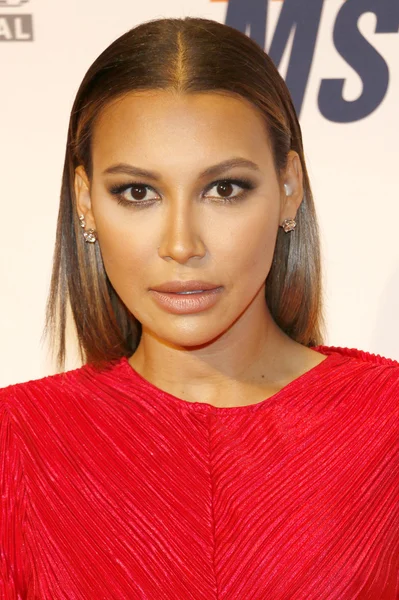
5. Naya Rivera and Lea Michele on Glee
This feud stayed in the spotlight because it unfolded inside an ensemble series built on closeness, friendship, and group performance. Rivera later described the tension in her memoir, writing, “I think Rachel erm, I mean Lea didn’t like sharing the spotlight.”
That line landed because it captured the competitive tone many viewers had already suspected. In later years, more cast members spoke about Michele’s conduct, and Michele issued a public apology after former co-stars described uncomfortable experiences. The result was a lasting shift in how many fans looked back at the show’s upbeat image.
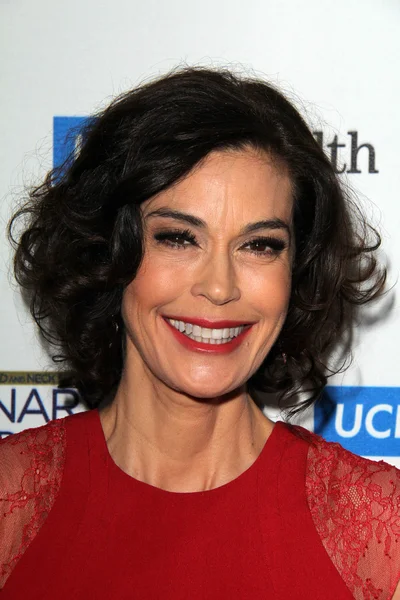
6. Teri Hatcher and the Desperate Housewives cast
The friction surrounding Hatcher became unusually visible because it showed up in a farewell gift moment that fans immediately noticed. Her name was missing from a card signed by the main cast, fueling years of stories that she had become isolated from the group.
That single detail gave a concrete symbol to a rumor cycle that had followed the show for seasons. Coverage later pointed to the cast gift that excluded Hatcher’s name as one of the clearest signs that the divide was not just tabloid invention. The series remained a hit, but the off-screen split became part of its identity.
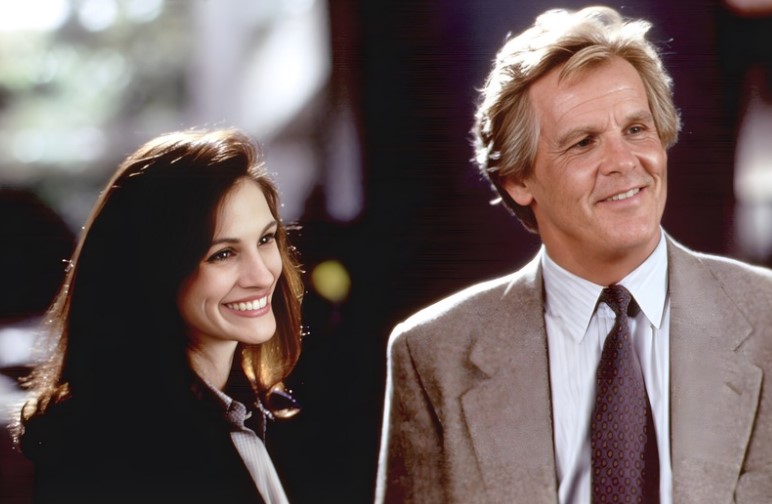
7. Julia Roberts and Nick Nolte on I Love Trouble
The movie was supposed to sell romantic chemistry. Instead, it became one of the clearest examples of two leads whose conflict overshadowed the premise. Reports said stand-ins and scheduling workarounds were used to keep them apart when possible.
The feud lasted because both stars addressed it bluntly. Roberts called Nolte “completely disgusting,” and Nolte answered, “It’s not nice to call someone ‘disgusting.’ But she’s not a nice person.” Those quotes survived because they were unusually direct, and because they made the awkward energy of the finished film easier for viewers to understand.
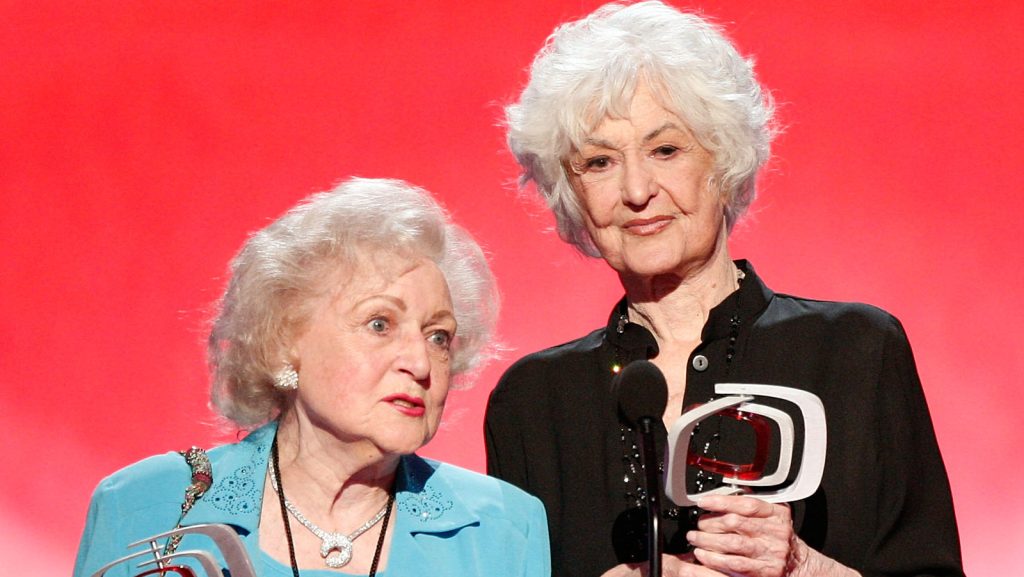
8. Bea Arthur and Betty White on The Golden Girls
Not every difficult relationship involved shouting matches or public insults. In this case, the tension was often described as a clash in personality and comic rhythm, which made it feel quieter but no less important to the show’s legacy.
What keeps this one interesting is the contrast. The series projected warmth, comfort, and effortless ensemble charm, yet cast recollections later suggested the bond was more complicated off camera. Arthur’s eventual departure altered the group permanently, showing how even a successful set can carry real strain beneath an easy surface.
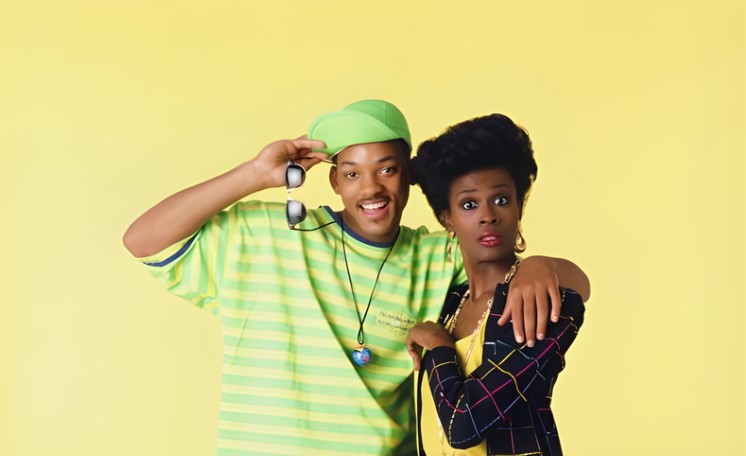
9. Janet Hubert and Will Smith on The Fresh Prince of Bel-Air
Hubert’s departure became one of TV’s most famous recasts because the change was impossible to hide. Aunt Viv was suddenly played by a different actress, and a foundational family relationship had to keep going as if nothing had happened.
The disagreement involved contracts, public comments, and years of resentment before later reconciliation. What made it historic was not just the argument itself, but the fact that the show survived a major cast rupture and turned the recast into part of television memory.
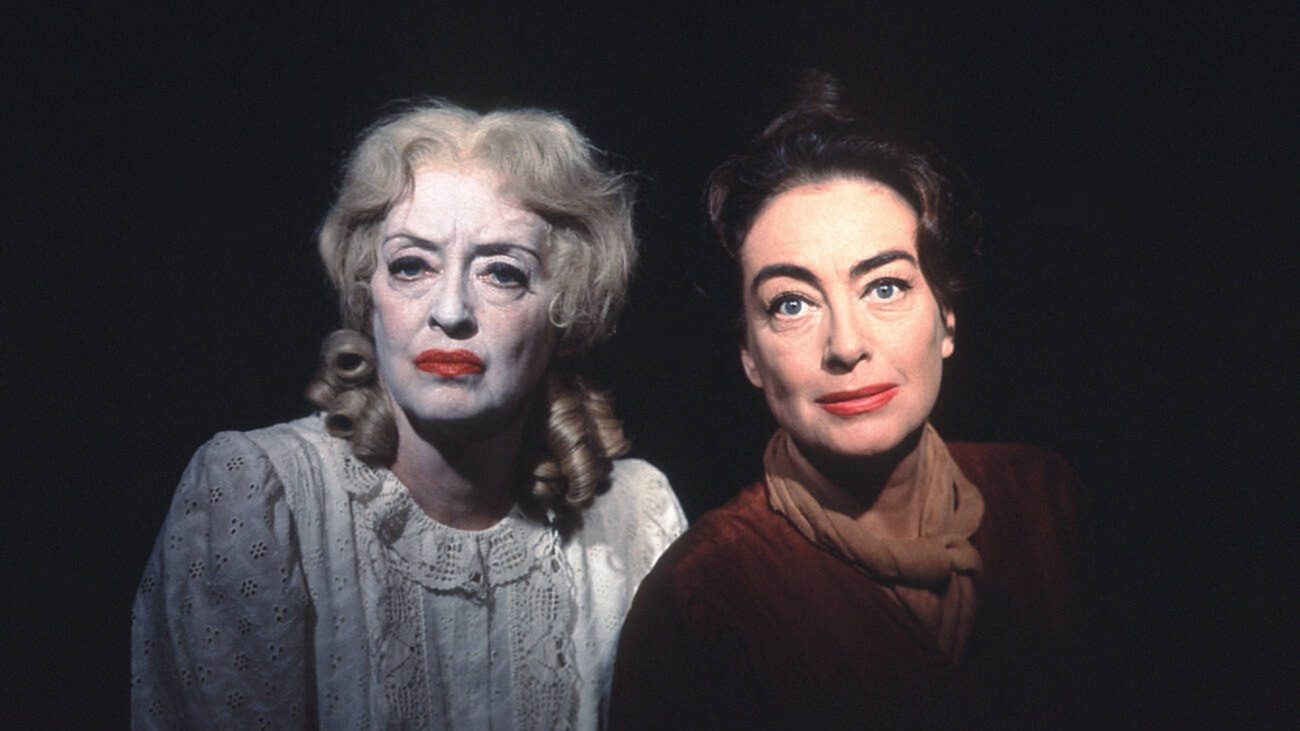
10. Bette Davis and Joan Crawford on What Ever Happened to Baby Jane?
Some feuds become larger than the film that contained them. Davis and Crawford brought an already famous rivalry into production, and stories of pranks, strategic spite, and awards-season tension turned the movie into a permanent case study in star warfare.
One of the enduring stories involved Crawford accepting Anne Bancroft’s Oscar on the night Davis lost, a moment that gave the rivalry an afterlife beyond the set. Their conflict did not just accompany the movie’s legacy. It helped define it.
These stories lasted because the friction had visible consequences. Characters disappeared, scenes were reworked, casts were separated, and audiences were left noticing what had changed. In entertainment, the fallout from a strained working relationship often becomes part of the finished product. Long after the credits roll, that is the detail viewers still remember.

