
Hollywood has never been short on men who could glare through a lens, throw a punch on cue, or walk away from an explosion without blinking. The rarer breed is the actor whose screen toughness did not begin in wardrobe, camera angles, or clever editing.
Some of the most durable tough-guy legends carried mines, rings, barracks, racetracks, dojo floors, and hard years into their performances. That history gave their roles an edge audiences could feel immediately, even when they could not explain it.
1. Charles Bronson
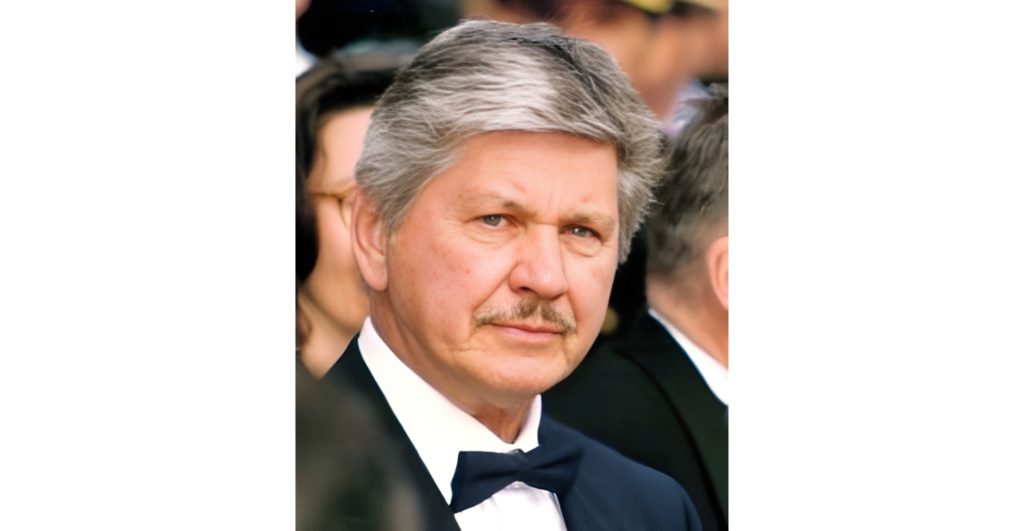
Bronson’s face looked carved out of hard weather because, in many ways, it was. Before becoming a movie icon, he grew up in crushing poverty in Pennsylvania and worked in the coal mines before serving as a tail gunner during World War II. That background explains why his stillness felt so intimidating in films like The Dirty Dozen, Once Upon a Time in the West, and Death Wish. He did not sell toughness with speeches. He sold it with silence, posture, and the sense that a bad decision around him would end badly.
2. Bruce Lee
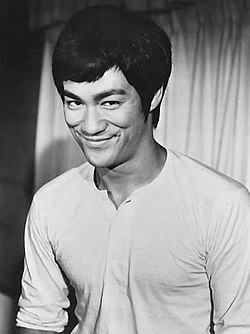
Bruce Lee changed the grammar of action cinema. He was not built like the oversized action stars who followed, but his speed, balance, and discipline made nearly everyone else on screen look staged by comparison. After early Wing Chun training, he developed his own philosophy, Jeet Kune Do, built around efficiency, directness, and adaptability. His influence stretched far beyond a handful of films. He trained performers, pushed martial arts into mainstream Western culture, and made physical intelligence look as powerful as brute force. Enter the Dragon remains a landmark because Lee did not just appear dangerous; he moved like danger itself.
3. Steve McQueen
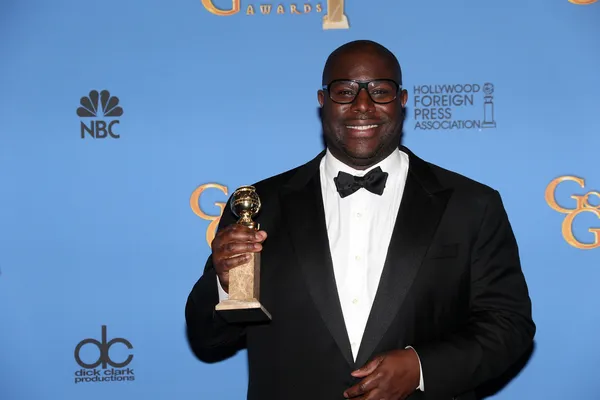
McQueen made rebellion look effortless, but there was real steel underneath the cool. He served in the Marine Corps, loved engines with near-religious intensity, and built a reputation for doing his own stunt work whenever possible. In The Great Escape, that obsession with motorcycles and movement became part of the myth. What separated McQueen from many stars was not noise but control. He looked like a man who trusted himself at high speed, which gave every chase, stare-down, and escape scene extra voltage.
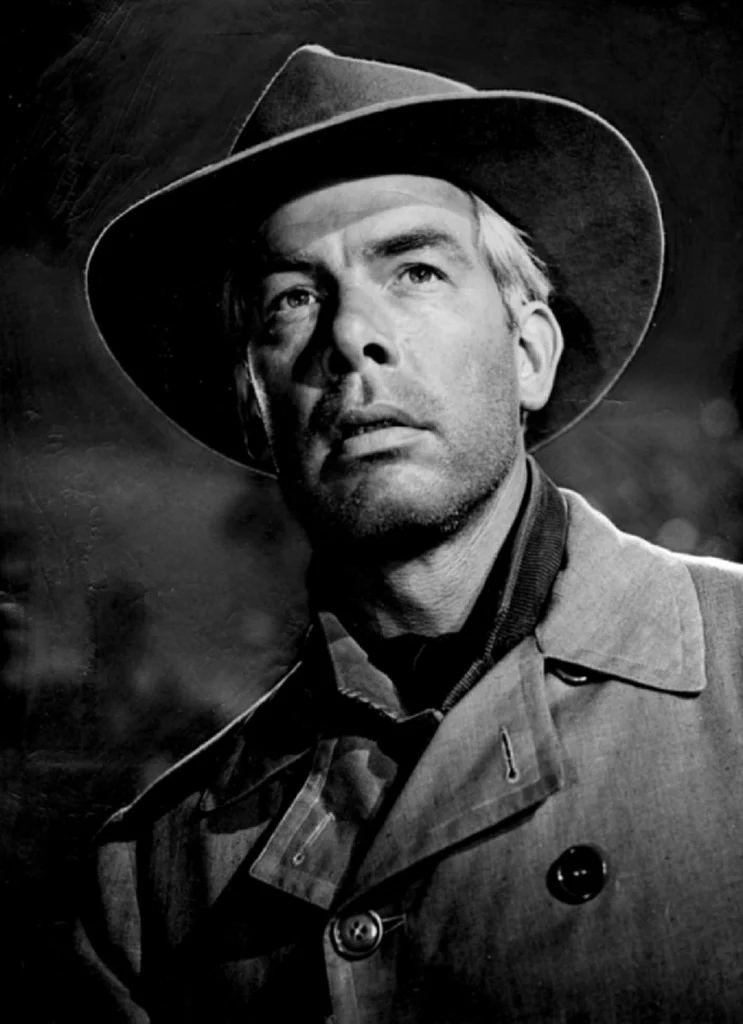
4. Lee Marvin
Lee Marvin brought war into the frame without having to mention it. He served in the Marine Corps and was wounded during the Battle of Saipan, an experience that left a permanent mark on his body and his screen presence. In films such as Point Blank and The Big Red One, his toughness never looked decorative. It looked used. That distinction mattered. Marvin’s performances carried exhaustion, damage, and authority, giving him a rough authenticity that many imitators could not fake.
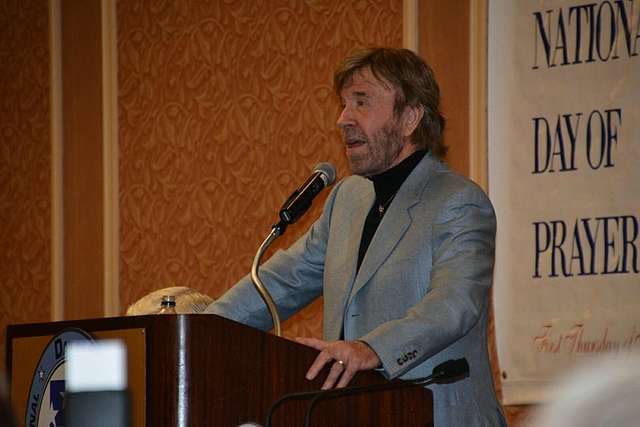
5. Chuck Norris
Norris did not arrive in action movies as a manufactured fighter. He began training while serving in the Air Force in Korea, later building a serious competitive karate career and retiring as undefeated Professional Full-Contact Middleweight Champion. That technical credibility followed him into films and television. Whether in The Delta Force or Walker, Texas Ranger, his appeal came from clean precision rather than chaos. He looked like a man who understood exactly where a fight would end before it started.
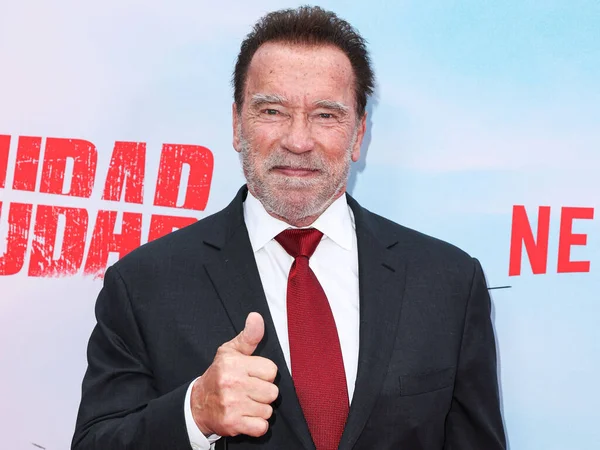
6. Arnold Schwarzenegger
Schwarzenegger turned physical power into a new Hollywood language. Long before The Terminator or Predator, he had already built a global identity as a bodybuilder, winning seven Mr. Olympia titles. That extreme discipline gave him a different kind of screen toughness: not scrappy realism, but overwhelming force. What kept him from becoming a mere statue was charisma. He could play machine-like menace, comic self-awareness, or heroic dominance, and the body always felt earned rather than borrowed.
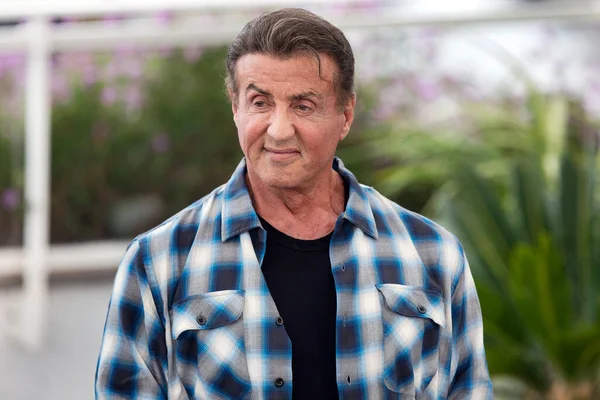
7. Sylvester Stallone
Stallone’s toughness has always been tied to punishment. He wrote Rocky out of his own struggle for recognition, then built a career on characters who absorb absurd levels of damage and keep moving. Off screen, that grind showed up in the injuries he took while chasing realism across the Rocky, Rambo, and later ensemble action films. His defining quality was never polish. It was endurance, the sense that pain was part of the job description and quitting was not.
8. Jackie Chan
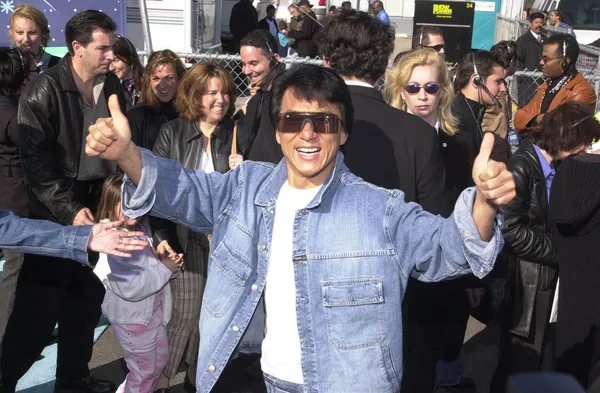
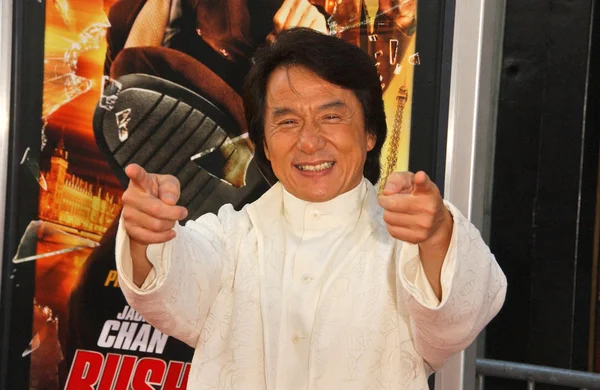
Jackie Chan brought a completely different form of toughness to the screen: fearless precision mixed with chaos, comedy, and astonishing pain tolerance. After ten years at the China Drama Academy, he developed the acrobatic control that powered films like Police Story and Drunken Master. He also built one of cinema’s most punishing stunt legacies, sustaining a long list of serious injuries while insisting on doing the work himself. The result was action that felt breathless because audiences could see the risk in real time. Chan did not just perform stunts; he made physical jeopardy part of his style.
9. Clint Eastwood
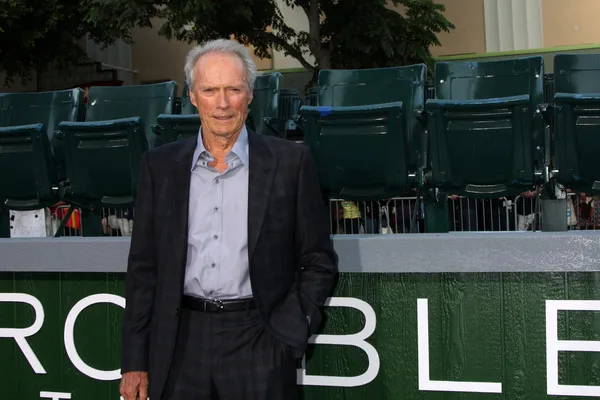
Eastwood’s version of toughness came from restraint. He served in the Army during the Korean War era, then turned economy into an art form. In A Fistful of Dollars, Dirty Harry, and later films, he proved that a squint, a pause, and a few carefully chosen words could hit harder than a monologue. His longevity also changed the archetype. Eastwood did not just play tough men; he kept refining what toughness looked like as he aged, making it colder, leaner, and less interested in proving itself.
10. Danny Trejo
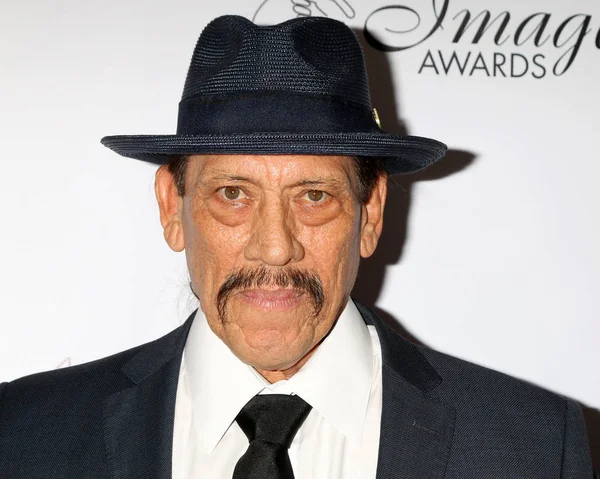
Trejo’s toughness was never polished for comfort, which is exactly why it landed. Before acting, he spent years in the California prison system and became a boxing champion in San Quentin. That history gave him immediate credibility in roles that demanded menace, but it also made his later career more layered than a simple hard-man image. In films like Machete, his face and presence did a lot of the work before the first line arrived. Yet his story also showed that toughness on screen can come from survival, reinvention, and discipline as much as intimidation.
The durable Hollywood tough guy has never belonged to one body type, one era, or one genre. Some brought combat experience, some brought elite athletic discipline, and some brought scars that no costume department could invent. That is what made them memorable. The performances felt bigger because the hardness behind them was already there.

