
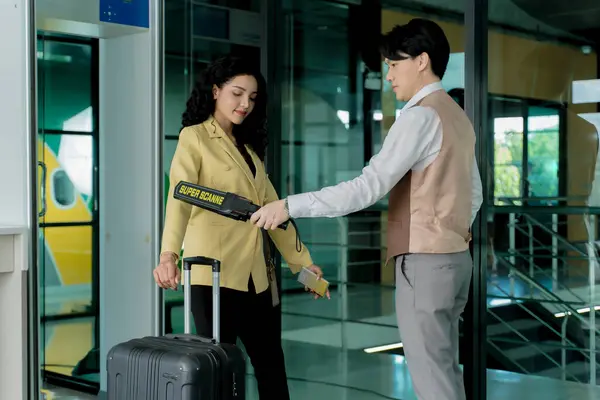
What gets a traveler noticed at airport security is not always what is in a carry-on. Sometimes it is the outfit. Checkpoint screening is designed to spot objects concealed under clothing, which means bulky layers, metal details, and even damp fabric can slow a routine pass through the scanner.
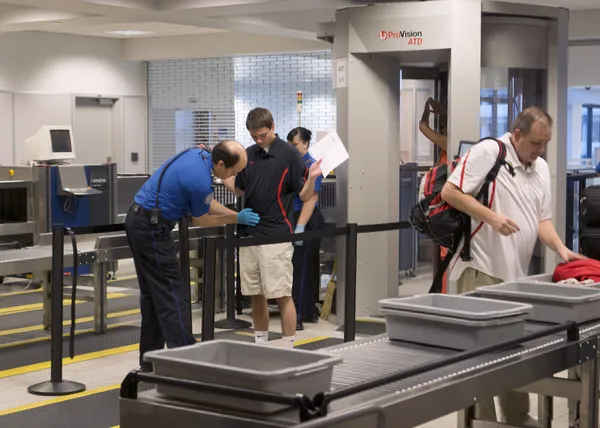
The Transportation Security Administration says oversize pullover hoodies, large sweaters, cardigans, and similar bulky garments may need to come off before screening continues. For travelers, the practical takeaway is simple: the most comfortable airport look is not always the fastest one. A few clothing choices tend to invite extra attention, even when bags are organized and pockets are empty.
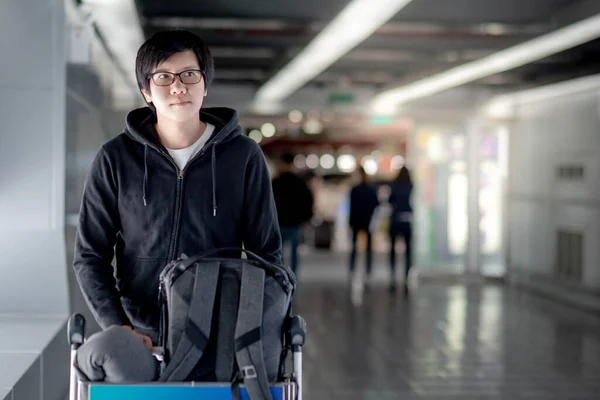
1. Bulky hoodies and oversized sweaters
Loose, heavy tops are one of the easiest ways to end up in secondary screening. TSA guidance says bulky clothing can interfere with advanced imaging scans, and passengers who cannot remove those layers may face additional screening.
That matters most when a hoodie is worn as the only top layer, because taking it off at the checkpoint becomes awkward and time-consuming. A better travel setup is clothing that can be adjusted quickly. A lighter top layer with something underneath tends to move through security more smoothly than a thick pullover.

2. Outerwear that does not match the weather
A heavy coat, parka, or winter boots in warm weather can attract closer scrutiny before a traveler even steps into the scanner. Layers create more places where prohibited items could be hidden, so clothing that feels out of sync with the day often gets a second look. TSA says passengers wearing light outer garments or bulky clothing will be asked to remove them for screening in many cases. Keeping outerwear easy to remove helps avoid delays in line.
3. Clothing with metal hardware
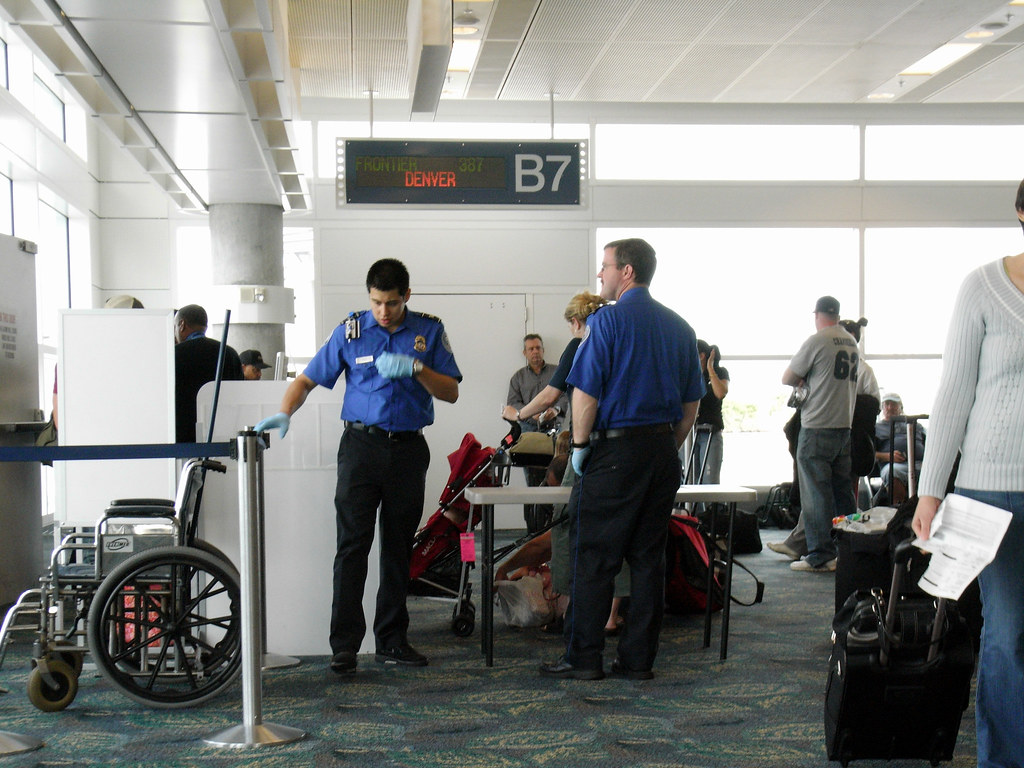
Belts, large jewelry, metal embellishments, and hardware-heavy boots can all create avoidable problems at the checkpoint. Even when the item is allowed, metal details may trigger alarms or require extra inspection. That adds steps, especially when travelers are already juggling a phone, wallet, and boarding pass. TSA travel guidance also advises passengers to wear easily removable shoes, which is one reason slip-on styles are often less troublesome than footwear with heavy laces, buckles, or thick soles.
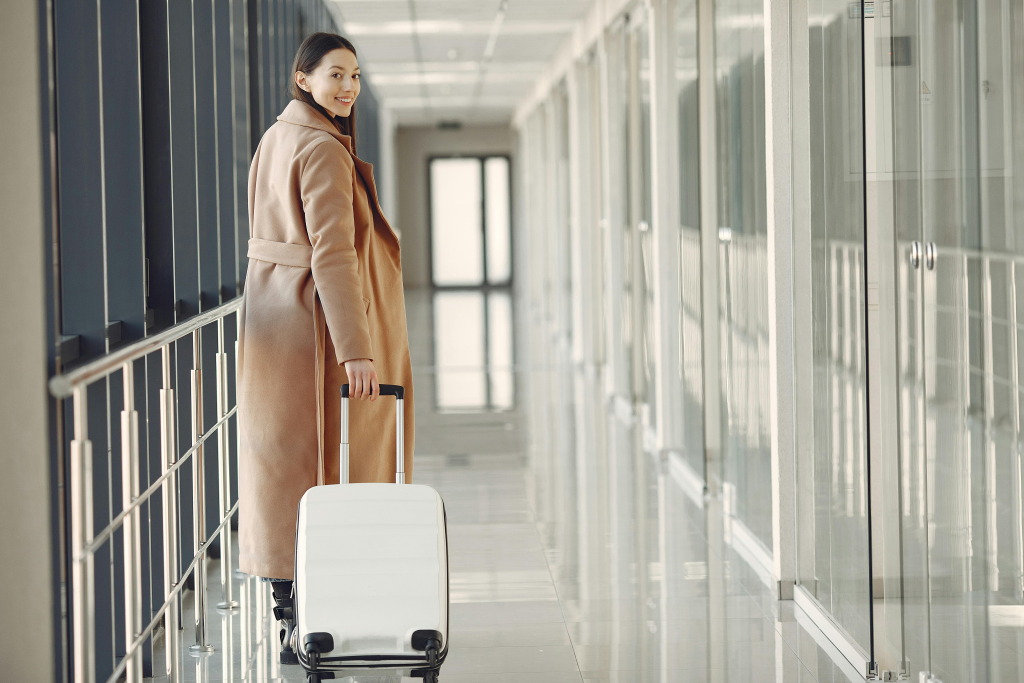
4. Sparkly or embellished holiday clothing
Sequins and decorative details are not just festive. They can also complicate screening. In public guidance shared for holiday travelers, TSA warned that body scanners don’t love sparkles, a reminder that decorative surfaces can create scanner issues much like other dense or unusual clothing features. For travelers flying during party season, simpler fabrics tend to create fewer interruptions than sweaters covered in shimmer or metallic accents.
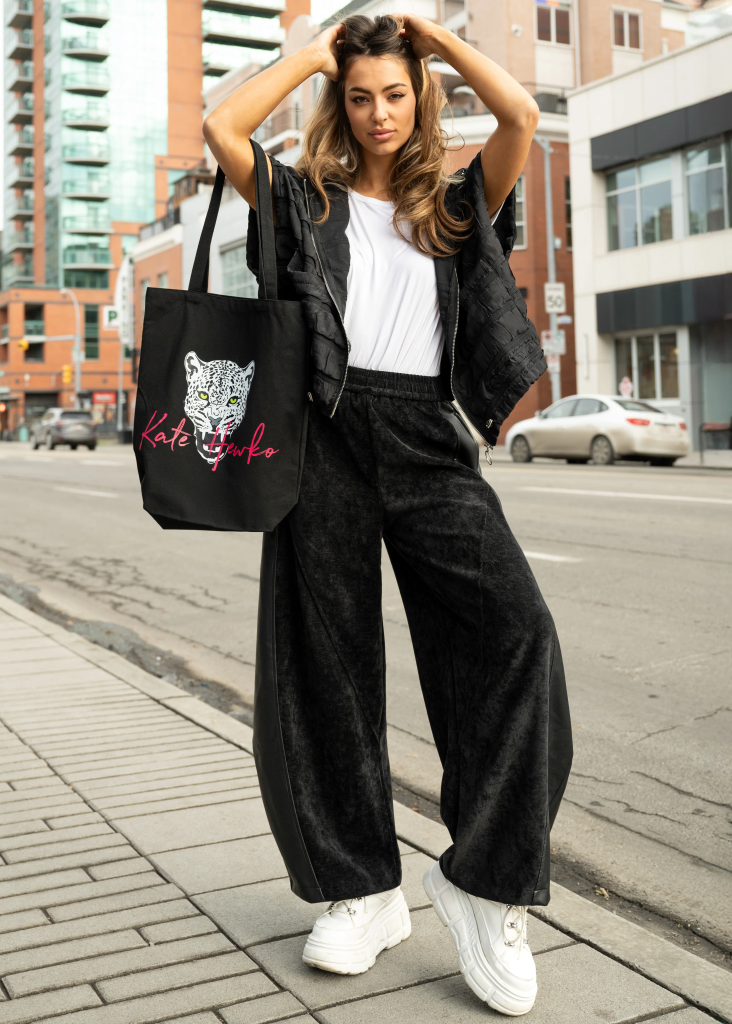
5. Excessively loose pants or pocket-heavy outfits
Cargo pants, ultra-loose trousers, and outfits with many pockets can slow the process for a basic reason: they add places to forget small items and make clothing harder to clear visually. Baggy garments can also lead officers to take a closer look if the scanner cannot cleanly resolve what it detects. More streamlined clothing with fewer pockets usually reduces the chance of holding up the line. It also makes it easier to confirm that nothing has been left behind in a pocket before screening begins.

6. Tight travel clothes that stay uncomfortable after security
Not every airport outfit issue shows up at the checkpoint. Some choices create problems later, especially on long flights. Medical experts quoted in travel coverage have warned that restrictive leggings or very tight jeans can affect comfort and circulation during extended sitting, with deep vein thrombosis among the risks associated with long periods of immobility. That makes the ideal airport outfit a middle ground: not bulky enough to trigger scanner problems, and not so tight that it becomes difficult to sit in for hours.
7. Sweat-soaked clothing
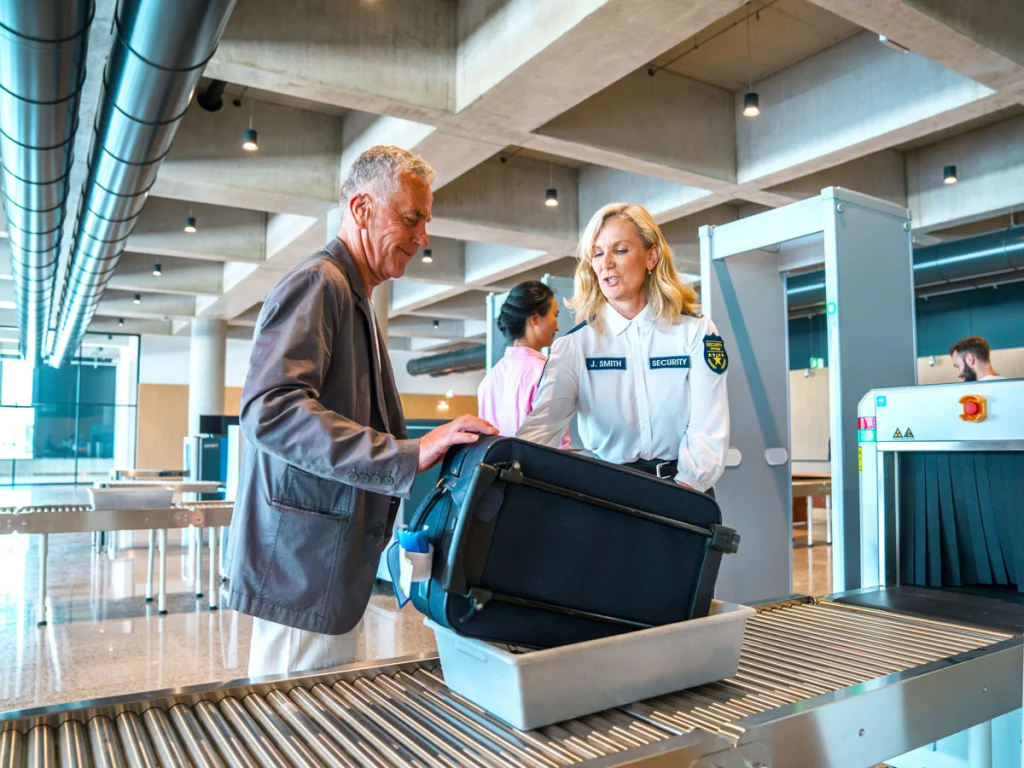
This is the mistake few travelers plan for. Long lines, a rush through the terminal, or a hot departure city can leave clothing damp before screening even starts. A TSA spokesperson has said perspiration can cause scanner alarms because moisture may affect how clothing registers in advanced imaging systems that use millimeter wave advanced imaging technology.
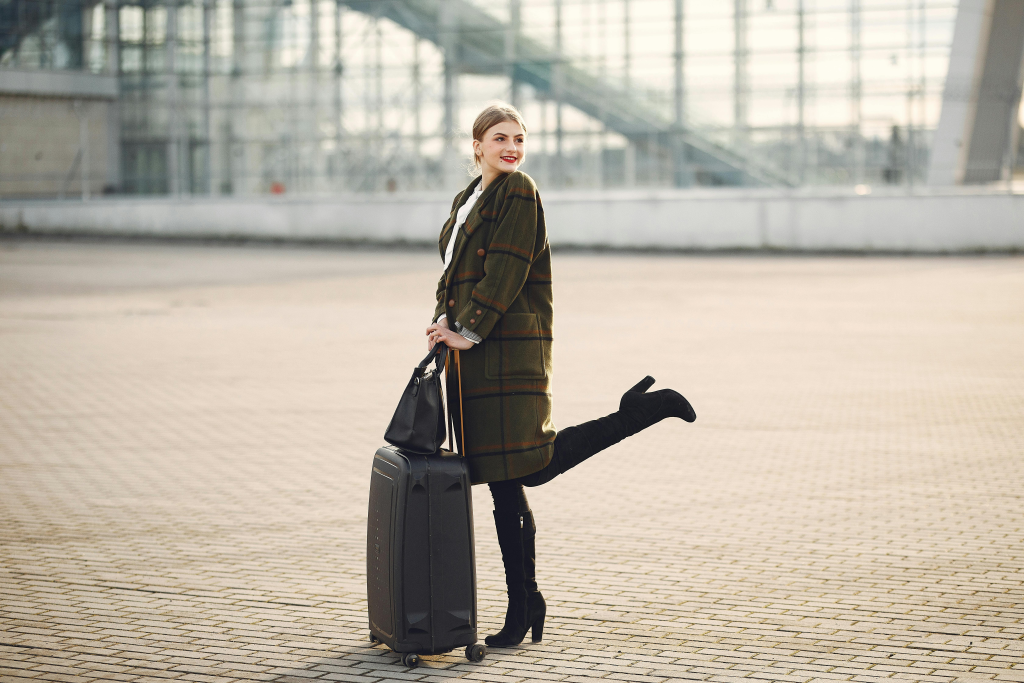
When that happens, the result can be a targeted check or a pat-down. TSA notes that a pat-down may include inspection of the head, neck, arms, torso, legs, and feet, and private screening can be requested. The smoothest airport wardrobe tends to be simple, weather-appropriate, and easy to remove or adjust. Travelers do not need a special uniform for security, but clothing that is less bulky, less complicated, and less likely to confuse a scanner often makes the checkpoint feel a lot less dramatic.

