
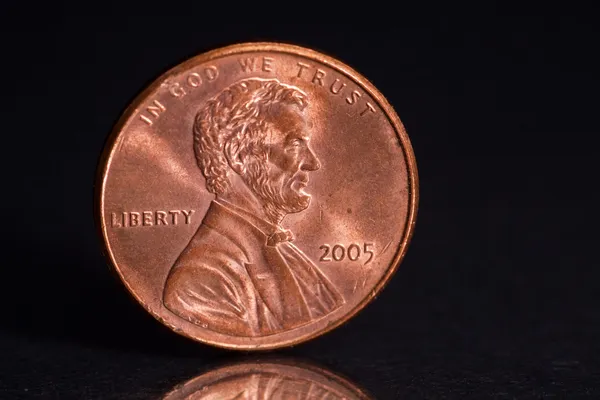
Lincoln cents have a way of looking simple. They turn up in coin jars, inherited folders, and desk drawers so often that many beginners assume the series is easy to read at a glance. That familiarity is exactly what causes trouble. Some of the biggest mistakes in Lincoln cent collecting come from trusting a date, a color, or a famous nickname more than the physical details on the coin itself.
1. Treating doubled dies and double strikes as the same thing
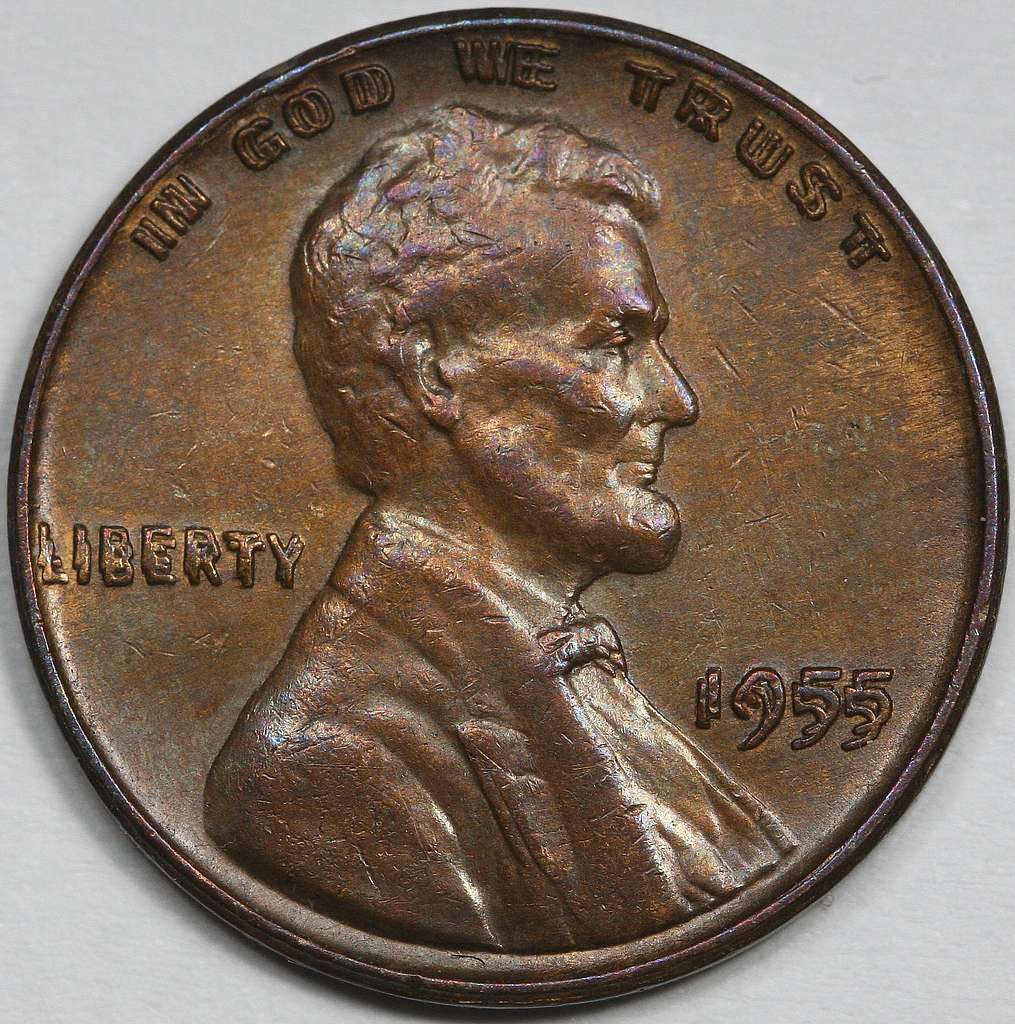
The terms sound close, but they point to different minting problems. A doubled die begins at the die making stage, when the design is impressed out of alignment and the resulting doubling repeats on every coin struck from that die. A double struck coin is a coin hit more than once during striking, which usually leaves distortion, flattening, or shifted design rather than crisp repeated lettering.
The distinction matters because collectors often misread any odd looking cent as a famous variety. On the 1955 doubled die obverse, the most dramatic signs appear on the obverse inscriptions and date, while the reverse remains normal. That pattern is a diagnostic clue, not a minor detail.
2. Assuming any 1955 penny with doubling is the celebrated one
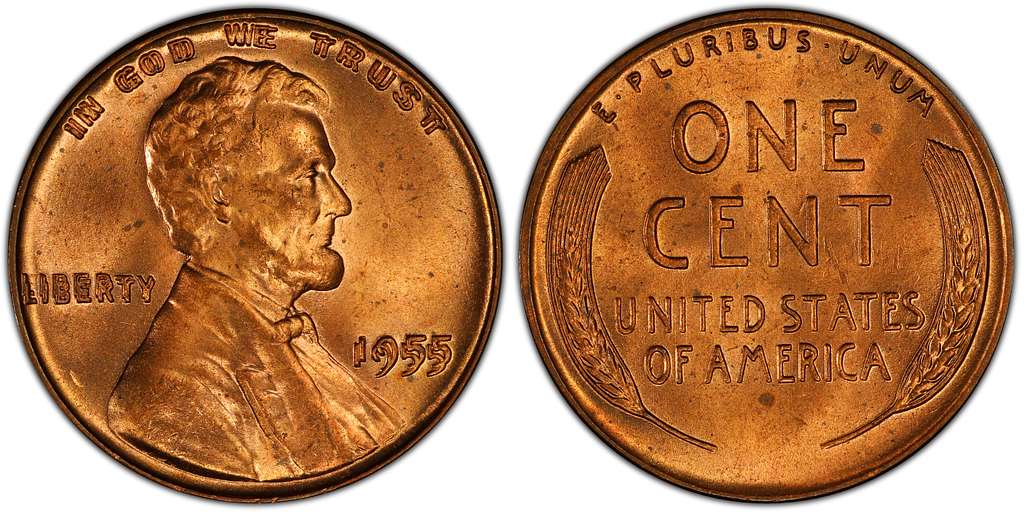
The year 1955 carries so much collector lore that it can overwhelm basic identification. The famous variety is not just any cent with blur or spread in the lettering. It is known for strong, obvious obverse doubling that becomes visible even without magnification once the eye knows where to look.
Its history helps explain the fascination. Q. David Bowers wrote, “Late in the afternoon, a Mint inspector noticed the bizarre doubled cents and removed the offending die.” He also recorded the next step: “The decision was made to destroy the cents still in the box, and to release into circulation the 24,000 or so pieces which were mixed with other cents.” The story is memorable, but the coin still has to match the known markers in hand.
3. Relying on a magnet alone to identify a 1943 copper cent
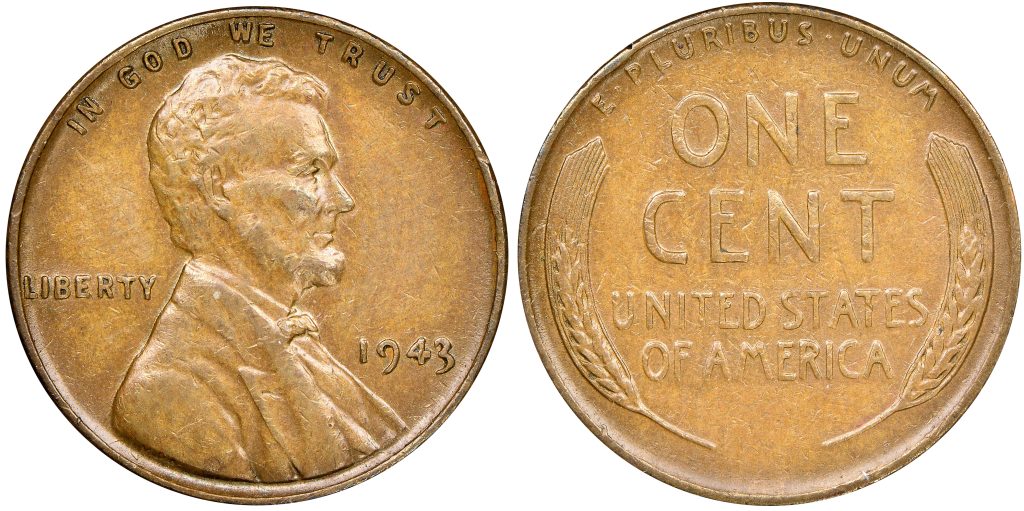
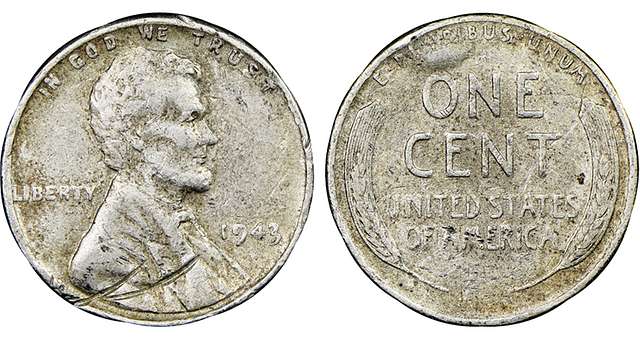
The magnet test is useful, but it is not the finish line. In 1943, cents were made from zinc-coated steel, so regular examples are magnetic while a true copper-struck error should not be. The problem is surface trickery. Many ordinary 1943 steel cents have been plated to look like copper, creating a coin that appears promising but still reacts like steel underneath. The same logic works in reverse for 1944: a scarce steel cent from that year is magnetic, while normal copper cents are not. Magnetism helps narrow the field, but it does not settle authenticity by itself.
4. Believing copper color proves copper metal
Color is one of the easiest things to trust and one of the easiest things to fake. Steel cents can stain, tone, or receive plating, while copper cents can darken or brighten with age and cleaning. Surface appearance can change dramatically even when the core metal has not.
That is why experienced collectors treat color as an opening clue rather than a verdict. Weight often enters the conversation because steel and copper planchets do not weigh the same, especially when sorting suspected 1943 and 1944 transitional pieces. A coin that “looks right” can still be wrong in composition.
5. Thinking every 1909-S VDB with an S mintmark is genuine
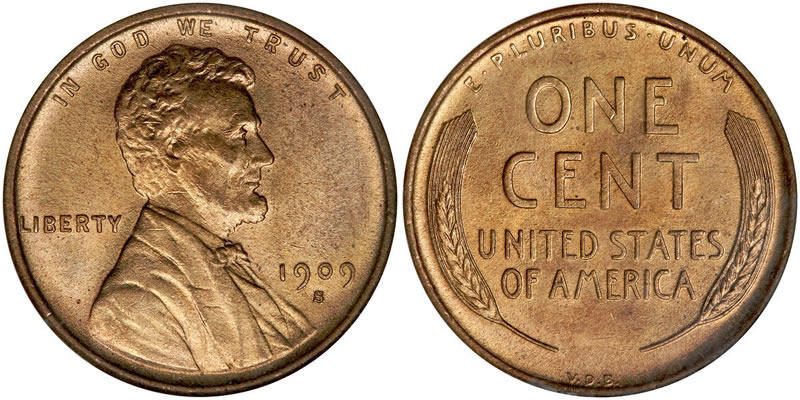
The 1909-S VDB earns attention honestly. It is a first-year Lincoln cent with a low mintage of 484,000, and the Brenner initials made it controversial from the start. That combination also made it one of the series’ favorite targets for alterations.
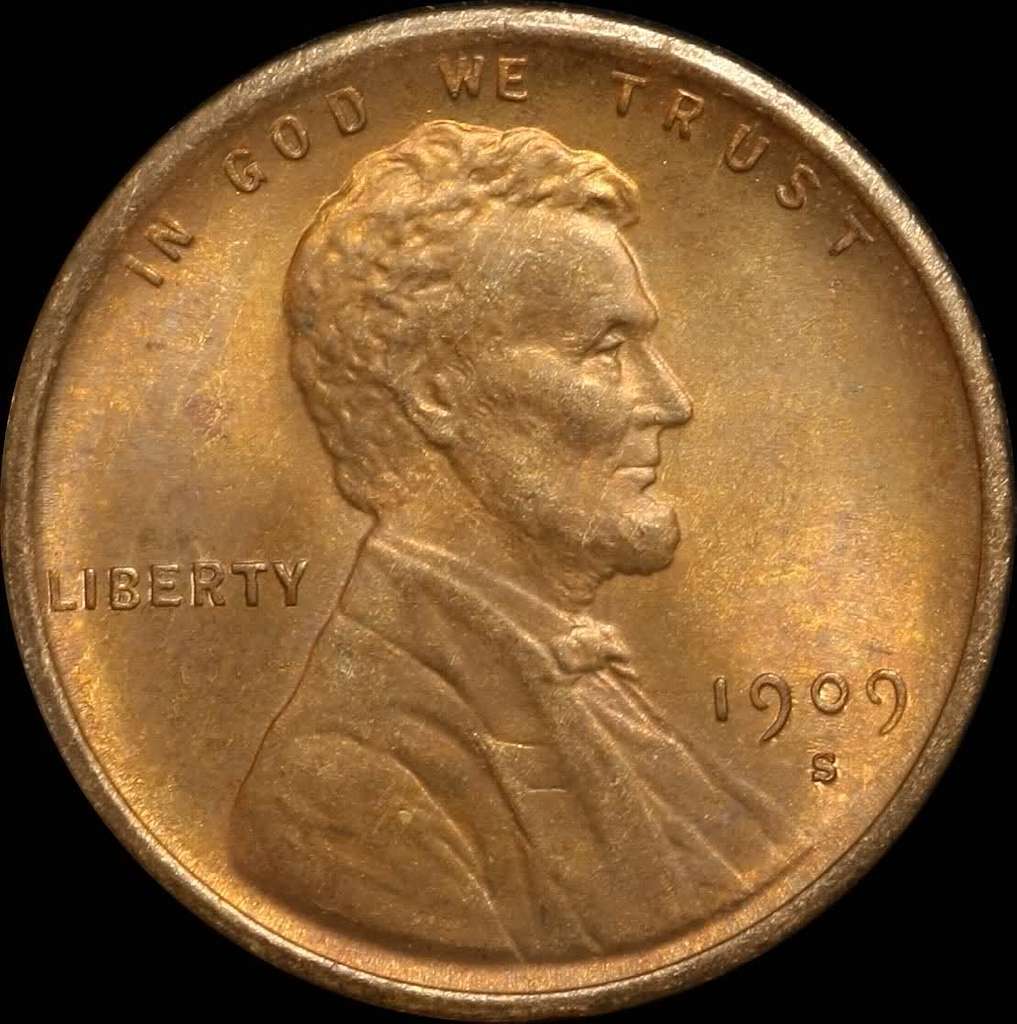
Collectors who focus only on spotting an “S” often miss the more important question: whether that mintmark has the right style and placement. Authentication guides note that the San Francisco mintmark used from 1909 to 1916 came from a single punch, which means genuine examples share consistent features. On many authentic coins, the “S” shows a small raised dot inside the top curve, and the hand-punched location follows known placements from the dies used that year.
6. Ignoring the tiny V.D.B. initials
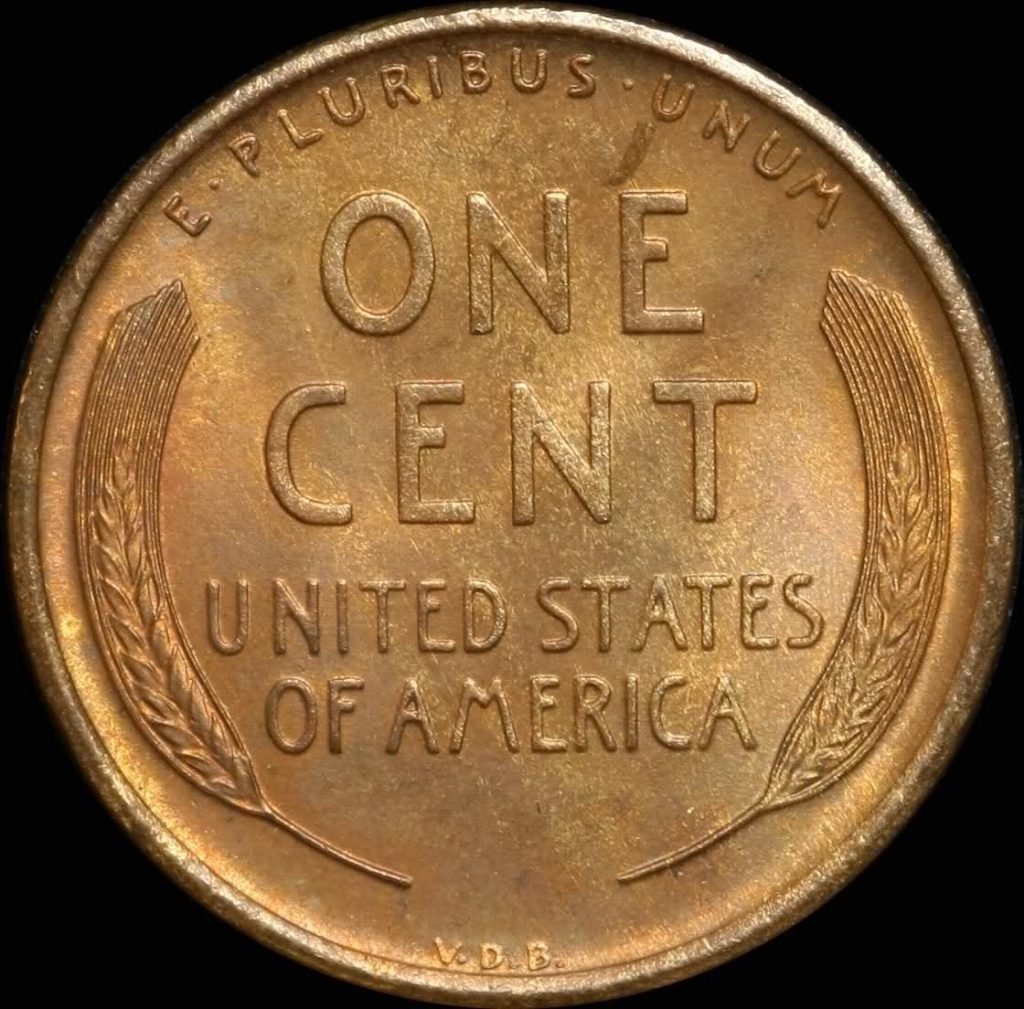
Small details decide big outcomes in this series. On a 1909-S VDB, the initials are not decorative extras; they are central to the coin’s identity, which is why altered pieces often fail in the lettering. Specialists look closely at shapes beginners tend to skip, including the angled crossbar of the “B,” the base of the “D,” the spacing, and even punctuation between the letters. Tiny design features are often where an added initial or reworked surface loses credibility. In Lincoln cent collecting, micro-details are often the whole case.
7. Assuming old wheat pennies are automatically scarce
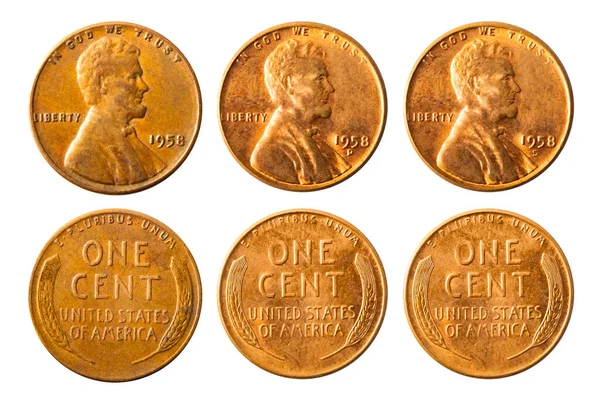
Age creates excitement, but it does not create rarity on its own. The Lincoln wheat cent ran from 1909 to 1958, and many dates were produced in enormous numbers. Most surviving wheat cents are collected because they are historical and familiar, not because they are scarce.
What separates an ordinary survivor from a significant find is usually something narrower: a key date, a die variety, a mintmark pairing, or a transitional planchet error. That is why even dramatic pieces need perspective. Dr. Sol Taylor once described the 1955 doubled die with a useful correction: “While not rare at all, it is very dramatic.”
Lincoln cents reward patience more than quick conclusions. The series contains genuine anomalies, but it also rewards anyone willing to slow down and verify how a coin was made, what markers belong on that issue, and whether the story attached to the date holds up under inspection. For beginners, that shift changes everything. A penny stops being “old” or “special-looking” and becomes a small historical object whose details have to earn belief.

