

The Cascadia earthquake threat is often described in dramatic terms, but the quieter story sits in the space between awareness and readiness. In a region where many residents know “The Big One” will come someday, the most dangerous gap is not simple ignorance. It is the mismatch between the scale of the hazard and the uneven pace of preparation.
That gap shows up in homes, hospitals, neighborhoods, transportation systems, and coastal evacuation plans. It also shows up in the assumption that help will arrive quickly, even though emergency planners have long said many communities may need to function on their own for days or longer.
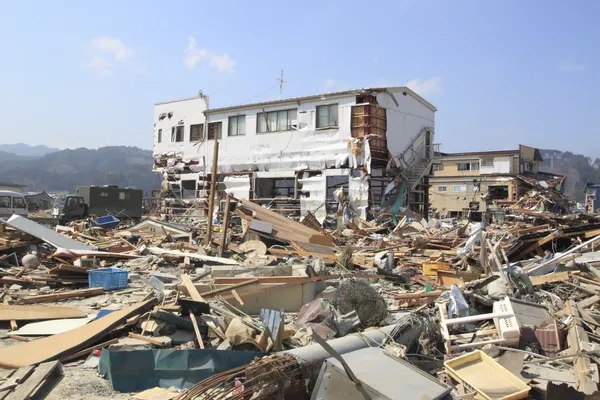
1. The hazard is larger and more varied than many people picture
Cascadia is not a single-scenario threat. The Pacific Northwest faces danger from megathrust earthquakes on the offshore subduction zone, damaging crustal earthquakes on inland faults, and deep intraslab earthquakes beneath places such as Puget Sound.
According to the USGS, the region has an 85-percent chance of a deep intraslab earthquake in the Puget Sound region in the next 50 years, alongside lower-probability but far more catastrophic megathrust events. That mix matters because public attention often narrows to the rare magnitude 9 scenario while everyday preparedness for more likely damaging earthquakes remains incomplete.
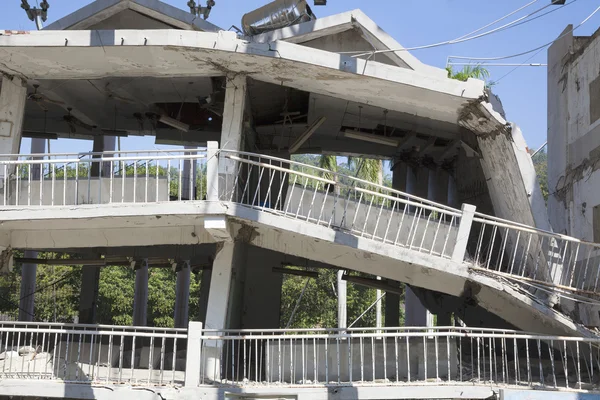
2. The timeline of destruction is shorter than most planning habits
Emergency managers in the Pacific Northwest have stressed that major shaking, infrastructure failure, and coastal flooding would unfold faster than normal decision-making. One county official put it plainly: “This isn’t an ‘if,’ it’s an absolute ‘when,’” Chris Voss said.
The problem is that many people still prepare as if there will be time to search for supplies, call family members, or improvise a plan. Officials in the region have repeatedly warned that emotional overload leads to poor decisions during disasters, which is why communication plans, reunification points, and stocked essentials matter before anything happens.
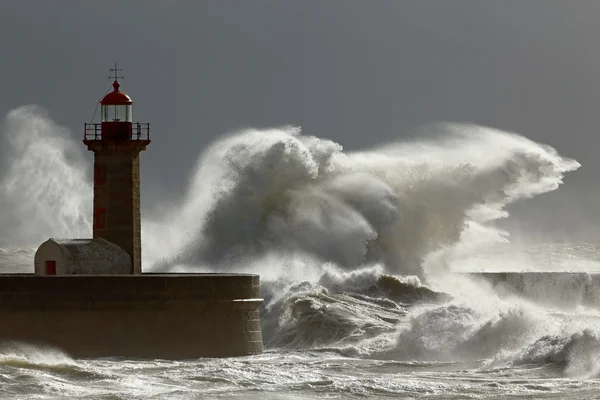
3. Coastal communities may not be able to outrun the water
Tsunami guidance often sounds simple: get to high ground. In practice, the geography is uneven, the walking distances are not equal, and some communities do not have enough time. Research cited by the USGS found that some Pacific Northwest coastal communities may not have time to evacuate before waves arrive.
That finding shifts preparedness from personal awareness alone to community design. In places with limited escape time, vertical-evacuation refuges, public drills, and clear route familiarity become life-safety measures rather than optional upgrades.

4. Self-sufficiency is still underbuilt
Local emergency managers have said residents in affected areas may need to be self-sufficient for at least two weeks after a major Cascadia disaster. That is a long stretch without reliable utilities, transportation, pharmacies, or food distribution. Yet many households still do not maintain a two-week supply of water, medication, and shelf-stable food.
Preparedness guidance in the Pacific Northwest continues to emphasize simple actions: sign up for alerts, build a kit gradually, secure heavy furniture, and create family communication plans that do not depend on functioning cell networks. These are low-visibility steps, but they shape survival in the first days.
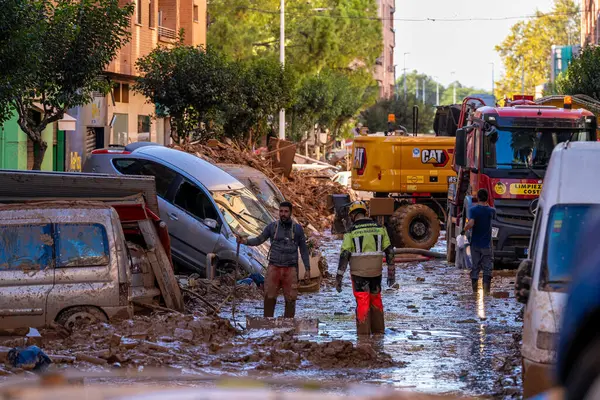
5. Neighborhood capacity may matter as much as official response
After a severe regional earthquake, streets may be blocked, bridges may fail, and outside responders may not reach many areas quickly. That reality has pushed some counties toward neighborhood-based planning, where residents identify local skills, tools, vulnerable neighbors, and utility shutoff knowledge before a disaster.
It is a practical idea with a profound implication: the first effective response may come from the people already on the block. Where that social preparation is weak, the preparedness gap widens even if public agencies have sophisticated plans on paper.
6. Critical buildings remain exposed in the places that need them most
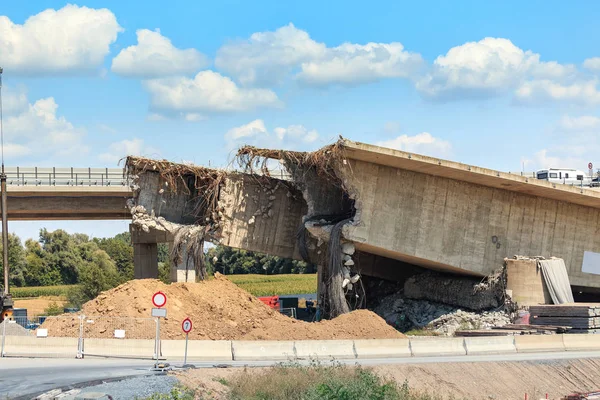
Hospitals, bridges, fuel systems, and utility networks are supposed to anchor recovery, but many remain vulnerable. County officials have described ongoing efforts to retrofit bridges, create resilience hubs, and map post-quake “population islands” that could become cut off from normal supply routes. Those efforts are substantial, yet far from complete.
The consequences extend beyond collapse. Models discussed by local officials indicate that after a major Cascadia event, the number of exposed structures and roads subject to repeated flooding could increase sharply for generations, changing not just the emergency phase but the long recovery that follows.
7. Coastal healthcare reveals the stakes of delayed resilience
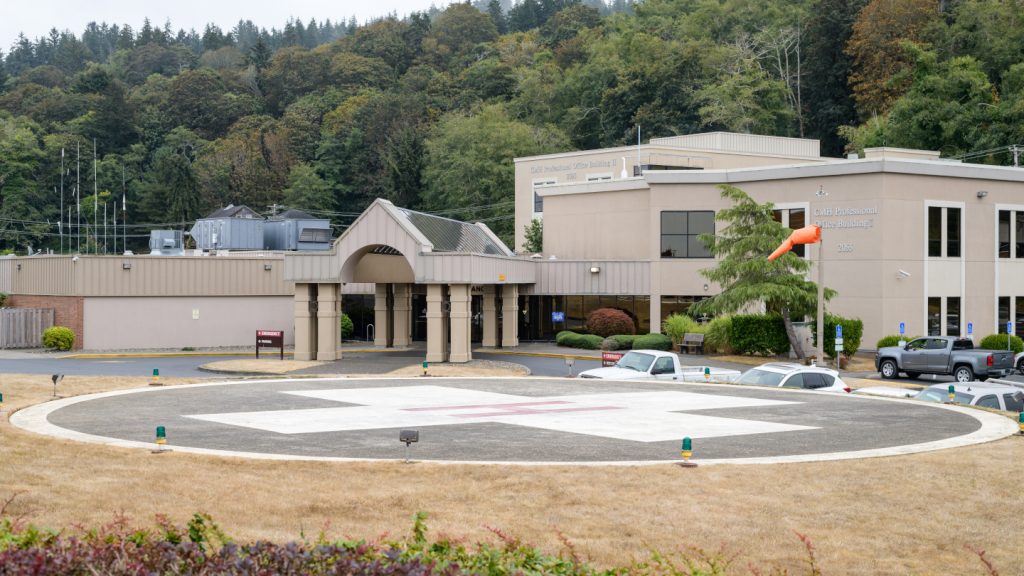
One of the clearest examples is on the Oregon coast, where Columbia Memorial Hospital has moved ahead with a new facility that includes an elevated tsunami refuge. Reporting on the project described a shelter designed for up to 1,900 people, plus supplies to sustain them for five days.
That kind of design answers a hard local truth: in some communities, evacuation is not enough, and critical care cannot simply be moved uphill at the last minute. When resilient facilities are delayed, the preparedness gap stops being abstract and becomes a question of whether care survives the event.
8. Funding uncertainty slows the unglamorous work that saves lives
Preparedness rarely fails because no one understands the risk. It often fails because seismic retrofits, hospital hardening, evacuation structures, and resilient public facilities are expensive, slow, and politically easy to postpone.
Local officials have described this work as a race against time, especially in rural or coastal communities with limited budgets. That creates a dangerous imbalance. The science is mature, the warning is longstanding, and the interventions are known, but implementation still moves one project at a time.

9. The most overlooked gap is psychological, not geological
Preparedness experts have consistently pointed to a human factor: people tend to assume they will think clearly under pressure, improvise effectively, or reconnect quickly with loved ones. Tiffany Brown of Lane County warned, “In that moment, your head isn’t working clearly, and so to what extent you can think about things ahead of time, do so.”
That is why the quiet preparedness gap is so consequential. Cascadia’s danger does not rest only in tectonic force; it rests in the everyday delay between knowing a disaster is possible and acting as though it is certain. The Pacific Northwest has not lacked forecasts, studies, or cautionary language. What remains uneven is the ordinary, local, often invisible work of readiness. If Cascadia’s next major quake turns especially deadly, that gap will not have opened in a single day. It will have been accumulating for years.

