
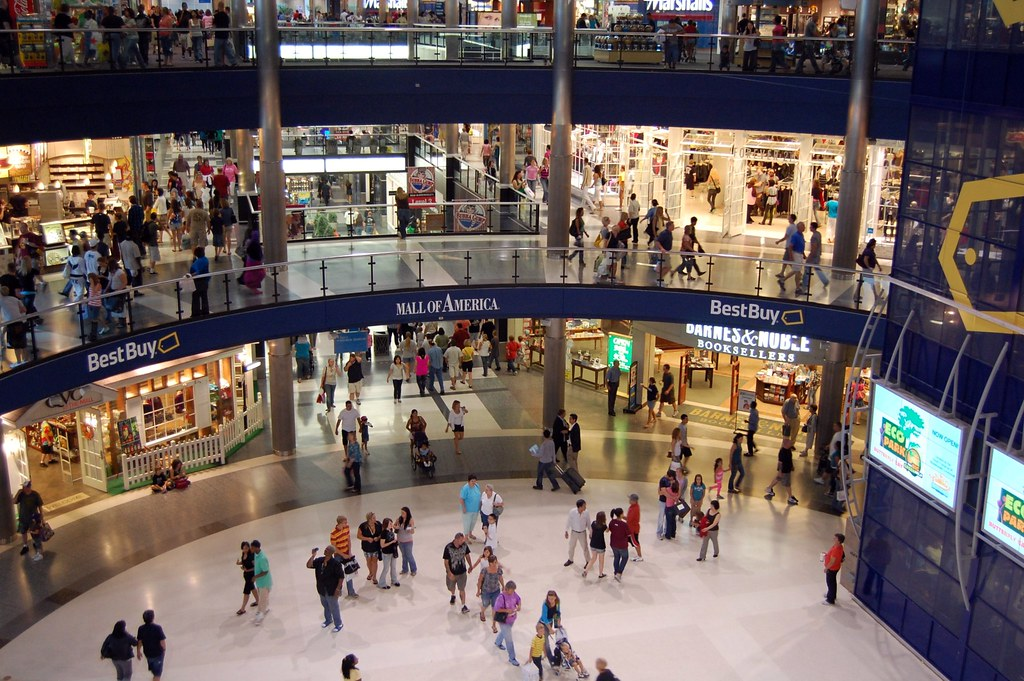
For decades, the American mall worked as more than a retail stop. It was a climate-controlled social space built around department-store anchors, food courts, bookstores, and long indoor corridors that encouraged people to stay longer than their shopping lists required.
That formula weakened as major chains shrank, mall vacancies climbed, and shoppers shifted toward e-commerce and easier open-air retail. As anchor stores disappeared, malls did not just lose square footage. They lost a set of familiar rituals that once made the trip feel like an event.
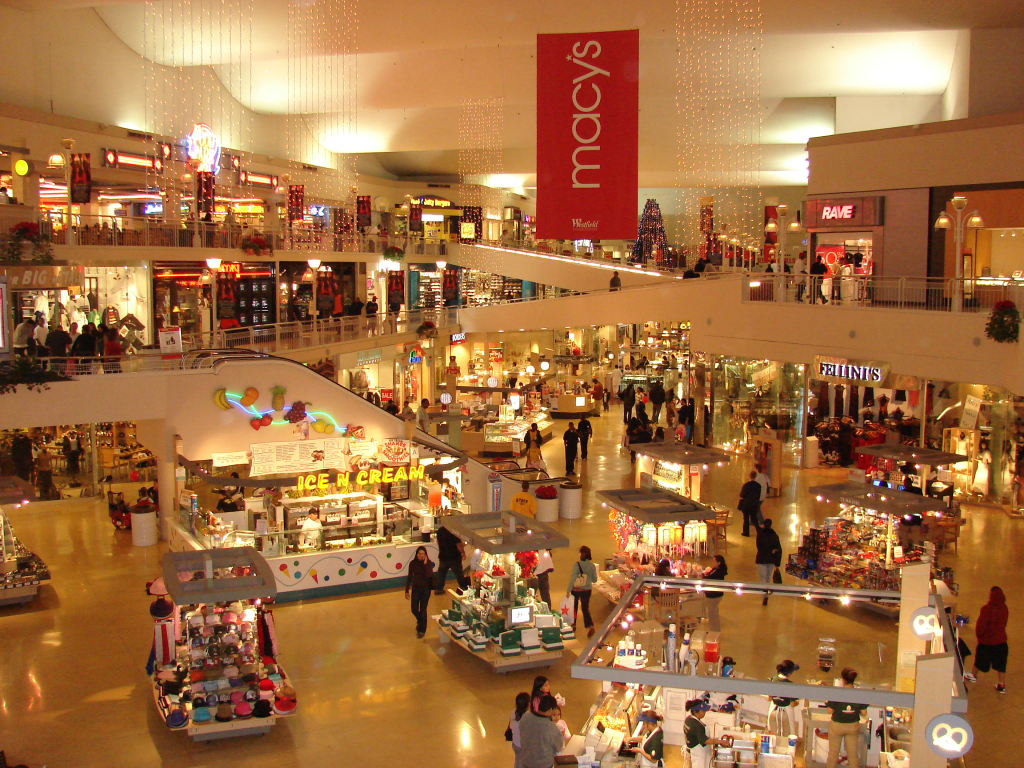
1. Wandering a department store without a mission
Traditional department stores once gave mall visits a loose, open-ended rhythm. Shoppers could move from cosmetics to housewares to formalwear in a single building, browsing categories they had not planned to visit. That kind of unstructured roaming helped anchor stores function as the main draw at either end of the corridor, with smaller shops benefiting from the traffic in between.
As chains such as Sears, Macy’s, JCPenney, and Lord & Taylor closed stores or reduced their mall presence, that experience thinned out. Retail analysts described the loss of anchors as part of a broader spiral in which reduced foot traffic weakened surrounding tenants too, making the mall feel less like a full afternoon destination and more like a stop for one or two errands.
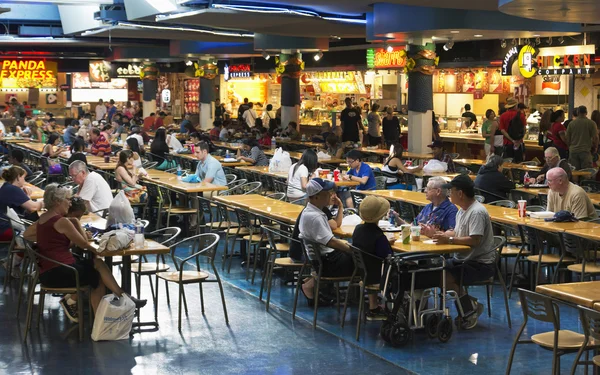
2. The “meet at the food court” ritual
The mall food court once served as an informal town square. It was the easiest place to regroup, people-watch, and stretch a visit between purchases. Reference pieces on mall culture repeatedly connect that scene to teenage independence and casual social life, when the food court mattered as much as the stores.
That atmosphere became harder to sustain when nearby anchors closed and corridor traffic dropped. Empty storefronts change the sound and pace of a mall, and the food court loses part of its role when fewer people are circulating through the building for hours at a time.
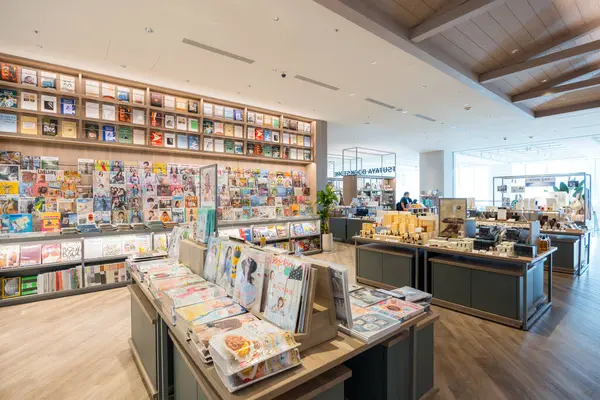
3. Browsing a giant bookstore as part of the trip
Large bookstores once gave malls a slower, quieter kind of traffic. They offered seating, long visits, and a reason to linger even without buying much. One reference recalled the closing of a Borders at White Flint Mall as a telling moment in the broader decline of the classic mall.
That habit did not vanish everywhere, but it became far less common. Newer mall strategies now point to the Barnes & Noble effect as a traffic driver precisely because the old bookstore routine became unusual enough to stand out again.
4. Spending a whole afternoon under one roof
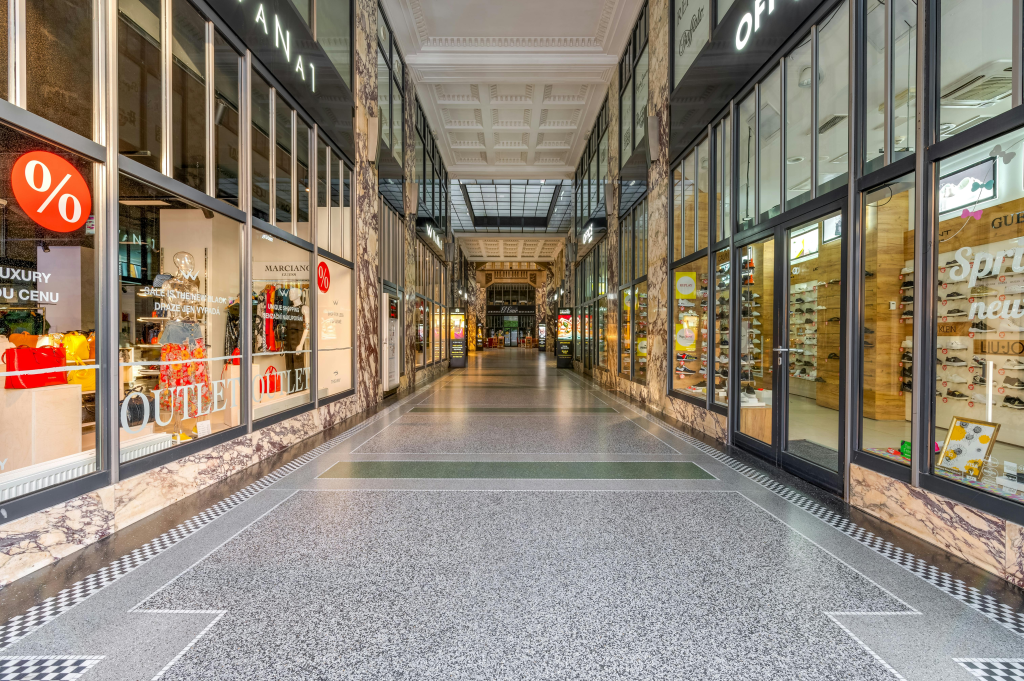
The enclosed mall was designed for lingering. Southdale, widely recognized as the first modern enclosed mall, introduced the inward-facing, climate-controlled formula that turned shopping into an extended indoor outing. People went there to browse, eat, sit, and meet friends, not simply to complete a transaction.
That full-afternoon pattern faded as online shopping handled routine purchases and many malls lost the mix of tenants that once rewarded extended visits. Even surviving malls often had to replace the old formula with entertainment, fitness, worship spaces, or mixed-use redevelopment to restore regular foot traffic. The visit itself changed from wandering to purpose-driven.
5. Following the pull of the anchor from one end of the mall to the other
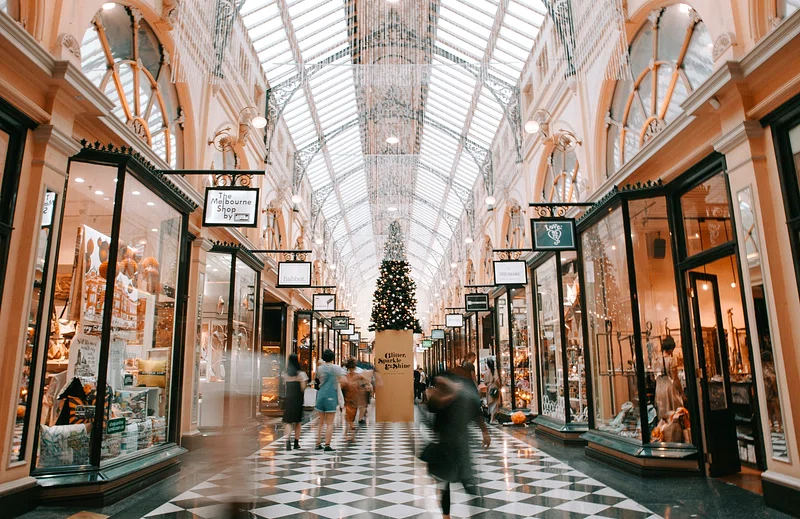
Classic malls were built around movement. Department stores at opposite ends created a natural path, sending shoppers past specialty retailers in the middle. That design only worked when the anchors were strong enough to keep people circulating.
Once those stores weakened, the corridor lost its logic. Industry reporting described this as one of the most damaging effects of anchor closures: smaller tenants lost exposure, leases became unstable, and sections of the building started to feel disconnected. What disappeared was not just a store, but the sense that the entire mall was stitched together.
6. Treating the mall as a teenage hangout
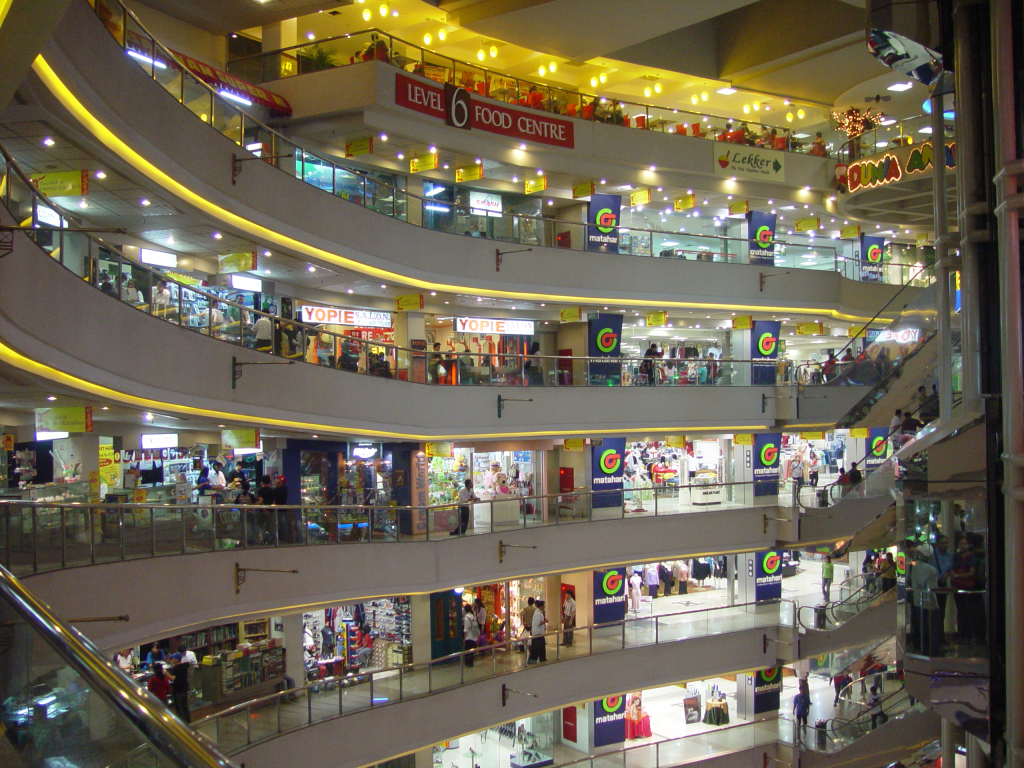
Mall culture created its own youth rituals, from casual wandering to meeting friends with little money and plenty of time. Cultural references to “mall rats” persisted because the setting was so recognizable: safe enough for parents, busy enough for teens, and structured around hanging out as much as shopping.
That version of the mall weakened as closures spread and many properties entered visible decline. One long-term estimate cited in the references noted that between 2007 and 2009, 400 of America’s largest 2,000 malls closed. Fewer functioning malls meant fewer places where that social routine could continue in the same way.
7. Discovering local character inside a national chain
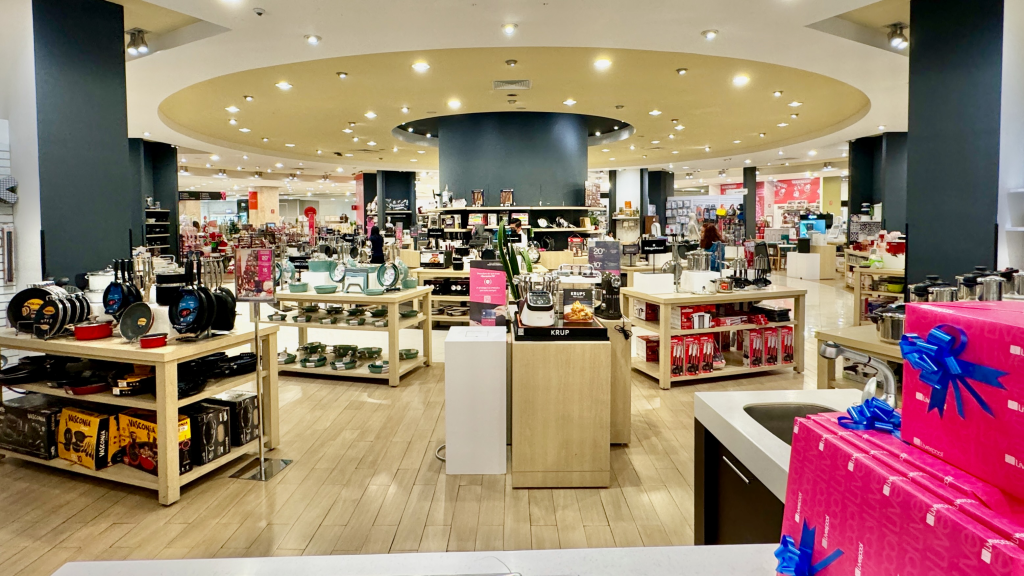
Older department stores and mall anchors once carried more local identity than many shoppers remember. Retail observers noted that when regional banners were absorbed into national chains, stores often lost some of the individuality in merchandising and customer loyalty that had distinguished them.
That made mall visits feel more interchangeable. A trip that once reflected local buying habits or a store’s longtime reputation became more standardized, then more fragile. When those homogenized stores later closed, they took with them one of the last traces of regional personality inside the mall.
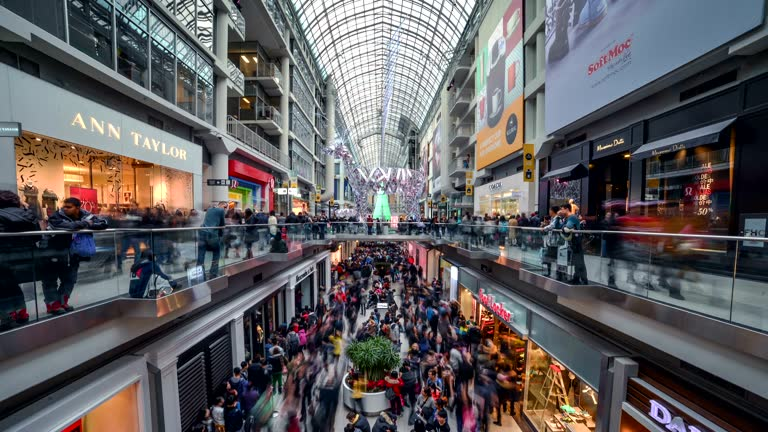
8. Hearing the full sensory buzz of a busy indoor mall
The classic mall had a distinct atmosphere: escalator hum, overlapping conversations, trays clattering in the food court, perfume counters near the entrance, and the visual pull of mirrors, skylights, and storefront displays. One reference quoted Don DeLillo describing that environment as “the human buzz of some vivid and happy transaction.”
That sensory density depended on occupancy and motion. As mall vacancies reached a 20-plus-year high and anchor losses spread, many malls became noticeably quieter and more fragmented. Even where retail remained, the old feeling of abundance was harder to recreate. America’s mall closures changed more than the tenant list. They erased habits that once made the building feel like a shared social space rather than a collection of stores.
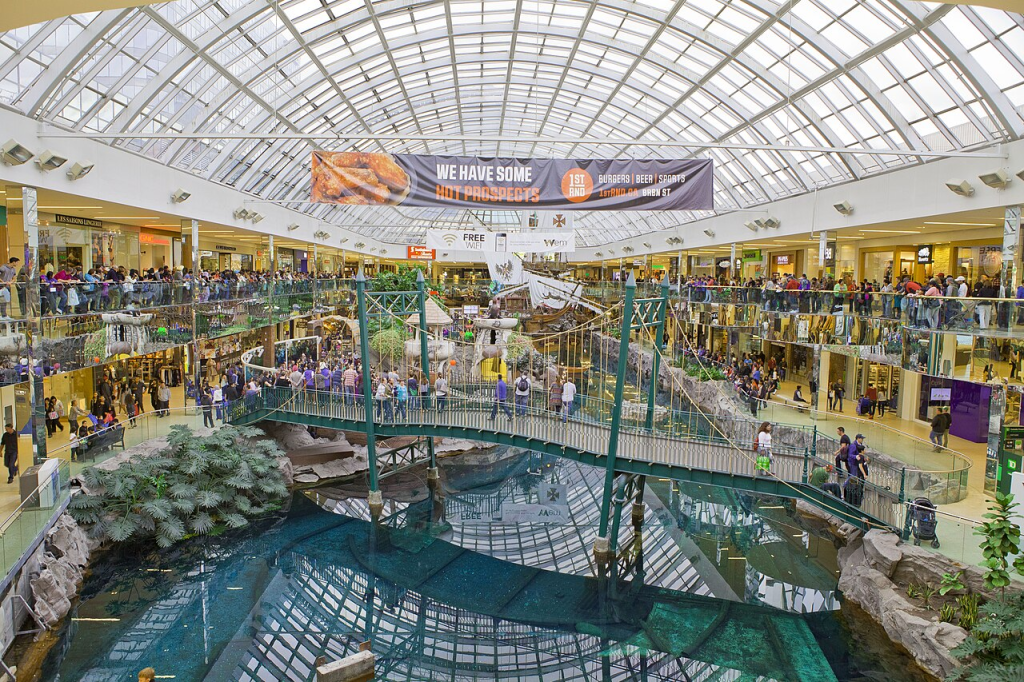
What replaced those rituals varies by property. Some malls now lean on churches, bowling, restaurants, apartments, or community uses. But the classic experience built around giant department stores, casual lingering, and indoor social life belongs to a different phase of American retail.

