
Homecomings often look simple to people: a voice at the door, a hand reaching down, a burst of affection. For many dogs, though, greetings are a fast-moving social event filled with pressure, body signals, and decisions about safety.
Dogs communicate with posture, distance, movement, and scent. That is why some common human habits during greetings can create tension without anyone noticing it. Subtle stress signs such as lip licking, turning away, yawning, panting in a cool room, or a tucked tail can appear long before a growl or retreat, according to common canine stress signals.
1. Leaning over the dog the moment they approach
A person bending directly over a dog can feel intrusive, especially in a doorway, hallway, or beside furniture where the dog has limited space to move away. Dogs often rely on distance to manage social pressure, and hovering removes that option.
This is one reason a dog may roll partly onto their side, freeze, look away, or tuck the tail instead of leaning in. A belly-up posture is not always an invitation for touch. In some cases, it signals discomfort and an attempt to say, “I am not a threat,” while still asking for room.
2. Assuming every tail wag means the dog is thrilled
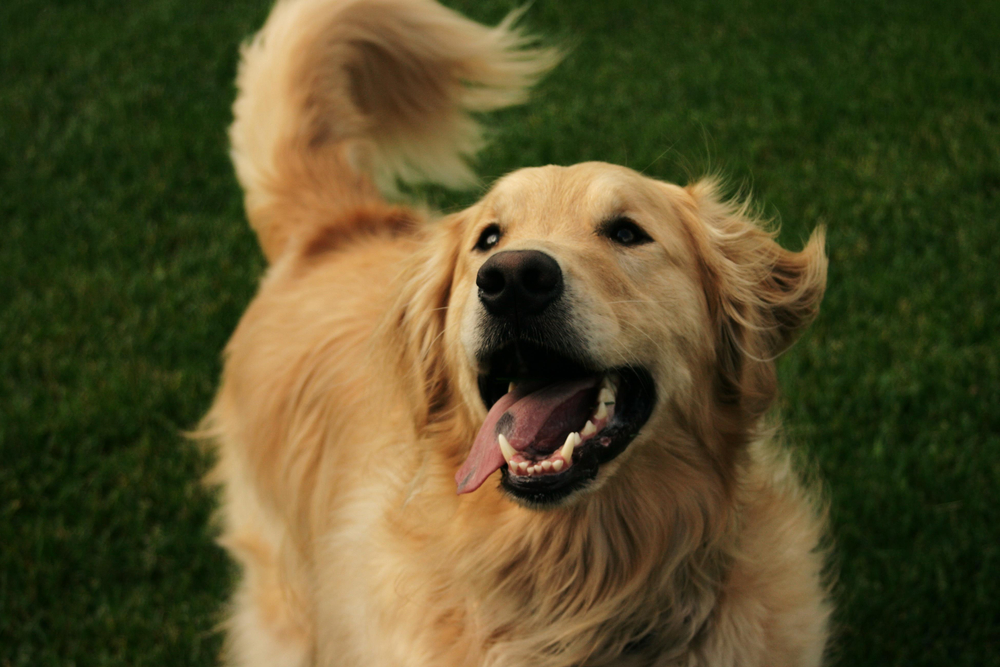
Tail wagging is one of the most misunderstood parts of canine body language. A loose, easy wag can reflect comfort, but a low, quick wag or a high, stiff wag can signal uncertainty or agitation rather than pleasure.
Greeting a dog more intensely just because the tail is moving can raise their stress instead of easing it. The rest of the body matters: ears, mouth, posture, eyes, and whether the dog seems loose or rigid all help explain what the tail is actually saying.
3. Petting the head and face before checking the rest of the body
Many people reach straight for the top of the head. Dogs do not always welcome that kind of direct contact, particularly when they have only just woken up, come in from outside, or are still processing who has entered the room.
Some dogs try to cope politely by licking their lips, blinking, turning the head, or lowering the body. Those gestures are easy to miss, but they matter. Reading the whole dog rather than rewarding silence can make greetings calmer and clearer.
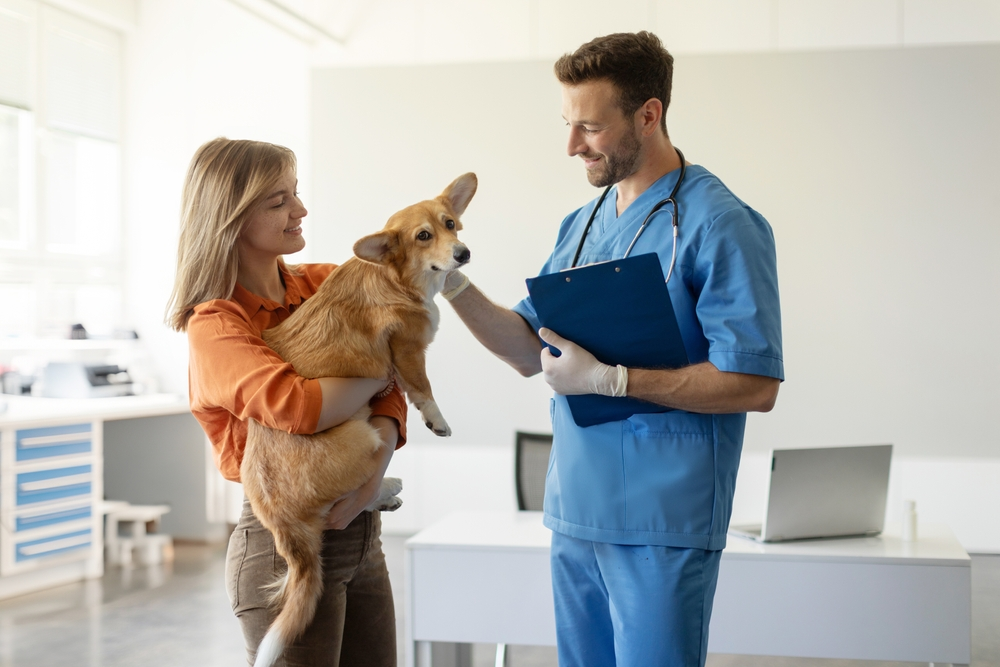
4. Crowding a dog when they are on their back or pinned into a corner
A dog stretched on a bed, couch, or rug may look relaxed, yet the position can also leave them feeling exposed. Moving in too close during a greeting can create pressure, especially if the dog is cornered between a person and furniture.
Body-language guidance notes that dogs need the ability to move away when they are uncomfortable. When that exit disappears, a freeze can become the dog’s only warning. That brief stillness is easy to overlook, but it is one of the clearest signs that the interaction should slow down.
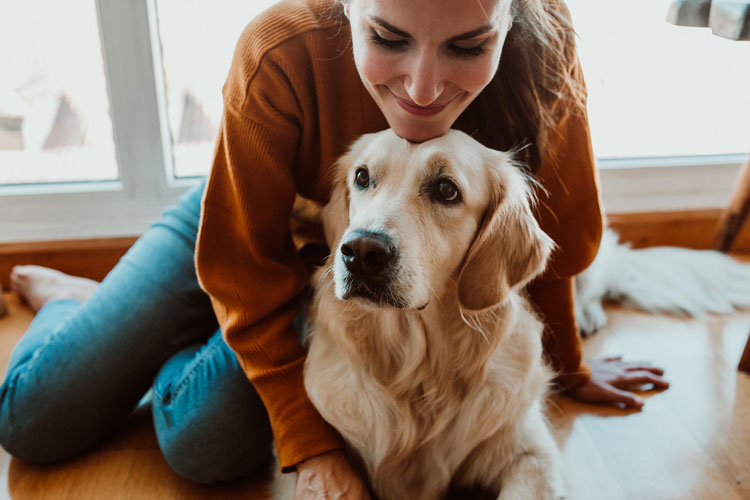
5. Treating the front door like a burst of chaos
Loud voices, quick footsteps, dropped bags, and several hands reaching at once can turn a routine arrival into sensory overload. Some dogs race forward because they are excited; others do it because the moment feels unsettled and hard to predict.
A more structured greeting helps. Training sources explain that a release word tells a dog when they are free to move out of a position, which reduces confusion. When greetings follow clear patterns instead of sudden noise and mixed signals, dogs have less reason to guess what happens next.
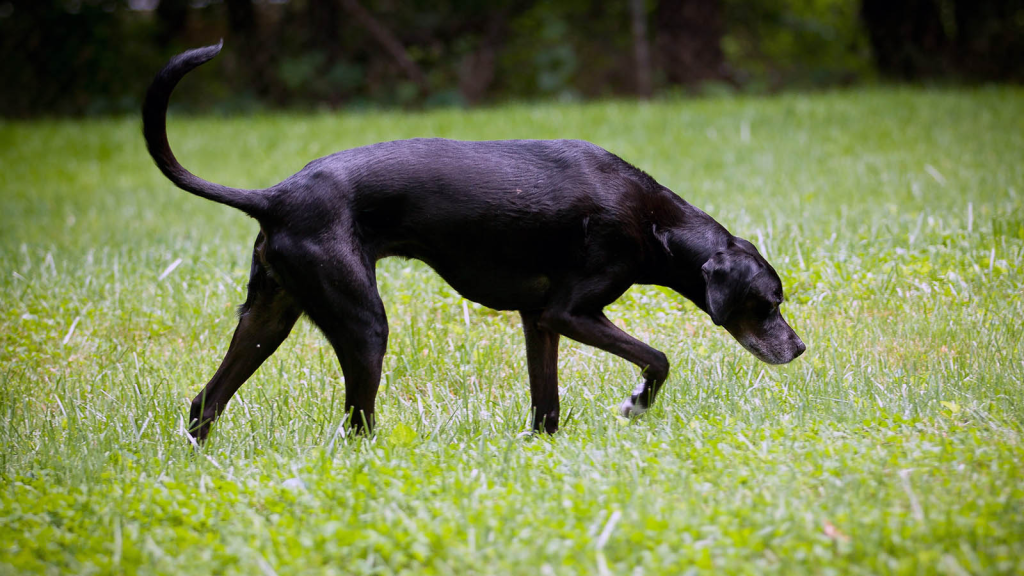
6. Forgetting that sniffing is part of how dogs process a reunion
People often want eye contact and touch first. Dogs often want information first. Because dogs rely so heavily on scent, a reunion is not fully social until they have had time to investigate shoes, clothing, bags, and the air around a person. Research-backed explainers on scent walks note that dogs devote far more mental power to smell than humans do, with approximately 40 times more brain volume to decoding smells. Rushing past that first sniff can frustrate a natural need to gather context, especially after someone has been out in the world carrying unfamiliar scents back home.
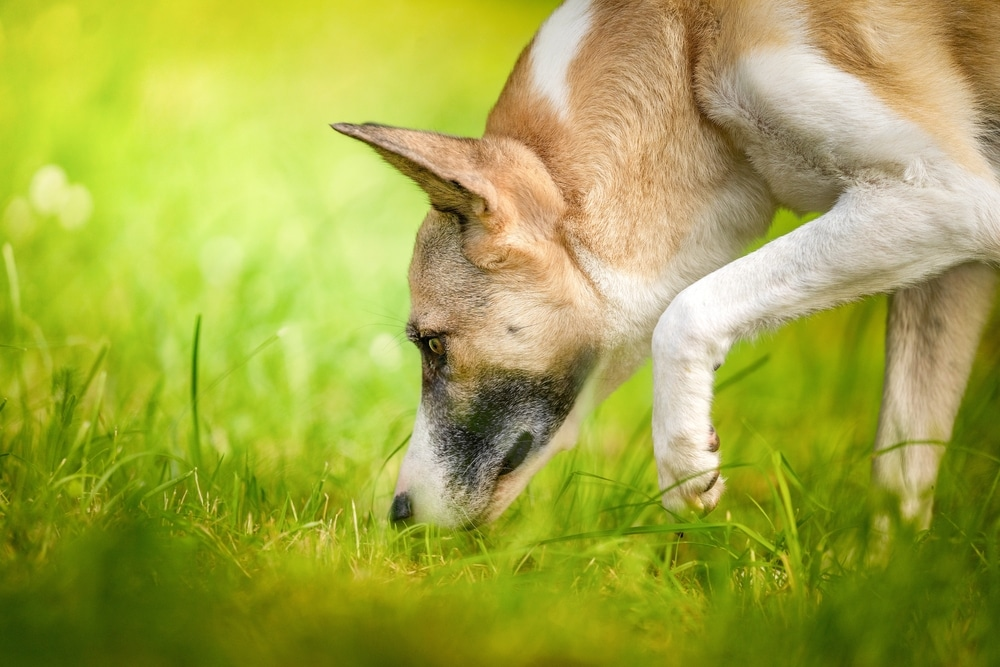
7. Pulling the dog away from a sniff to force a “proper hello”
Some dogs greet by circling, sniffing the floor, checking the doorway, or pausing at a distance before coming closer. That can look distracted, but it is often the dog regulating the interaction. Letting a dog follow their nose can be enriching in its own right. Guidance on sniff walks describes how sniffing can be just as enriching as physical exercise. Interrupting that behavior during greetings can remove one of the dog’s easiest ways to settle themselves.
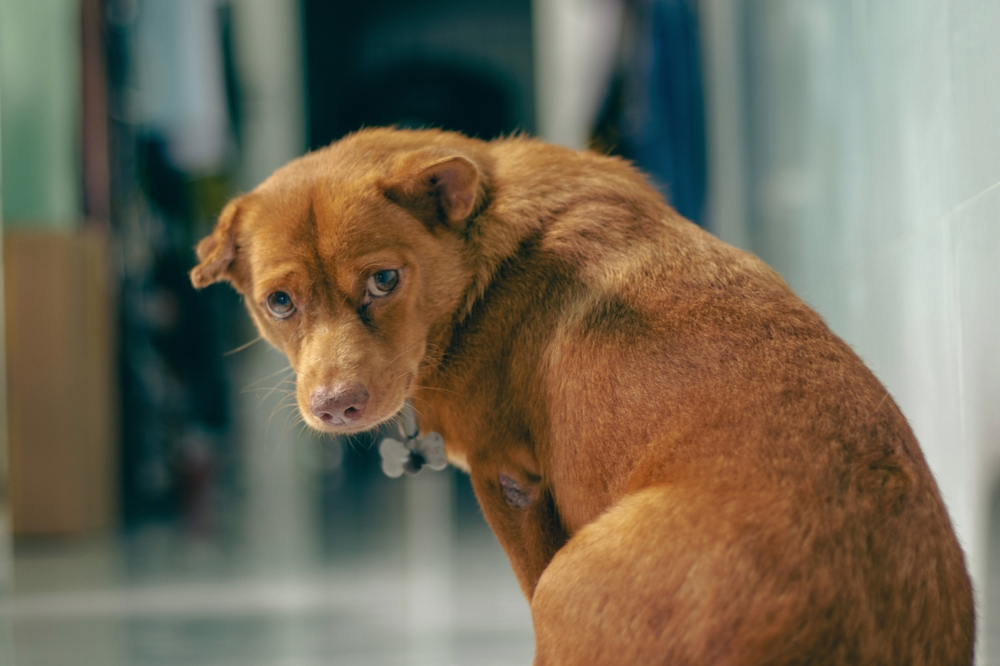
8. Missing the “small” stress signals because the dog stays quiet
Stress in dogs is not always dramatic. It often appears as repeated yawning in the wrong context, panting when the room is cool, scratching without an itch, lifting a paw, shaking off after handling, or looking away as someone approaches. These signals are frequently dismissed because the dog is not barking or resisting. Yet quiet stress is still stress. The longer it goes unnoticed, the more likely a dog is to avoid greetings altogether or escalate when subtle communication fails.
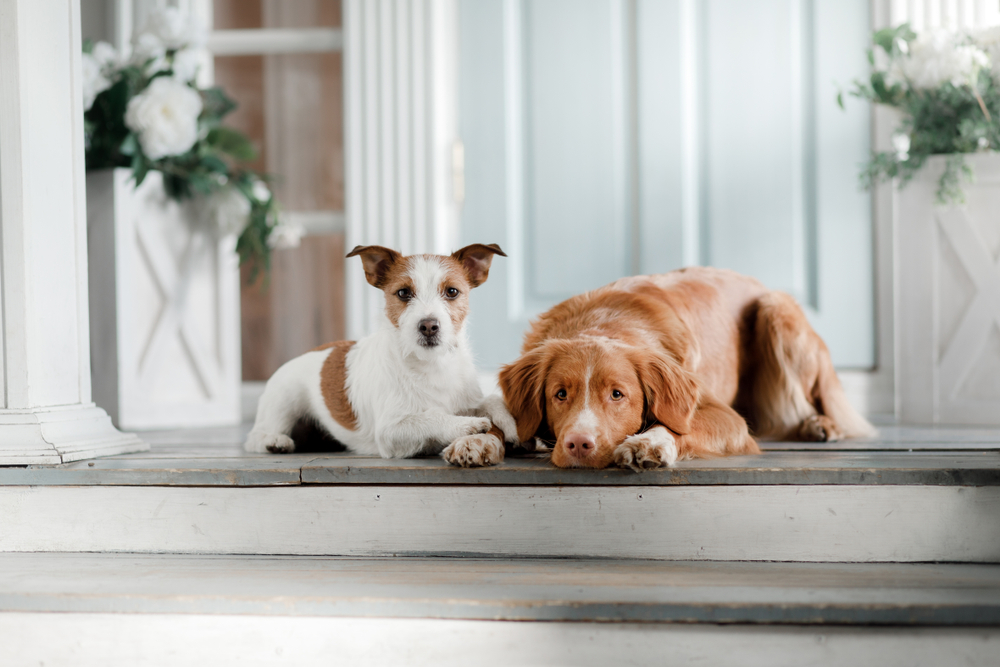
9. Keeping greetings unpredictable from one day to the next
Dogs learn patterns quickly. A greeting that is calm one day and overwhelming the next can create uncertainty, particularly for sensitive dogs or older dogs who prefer slower interactions. Consistency helps reduce that tension. Marker words and release cues are used in training because they give dogs clear information about what behavior matters and when they are free to move. That clarity can carry into everyday home life, making reunions feel less like a social ambush and more like a familiar routine.
The most comfortable greetings are often the least dramatic ones. Space, slower movement, time to sniff, and attention to body language give dogs room to choose contact instead of absorbing it. When people notice the quiet signals, greetings change shape. They become less about instant affection and more about recognition, which is often what helps a dog feel at ease in the first place.

