
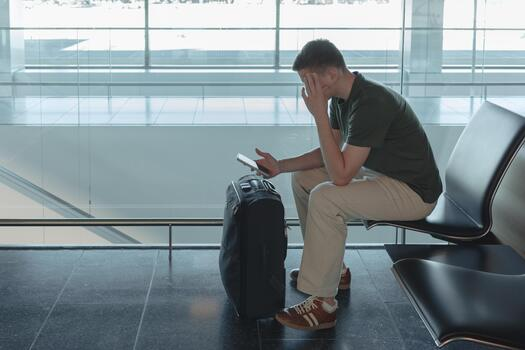
Most travelers think flight delays begin with weather, maintenance, or a late-arriving aircraft. Sometimes they do. But long before a plane leaves the gate, small passenger habits can slow the most fragile part of the trip: boarding.
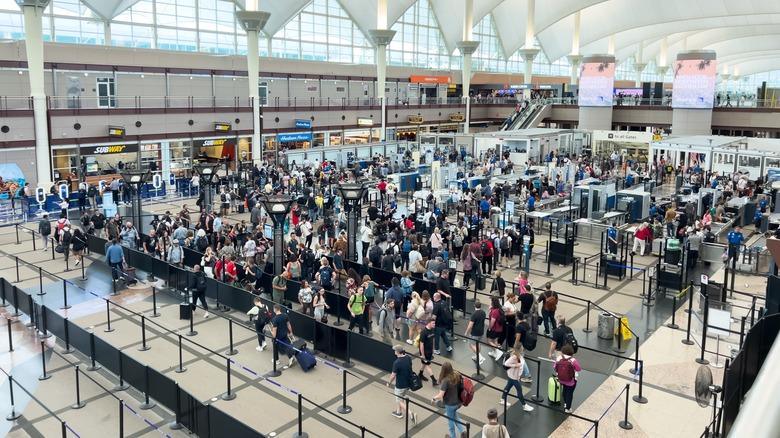
That matters because boarding is less efficient than it looks. Research into airline loading patterns found that common methods create aisle traffic jams, largely because passengers compete for the same overhead-bin space and block one another while stowing bags. As Jason Steffen put it, “All you have done is move the line from outside to inside the airplane.”
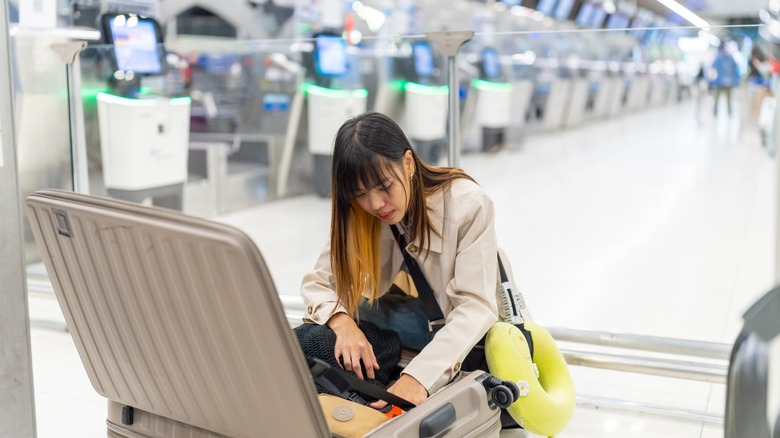
1. Repacking at the gate
Few things freeze a boarding line faster than a traveler opening a carry-on at the last second. A quick shuffle of chargers, snacks, or travel documents often turns into a full bag rebuild just as the boarding group is called.
The problem is not only the delay at the gate door. It usually continues in the aisle, where that same traveler pauses again to separate a laptop sleeve, jacket, medication pouch, or under-seat item. A bag that was not ready before boarding rarely becomes easier to manage once 150 people are standing behind it.
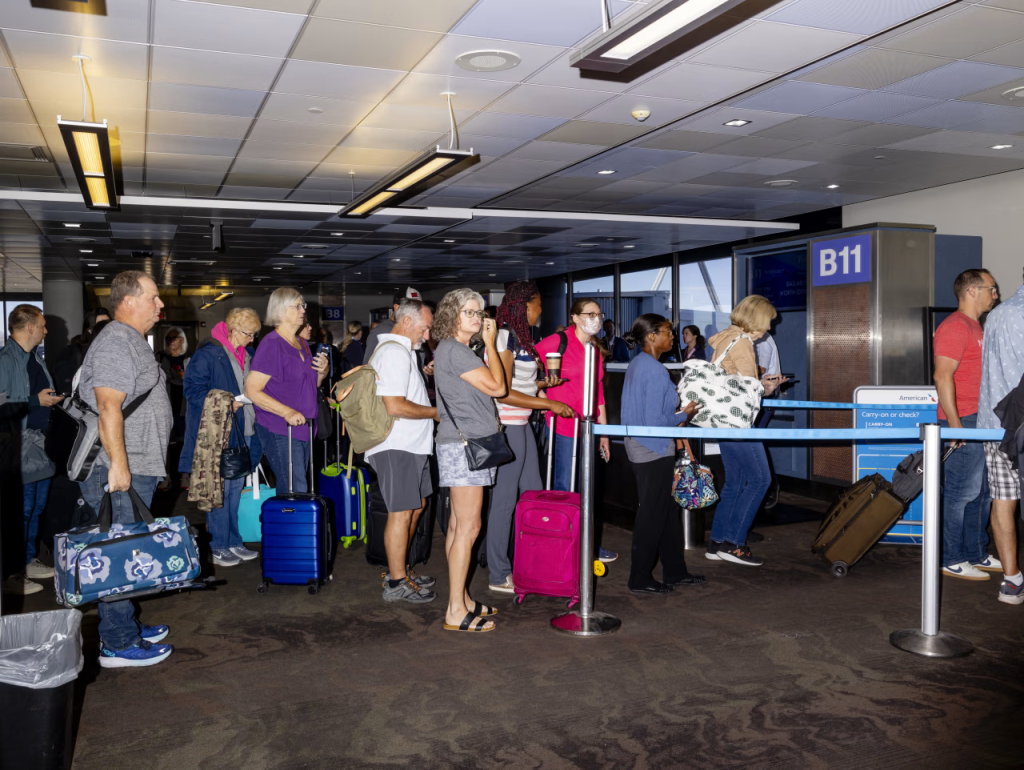
2. Ignoring the boarding group
Boarding groups exist to spread people through the cabin in a controlled flow, even if the process still feels slow. When travelers drift away, keep shopping, or wait until the line is halfway gone, the rhythm breaks.
That delay is not always dramatic, but it stacks up. Airlines already use systems that are far from optimal, and back-to-front boarding is one of the worst ways to board a plane according to Steffen’s modeling. When passengers also miss their turn and merge unpredictably, the aisle gets even less orderly.
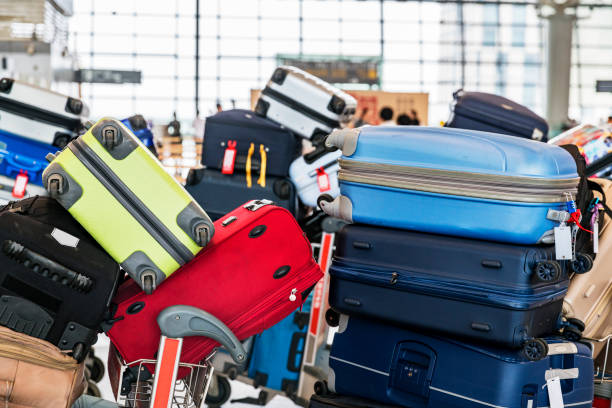
3. Bringing a carry-on that is too full, too heavy, or too awkward
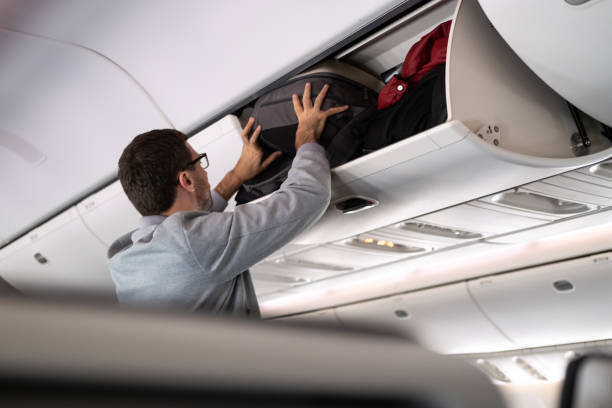
Overhead bins are where good boarding plans go to struggle. A traveler wrestling a stuffed roller bag into place can stop an entire column of passengers, especially when the bag needs to be turned, pushed, lifted again, and rearranged to fit.
This is one of the biggest hidden causes of delay because it happens seat by seat. Doctor Aviation noted that lifting and positioning a roller bag can take 10-15 seconds to lift the bag, and that repeats across dozens of passengers. If someone cannot raise the bag alone, a nearby traveler or crew member has to intervene, which slows movement even more.
4. Using the aisle as a sorting station
Once on board, some passengers stop at their row and begin a multi-step routine: coat off, headphones out, water bottle moved, passport tucked away, backpack opened, sweater folded, then suitcase lifted. Everyone behind them waits.
Aisles are narrow by design, so even efficient passengers can create a bottleneck. The slowdown worsens when a personal item that should go under the seat gets treated like overhead-bin luggage. Flight attendants regularly urge travelers to place only appropriate larger bags overhead and keep smaller belongings with them, because every extra item in the bin forces another search for space farther down the cabin.
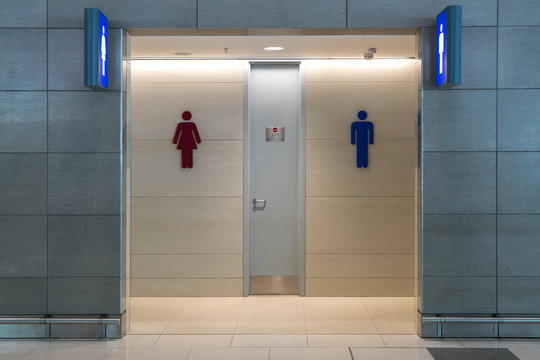
5. Saving the restroom for boarding time
This habit seems harmless until it collides with a full aircraft. A single passenger moving upstream to use the lavatory during active boarding can interrupt the line, block a row, and force others to stop with bags in hand.
Travel guidance from the U.S. Department of Transportation even advises passengers to use a rest room in the airport terminal before departure, partly because cabin service and movement can quickly limit access once on board. During boarding, that same advice has another benefit: it keeps the aisle clear when every second counts.
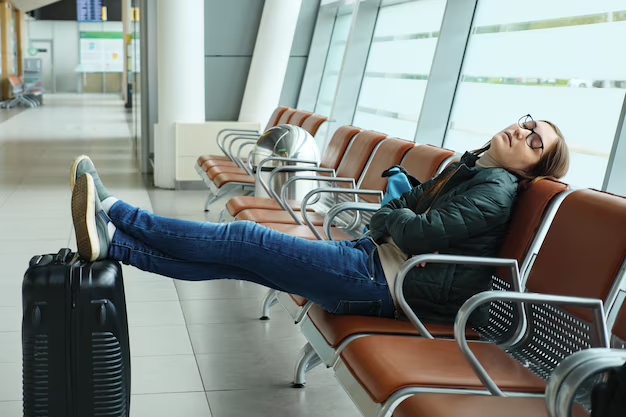
6. Treating the gate like a waiting room until the last possible second
A quick coffee run or one last airport purchase can feel efficient. It often is not. Travelers who return just as the line is closing are more likely to arrive flustered, dig through bags for documents, or realize they still need to reorganize belongings before stepping onto the aircraft.
Gate agents also work with firm timing rules. Many airports and airlines maintain at least a 45-minute bag drop cut-off and a 30-minute check-in policy, and once boarding starts, late-arriving passengers add friction to a process that depends on steady flow. A rushed traveler rarely moves faster once inside the plane.
7. Waiting until onboard to solve a seat problem
Boarding is the worst possible time to discover a seat dispute, ask to swap rows, or question a boarding assignment. Those conversations can be legitimate, but when they happen in the aisle, the entire cabin pauses.
This is where one person’s inconvenience becomes everyone’s delay. Flight attendants are already handling safety checks, carry-on congestion, and predeparture tasks during a period that has historically been undervalued despite the workload. Seat issues are far easier to address at the gate, before a stopped aisle turns a small problem into a cabin-wide backup.
Most of these habits do not look serious on their own. That is exactly why they persist. Each one steals only a few seconds, but boarding runs on cumulative time, not isolated moments. The smoothest travelers are usually the least noticeable ones: bags packed before the gate call, documents ready, restroom stop finished, boarding group heard, seat found, and aisle cleared. When more passengers move that way, the whole flight leaves with less friction.

