
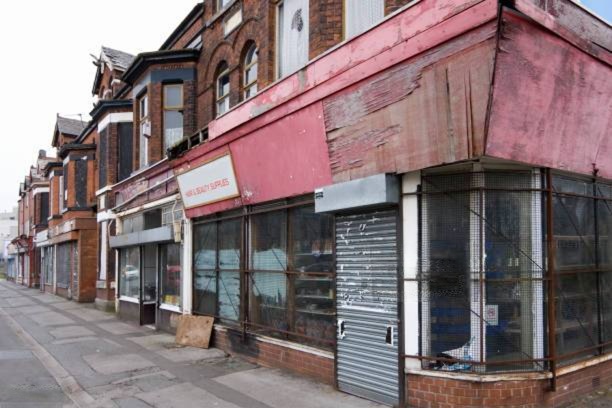
Empty storefronts are easy to read as a simple sign of decline. The 2025 retail picture is more complicated than that. Across the U.S., chains closed thousands of locations even as other brands kept opening new ones, turning many town centers, strip plazas, and mall corridors into places of visible transition.
For towns, the bigger story is not one company leaving. It is what repeated closures reveal about jobs, tax bases, convenience, and the changing role of physical stores in daily life. These are some of the clearest signals embedded in the 2025 shutdown wave.
1. Closures are no longer limited to weak economies
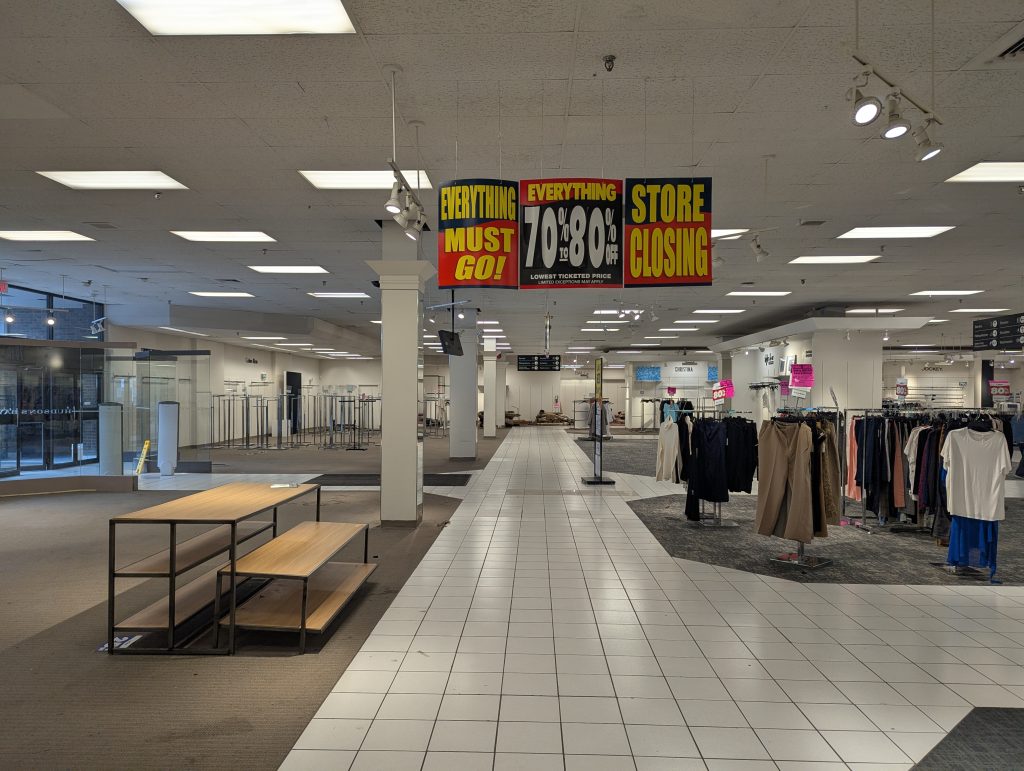
The scale of closures stood out because it arrived during a period that was not defined by a broad consumer collapse. Forbes reported that nearly 6,000 closings by the end of June had already put 2025 on pace for a historic year.
That matters for towns because local leaders can no longer treat storefront losses as a temporary recession symptom. Retail footprints are being cut even when national conditions appear relatively stable, which makes vacancy a structural planning issue rather than a short-term setback.
2. National chains are shrinking with sharper filters
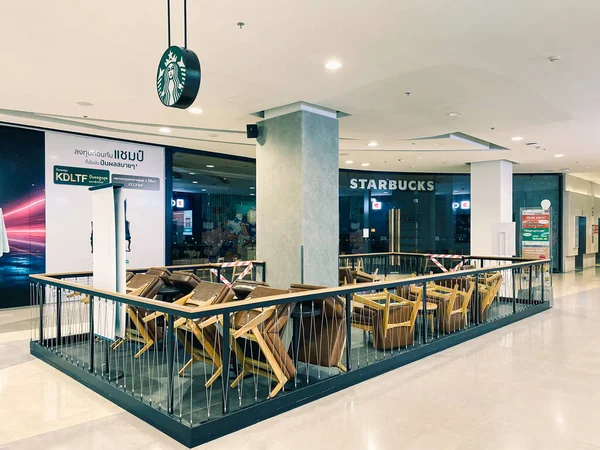
Many large retailers are not exiting physical retail altogether. They are closing locations that no longer fit new performance standards. Starbucks said it closed some stores where it had been “unable to create the physical environment our customers and partners expect” or where it did not “see a path to financial performance.”
Kohl’s, Macy’s, Kroger, Carter’s, and GameStop also announced trims or multi-year reductions. For towns, that signals a tougher era for moderately performing stores. A location no longer has to be disastrous to be cut; being merely average can be enough if a chain is consolidating.

3. Pharmacy closures hit daily routines, not just retail maps
When a pharmacy disappears, the impact reaches beyond shopping habits. Rite Aid’s exit removed an essential neighborhood service that many residents relied on for prescriptions, pickups, and basic health products, with closures concentrated in places including Pennsylvania and California.
That type of loss falls hardest on older adults, households without easy transportation, and neighborhoods where alternatives are not close by. Supermarket News noted that online sales are expected to account for just 2.4% of U.S. drugstore and pharmacy sector revenue in 2026, a reminder that physical access still defines this category.
4. One empty anchor can weaken an entire retail district
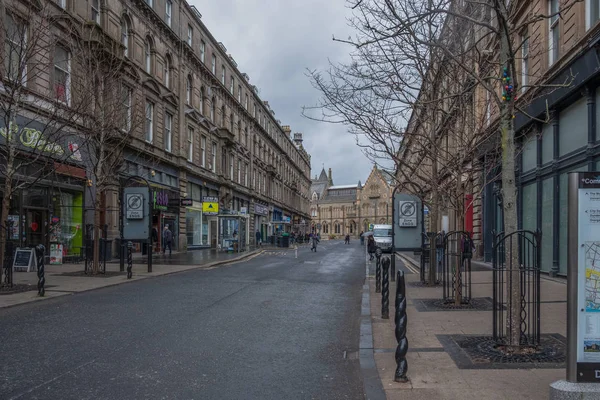
Closures rarely remain isolated. Research from IMD described the “domino effect” that follows when a major store leaves: neighboring businesses lose foot traffic, landlords lose stable tenants, and local governments face pressure on revenue tied to commerce and property values.
That pattern is especially serious in malls and older shopping corridors built around anchors. Once a large draw disappears, smaller operators can face lower visibility and thinner margins at the same time. A vacant unit is visible; the hidden damage is the gradual thinning out of the businesses around it.
5. Retail jobs are becoming more fragile
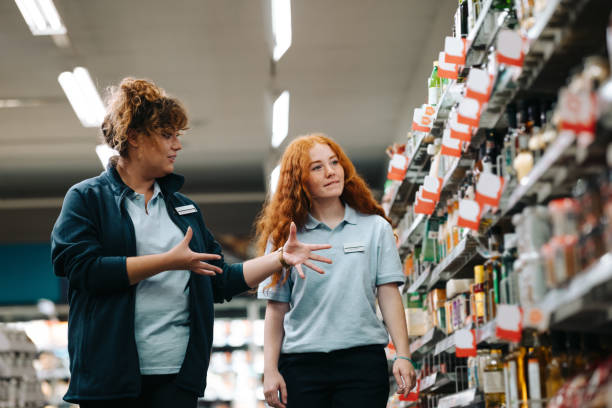
Store closures also point to a labor shift that towns feel quickly. Forbes cited that more than 80,000 retail jobs had been axed through July, alongside unusually weak gross job gains for the sector.
That reduces entry-level work, part-time scheduling options, and nearby employment for people who depend on retail as flexible income. In many towns, those jobs support students, caregivers, and older workers. A closure wave can therefore affect household stability even when the broader local economy is still functioning.
6. Smaller stores are replacing bigger boxes
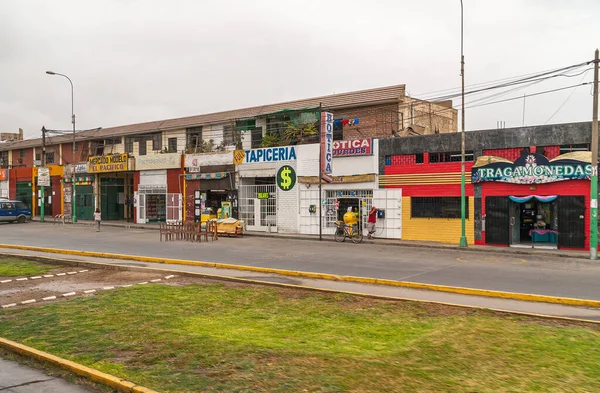
The physical shape of retail is changing. According to Forbes, many new openings are trending toward spaces under 10,000 square feet as chains close underperforming large formats and move into smaller neighborhood sites.
For towns, that means some vacant big boxes may remain hard to refill, even while retail activity continues elsewhere. The challenge is not always lack of demand. It is often a mismatch between yesterday’s building and today’s operating model.

7. AI and data are deciding which locations survive
Retailers now rely more heavily on data tools to evaluate rents, demographics, traffic patterns, inventory flow, and local competition. That creates faster, less sentimental decisions about whether a store stays open.
This shift changes the stakes for towns. Legacy, local recognition, and long tenancy matter less when chains can model performance with more precision. If a site does not fit a company’s current map, it can be cut even if residents still see it as a community fixture.
8. Openings are still happening, but not everywhere
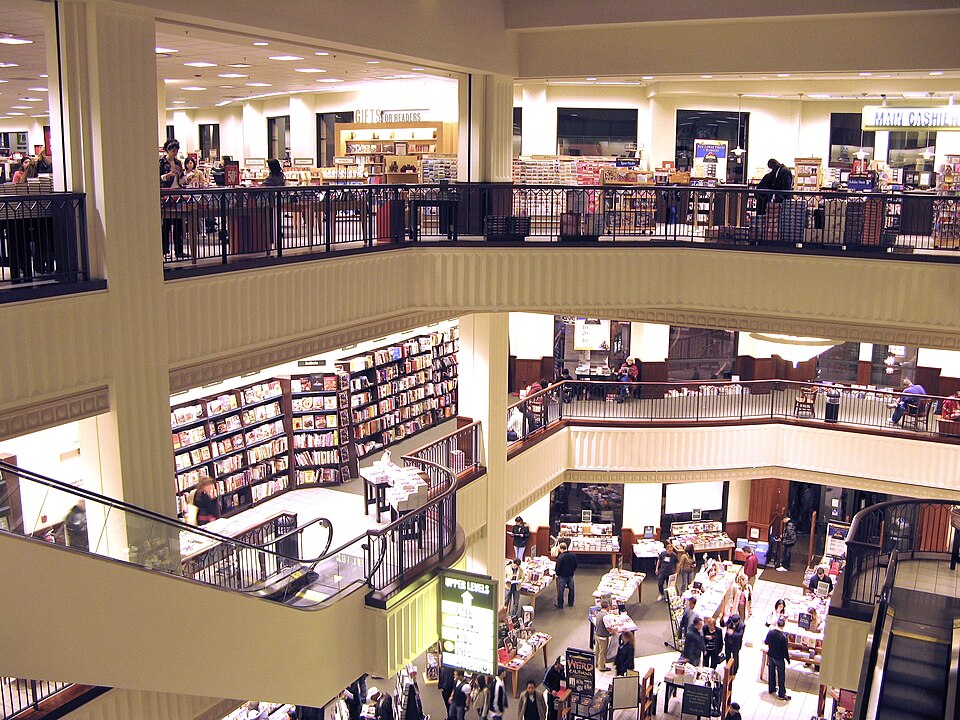
The closure story does not mean physical retail is disappearing. It is being redistributed. Business Insider reported that more than 850 stores were set to open across the US in 2026, with growth plans from Aldi, Dollar General, Barnes & Noble, Ollie’s, and others.
The catch for towns is that these openings are selective. Expanding chains are choosing specific trade areas, formats, and demographics. One town may inherit a new discount grocer or bookstore, while another is left with a dark box and no replacement pipeline.
9. Department-store decline keeps reshaping town centers
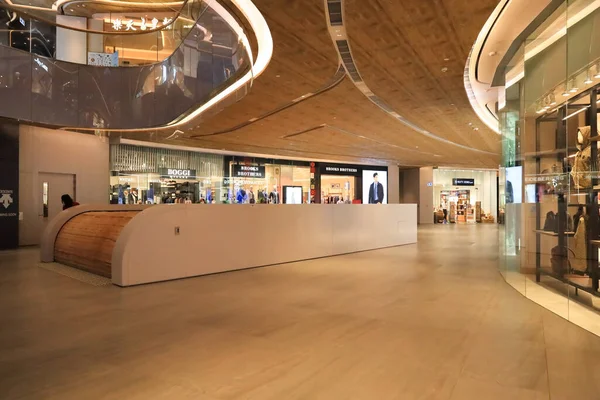
Long before 2025, department stores were losing their central role in American retail. PYMNTS described how their share of U.S. retail sales fell over decades as discovery, search, and comparison moved online. That long arc helps explain why many mall-based communities continue to struggle even when a few individual tenants remain active.
This is one of the deeper warnings embedded in empty storefronts. Some retail districts were built for a consumer habit that no longer organizes shopping the same way. Towns attached to that older model face a longer redevelopment cycle than places with flexible, mixed-use corridors.
10. The real issue for towns is civic spillover
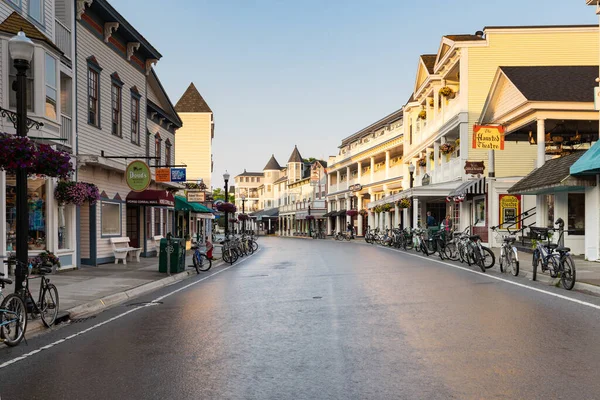
Retail closures touch more than commerce. They affect convenience, public perception, walkability, nearby small businesses, and municipal revenue. The most vulnerable places are not always those with the most closures, but those with the least ability to repurpose space quickly.
That is why empty storefronts function as an early warning sign. They suggest shifts in how residents access essentials, where jobs are located, and whether a town’s commercial core still matches how people live and shop.
The 2025 closure wave did not deliver a single national outcome. Some communities are losing anchors, others are gaining smaller-format replacements, and others are being bypassed as chains redraw their maps.
For U.S. towns, the lasting signal is clear: retail space can no longer be treated as permanent infrastructure. Its value now depends on adaptability, local access, and whether a storefront still fits the way commerce actually works.

