
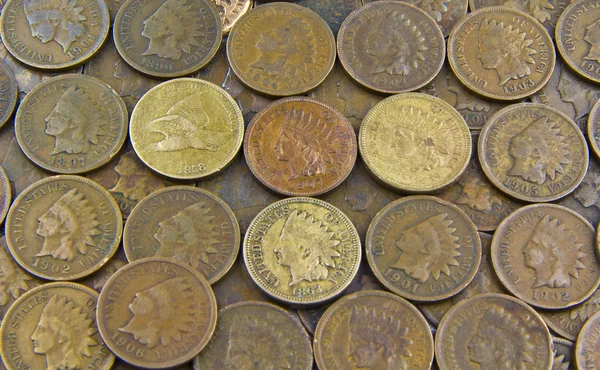
The penny is easy to ignore. It lands in a car cup holder, disappears into a jar, or gets spent without a second look. That habit is exactly why some of the most collectible Lincoln cents continue to pass through ordinary hands unnoticed.
Collectors tend to find value in the details most people skip: a date, a mintmark, a doubled letter, an unusual color, or a reverse design tied to an older era. The Lincoln cent series, first introduced in 1909, has produced a long trail of key dates and mint errors that still shape what people search for in everyday change.
1. Treating every penny like spare metal
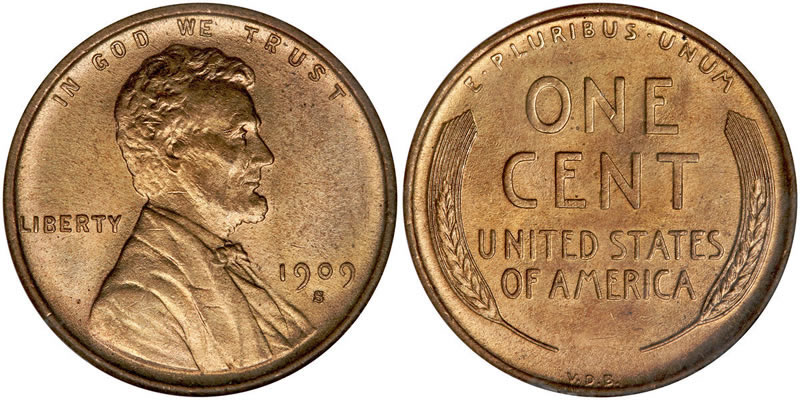
Most cents are ordinary, but the assumption that all of them are interchangeable is where the oversight begins. Wheat cents from 1909 to 1958 are often the first clue that a coin deserves a closer look, especially because the reverse uses two wheat stalks rather than the later Lincoln Memorial design. Even within that broad run, certain dates and mint combinations stand apart, including the 1909-S, 1909-S VDB, 1914-D, 1922 Plain, and 1931-S. A coin does not need to look dramatic to matter. Sometimes the difference is a tiny letter, or the absence of one.
2. Ignoring the date range before anything else
One of the fastest ways to miss a better coin is failing to sort by year. Wheat pennies were struck from 1909 to 1958, and that alone makes them a useful first category. Later Lincoln cents can also be valuable, especially if they carry notable varieties, but the date is still the first filter that tells a collector where to focus.
This matters because several of the most discussed pieces in the series cluster around specific years: 1943, 1944, 1955, 1958, 1969, 1972, 1983, and 1992 among them. A quick glance at the date can prevent an important coin from being tossed back into circulation.
3. Forgetting to check for the mintmark
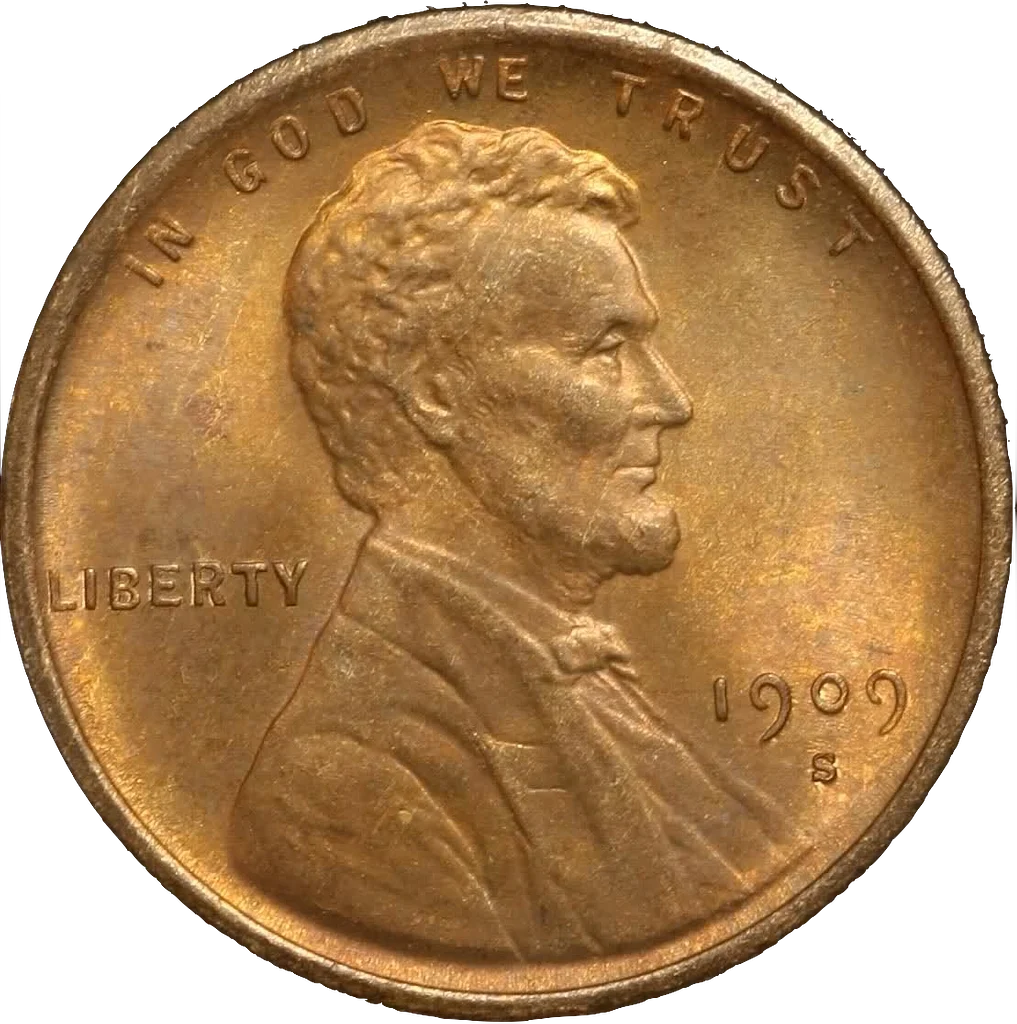
The mintmark is a small detail with large consequences. On Lincoln cents, “S” indicates San Francisco, “D” indicates Denver, and no mintmark usually points to Philadelphia. Some low mintage issues are prized because of where they were made, not just when.
The 1909-S VDB remains one of the best known examples, in part because only 484,000 were struck. The 1914-D is another key date, and the 1922 Plain cent is famous because that year cents were minted only in Denver, yet some pieces appear without the expected “D” due to die wear. Missing that tiny letter can mean missing the story of the coin itself.
4. Looking only for age, not for errors
A worn old penny may be interesting, but some of the most important cents are valuable because something went wrong at the mint. Collectors regularly search for off center strikes, doubled dies, clipped planchets, die cracks, and coins struck on the wrong metal. These are not all equally rare, but they share one trait: they are easy to overlook when a person checks only the date and moves on. The Lincoln cent series is especially known for doubled dies and transitional planchet errors. That is why the habit of scanning only for “old looking” coins leaves so much on the table.
5. Missing the wartime metal switch
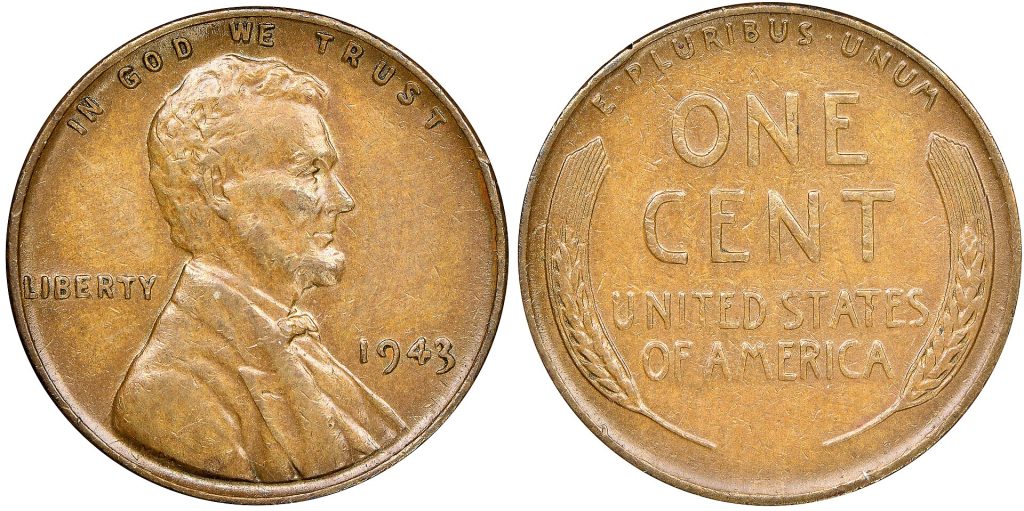
The wartime cents are where background knowledge becomes practical. In 1943, the U.S. Mint changed the cent to zinc-coated steel to conserve copper, and in 1944 the composition returned to copper. That temporary switch created two of the hobby’s most famous mistakes: 1943 bronze cents and 1944 steel cents.
Those coins are rare because they were struck on leftover planchets from the wrong year. Reference guides consistently place them among the most significant Lincoln cent errors, and they remain central examples of how a penny’s metal can matter as much as its design.
6. Overlooking obvious doubling in the lettering
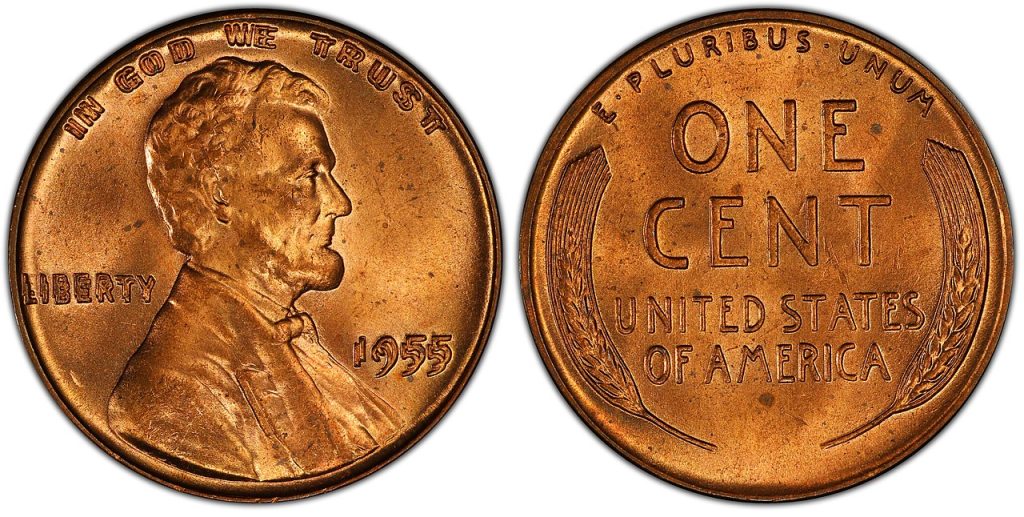
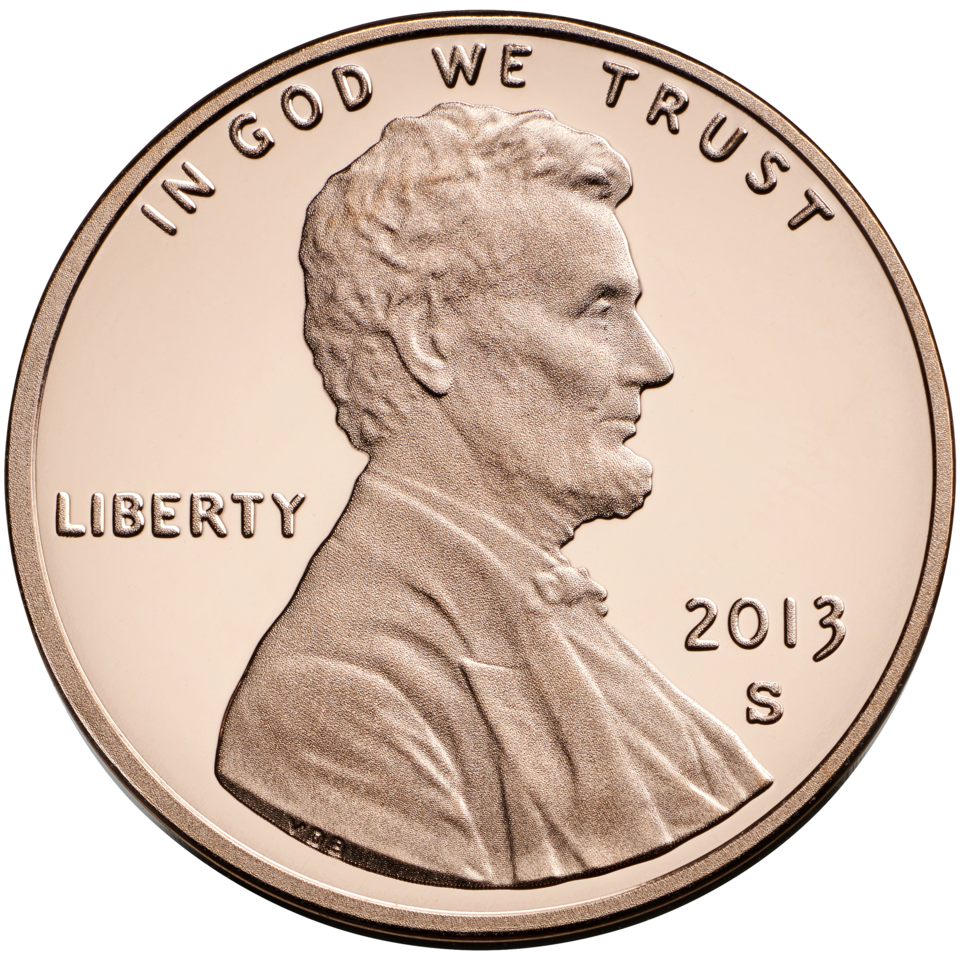
Not every rare coin requires advanced equipment. Some doubled die cents are visible with the naked eye or a basic magnifier, especially in the date, “LIBERTY,” and “IN GOD WE TRUST.” The famous 1955 Doubled Die Obverse is one of the clearest examples, and the 1958 Doubled Die Obverse has only a few known examples, making it one of the series’ standout rarities.
Other years also matter, including 1917, 1969-S, 1970-S, 1972, 1983, and 1995. A person who sees blurred or doubled letters and assumes the coin is merely damaged may be passing over the very feature collectors want to find.
7. Confusing wear and damage with mint-made variety
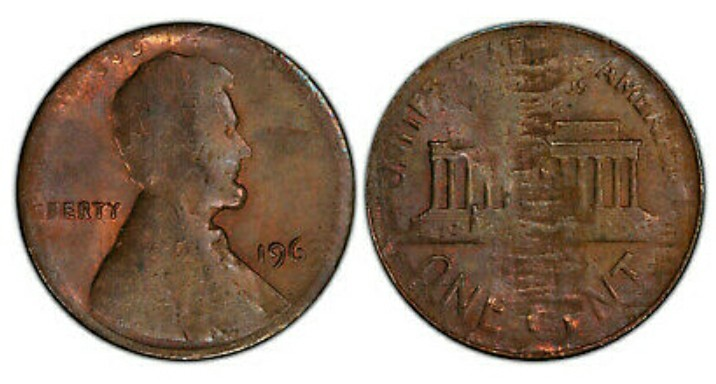
Condition matters, but so does the cause of what appears on the coin. Scratches, dents, stains, and post-mint damage usually do not create collectible value. By contrast, true mint-made features such as a doubled die, clipped planchet, or wrong-metal strike are part of the coin’s origin.
This distinction is where many casual coin searches stall. Valuable pennies are not simply odd; they are traceable to known production quirks, which is why collectors compare details against established varieties rather than relying on appearance alone.
8. Spending copper era cents without noticing composition clues
Composition shifts continue beyond the wheat-cent years. Lincoln cents were made in bronze for decades, then moved to a copper-plated zinc format in 1982, a transition year with multiple large-date and small-date combinations. That period attracts attention because transitional errors and unusual planchet pairings are part of what collectors continue to watch for.
The same principle applies to the rare 1983 copper planchet error described in collector guides. When people treat a penny as too common to weigh, inspect, or compare, composition based finds become much easier to miss.
9. Assuming circulation can no longer hide anything interesting
Rare coins are uncommon, not mythical. Collector references still describe Lincoln cents as a series where important varieties can remain hidden in rolls, jars, and everyday accumulations. That continuing appeal comes from visibility, long production history, and the fact that many sought-after pieces are recognizable once a person knows what to check.
The real mistake is not a lack of luck. It is the habit of not looking closely enough, often enough, at the coins already passing through the hand. Pocket change rarely announces what it is. The penny that gets dismissed first may be the one with the key date, the missing mintmark, the doubled inscription, or the wrong metal for its year. For that reason, the small act of pausing before spending remains the simplest safeguard against letting a rare cent slip away.

