
Live television is built on routine, which is why a sudden on-air exit tends to linger in public memory far longer than a standard farewell. Some departures looked emotional, some looked defiant, and some exposed just how quickly a television career could change in front of viewers.
The pattern has only become more visible as major anchors continued leaving high-profile roles in 2025. But a smaller group of exits stands apart because the audience did not read about them the next day first. They watched them happen.

1. Charlo Greene turned a local report into a personal declaration
During a 2014 KTVA broadcast in Anchorage, Charlo Greene ended a report on the Alaska Cannabis Club by revealing that she was connected to the organization herself. She then quit on air and walked away from the set, leaving her co-anchor visibly caught off guard. The moment spread widely because it collapsed the usual distance between reporter and subject in a matter of seconds. Greene’s exit also became one of the clearest examples of an on-air resignation doubling as activism. Her departure was not framed as retirement or a move to another show. It was a public break with the job itself, tied directly to her push for marijuana legalization.

2. Piers Morgan walked off before leaving for good
Piers Morgan’s March 2021 exit from Good Morning Britain unfolded in stages. He first left the set during a live dispute after being challenged over his comments about Meghan Markle, then returned briefly, then resigned from the program later that day. That sequence made the moment feel larger than a normal contract ending. It was not simply an announced departure but an example of how a live confrontation can become the final turn in a host’s run on a show.

3. Shepard Smith delivered a calm goodbye that still shocked viewers
Not every dramatic resignation involves shouting or chaos. When Shepard Smith ended his October 2019 broadcast by announcing he was leaving Fox News, the surprise came from the contrast between his steady tone and the significance of the decision. Smith had been with the network since its 1996 launch, making his departure feel like more than a personal career move. It was widely read as a marker of changing priorities inside cable news, especially because he had long been associated with a more straight-ahead reporting style.
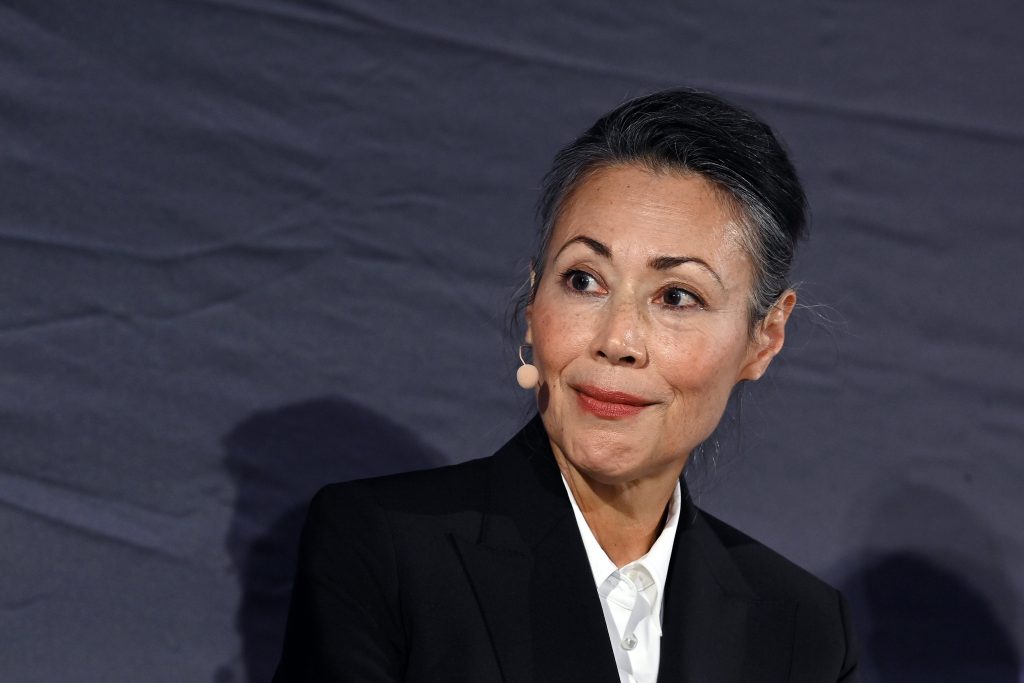
4. Ann Curry’s farewell became one of morning TV’s most remembered exits
Ann Curry’s 2012 on-air departure from Today remains one of the most emotional live goodbyes in modern television. Her resignation speech came after months of speculation about tension behind the scenes, and viewers had already been primed to see the moment as more than routine staffing news. What made it endure was the vulnerability of the broadcast. Curry did not leave in anger or spectacle. She left in a way that made the strain of the situation impossible to miss, which is often why certain TV exits stay culturally recognizable years later.
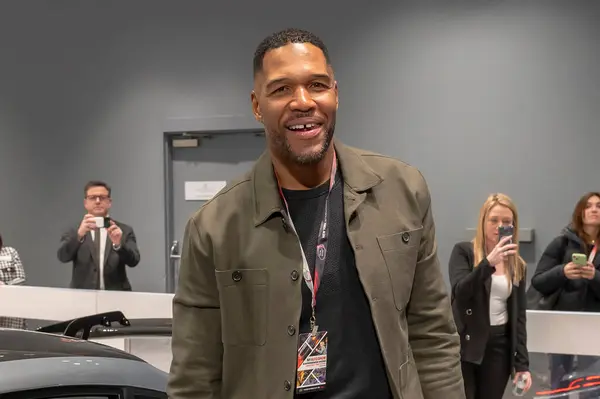
5. Michael Strahan’s announcement triggered fallout beyond the camera
When Michael Strahan said live on air in 2016 that he would be leaving Live with Kelly and Michael for a full-time role at Good Morning America, the broadcast itself was only part of the story. The aftermath drew almost as much attention as the announcement. Kelly Ripa’s absence from the show in the days that followed turned the exit into a wider conversation about communication, co-host dynamics, and how networks handle talent transitions. In daytime television, chemistry is part of the product, so a departure that disrupts that balance can become a much bigger public event than a title change alone would suggest.

6. Meghan McCain used live TV to close a combative chapter
Meghan McCain announced on The View in 2021 that she would be leaving after four years on the panel. Because her time on the show had been defined by frequent clashes and high-profile debates, the live announcement carried a sense of finality that matched her tenure. Her stated reason centered on family life and the difficulty of balancing Washington and New York. Even so, the significance of the moment came from the role she played on the program: a figure whose disagreements were often part of the show’s daily engine.
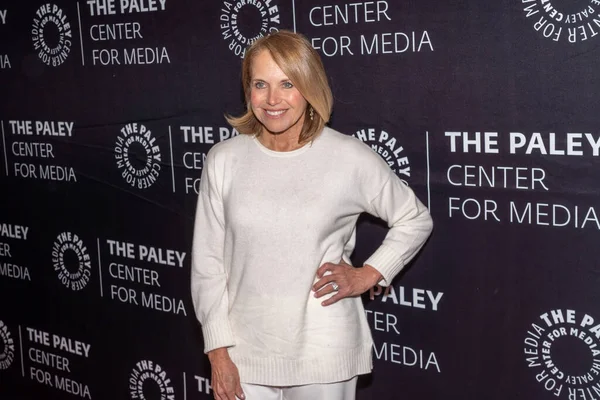
7. Katie Couric used an on-air farewell to mark a career leap
Katie Couric’s 2006 departure from Today did not have the sudden rupture of a walk-off, but it still carried unusual weight because of what came next. She announced live that she would leave the morning show and take over as the solo anchor of the CBS Evening News. That made the goodbye feel consequential beyond one program. After 15 years as one of morning television’s defining faces, Couric’s move showed how an on-air exit can also function as a public handoff into a new era.
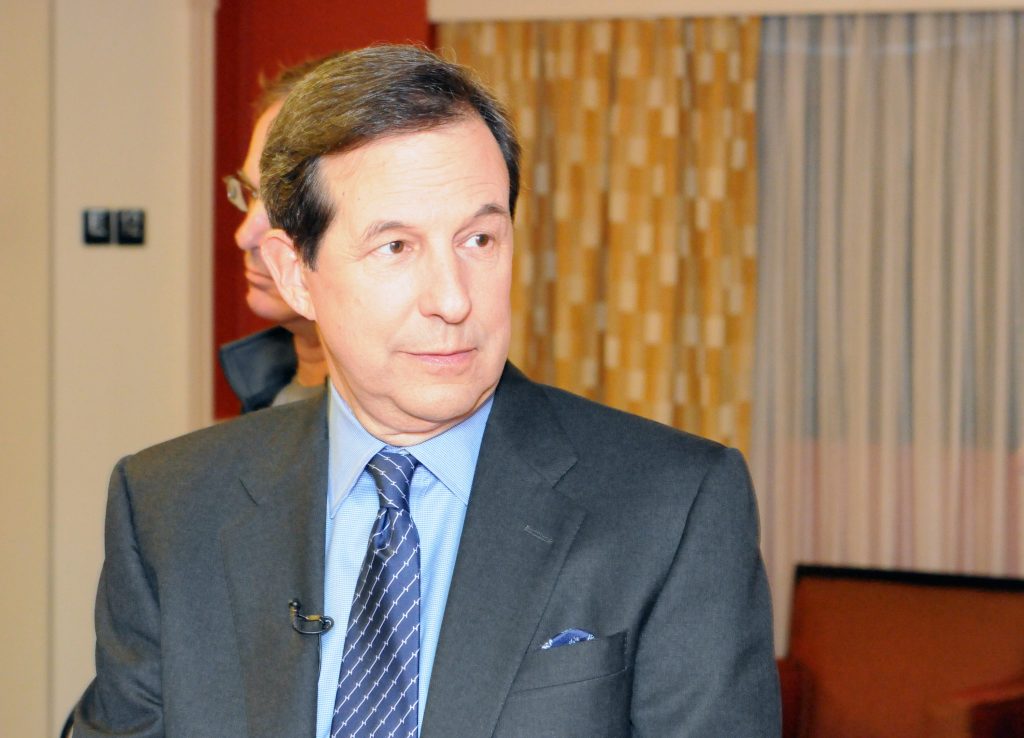
8. Chris Wallace ended a Sunday show with an unexpected sign-off
Chris Wallace closed his final 2021 broadcast of Fox News Sunday by telling viewers it was his last day after 18 years. The brevity of the announcement added to its effect. There was no long runway, only a direct statement that a familiar weekly presence was ending. Because Wallace had occupied a distinctive place in the network lineup, his departure attracted attention as both a personal shift and a signal of broader media movement. By that point, TV news was already being reshaped by streaming, digital distribution, and changing audience habits.

9. Regis Philbin showed that even a planned exit can feel huge on live TV
Regis Philbin’s 2011 retirement announcement was not abrupt in the same way as a mid-show walkout, but it still demonstrated how powerful a live departure can be when the host has become part of viewers’ daily routine. After more than 28 years on the franchise, his decision landed as a genuine television milestone. Philbin also represented an older version of the TV host: a personality whose longevity itself was part of the appeal. His farewell reminded audiences that departures do not need conflict to feel dramatic. Sometimes the scale of the career does the work.
On-air resignations and exits tend to attract attention for the same reason they are so hard for networks to control: they happen in the medium’s most public space. A studio can manage branding, schedules, and publicity plans, but it cannot fully soften the sight of a familiar host choosing to end a chapter while the cameras are still rolling. On-air resignations have been documented for decades, long before social media turned them into instant viral clips. What has changed is the speed with which viewers now turn a live departure into a lasting media moment.

