
Celebrity breakups already invite a familiar kind of public dissection. For queer women and openly fluid stars, the scrutiny often shifts fast from heartbreak to accusation, with tabloids, fan communities, and social feeds treating a split as evidence that the relationship was never real in the first place.
That pattern says less about any one romance than it does about a culture still demanding proof. The term queerbaiting was built for marketing and fiction, yet the term is often misapplied to real people whose identities do not fit neat timelines, labels, or public expectations. These 19 stars became lightning rods for exactly that debate.
1. Miley Cyrus
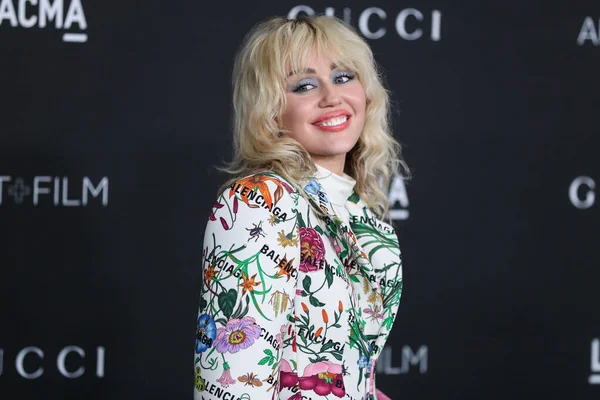
After her split from Liam Hemsworth, Cyrus’s brief, much-photographed relationship with Kaitlynn Carter became instant tabloid fuel. When it ended quickly, commentary hardened into a familiar claim: that a relationship between two women must have been a temporary detour, a rebound, or a headline device. he breakup became less about the two people involved and more about the public urge to police identity and fluidity.
2. Kaitlynn Carter
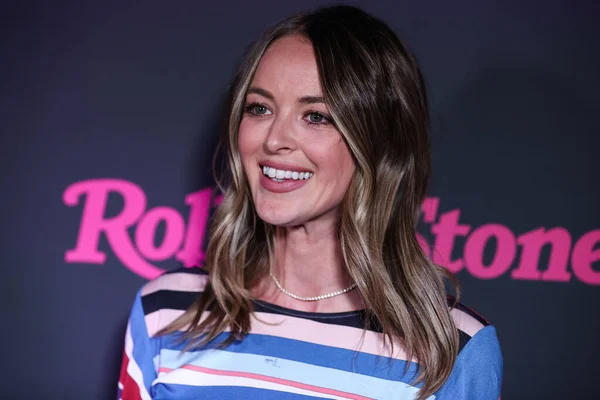
Carter was framed as both participant and beneficiary in that same media cycle. Coverage reduced the romance to timing and optics, suggesting it existed to elevate her profile after her own breakup. That reading ignored later comments about the connection’s emotional seriousness and turned a short relationship into a referendum on credibility.
3. Bella Thorne
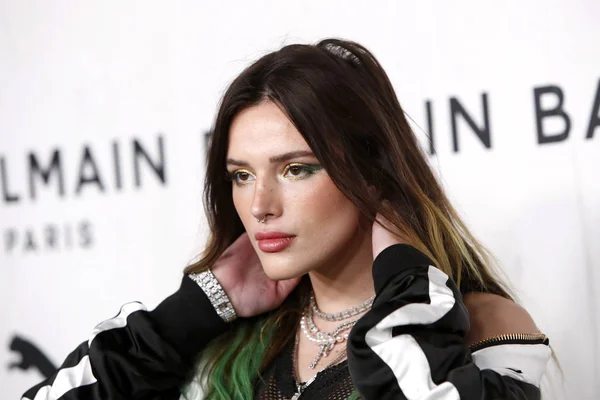
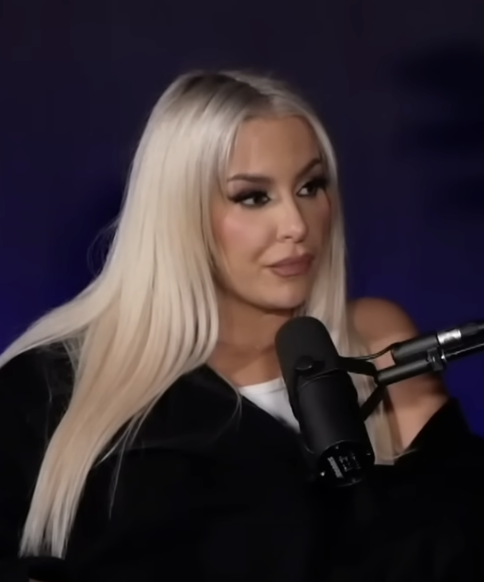
Thorne’s relationship with Tana Mongeau unfolded online, which made it easy for skeptics to treat their connection as content.” After the split, the suspicion only intensified. Rather than accept that digital-age couples may share their lives publicly, critics folded the breakup into long-running doubts about Thorne’s identity.
4. Tana Mongeau
Mongeau’s brand has long blurred performance and personal life, so many viewers retroactively treated her relationship with Thorne as one more piece of internet theater. Her later fake marriage to Jake Paul made the narrative stick even harder. In that version of events, queerness became something to be audited like a business strategy.
5. Cara Delevingne
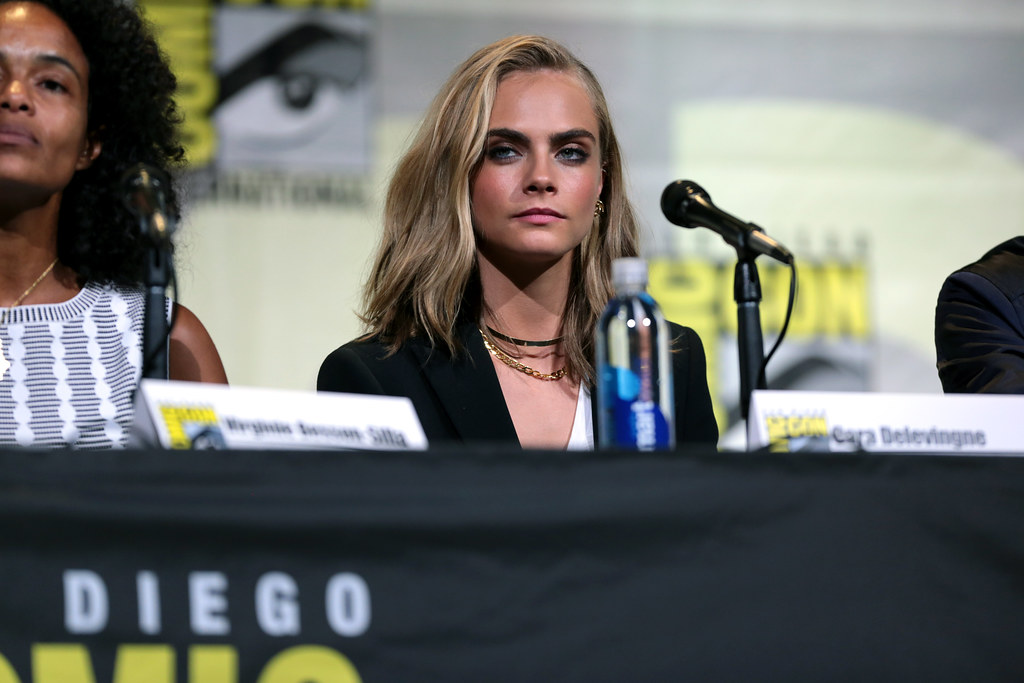
Delevingne has been visibly queer for years, yet her breakup with Ashley Benson still prompted claims that their romance had been overstated for publicity and fashion-world shine. That reaction echoed a broader pattern in celebrity culture, where women’s relationships are judged not only by duration but by how photogenic they looked while happening.

6. Ashley Benson
Benson’s quick public association with G-Eazy after her split from Delevingne fueled the oldest stereotype in the book: that attraction to women was temporary because a male partner appeared next. The speed of the narrative was telling. A breakup became “proof” not of change, but of fraud.
7. Lindsay Lohan
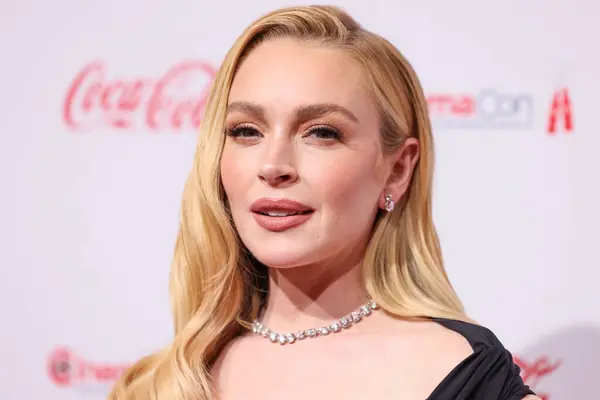
Lohan and Samantha Ronson were pursued relentlessly during their relationship, often with coverage that treated the romance as rebellion rather than commitment. Once they broke up, much of the press reverted to straight-coded framing, as though the relationship had been an episode instead of part of her life. The whiplash showed how quickly media can erase queer history when a couple no longer fits the headline.
8. Demi Lovato
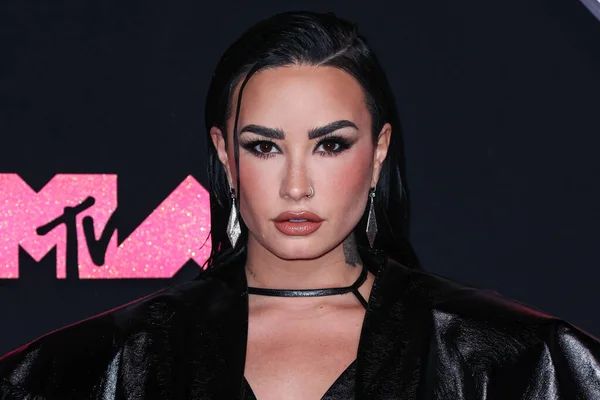
Lovato’s public discussions of a fluid identity have not insulated them from cynicism. Romantic changes have frequently been interpreted through a career lens, with detractors suggesting identity and relationship visibility appear only when promotion does. That line of attack turns personal discovery into strategy and leaves no room for evolution under pressure.
9. JoJo Siwa
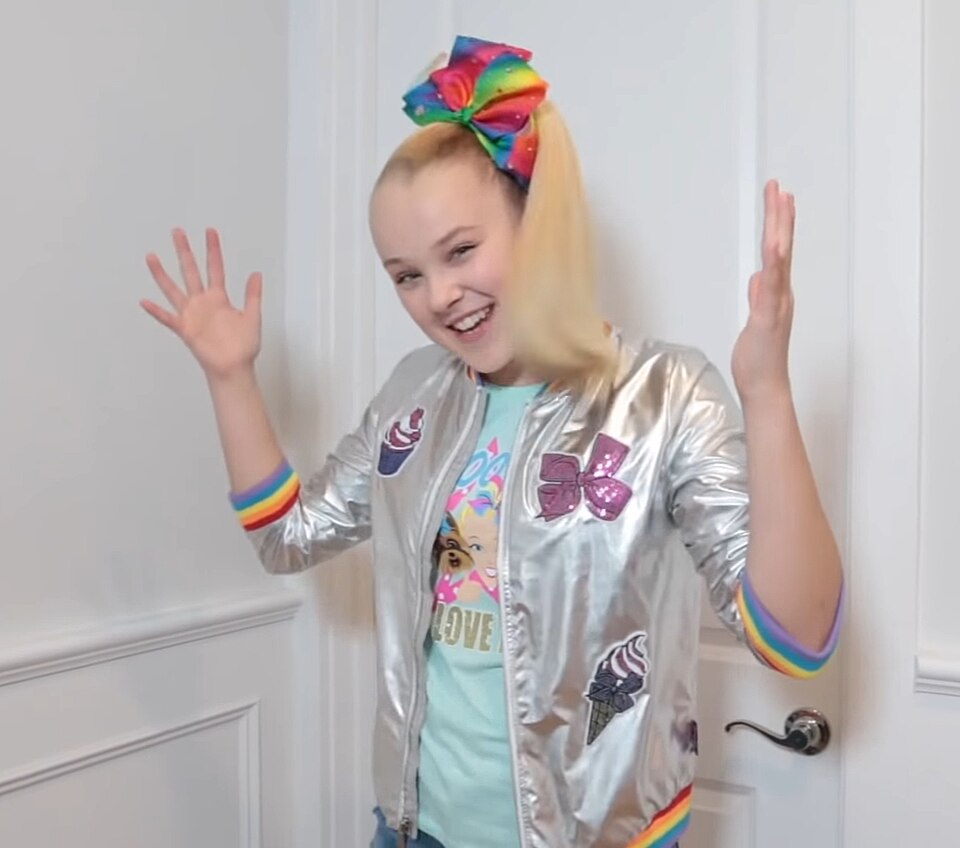
Siwa’s relationship with Avery Cyrus arrived in a creator economy where romance, posting, and audience engagement often overlap. Their breakup sparked claims that the relationship had been engineered for TikTok and YouTube, especially because so much of it unfolded in front of viewers. The suspicion reflected a generational divide: older audiences saw performance where younger fans saw modern transparency.
10. Rita Ora
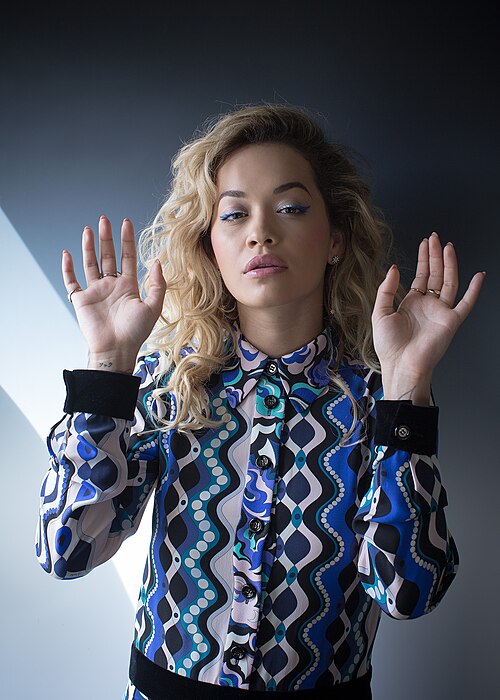
Ora’s controversy was tied less to a breakup than to a demand for evidence. After backlash to “Girls,” she apologized and stated, “I have had romantic relationships with women and men throughout my life and this is my personal journey.” Her experience mirrored a broader entertainment pattern in which women are asked to produce personal proof before their identity is treated as legitimate.
11. Halsey
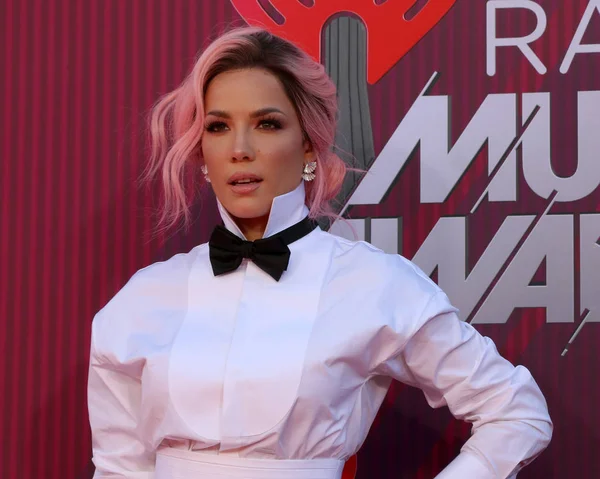
Halsey has repeatedly pushed back against bi-erasure, yet public discourse around her relationships still swings depending on whom she is dating at the moment. Male partners often flatten her identity in coverage, while relationships with women can be treated as aesthetic or performative. The standard changes, but the disbelief remains.
12. Paris Jackson
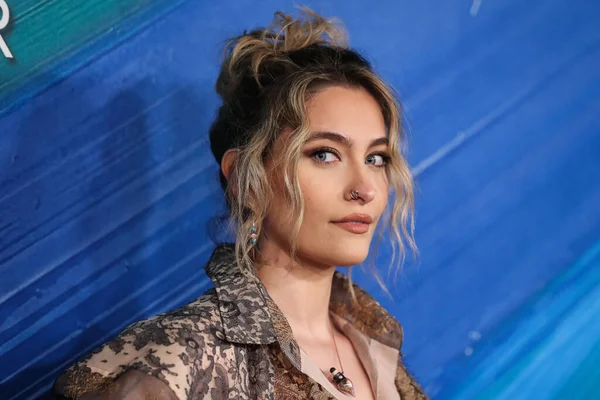
Jackson’s refusal to package her identity in a way tabloids can easily file has made her a magnet for insinuation. Friendships and rumored relationships with women are often recast as staged ambiguity, as if privacy itself were manipulation. In celebrity culture, refusing a label can invite more policing than choosing one.
13. Michelle Rodriguez
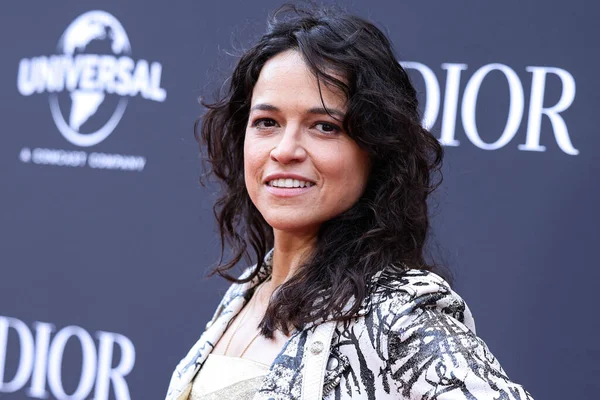
Rodriguez has long resisted neat categorization, and her brief, high-visibility pairing with Cara Delevingne was quickly dismissed by some observers as a publicity move. The brevity of the relationship became the entire case against it. That logic leaves queer women with a narrow script: if a romance is private, it is hidden; if it is visible, it is suspect.
14. Amber Heard
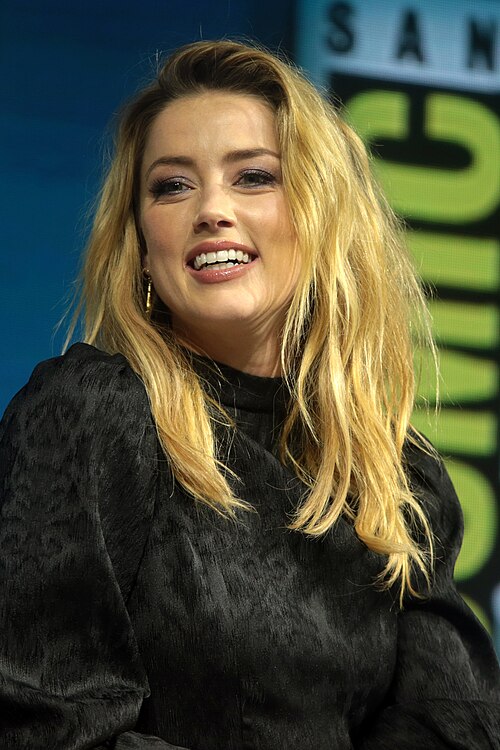
Heard’s past relationship with Tasya van Ree should have been straightforward biographical fact. Instead, later public controversies encouraged critics to weaponize that history, treating her identity as either deception or convenient reinvention. It was a stark example of how queer relationships can be recognized only when they can be used against someone.
15. Kristen Stewart
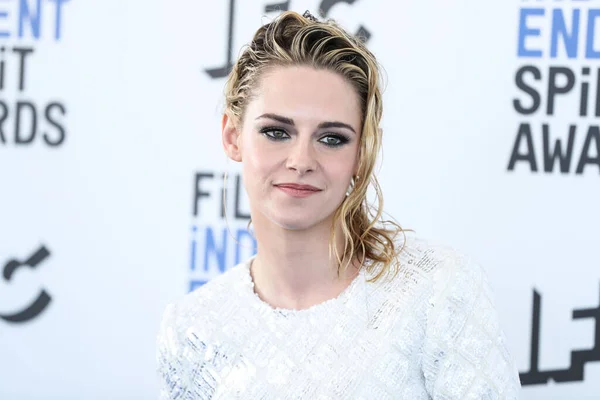
When Stewart began dating women publicly after the “Twilight” years, early coverage often framed it as image correction or rebellion. Her relationship with Soko was photographed so aggressively that some audiences assumed the visibility itself meant it was staged. The suspicion ignored the simple reality that paparazzi attention is not the same thing as performance.
16. Soko
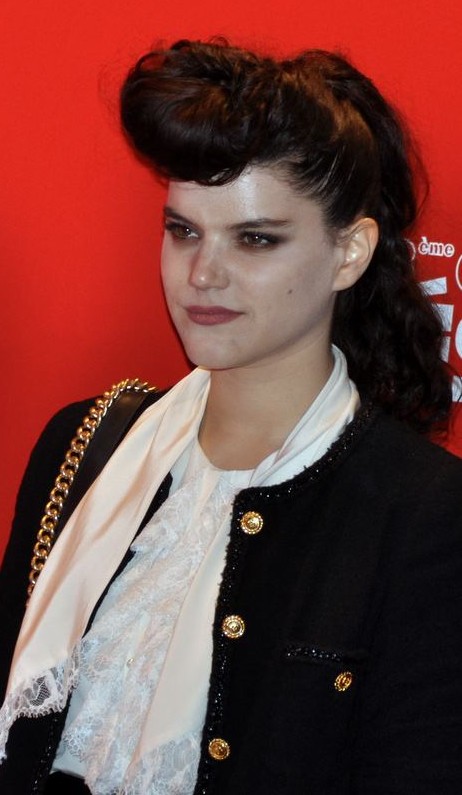
Soko’s romance with Stewart made her newly legible to American gossip media, which in turn produced a cynical reading that she was using the relationship for exposure. Once the pair split, the transactional narrative only grew. The speed with which that version took hold showed how often lesser-known women are treated as opportunists in celebrity pairings.

17. St. Vincent
Annie Clark’s dating history with high-profile women has often been discussed as though she were a recurring plot point in other people’s self-discovery. That framing strips agency from everyone involved. It also reveals how celebrity culture can reduce a queer musician’s private life to a symbolic test for actresses and public images.
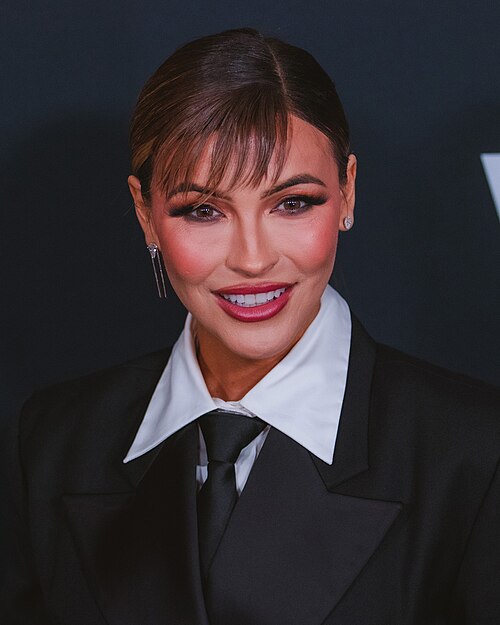
18. Chrishell Stause
Stause’s relationship with G Flip drew a different but related kind of suspicion, centered on age, timing, and reality-TV exposure. Critics cast it as reinvention-by-headline rather than partnership. Yet that response unfolded within a broader climate where queer visibility in mainstream entertainment remains contested, even after moments like Hallmark reinstating a same-gender wedding ad demonstrated how public backlash can encourage institutions toward inclusion.
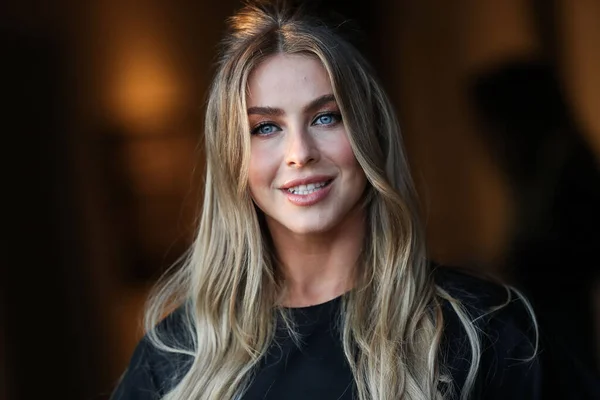
19. Julianne Hough
Hough’s experience shows how suspicion can arise even without a public same-gender relationship. After speaking about not being straight, she faced doubt rooted in the idea that identity is only valid once it is externally documented. It is the same gatekeeping impulse in softer form: no photo, no proof, no belief.
The through line in all 19 cases is not whether every public interpretation was fair, but how quickly a breakup becomes evidence in a trial no straight celebrity is asked to face in the same way. Queer women and fluid public figures are still expected to perform legibility on demand.
Hollywood has a long history of rewarding representation while also narrowing it, and queer people have shaped the culture all along. What celebrity breakup coverage often exposes is how slowly that deeper truth has filtered into the gossip economy.

