
A spare key can solve one problem and quietly create another. The challenge is not simply finding a place that feels convenient, but choosing one that does not help an intruder get through the front door in seconds. Security guidance has stayed consistent for years: the closer a key sits to the entry, the more likely it is to be found. One home security source notes that 33 percent of home burglars enter through the front door, which explains why obvious key spots remain such a weak point.
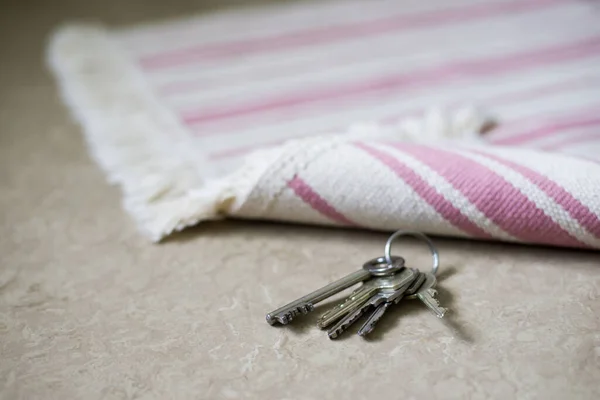
1. Under the doormat
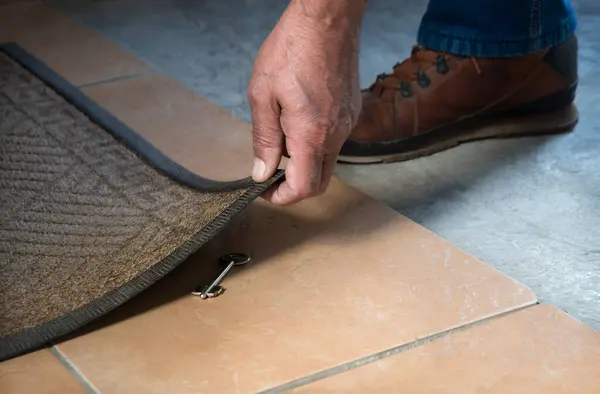
This remains the first place many people think of, and that is exactly the problem. A mat offers almost no concealment, requires no effort to check, and sits directly at the spot an intruder already wants to reach. It also creates a habit burglars expect. If a hidden key is meant to prevent a lockout, placing it at the threshold turns convenience into immediate access for anyone who thinks to lift the corner.
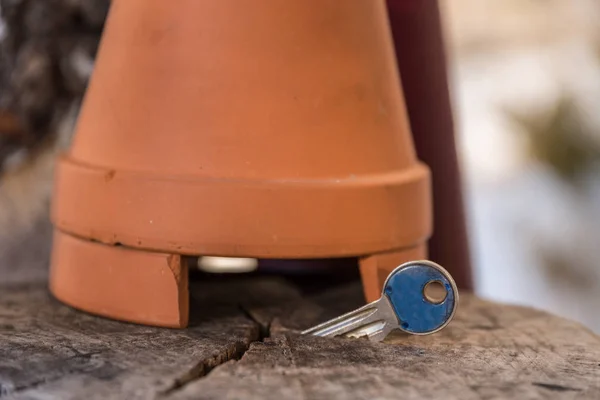
2. Inside or under flowerpots near the door
Planters look harmless, but they are among the best-known spare key spots. They are easy to tip, easy to lift, and usually positioned right where a burglar can search without wandering far across the property. Even heavy pots are not a reliable defense if they sit in the entry zone. The issue is not the object itself, but the predictability.
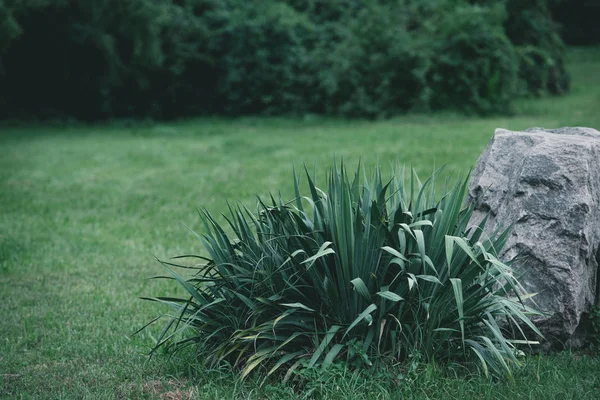
3. In a fake rock that does not blend in
A disguised container only works when it looks completely natural among real landscaping. A lone plastic rock in open view can attract more attention than a real stone ever would. The same applies to novelty hiding devices that look too clean, too light, or too perfectly placed. The disguise matters less than whether it belongs convincingly in the yard.
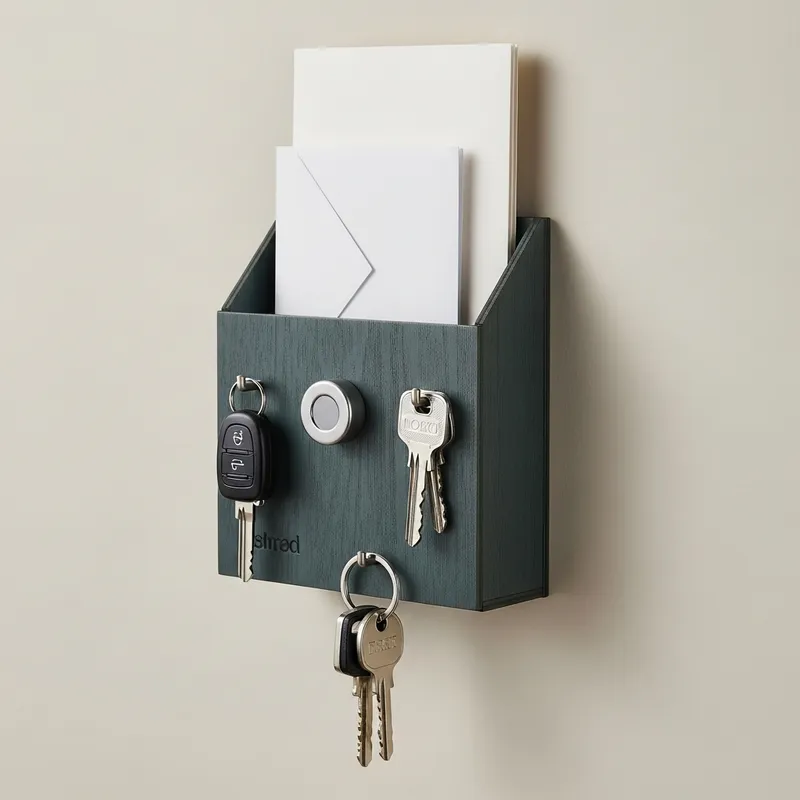
4. Attached to obvious metal surfaces
Magnetic key holders have a practical appeal, but visible or easy-to-reach metal surfaces are common search targets. Mailboxes, exposed pipes, car bumpers, and similar areas can be checked quickly by anyone familiar with this trick. Some security advice specifically warns against using any metal surface that can hold a magnetic key holder. If a homeowner relies on a magnetic case, location matters more than the box itself.
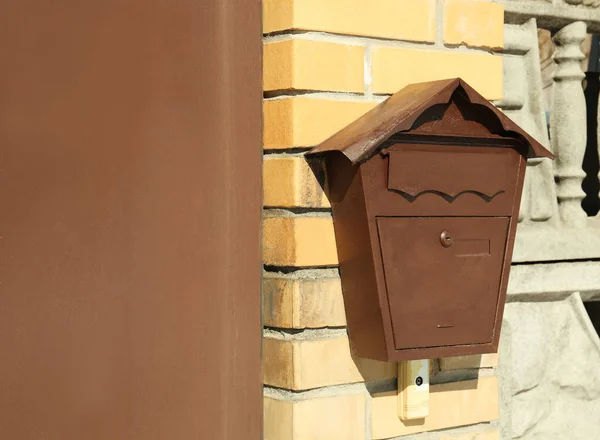
5. Inside the mailbox
A mailbox feels separate from the house, but it is still one of the most obvious places to inspect. It is also easy to access from the street, which makes it vulnerable not just to planned intrusion but to casual discovery. Putting a key there does not add much protection. It simply moves the risk a few steps away from the lock.
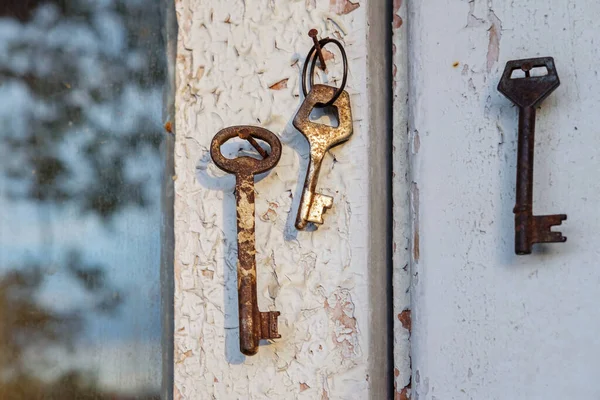
6. Above the door frame or on a ledge
This hiding place survives because it seems just out of sight. In reality, it is so familiar that a quick sweep of the hand often reveals it immediately. That includes nearby window ledges and trim. Burglars do not need to see the key if they already know where people usually wedge one.
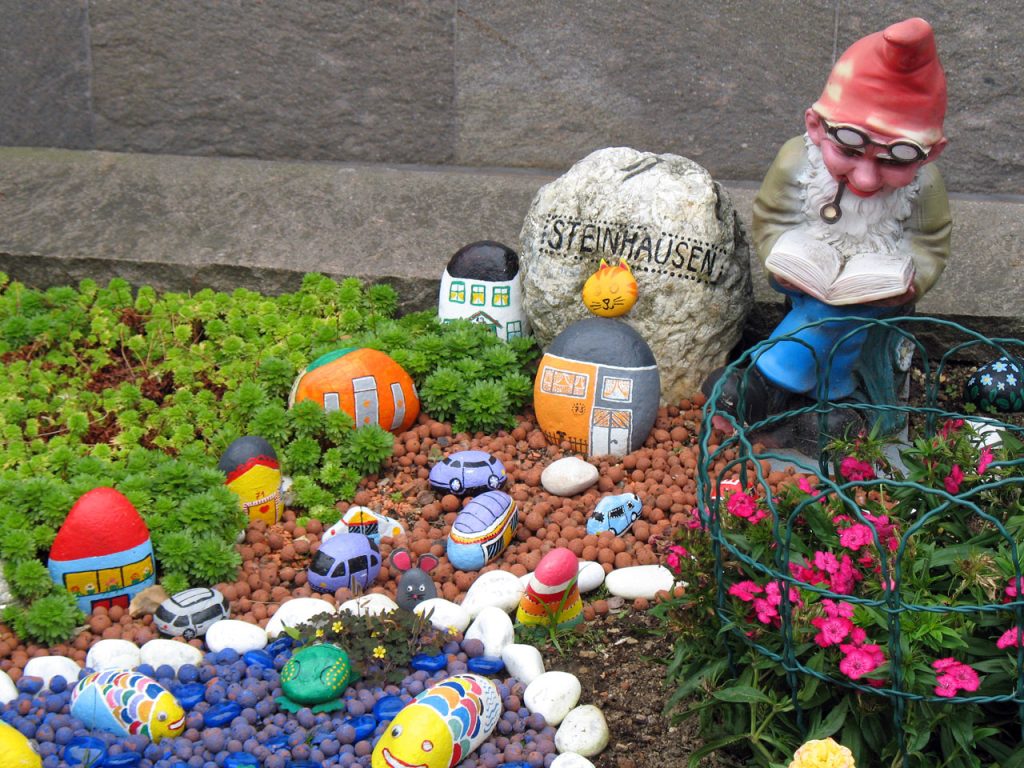
7. Inside decorative items by the entrance
Garden gnomes, porch ornaments, and other decorative pieces can look clever, but they are often handled precisely because they invite attention. A decoration near the front walk is still near the front walk. One warning repeated across security advice is that burglars search around doors and windows first, including near windows and doors. Decorative cover does not change that pattern.
8. In the same outdoor spot for years
A location can become risky simply because it never changes. Repeatedly retrieving a key from one hiding place creates a pattern that can be noticed by a neighbor, visitor, worker, or someone watching the property. This is where many “pretty good” hiding spots fail. A spare key is not just hidden from view; it also needs to stay free from routine and habit.
9. Anywhere outside when a safer backup exists
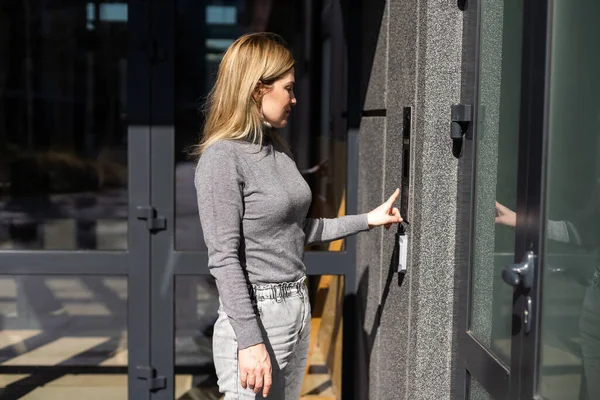
The strongest alternative is often not a hiding spot at all. A trusted neighbor, family member, or secure combination lockbox removes much of the guesswork and reduces the chance that a spare key will be found by the wrong person.
Some homeowners also replace the problem entirely with a smart lock eliminates the need for physical keys altogether. Others prefer a coded lockbox mounted in a discreet location, which adds a barrier beyond simple concealment.
The safest spare key strategy is usually the one that does not rely on a burglar overlooking something obvious. Hiding a key can still work, but only when it is far from predictable, far from the main entry path, and not part of a daily routine. If a key must stay outside, it needs weather protection, real camouflage, and distance from the front door. If a better option is available, that option usually carries less risk.

