
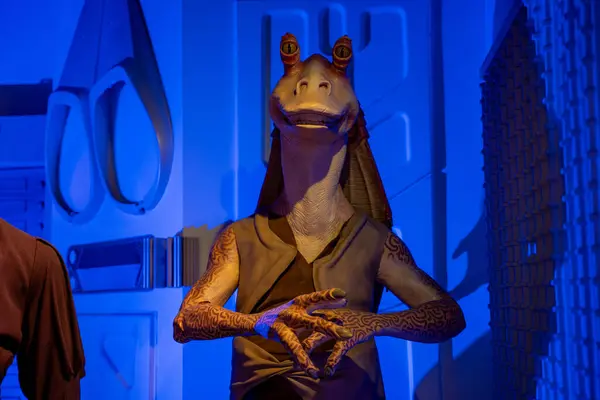
Every long-running franchise collects a few characters who never stop starting arguments, and Star Wars may have more of them than most. Some were meant to be funny and landed with a thud. Others were caught in storylines that split viewers down the middle. A few became lightning rods for much bigger debates about tone, canon, and who gets to belong in the galaxy far, far away.
That last part matters. Criticism of a character is one thing; harassment aimed at performers is another, and several Star Wars actors have spoken publicly about the damage that online abuse caused. The list below stays with the characters themselves, while recognizing that fan backlash has often spilled far beyond the screen.
1. Jar Jar Binks
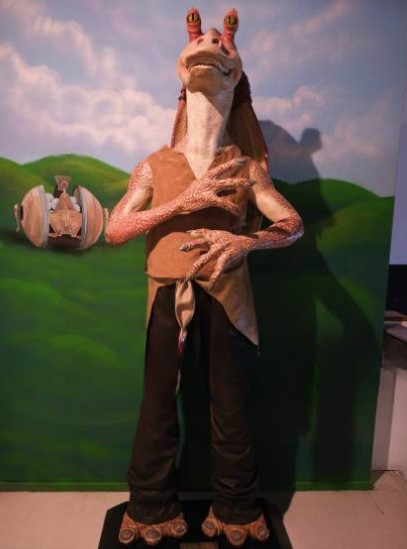
Jar Jar remains the franchise’s clearest example of a character designed for broad comic relief who collided head-on with audience expectations. Introduced in The Phantom Menace as a clumsy Gungan guide, he dominated enough of the film that viewers who disliked the slapstick had no easy way around him. His exaggerated mannerisms, voice, and constant accidents turned him into a pop-culture punchline almost immediately.
What kept the debate alive was that Jar Jar was not just background noise. He later helped set up a key political turning point by proposing emergency powers for Palpatine, giving the character an outsized role in the fall of the Republic. Over time, the backlash itself became part of the story, especially after Ahmed Best discussed how severe the reaction had been.
2. Rose Tico
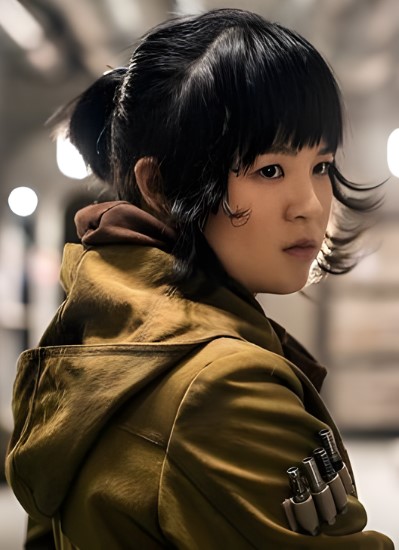
Rose entered The Last Jedi as a maintenance worker turned Resistance partner for Finn, but audience reaction focused less on her introduction than on what she represented in the film. The Canto Bight mission was widely treated as a narrative detour, and Rose became the face of that frustration. Her final intervention on Crait, stopping Finn’s sacrifice, remains one of the sequel era’s most argued-over decisions.
Her line, “That’s how we’re gonna win. Not fighting what we hate, saving what we love,” became a flashpoint because it condensed the film’s entire moral argument into one moment. The backlash also became inseparable from the treatment of Kelly Marie Tran, who later left social media after harassment tied to the sequel trilogy.
3. Vice Admiral Holdo
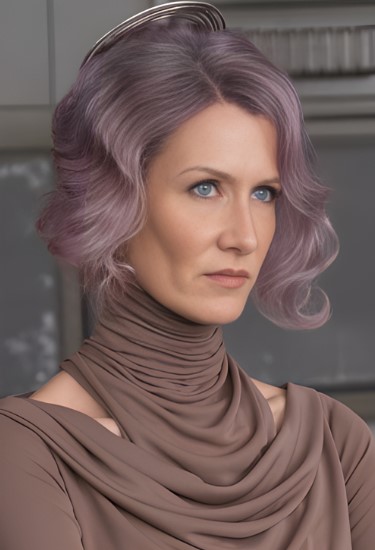
Holdo was built to frustrate both Poe Dameron and the audience, and that design choice worked a little too well. She takes command during a crisis, withholds her plan, and triggers a mutiny from people convinced she is failing in real time. For many viewers, that made her seem less like a strategic leader and more like an obstacle placed in the story to generate conflict.
Then came the hyperspace collision. The Holdo maneuver is still one of the sequel trilogy’s most visually striking scenes, but it also sparked years of argument about whether it broke the internal logic of Star Wars space combat. Few characters are tied so tightly to one moment that people either celebrate or reject on sight.
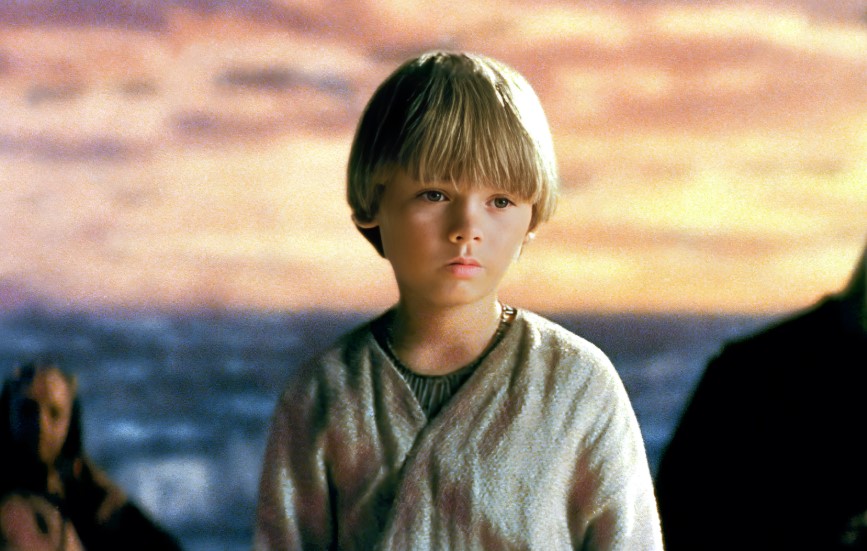
4. Young Anakin Skywalker
The child version of Anakin had an impossible assignment: introduce the future Darth Vader as innocent, gifted, and marketable to younger viewers without draining the mystery from one of cinema’s great villains. The result divided audiences for decades. His sunny dialogue, precocious skills, and accidental heroics in the Naboo battle made him feel too neat for viewers who expected something darker.
That reaction aged badly once the human cost became clearer. Jake Lloyd was a child actor carrying one of the most scrutinized roles in modern blockbuster history, and criticism of the character often blurred into something uglier. Later Star Wars projects softened attitudes toward Anakin overall, but the youngest version still gets singled out whenever prequel backlash is discussed.
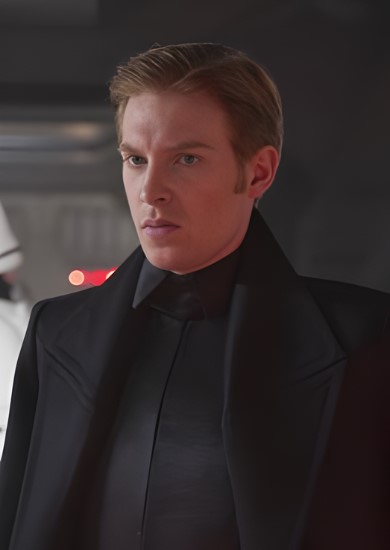
5. General Hux
Hux began as a frightening zealot. In The Force Awakens, he delivers a rally speech with enough intensity to suggest a major villain was arriving beside Kylo Ren. But the next films shifted him into a different register. He became petty, brittle, and increasingly played for laughs, which made his rivalry with Kylo entertaining but also weakened his menace.
By the time he was revealed as a spy motivated less by conscience than by spite, many viewers had stopped taking him seriously. That inconsistency, more than any single scene, is what keeps Hux on lists like this. He feels like several different characters stitched together.
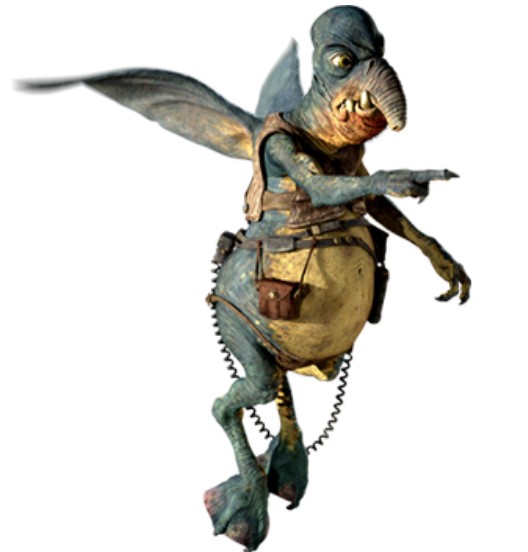
6. Watto
Watto is memorable for all the wrong reasons. As Anakin’s owner on Tatooine, he serves an important early function in the plot, especially when Qui-Gon tries and fails to use Jedi influence on him. Yet the character’s design, voice, and manner of speech drew long-running criticism that went far beyond ordinary dislike.
Much of that discomfort centered on claims that the portrayal echoed offensive ethnic caricatures. Even when viewers accepted his role in the story, many found his presentation distracting enough to sour every scene he entered. He remains one of the prequel era’s most uncomfortable legacy characters.
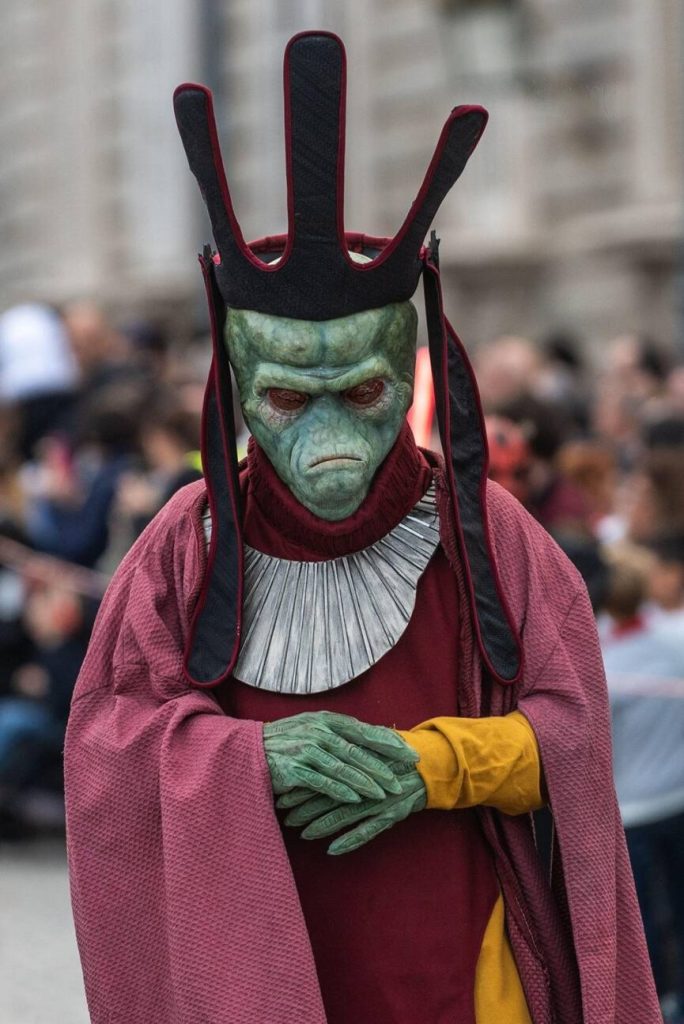
7. Nute Gunray
Nute Gunray should have landed as a calculating political villain. Instead, he often comes off as evasive, nervous, and strangely passive for someone helping launch a galactic crisis. He spends much of the prequel trilogy reacting to stronger figures, especially Darth Sidious, rather than projecting power of his own.
That would already make him an underwhelming antagonist, but criticism of the Neimoidians also expanded into broader complaints about accent and coding. In retrospect, Gunray is remembered less as a formidable threat than as one more example of the prequels struggling to align intention, tone, and execution.
8. Rotta the Hutt
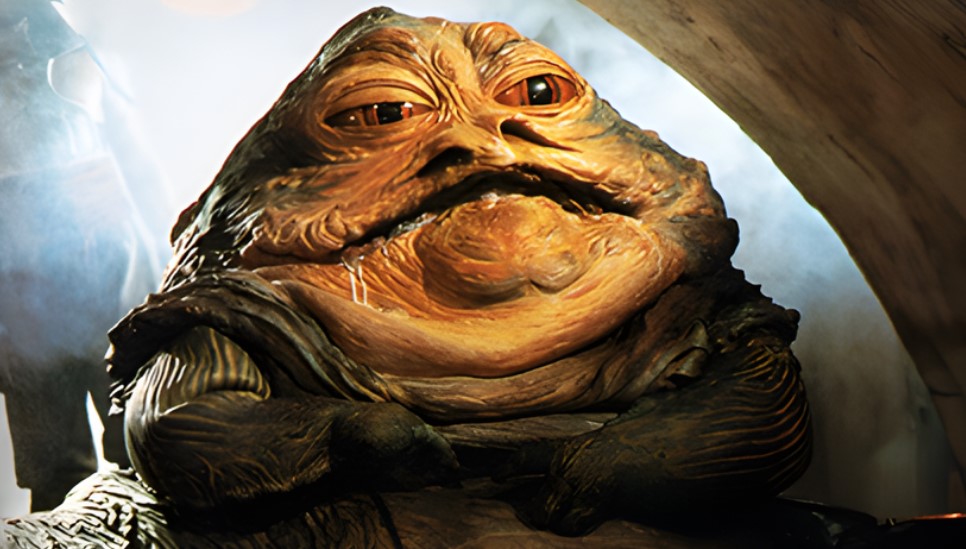
A baby Hutt called Stinky was always going to test the audience’s patience. In The Clone Wars film, Rotta is less a character than a noisy mission objective that Anakin and Ahsoka must carry through danger. The concept pushed Star Wars toward kid-friendly chaos at a moment when many viewers wanted the Clone Wars to feel harder-edged and more warlike.
That tonal clash did the real damage. Rotta’s crying, burping, and oversized importance in the plot made the movie feel lighter and stranger than some fans expected from a title connected to galactic conflict. He is still shorthand for one of Star Wars’ oddest creative swings.
9. Ziro the Hutt
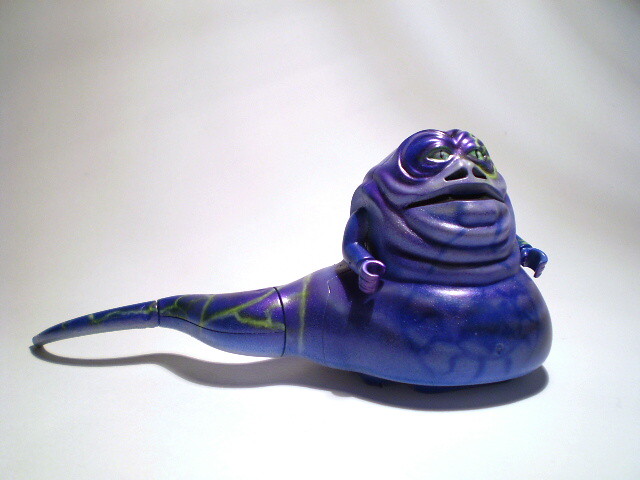
Ziro had a built-in problem: Jabba set the standard for what a Hutt crime lord should feel like. Ziro went in the opposite direction, speaking Basic in a high, stylized voice and leaning into flamboyance rather than menace. For some viewers that made him distinctive; for many others, it made him impossible to take seriously.
In a franchise that often uses vocal performance to define entire characters, Ziro’s voice became the whole conversation. Once that happens, nuance rarely gets a chance. He remains one of the clearest examples of a Star Wars character rejected largely on presentation alone.
10. Ewoks
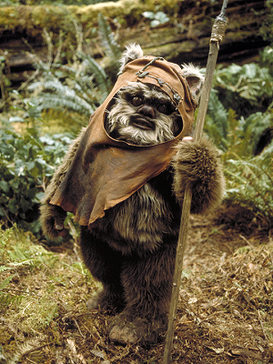
The Ewoks are not one character, but they belong in any conversation about Star Wars figures who sparked lasting resentment. Their problem was never simply that they were cute. It was that a primitive forest species defeating Imperial troops looked to many viewers like a sharp tonal pivot toward toy-friendly fantasy.
That complaint has lasted for decades, even as younger audiences warmed to them. The debate really comes down to what people want Star Wars to be at any given moment: mythic adventure for all ages, or something more grounded inside its own world. The Ewoks sit right on that fault line.
The pattern across these characters is not hard to spot. Some were rejected because they were grating, some because they disrupted the tone, and some because they arrived inside films that fans were already primed to fight over. In several cases, time has softened the reaction. In others, the arguments are still running hot. That may be the real Star Wars tradition: not universal agreement, but endless reappraisal. A character mocked in one decade can be reclaimed in the next, while another becomes a symbol for much larger fandom battles. In this franchise, dislike rarely stays simple for long.

