
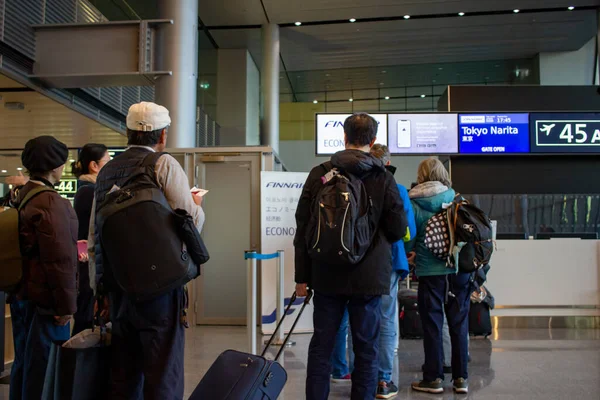
Gate areas tend to look calm right up until they are not. A delayed inbound plane, a full flight, or a line of passengers arriving with last-minute questions can turn a podium into one of the most pressured spots in the airport.
That pressure is not always caused by obvious bad behavior. Some of the habits that create the most friction are the ones travelers think are harmless, polite, or routine. These are the airport patterns that often make boarding slower, conversations tenser, and already packed departure areas harder to manage.
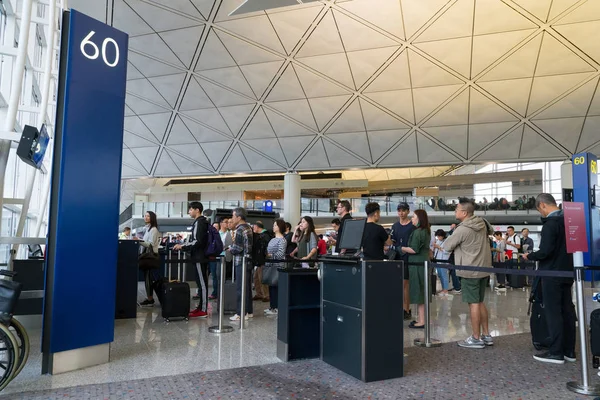
1. Crowding the gate before boarding starts
Standing close to the podium long before a group is called often feels proactive, but it usually creates congestion where agents need clear sightlines and room to work. Packed gate lanes make it harder for families, wheelchair users, and passengers in active boarding groups to move forward without confusion.
Basic airport etiquette guidance regularly advises travelers not to block gate areas or busy walkways, because crowding the gate area before boarding slows the process for everyone nearby. For gate agents, it also means repeating instructions that were already announced and sorting out lines that formed too early.
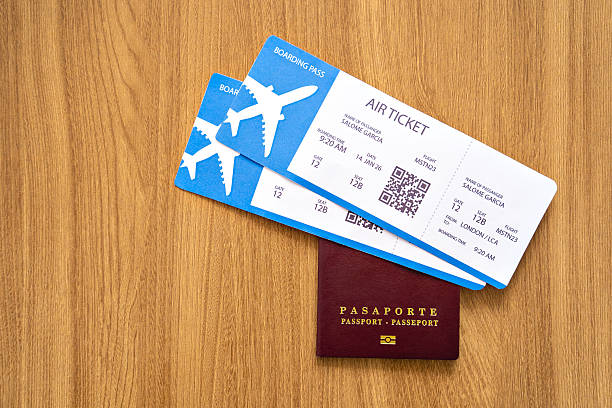
2. Walking up unprepared when the boarding pass is needed
Few things stall a boarding line faster than a passenger reaching the scanner and then beginning the search for a phone, ID, or digital pass. Even short delays add up quickly on a full flight.
A viral passenger complaint described being sent to the back of the line after not having a boarding pass ready, reflecting how tense these moments can become when a gate is already busy. The complaint centered on being asked to step out of line for not having a boarding pass pulled up quickly enough. Regardless of tone, the underlying issue is familiar at many gates: the line moves best when documents are ready before the passenger reaches the podium.
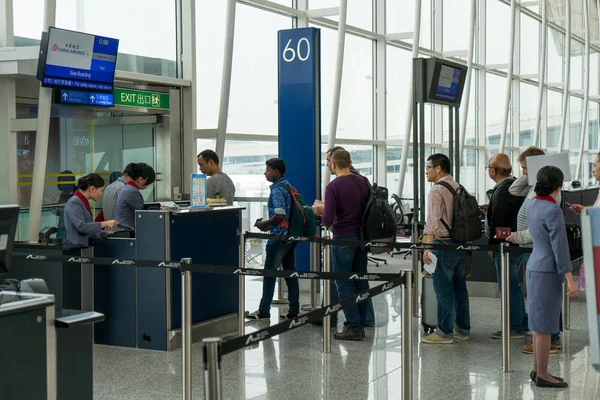
3. Ignoring boarding groups and trying to slip in early
Boarding zones are not just decorative language on a pass. They help agents control the flow of people, prevent aisle backups, and avoid disputes over overhead bin space.
When passengers join the line early “just in case,” agents have to pause scanning, redirect people, and re-explain the process. That interruption may seem small, but on a tight turn it can ripple through the entire boarding window. Etiquette advice aimed at travelers consistently points to following boarding procedures as one of the simplest ways to reduce gate-area stress.
4. Bringing unresolved ticket problems to the podium at the last minute
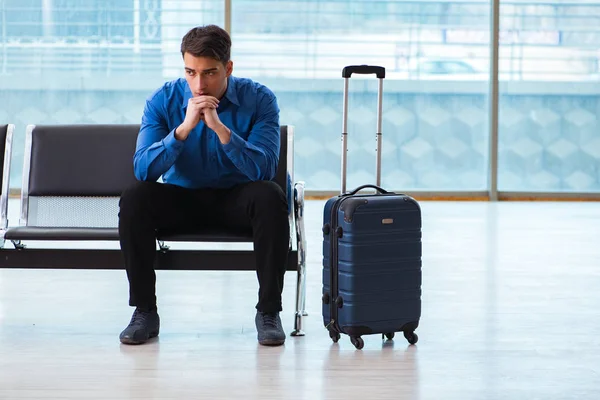
A surprising share of gate conflict begins before anyone reaches the airport. Travelers who do not read fare rules, baggage restrictions, or seating terms often discover the issue only when boarding is about to begin.
Former gate agents have noted that passengers frequently arrive angry about restrictions they agreed to while booking, especially on basic fares with limits on changes, seat assignments, or carry-on allowances. According to one former agent, many problems could be avoided by reading the fine print on restrictive fares. At the podium, those surprises do not stay personal for long; they slow the line behind everyone else.
5. Treating overhead-bin space like a negotiation
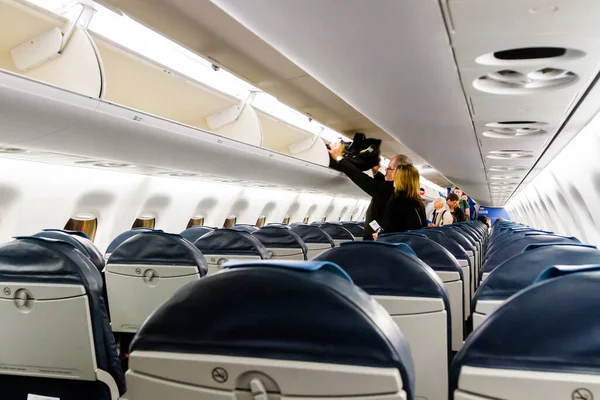
Gate agents know before boarding starts when a flight is likely to run out of bin space. That is why repeated announcements about voluntary gate-checking can sound urgent, even excessive, on full flights.
Passengers sometimes resist because they assume their bag will fit if they board quickly enough. But when too many people make that same calculation, the result is a bottleneck on the jet bridge or in the aisle. One delay account described boarding being slowed by too many carry-on bags, a familiar operational problem when travelers wait too long to make a bag decision. What frustrates agents is not the bag itself so much as the last-second standoff over where it will go.
6. Showing up too late and expecting the rules to bend
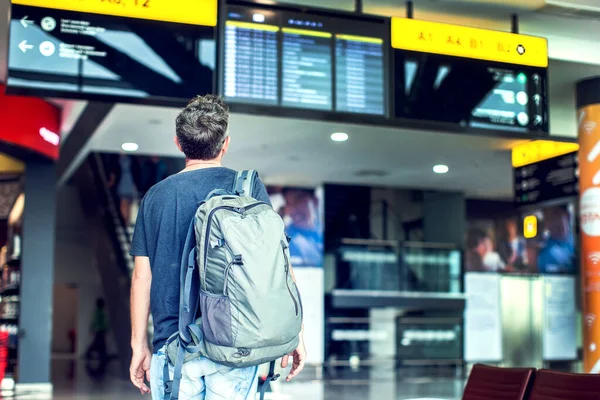
Air travel leaves little room for improvisation once a deadline passes. Bag-drop cutoffs, check-in windows, and boarding-door times are stricter than many travelers expect.
Former gate staff have emphasized that many airports operate with firm cutoffs and that late arrivals often turn into emotional podium confrontations. A traveler’s traffic story may be real, but it does not change the clock. When a passenger arrives with minutes to spare and expects personal intervention to undo a missed cutoff, the request usually lands on a gate agent who has little authority to change the outcome.
7. Taking delay frustration out on the nearest employee
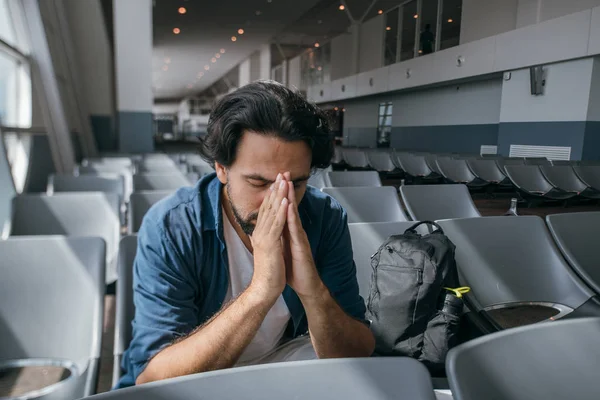
Gate agents are the most visible face of the airline, which means they absorb frustration over weather, maintenance, missing inbound aircraft, and schedule changes they did not create. That emotional spillover can shift a gate area from tense to openly combative.
One former gate agent put it plainly: “Being rude, demanding, or entitled when asking an employee for a favor is not going to get you very far.” Even when a traveler is trying to solve a genuine problem, an aggressive tone usually turns a simple request into a defensive exchange. A calm question gives an agent room to help; a hostile approach often narrows the options immediately.
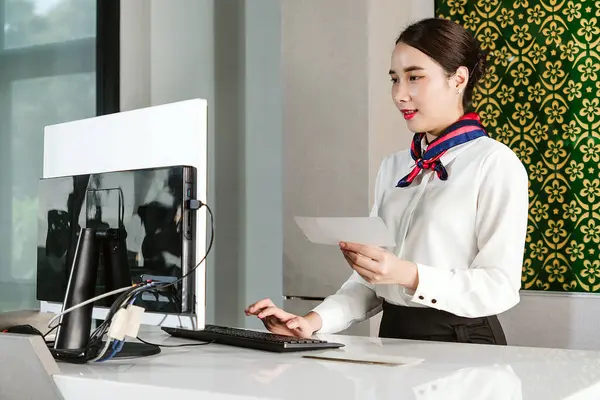
8. Waiting until the gate to ask questions that should have been handled earlier
Seat disputes, connection worries, baggage confusion, and special-travel questions often surface in a rush right as boarding begins. Some of those issues are unavoidable, but many are better handled at check-in, through the airline app, or at a service desk before the line forms.
This habit puts gate agents in a difficult position. They are trying to board a full aircraft on time while also giving real attention to problems that may need more than a 20-second answer. When too many passengers save those conversations for the final minutes, the gate becomes a help desk and a boarding lane at the same time.
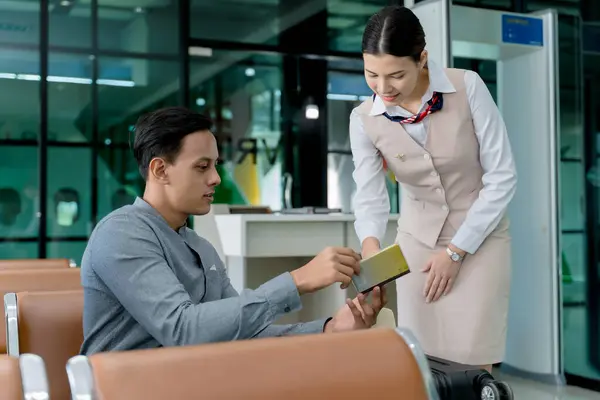
Most travelers are not trying to make anyone’s shift harder. The disconnect is that airport stress encourages habits that feel efficient from one side of the podium and chaotic from the other.
A little preparation changes the tone quickly. Waiting for the right boarding group, having documents ready, understanding fare rules, and accepting gate-check instructions without a standoff all help the gate run more smoothly for staff and passengers alike.

