
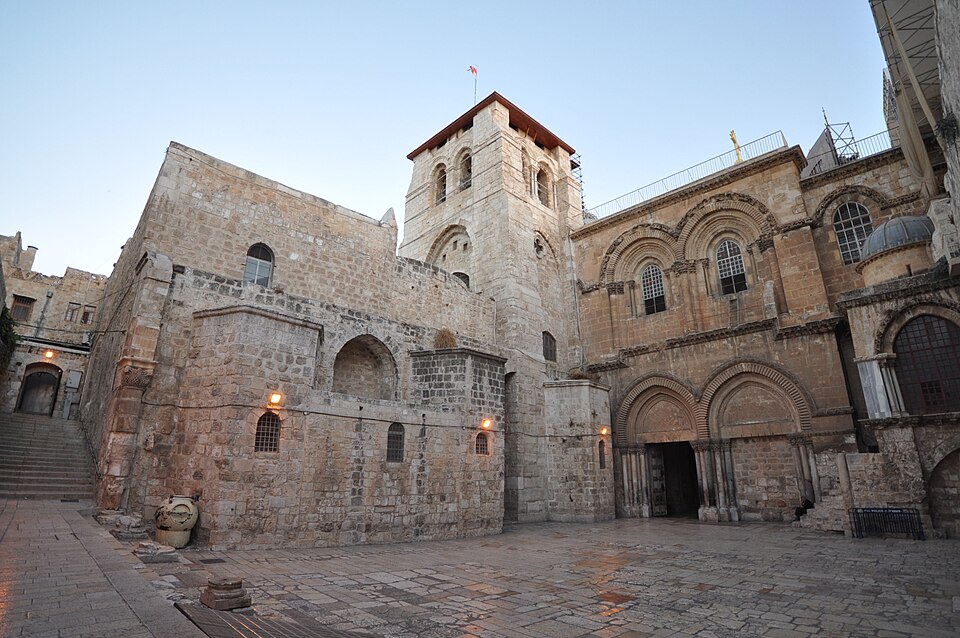
Beneath one of Christianity’s most venerated buildings, the ground has been yielding a quieter kind of testimony. Recent excavations under the Church of the Holy Sepulchre have not settled matters of faith, but they have sharpened the physical setting in which the Gospel narratives have long been read.
What emerges is not a single dramatic reveal, but a layered landscape: quarry, cultivated ground, tombs, imperial monument, and living shrine. Taken together, these discoveries invite a more textured reading of the Gospel world one rooted in terrain, memory, and the long human habit of marking places as holy.
1. A garden is no longer just a literary detail
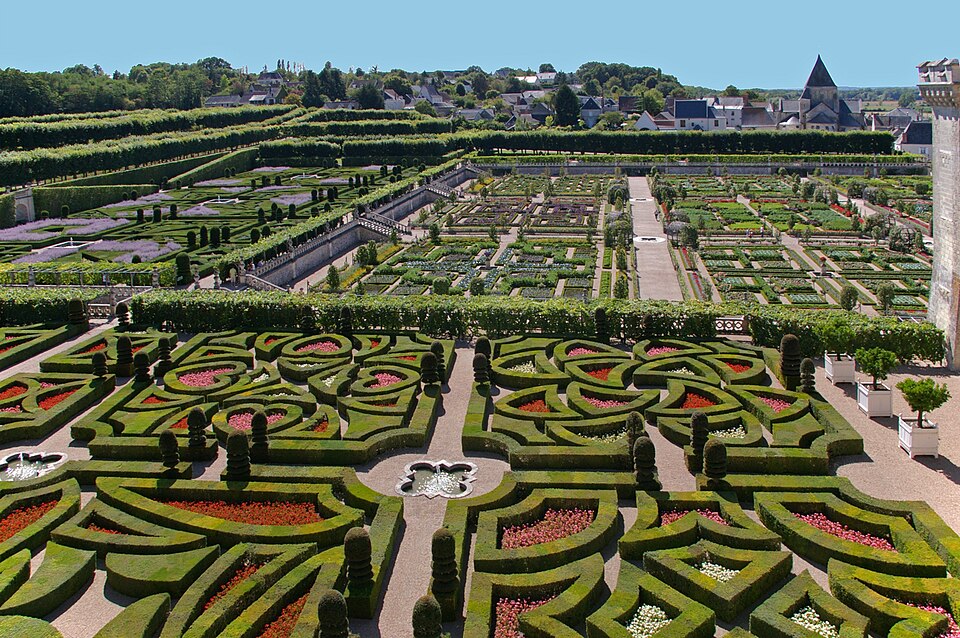
The most striking development is the evidence for cultivated land beneath the church floor. Archaeologists identified olive and grape pollen and seeds dating back approximately 2,000 years, a finding that closely matches the setting described in John 19:41.
Professor Francesca Romana Stasolla said, “The archaeobotanical findings have been especially interesting for us, in light of what is mentioned in the Gospel of John.” She added, “The Gospel mentions a green area between Calvary and the tomb, and we identified these cultivated fields.” That does not convert Scripture into excavation data, but it does place one Gospel detail within a plausible historical landscape.
2. The site’s earlier life explains why tombs would be there
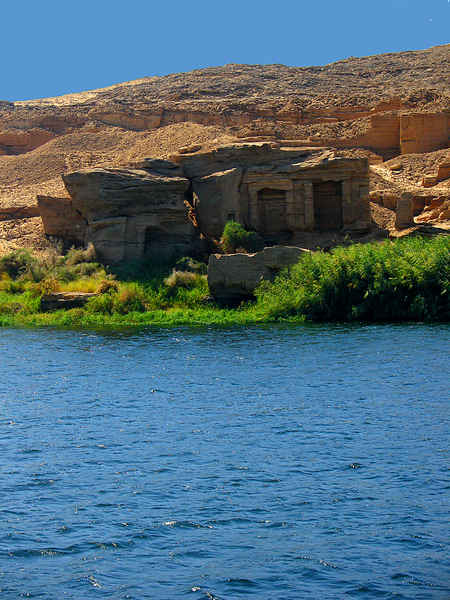
The church stands on land that first served as a quarry. That matters because abandoned quarries around Jerusalem were often repurposed rather than erased, leaving cut rock, uneven terraces, and spaces suitable for burial.
According to the excavation team, the area moved from active extraction into agricultural use and then into a burial zone by the first century. Stasolla described that sequence plainly: “The quarry had to be gradually abandoned, and after the stone extraction ended, it was used for agricultural areas and tombs. That’s how it must have been in the 1st century CE.” In historical terms, the Gospels’ pairing of garden and tomb begins to look less symbolic and more topographically ordinary for the edge of ancient Jerusalem.
3. The discoveries reinforce that the area lay outside the city in Jesus’ time
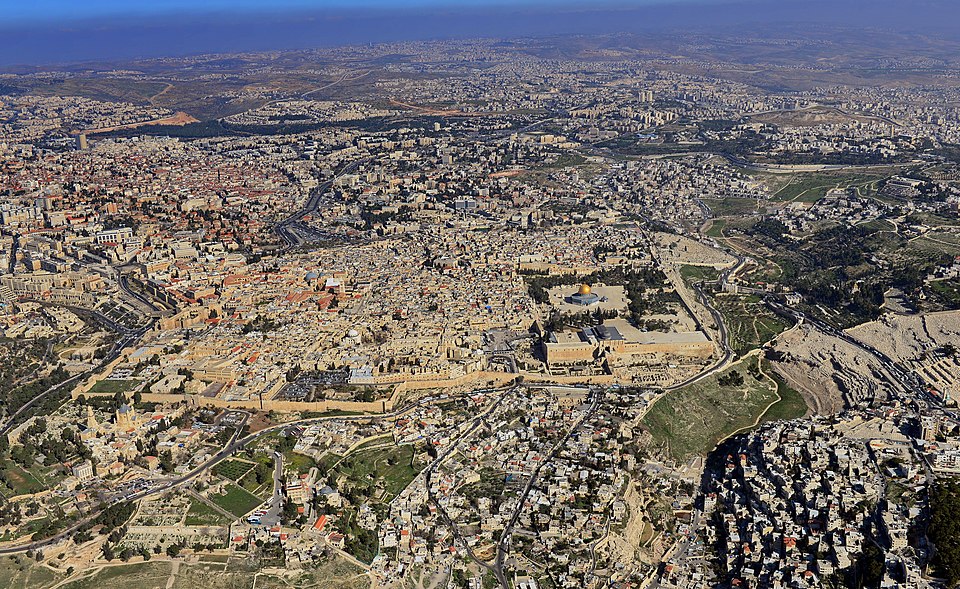
One of the most important background points is geographical. Stasolla noted that while the area was inside the city by the Roman period under Hadrian, at the time of Jesus, the area was not part of the city yet.
That detail aligns with the broader logic of the crucifixion and burial accounts. Executions and burials were associated with places beyond dense urban habitation, and the archaeology now helps anchor that setting in the known expansion of Jerusalem rather than in devotional tradition alone.
4. Low stone walls and soil layers suggest an organized cultivated space
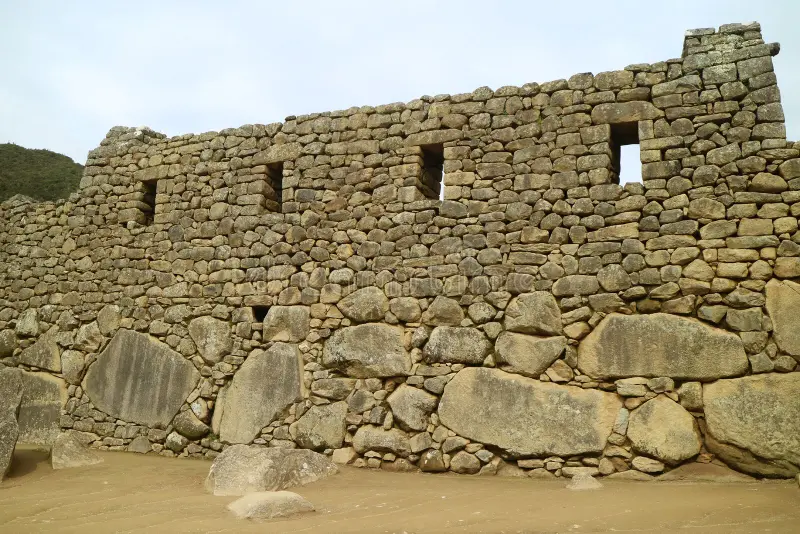
The evidence is not limited to pollen. Excavators also found low stone walls, dirt-filled sections, pottery, lamps, and glass, indicating that the area had been intentionally arranged and used.
These remains deepen the garden claim because they point to managed plots rather than a vague patch of open ground. A Gospel reference to a garden can easily be read as a dramatic backdrop; the buried layout suggests something more practical and lived-in, part of the working environment outside the city before monumental church architecture transformed the site.
5. The tomb tradition sits inside a much older landscape, not apart from it
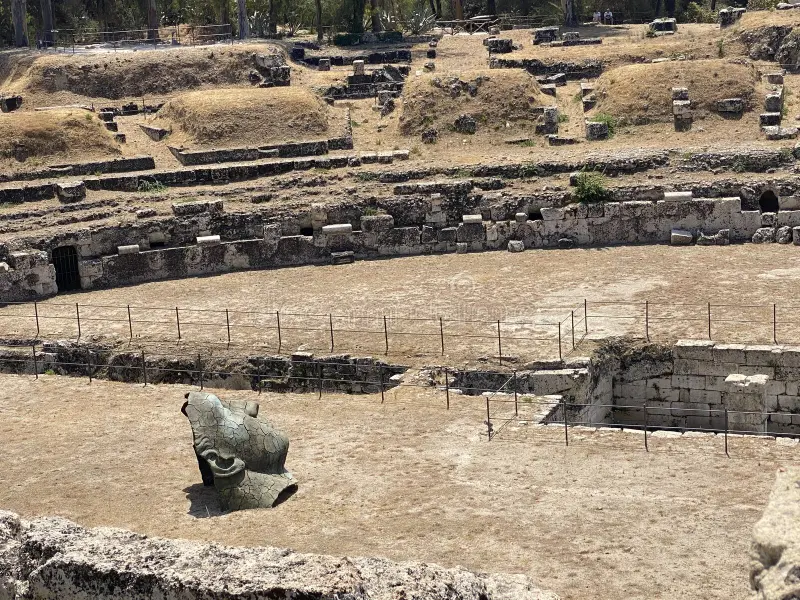
The excavations have revealed a site with a long biography stretching back to the Iron Age. Beneath the church are remnants of a quarry dating back to the Iron Age, followed by later phases of cultivation and burial.
That layered history changes how the Holy Sepulchre is understood. Rather than appearing as a sacred point dropped onto an empty map, the place emerges as part of Jerusalem’s evolving terrain. The Gospel setting gains realism when read against a landscape already shaped by labor, agriculture, death, and reuse over centuries.
6. Constantine’s builders were preserving memory as much as building a church
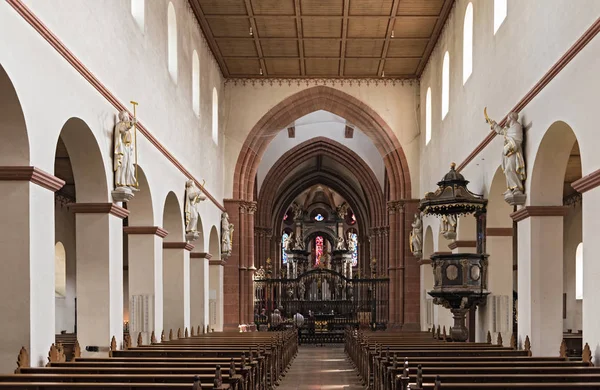
The church founded in the fourth century did not create the importance of the place from nothing. Excavation beneath the Edicule has identified a circular marble base beneath the Edicule, likely tied to the site’s earliest monumental marking.
That finding matters because it suggests early Christians were not only venerating a location but materially defining it. The church’s origins under Constantine, along with traditions connected to Helena’s search for Christ’s tomb, belong to a long process of identifying, isolating, and preserving a place believed to hold sacred memory. Archaeology cannot prove the object of that belief, but it can show how early communities built around it.

7. New technology is reconstructing a site that cannot be fully opened at once
The Holy Sepulchre is not a conventional excavation field. Worship continues, pilgrims move through the church, and the floor can only be opened in sections. For that reason, the research depends heavily on ground-penetrating radar and 3-D mapping.
Stasolla explained, “While we have not been able to see the entire church excavated in one glance, new technologies are allowing us to reconstruct the bigger picture in our labs.” That method is reshaping biblical history in a distinctly modern way: not by grand trench exposure, but by piecing together a sacred site as if assembling a puzzle whose fragments remain under active devotion.
8. The strongest historical result is not proof, but context
The excavation’s significance lies in how it narrows the gap between text and place. It has not ended debates over the exact location of Jesus’ burial, and the researchers themselves have maintained that faith and historical inquiry are separate fields.
Stasolla put that distinction clearly: “Whether someone believes or not in the historicity of the Holy Sepulchre, the fact that generations of people did is objective.” That sentence captures the excavation’s deepest contribution. The findings do not compel belief, but they show how belief attached itself to a landscape that fits the broad physical contours described in the Gospels.
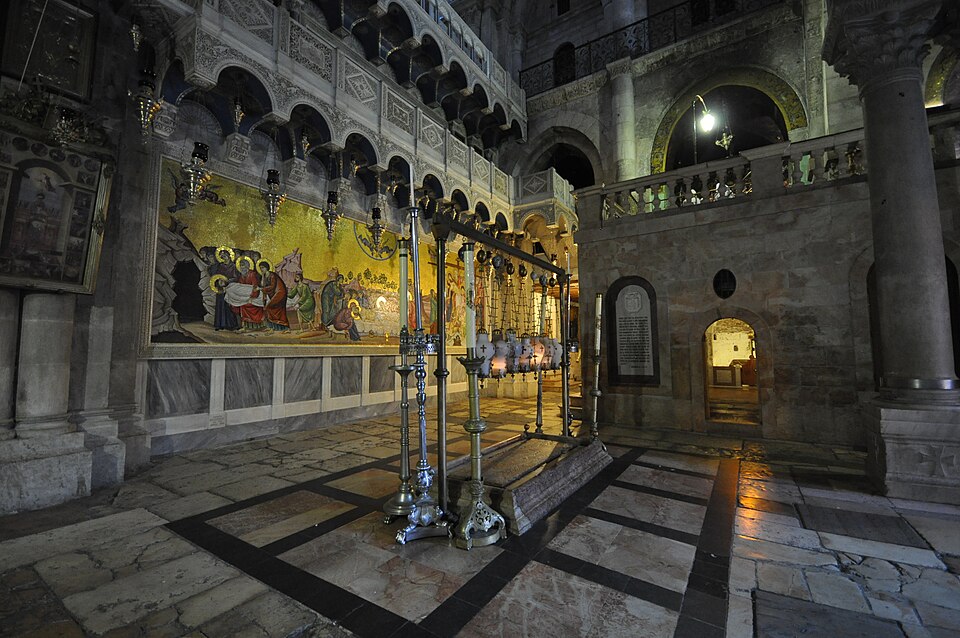
Under the Holy Sepulchre, history is appearing in layers rather than slogans. A quarry became a garden, a garden bordered tombs, a tomb became a focus of devotion, and devotion raised stone above stone until one of the world’s most consequential shrines stood over them all.
That sequence changes the reading of the Gospels by making their setting harder to dismiss as abstraction. The buried ground does not replace Scripture. It gives the text a more tangible earth.

