
Hollywood is often discussed as a business built on close-ups, marks, and split-second visual cues. That makes one reality easy to miss: a number of well-known actresses built lasting careers while managing major sight loss, blindness in one eye, or conditions that made everyday work on set more complicated than audiences ever realized.
The broader context is striking. At least 2.2 billion people worldwide live with near or distance vision impairment, according to the World Health Organization figure cited by 3Play Media, and the entertainment industry is part of that reality too. For performers, adapting can mean memorizing lines differently, navigating intense lighting, relying on verbal direction, or working around reduced depth perception without making it the center of every role.
1. Judi Dench kept acting as macular degeneration changed how she worked
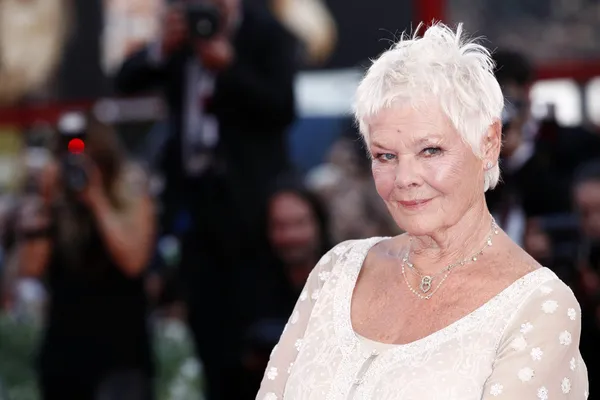
Judi Dench has spoken openly about age-related macular degeneration, a condition that made reading scripts increasingly difficult. Instead of stepping away, she adapted by having lines read aloud so she could memorize them by ear. That shift says a great deal about how performance survives even when traditional rehearsal routines no longer work.
Her case also reflects a larger truth about screen work: acting is not only visual. Dialogue, rhythm, memory, and collaboration carry enormous weight, especially when an actor has to restructure the way material is absorbed..
2. Mila Kunis spent years blind in one eye before surgery
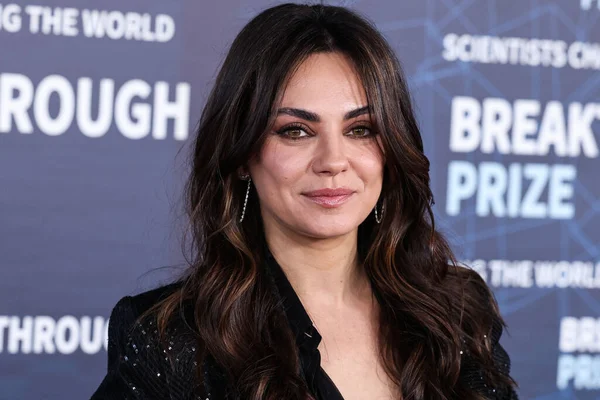
Mila Kunis revealed in 2011 that she was “blind in one eye for many years”. The cause was chronic iritis, which led to a cataract and serious loss of vision before corrective surgery restored sight in that eye.
What made her story stand out was how little the public knew while she was already a major television and film presence. Her experience turned a private medical issue into a reminder that vision loss is often invisible to everyone except the person managing it.
3. Daryl Hannah built a film career with blindness in one eye
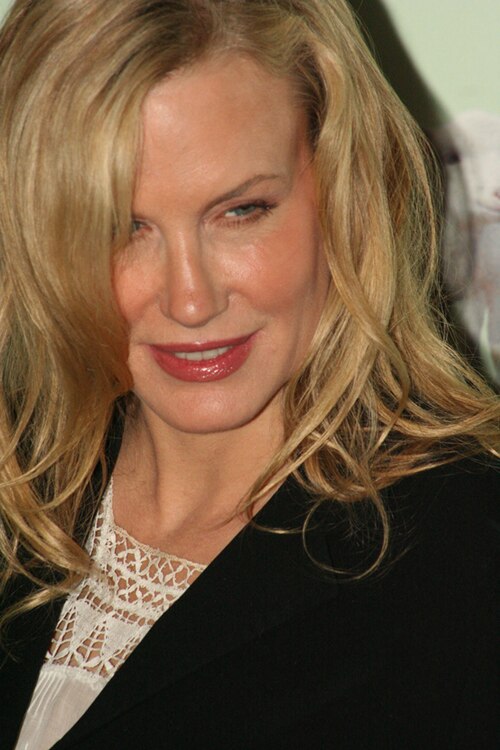
Daryl Hannah has long been reported as legally blind in one eye after a childhood injury. In practical terms, that can affect depth perception, spatial judgment, and movement in crowded or fast-changing environments.
That matters on a film set. Marks have to be hit precisely, cameras move, lighting shifts, and scenes can involve complicated blocking. Yet Hannah still became closely associated with roles that demanded physical confidence and strong screen presence, proving that adaptation in performance is often happening where viewers cannot see it.
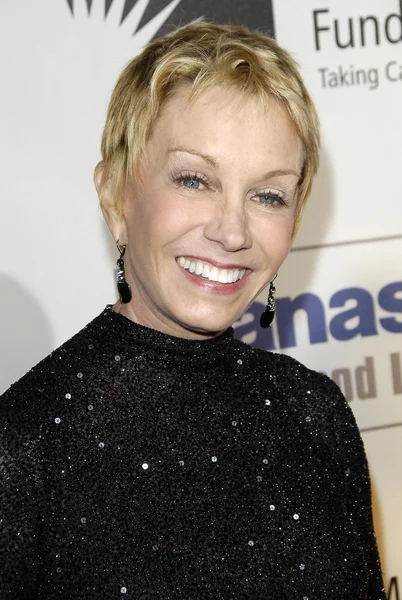
4. Sandy Duncan learned to perform naturally after losing sight in one eye
Sandy Duncan lost sight in her left eye after surgery related to a tumor on her optic nerve. Even with that loss, she continued working in television and on stage, including physically demanding performances that required balance and exact movement.
Her story remains one of the clearest examples of trained adjustment. Many viewers never noticed a difference because the work of compensation had become part of her craft.
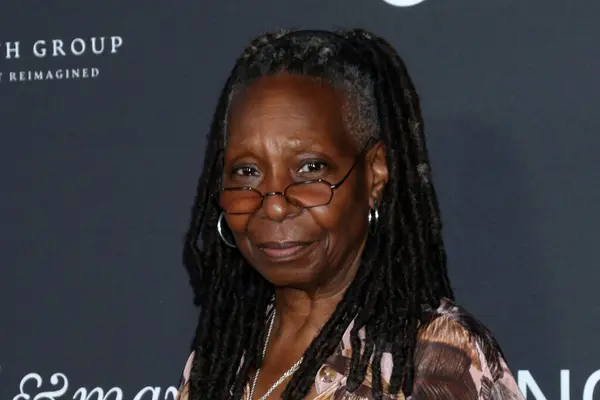
5. Whoopi Goldberg has discussed living with glaucoma and light sensitivity
Whoopi Goldberg has spoken publicly about glaucoma and about using tinted glasses to help with light sensitivity. For performers and television personalities, that kind of issue can be especially disruptive because production spaces are filled with bright studio lights, reflective surfaces, and long workdays.
Advice published for visually impaired actors notes that blindness exists on a spectrum and that many performers benefit from script formats, orientation support, and clear verbal instruction on set. Most visually impaired actors have some vision to varying degrees, making individualized access far more useful than one-size-fits-all assumptions.
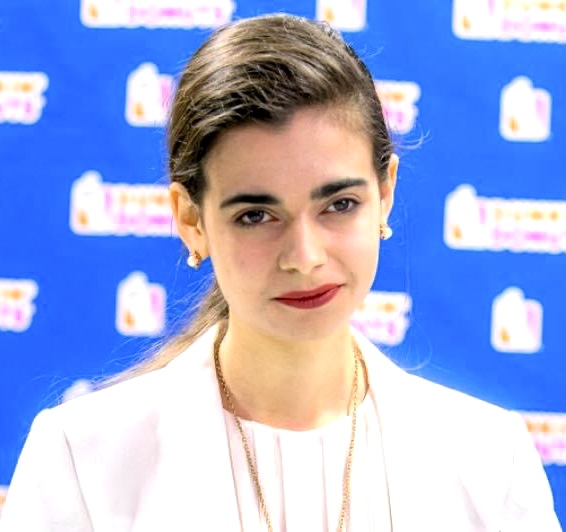
6. Aria Mia Loberti brought authentic low-vision representation to a global series
Aria Mia Loberti entered the spotlight with All the Light We Cannot See and brought unusual authenticity to the role because she is legally blind herself. She has achromatopsia, a genetic condition that affects color perception, visual acuity, and sensitivity to light.
Her rise also signaled a broader industry shift. Casting conversations have moved beyond whether disabled performers can work and toward whether productions are prepared to work accessibly. That includes script delivery, navigation support, and clearer communication during rehearsals and filming.
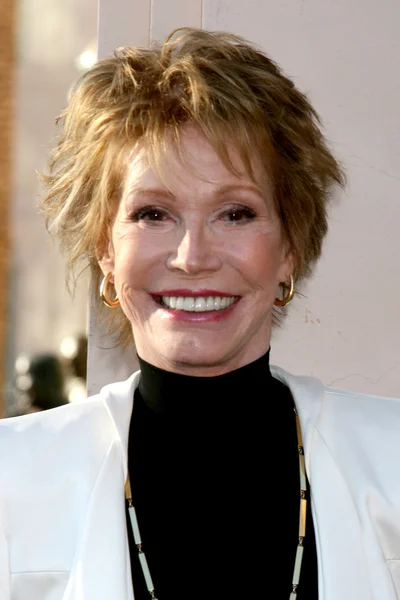
7. Mary Tyler Moore faced major vision loss linked to diabetes
Later in life, Mary Tyler Moore experienced severe vision loss connected to Type 1 diabetes and was reported to be legally blind. For an actress so closely associated with poise, timing, and command of the frame, that added a difficult off-camera challenge to an already demanding career.
Her story also widens the conversation beyond eye injuries alone. Vision loss can arrive through chronic illness, and its effect can be progressive, forcing performers to keep adjusting to a body that no longer behaves the same way from one year to the next.
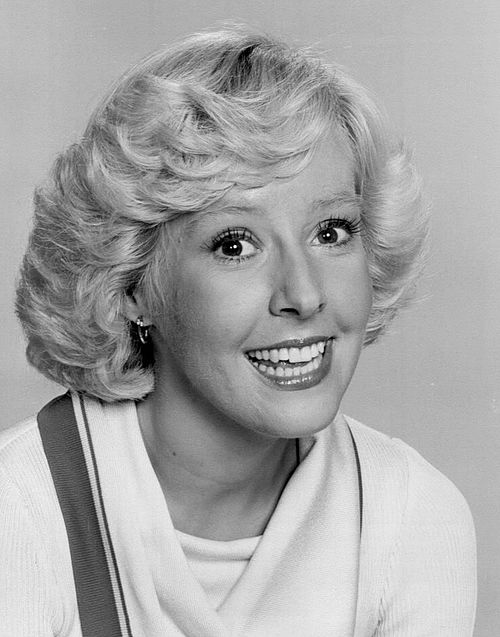
8. Georgia Engel worked for years while legally blind in one eye
Georgia Engel, beloved for roles on The Mary Tyler Moore Show and Everybody Loves Raymond, was legally blind in one eye for much of her life. Her gentle on-screen style gave little hint of the extra calculation that reduced vision can require.
That quiet contrast is part of why these stories resonate. The public often associates disability with visible struggle, while many performers simply fold adaptation into routine professionalism.
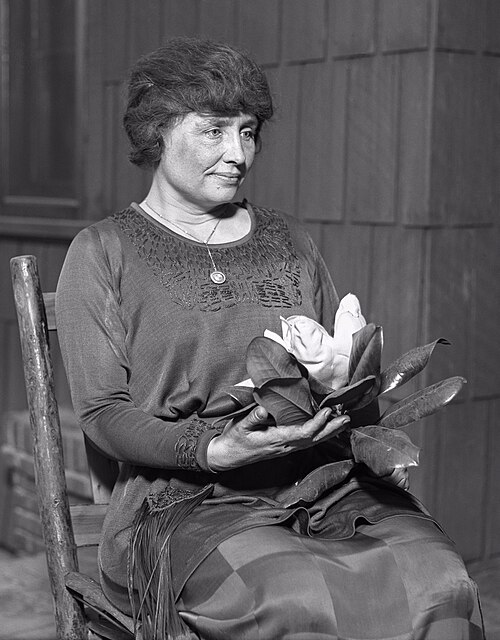
9. Helen Keller’s screen appearances made disability visible long before Hollywood did
Helen Keller was not a conventional Hollywood actress, but she did appear in film and remains central to any discussion of blind women in performance history. Her life story reached the screen repeatedly, and she also appeared as herself in early film work. Historical accounts note that she became the first person who was deaf and blind to earn a bachelor’s degree, then used public life to reshape ideas about education, communication, and disability.
Her legacy still matters because it set a template larger than inspiration alone. It showed that disability and public visibility were not opposites. Taken together, these careers challenge a persistent myth about screen acting: that success depends on perfect physical ease. In reality, many performers build methods around limitation, memory, trust, sound, repetition, and access. What audiences saw was talent. What they often did not see was the adaptation behind it.

