
In Hollywood, fame and sheer output do not always travel together. Some stars build prestige through carefully spaced projects, while others become nearly omnipresent, stacking credit after credit across studio films, indies, voice work, television, and streaming releases.
The result is a different kind of stardom: actors whose faces, voices, or names keep resurfacing across decades of movie culture. These ten performers stand out not just for longevity, but for the astonishing scale of their screen work.
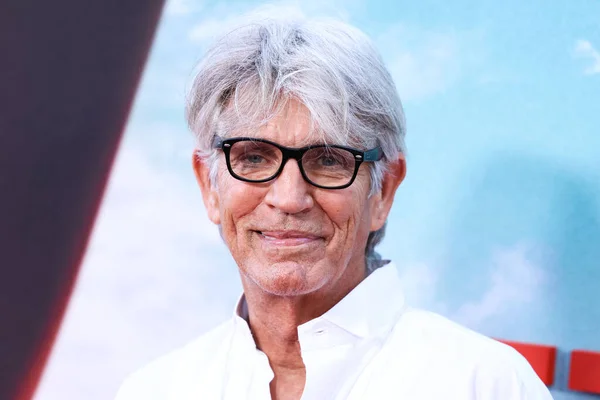
1. Eric Roberts
Eric Roberts has become the modern benchmark for relentless screen output. His career began with acclaimed work in films such as King of the Gypsies, The Pope of Greenwich Village, and Runaway Train, but his later filmography expanded at a pace few actors have matched. Industry writeups have noted 867 acting credits on IMDb in 2025, a number that places him among the busiest English-speaking actors ever recorded.
That volume comes from a willingness to move between prestige projects, comic-book blockbusters, thrillers, family films, and low-budget genre releases without much pause. Roberts’ appearance in The Dark Knight kept him visible to mainstream audiences, while his constant work elsewhere turned him into a symbol of pure acting endurance.
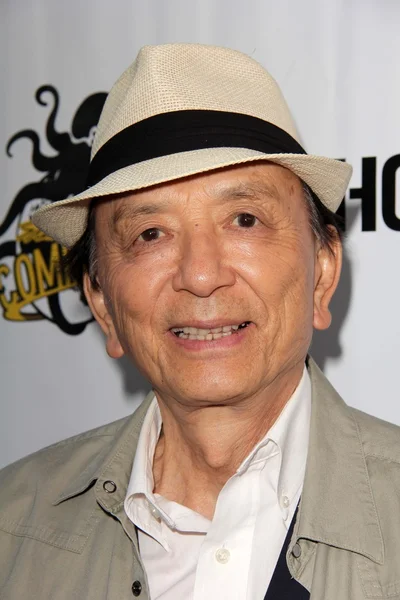
2. James Hong
James Hong’s career stretches across generations of Hollywood. His résumé includes live-action classics like Blade Runner and Big Trouble in Little China, major animation work as Mr. Ping in Kung Fu Panda, and a late-career resurgence tied to Everything Everywhere All at Once. One profile highlighted 463 screen credits, with a remarkable share coming from television guest appearances.
His longevity is part of the story, but so is his range. Hong worked in comedies, noir, family animation, action, and science fiction while also co-founding East West Players, a company that widened opportunities for Asian American performers. Few careers show such a complete overlap of volume, versatility, and cultural reach.
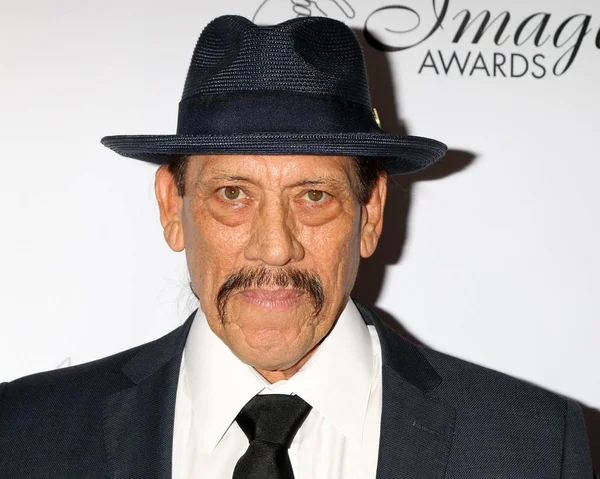
3. Danny Trejo
Danny Trejo did not start early, which makes his output even more striking. After entering film through on-set work connected to boxing and recovery support, he developed one of the most recognizable personas in modern genre cinema. Films like Desperado, From Dusk Till Dawn, Heat, and Machete helped define his screen image.
Reference lists place him in the mid-300s for movie credits alone, while broader tallies have run much higher. His career also shows how modern prolific actors build credits through voice roles, streaming projects, and quick-turn productions in addition to theatrical releases. Trejo’s face became a shorthand for toughness, but the size of his filmography reveals unusual consistency behind that image.
4. John Carradine
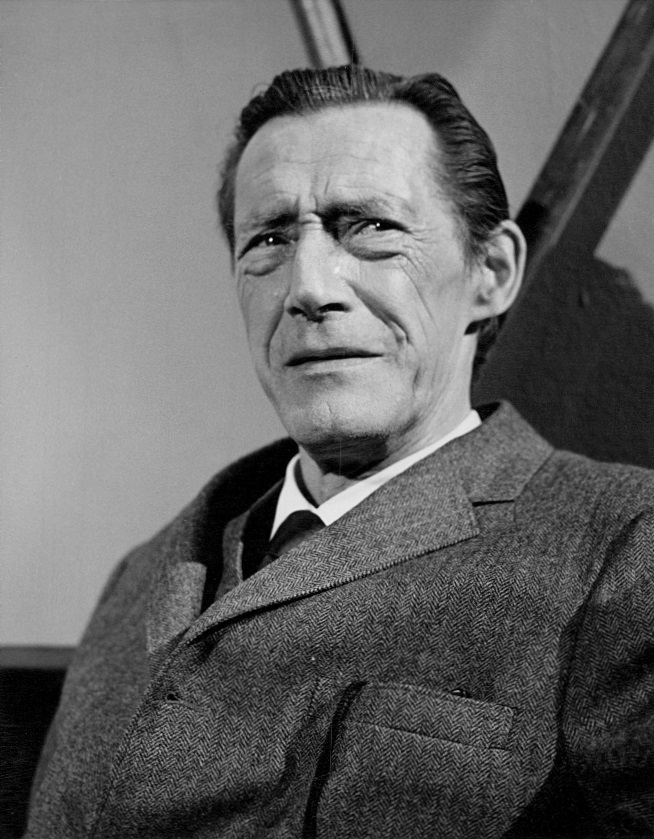
John Carradine remains one of the defining workhorses of classic Hollywood. He appeared in prestigious films such as Stagecoach and The Grapes of Wrath, then moved with ease into horror, westerns, serials, and low-budget features. The American Film Institute has counted 211 movie roles, while IMDb totals across film and television run much higher.
His screen presence was unmistakable: gaunt, theatrical, and instantly suited to menace or grandeur. Carradine also helped establish an acting dynasty, but his own total remains the headline. He represented an era when studio production schedules were brutal and a dependable actor could work almost continuously for decades.
5. Christopher Lee
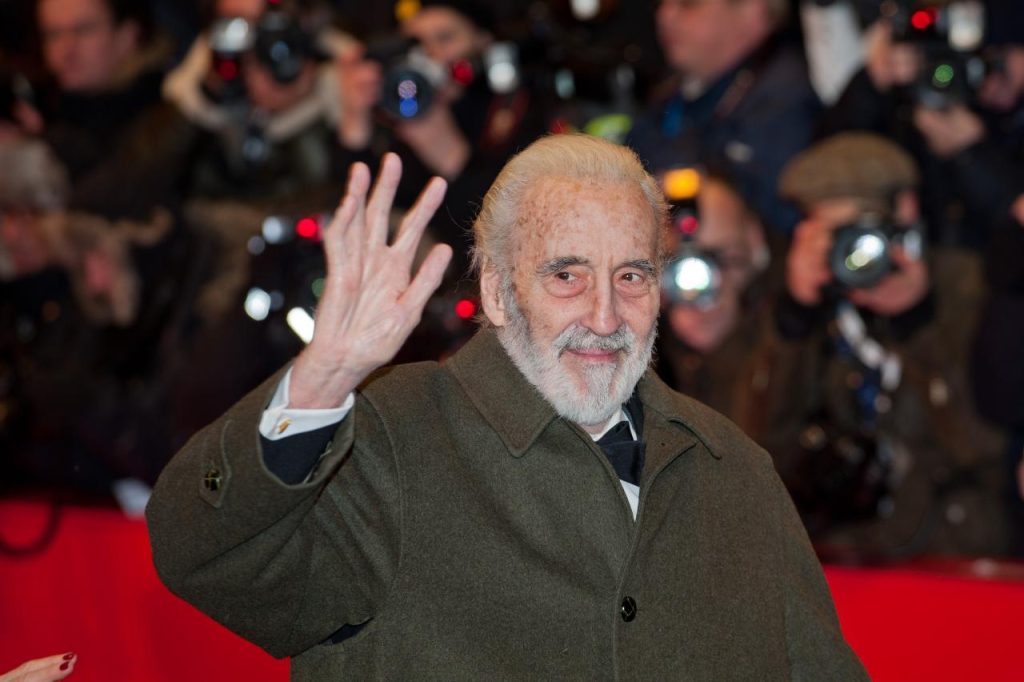
Christopher Lee built one of the rare filmographies that combines immense quantity with enduring myth. He became a horror institution through Hammer’s Dracula films, then reached new generations as Saruman in The Lord of the Rings and Count Dooku in Star Wars. Older tallies placed him around the mid-200s, while later databases pushed him far beyond that.
His output never felt accidental. Lee’s deep voice, aristocratic bearing, and command of villainy made him unusually adaptable, whether a production was a gothic chiller, fantasy epic, spy film, or voice performance. Few actors with such a high credit count also remained so tied to landmark franchises across multiple eras.
6. Richard Riehle
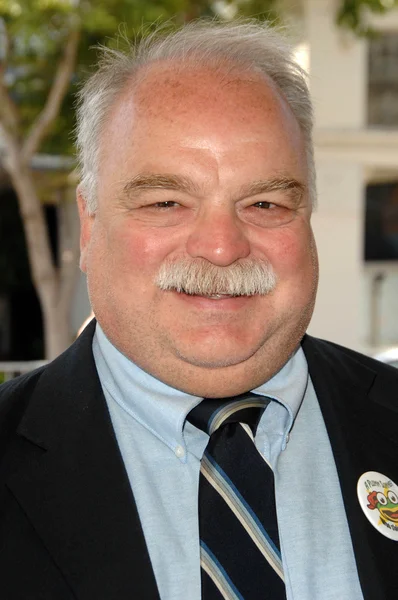
Richard Riehle is the kind of actor audiences know on sight, even when the name takes a moment. He became a cult favorite through Office Space, but his true legacy is the sheer scale of his supporting work across comedies, dramas, network television, and holiday films. Older roundups placed his total near 360 combined credits.
That kind of career depends on reliability. Riehle repeatedly filled roles that made scenes feel lived-in: the boss, the judge, the neighbor, the official, the father, the Santa Claus figure. It is not glamorous math, but it is the kind that quietly creates one of the largest résumés in American screen acting.
7. Samuel L. Jackson
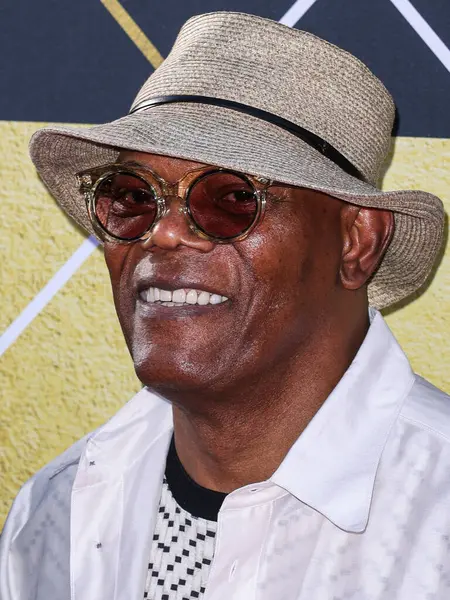
Samuel L. Jackson is the rare actor whose high output has unfolded almost entirely in public view. He moved from supporting turns in Spike Lee films to a defining performance in Pulp Fiction, then became a pillar of blockbuster culture through Star Wars, Marvel, and action thrillers. IMDb biographies have long described him as appearing in over 100 films, and that number has only continued to rise.
What sets Jackson apart is not only the volume, but the visibility of the volume. His résumé contains prestige dramas, franchise tentpoles, animation, crime films, and sharp comic work. He became one of the few actors who could feel both ubiquitous and event-level at the same time.
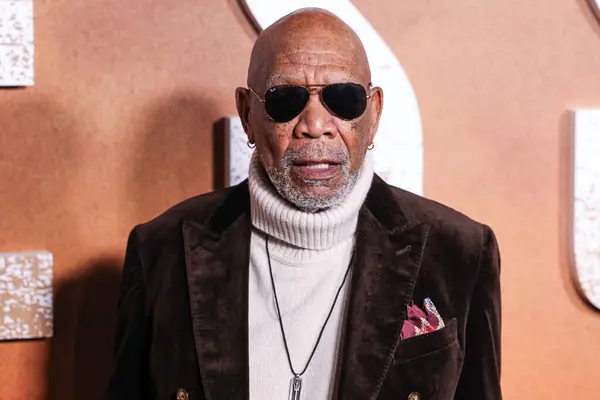
8. Morgan Freeman
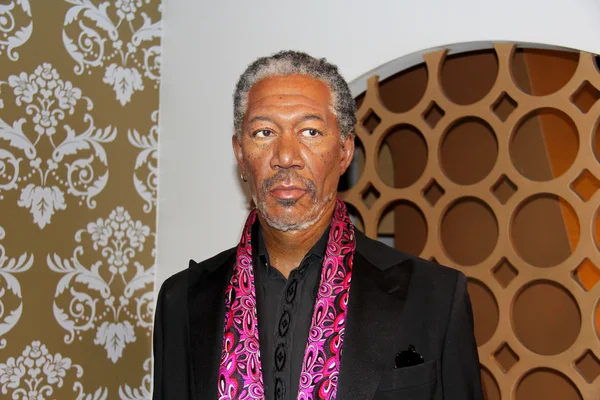
Morgan Freeman’s filmography reflects a different kind of prolific career: steady, authoritative, and spread across major cultural touchstones. He moved from stage acclaim and educational television into films such as Glory, The Shawshank Redemption, Se7en, Million Dollar Baby, and the Dark Knight trilogy.
His credit count may not chase the most extreme totals on this list, but the density of recognizable work is unusually high. Freeman’s voice, timing, and calm authority made him a recurring fit for mentors, leaders, narrators, and men carrying private strain beneath outward control. A long career of that consistency explains why his output feels even larger than the numbers suggest.
9. Nicolas Cage
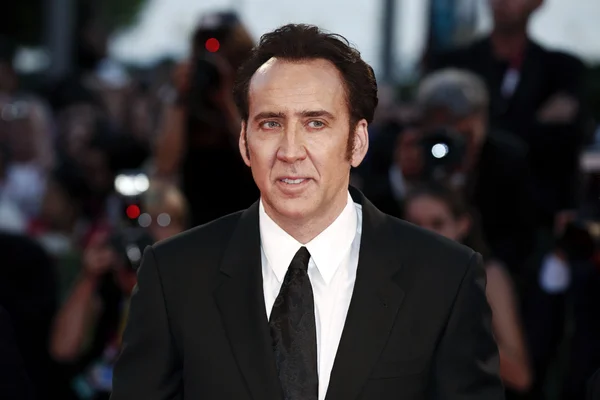
Nicolas Cage turned prolific output into part of his public identity. He won an Academy Award for Leaving Las Vegas, anchored major action films such as The Rock and Con Air, and later embraced an intense run of thrillers, horror titles, and independent projects. Collider noted 125 acting credits, with more continuing to arrive.
His filmography reads like several careers stitched together: studio star, cult icon, genre regular, and experimental performer. Because Cage works across so many tones and budgets, his total output has become part of the fascination. Audiences do not just watch a Nicolas Cage performance; they track the next chapter in one of Hollywood’s busiest and least predictable résumés.
10. Jackie Chan
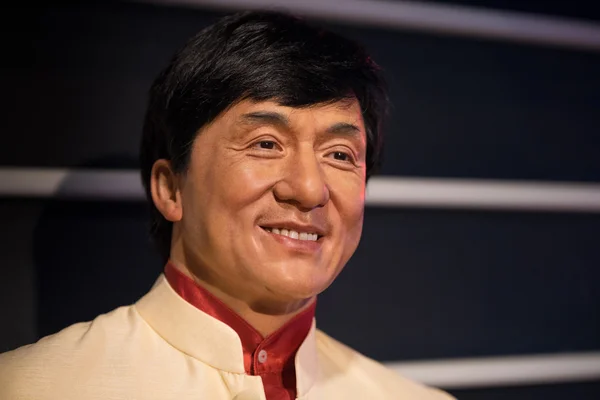
Jackie Chan’s total is different from many Hollywood peers because his career spans global cinema, action choreography, directing, and voice work. He began as a child performer, became a Hong Kong sensation with films like Police Story and Drunken Master, and crossed into Hollywood with the Rush Hour series.
His credit count is formidable on its own, but the physical toll behind it gives the number extra weight. Chan’s output was built not just on appearing in films, but on designing and executing the stunt-heavy style that made his movies instantly recognizable. In careers measured by volume, few performers have paired that quantity with such a visible level of bodily commitment.
Huge filmographies do not always belong to the most decorated actors, and they do not always belong to the biggest box office stars. They often belong to the performers who kept showing up, moved between formats without hesitation, and adapted as the industry changed around them. That may be the clearest pattern in this group. Some became icons, some became institutions, and some became familiar faces woven into movie history through repetition alone.

