
Old Hollywood did not simply reward talent. It sorted performers by what studios thought audiences would accept, and for many light-skinned Black actors, that meant careers built inside carefully managed ambiguity. Publicity departments helped create “foreign,” “ethnic,” or racially unclear screen identities, while casting offices steered actors into roles that concealed their Black ancestry. The result was not one story but several: some performers moved between identities to keep working, some were officially misclassified in records, and some later turned their success toward building space for other Black artists.
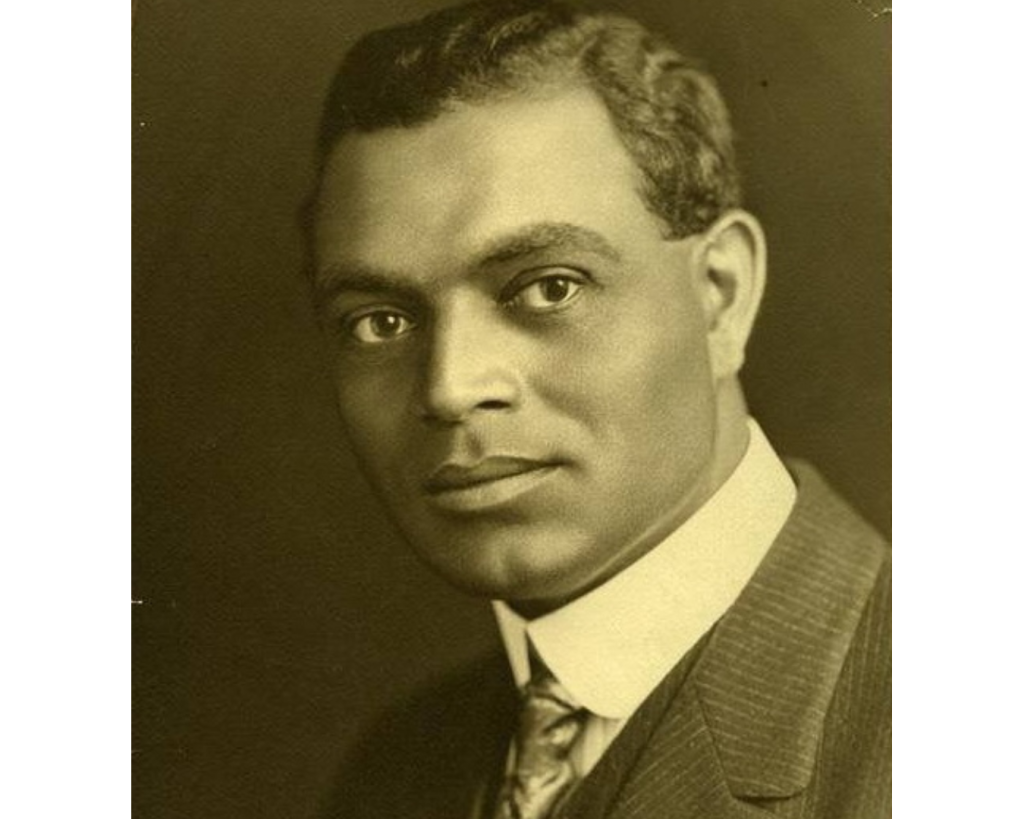
1. Noble Johnson
Noble Johnson stands at the center of this history because he succeeded in two Hollywoods at once. He co-founded the Lincoln Motion Picture Company in 1916, a landmark Black film enterprise, while also building a mainstream studio career in roles coded as Native, Arab, Pacific Islander, and Asian.
That split career reveals the pressure of the era with unusual clarity. Johnson could be valuable to Hollywood precisely because he could be marketed as almost anything except what he was. He appeared in films including The Most Dangerous Game, The Mummy, and King Kong, and his long filmography showed how often the industry treated racial ambiguity as a commercial asset. The official record could be just as distorted as the screen image: his California death certificate later recorded him as white, leaving behind one of the starkest examples of how Black identity could be erased in plain view.
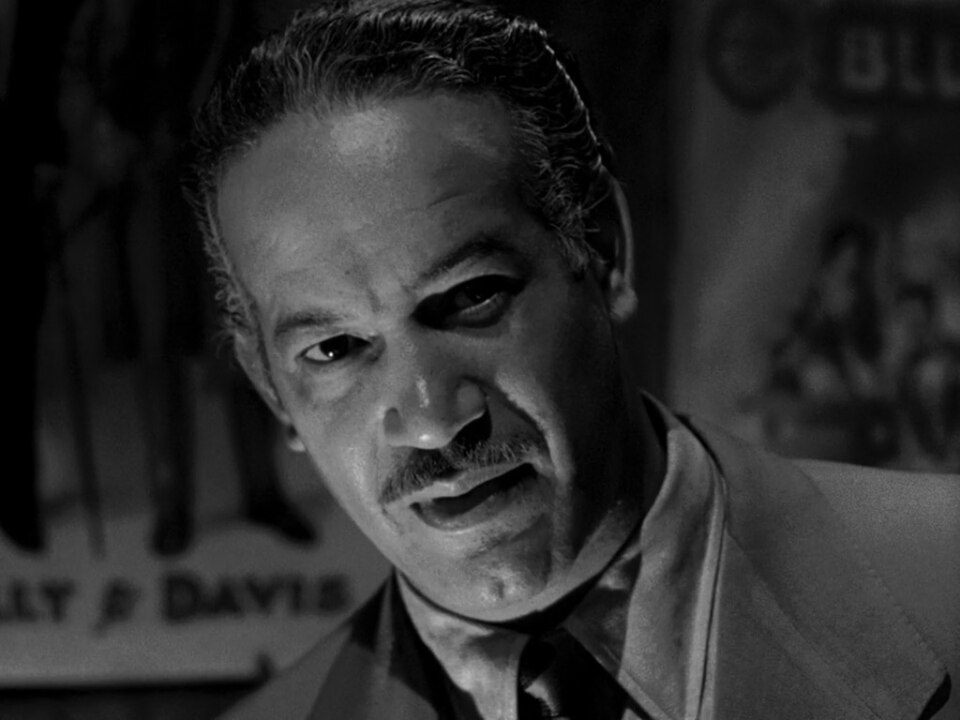
2. Frank Silvera
Frank Silvera built a reputation for extraordinary range, and that range was inseparable from how Hollywood viewed his face. Born in Jamaica to a Black mother and a Jewish father, he spent years playing characters who were Italian, Mexican, Polynesian, or vaguely Mediterranean rather than explicitly Black.
His credits included Viva Zapata!, Fear and Desire, Killer’s Kiss, and television work such as The High Chaparral. Contemporary descriptions often emphasized how easily he could cross ethnic categories on screen, a trait that kept him employable in an industry that sharply limited roles for Black men. Silvera’s story did not end with adaptation. He later co-founded the Theatre of Being in Los Angeles, and his legacy continued through the Frank Silvera Writers’ Workshop, which supported Black dramatists who faced many of the same barriers in different form.
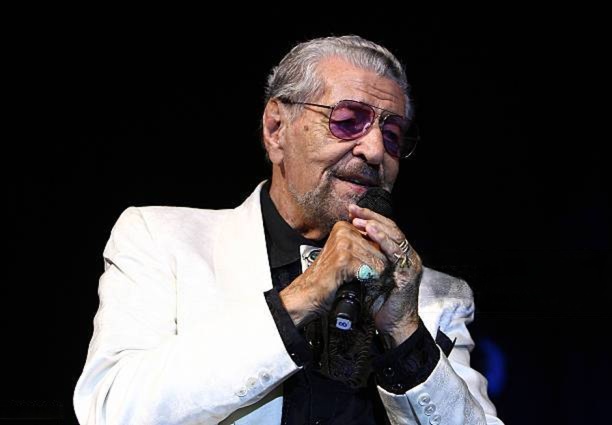
3. Herb Jeffries
Herb Jeffries moved through American entertainment with unusual flexibility, and that flexibility was shaped by segregation. He became famous as the singing star of all-Black westerns such as Harlem on the Prairie, Two-Gun Man from Harlem, Harlem Rides the Range, and The Bronze Buckaroo. In those films he darkened his complexion to fit race-market productions, yet elsewhere he could pass as white or Latino, especially while traveling.
That movement between identities was not a gimmick but a survival strategy in a country that attached real consequences to racial classification. A marriage application later listed him as white, underscoring how official documents could flatten or reshape identity depending on circumstance. Beyond film, Jeffries also recorded with Duke Ellington and sustained a long career as a vocalist and bandleader.
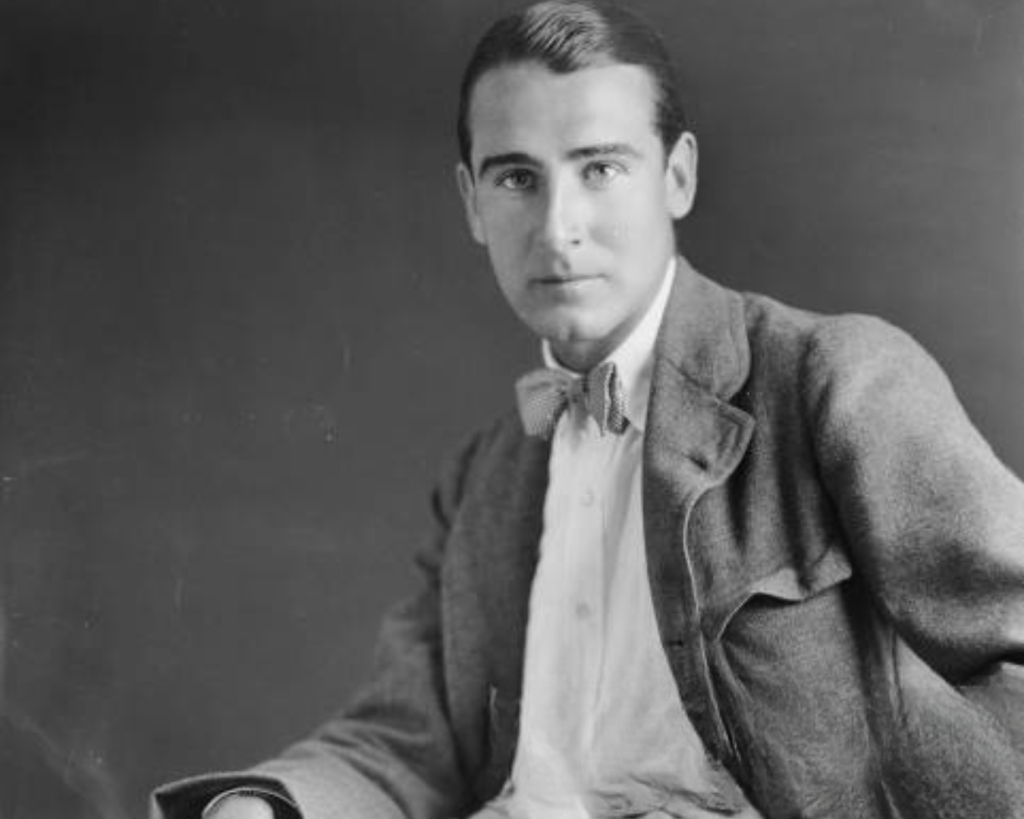
4. Rex Ingram
Rex Ingram’s screen image was built around distance. Rather than being marketed as an African American actor, he was frequently placed in roles marked as Arab, North African, or generically “exotic,” which allowed studios to benefit from his presence while sidestepping the era’s color line.
He appeared as the Djinn in The Thief of Bagdad and also worked in films such as Sahara and The Green Pastures. Trade coverage of the period often highlighted the foreign-coded quality of his performances more than his own background. That pattern mattered. It showed how studios could absorb Black talent into mainstream filmmaking without allowing Black identity to remain visible to audiences in any direct way.
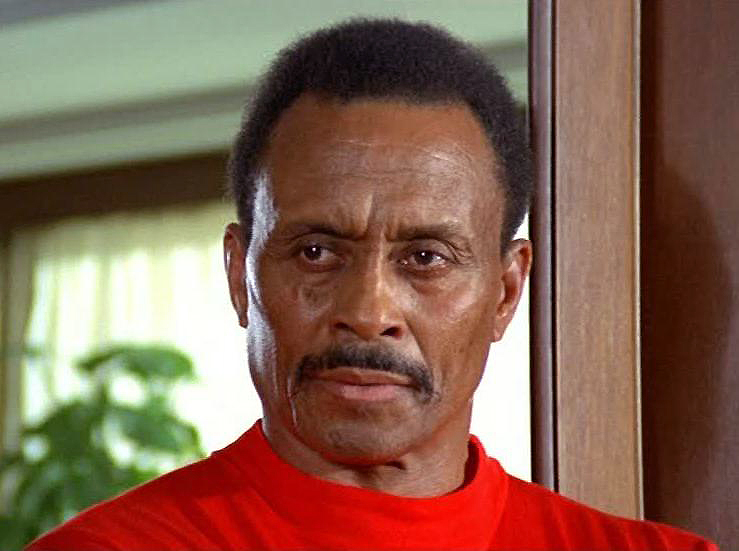
5. Woody Strode
Woody Strode brought physical authority to the screen, but Hollywood often routed that presence into narrowly coded parts. Publicity and casting repeatedly framed him as an African chief, warrior, or “tribal” figure instead of allowing his African American identity to exist without costume or distance.
His career still broke through. Strode is remembered for Spartacus, Sergeant Rutledge, and The Man Who Shot Liberty Valance, performances that gave him lasting stature in American film. Yet the pattern in his filmography remains telling: the industry regularly converted Black performers into something “other” whenever straightforward representation threatened established studio habits.
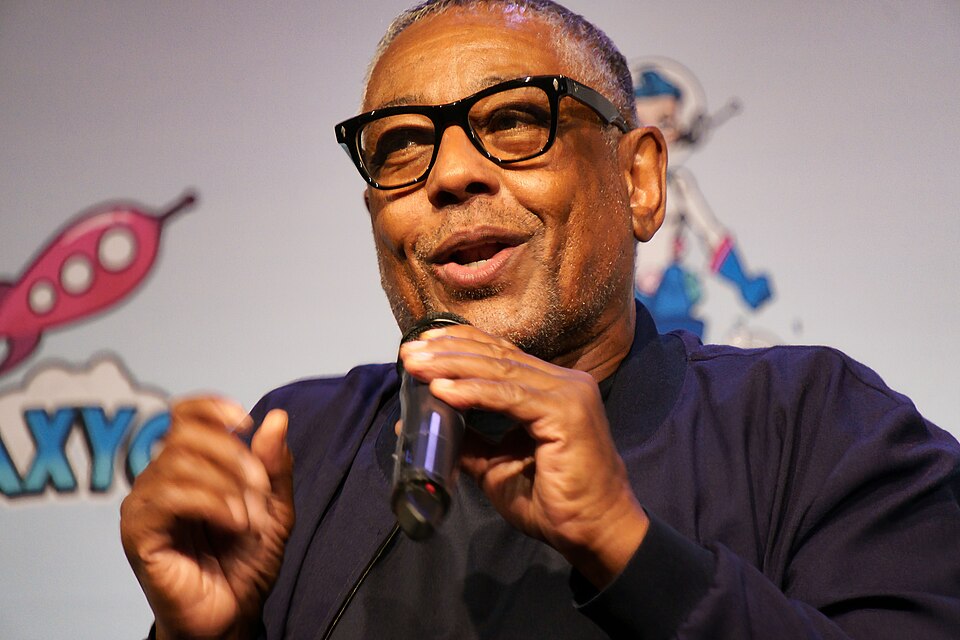
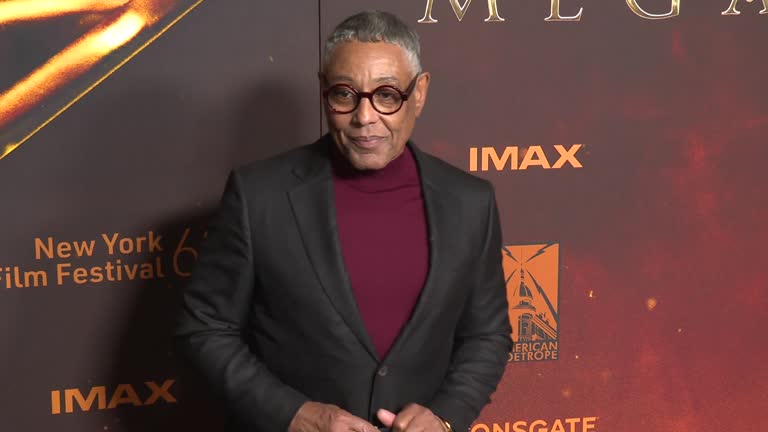
6. Giancarlo Esposito
The pressures did not disappear with the studio era. Giancarlo Esposito, born to an Italian father and an African American mother, spent much of his career being read by audiences as Latino, European, or racially undefined, even as he became one of the most recognizable actors of his generation.
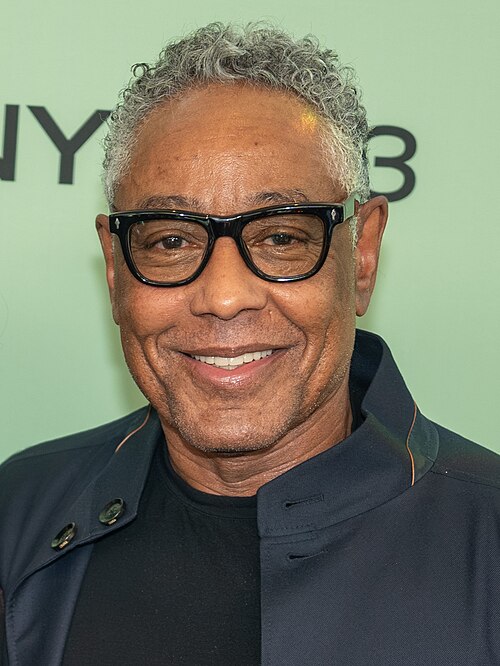
That ambiguity expanded the kinds of roles available to him. Long before many viewers connected him to Black heritage, he was moving through parts that were not racially fixed, a path that reflected an industry still prone to typecasting. His later prominence in projects including Breaking Bad made that earlier ambiguity more visible in retrospect, not less.

7. Wentworth Miller
Wentworth Miller’s fame arrived in a television landscape that liked mixed-race stardom best when it went unexplained. During the height of Prison Break, many viewers perceived him as white, even though his background included African American ancestry.
He did not make racial identity a central part of his early publicity, and that silence fit a familiar industry pattern: broad appeal was often easiest to market when heritage stayed secondary. His career showed how old habits survived into modern casting, where “universal” often still meant racially unmarked.

Taken together, these careers show that concealment was rarely a single decision. It was built from casting choices, publicity language, travel realities, paperwork, and the harsh arithmetic of who was allowed to be seen clearly.
The deeper pattern was not only passing. It was Hollywood’s long preference for ambiguity when Black identity threatened the boundaries of the roles it was willing to offer, a dynamic closely tied to wider discussions of light-skinned casting preference and racial legibility on screen.

