
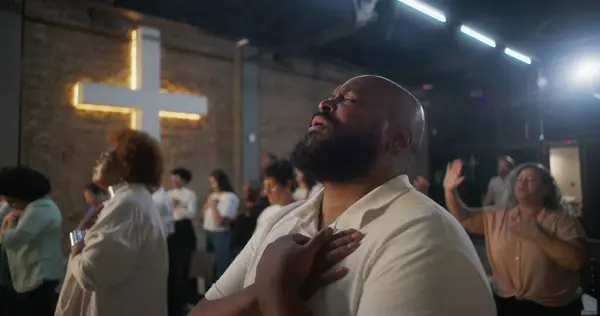
A hard heart rarely forms all at once. More often, it develops in religious spaces through familiar patterns that look normal, committed, and even respectable from the outside.
Scripture repeatedly warns that outward faithfulness can coexist with inward distance. Jesus said, “this people honors me with their lips, but their heart is far from me”. That warning still reaches church life wherever activity replaces tenderness, truth is used without mercy, and devotion becomes performance.
1. Attending services without practicing self-examination
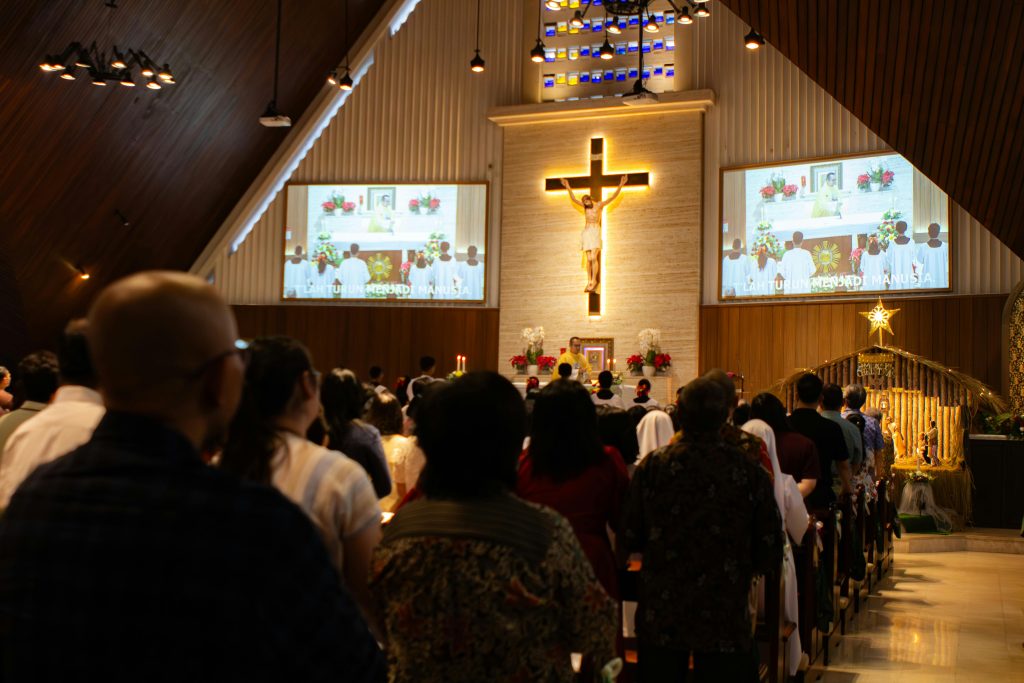
Regular attendance can be a gift, but repetition without honest reflection can leave a person spiritually unmoved. A Christian may hear sermons, sing familiar songs, and move through the liturgy of church life while rarely asking what God is exposing in the heart. Over time, the habit of showing up can replace the harder work of repentance.
This is one reason hypocrisy in Scripture is so searching. Jesus warned against noticing the speck in another person while ignoring the log in one’s own eye. A churchgoing life that never pauses for confession can become very skilled at recognition of public sin and very weak at naming private pride, envy, bitterness, or self-importance.

2. Comparing spiritual lives instead of pursuing humility
Comparison hardens the heart because it turns other believers into measuring sticks. Instead of seeing fellow Christians as people to love, encourage, and learn from, comparison quietly turns them into rivals or cautionary examples. It breeds either envy or superiority, and both are corrosive.
The pattern appears clearly in Jesus’ picture of the Pharisee who thanked God that he was not like other men. Spiritual pride often sounds religious while feeding self-congratulation. One pastoral reflection describes pride as what happens when someone believes he has God and the Christian life figured out, producing criticism, defensiveness, and self-focus. That kind of posture does not stay private for long; it eventually reshapes how a person listens, speaks, and worships.

3. Letting feelings govern devotion
When prayer, Scripture, and worship happen only when a person feels inspired, spiritual life becomes fragile. The heart begins to assume that sincerity means spontaneity alone, and discipline starts to feel optional. Yet mature devotion is often formed through ordinary routines rather than dramatic moments.
One meditation on spiritual practice argues that “routine awakens devotion”. That insight matters in church life because inconsistency slowly trains the soul to drift. A Christian who always waits to feel ready may still admire spiritual growth, but admiration is not the same as formation. The result is often a church member who participates publicly but remains inwardly shallow and easily irritated, discouraged, or cold.

4. Using religious activity to avoid repentance
It is possible to stay busy in church and still resist change. Ministry involvement, volunteering, Bible study attendance, and visible service can all become ways of avoiding the more painful surrender of hidden sin. In that condition, religious action functions as cover rather than obedience.
Scripture is blunt here: “be doers of the word, and not hearers only, deceiving yourselves”. A hardened heart often prefers discussion to transformation. It can talk about grace while pampering what should be confessed, resisted, and put away. That pattern is especially dangerous because it allows a person to feel involved in the life of the church while quietly growing numb to the voice of God.

5. Becoming defensive when corrected
A tender heart can receive correction, even when it stings. A hardened heart treats correction as insult. It quickly explains itself, shifts blame, or looks for flaws in the person who raised the concern.
Defensiveness often reveals a deeper issue than the original mistake. It suggests that image has become more important than truth. In communities of faith, this habit shuts down growth because rebuke, counsel, and wise warning are all filtered through self-protection. Instead of asking what God may be teaching, the person asks how to escape embarrassment. That posture leaves little room for teachability.

6. Neglecting compassion while preserving appearances
Church life can become crowded with duties, schedules, and responsibilities. In that environment, a person may remain faithful to programs while becoming inattentive to people. Need becomes an interruption. Suffering becomes inconvenient. The vulnerable are noticed less and less.
Jesus repeatedly exposed this kind of distortion. He rebuked those who maintained religious detail while neglecting “the weightier matters of the law: justice and mercy and faithfulness”. A hardened heart is often not loud or dramatic; sometimes it is simply efficient, preoccupied, and emotionally unavailable. It can keep the structure of church life running while failing to reflect the mercy of Christ.
7. Living in discouragement until passivity feels normal
Discouragement does more than lower energy. Left unaddressed, it can make spiritual passivity feel reasonable. A believer who once prayed with expectancy may gradually settle into reduced effort, reduced hope, and reduced attention to God.
That drift can become a church habit: attending without engaging, listening without responding, serving without joy. In teaching on spiritual weakness, discouragement is described as a force that drains perspective before it defeats resolve. A hardened heart is not always aggressive; sometimes it is simply resigned. It stops reaching, expecting, and resisting, and that quiet surrender leaves the inner life dry.

8. Staying in an environment that cools conviction
Spiritual formation is never individual only. A Christian’s environment shapes imagination, appetite, and moral temperature. When church culture rewards image, sarcasm, superiority, gossip, or consumerism, hearts adjust to survive there. What once troubled the conscience can begin to feel ordinary.
This is why spiritual environment matters so deeply. Voices, habits, and shared expectations all exert pressure. A church member may still affirm sound beliefs while being formed by colder instincts: contempt for weaker believers, impatience with correction, and indifference to holiness. Over time, the heart does not merely endure such a climate; it starts to resemble it.
These habits are quiet precisely because they can exist inside visible faithfulness. They do not always remove a person from church life. Often, they let a person remain close to religious activity while growing distant from humility, repentance, and love.
A soft heart is usually preserved through ordinary means: honest confession, consistent prayer, teachability, mercy toward others, and a willingness to let God search what public religion cannot hide. Church habits shape the soul either way. The crucial question is whether they are forming tenderness or resistance.

