
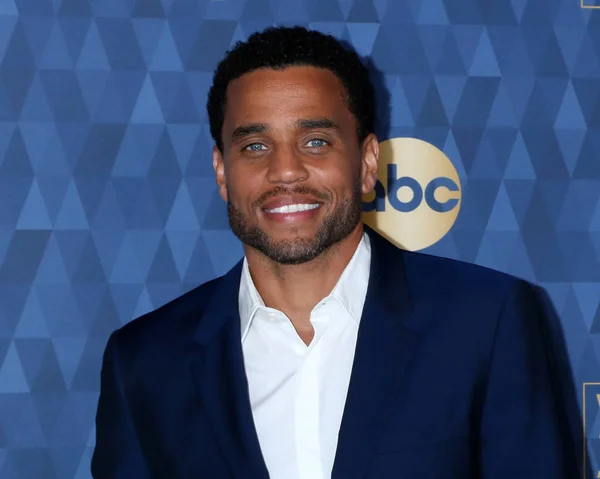
A screen name can look like a tiny edit, but in Hollywood it often carries real weight. A shorter first name, a middle initial, or a full reinvention can shape how a performer is remembered on a call sheet, in a casting database, and on a marquee.
For Black actors in particular, name changes have reflected a mix of strategy, privacy, personal identity, and career control. In some cases, the shift helped avoid confusion inside an industry where SAG-AFTRA does not allow members to use the same professional name. In others, the new name became part of a larger creative reset.
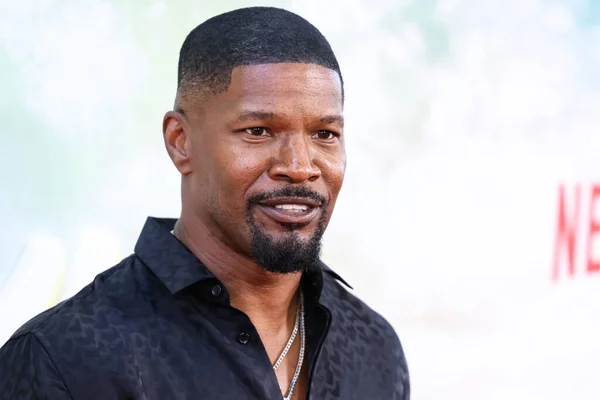
1. Jamie Foxx
Born Eric Marlon Bishop, Jamie Foxx adopted the name during his stand-up years, when a gender-neutral first name reportedly helped comics get called up faster at open mics. The surname also nodded to comedian Redd Foxx, tying his new identity to a clear comic lineage.
The name stayed with him as his career expanded far beyond comedy. By the time he moved through sketch TV, prestige drama, and music-driven roles, “Jamie Foxx” had become one of the cleanest cross-genre brands in entertainment, attached to work like In Living Color, Ray, and Collateral.
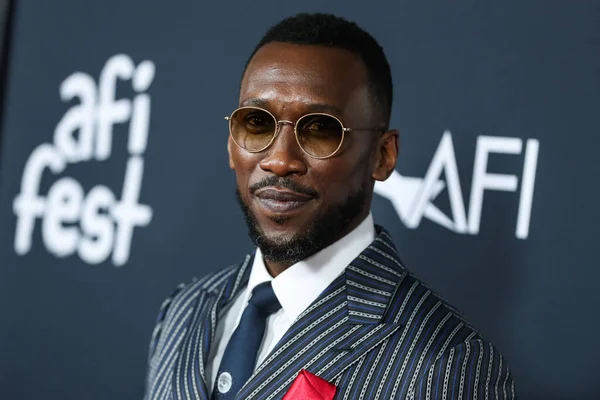
2. Mahershala Ali
Mahershala Ali was born Mahershalalhashbaz Gilmore and later took the surname Ali after converting to Islam. As his profile rose, he standardized the shorter professional form “Mahershala Ali,” creating a name that was easier to bill consistently without stripping away its personal meaning.
That balance matters. Stage names have long been used to create memorable public identities, but they have also served as a way to define how a performer wants to be seen, both artistically and personally. In Ali’s case, the final screen credit feels precise rather than simplified for novelty, and it now carries the weight of acclaimed work including Moonlight, Green Book, and True Detective.
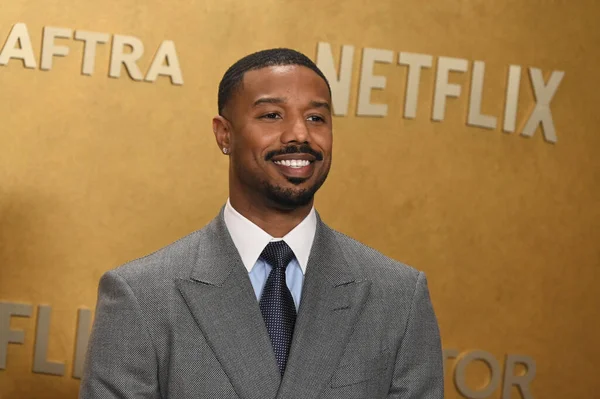
3. Michael B. Jordan
Michael Bakari Jordan added a middle initial for a practical reason: separation from basketball legend Michael Jordan. It was a small adjustment with a big branding payoff, making his name easier to distinguish in press coverage, search results, and casting systems.
That kind of change is common in an industry where performers often need a distinct professional identity to avoid confusion. The “B.” became part of a modern leading-man signature, accompanying his rise from The Wire to Creed and Black Panther.
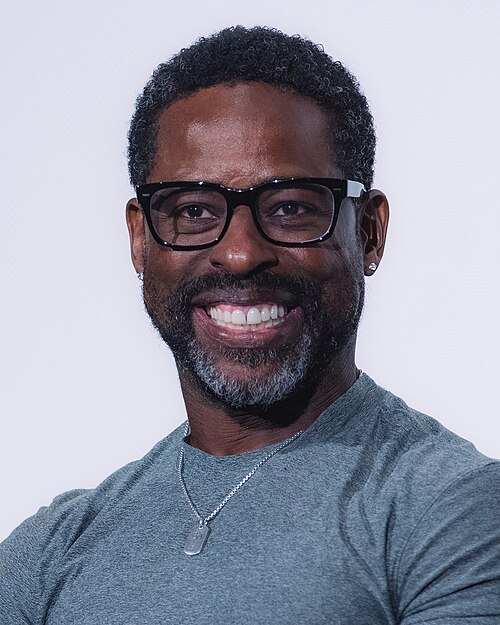
4. Sterling K. Brown
Sterling K. Brown also turned to the middle-initial solution. Early in his career, he was listed simply as Sterling Brown, but the fuller professional name helped separate him from others with similar names in unions and industry databases.
The result was subtle but effective. “Sterling K. Brown” now reads like a fully formed star credit, one that has appeared consistently across major awards conversations and performances in This Is Us, Black Panther, and American Fiction.
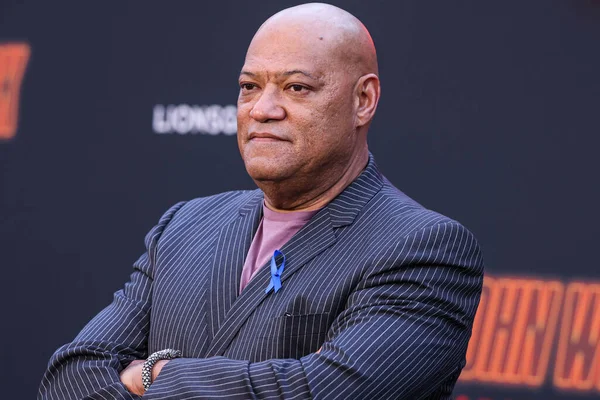
5. Laurence Fishburne
Before he became the Laurence Fishburne most audiences know, he was often credited as Larry Fishburne. The later shift to Laurence gave his public identity a more formal and commanding tone, which matched the gravitas he brought to screen.
It is one of the clearest examples of a name evolving with a career. By the time he became associated with authoritative, cerebral performances, the more expansive version of his name felt inseparable from that presence, especially in The Matrix and beyond.
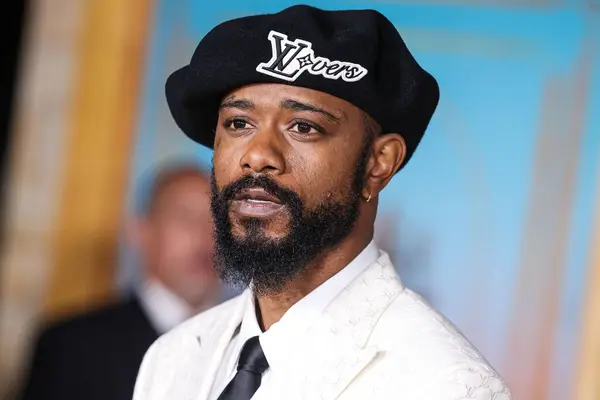
6. LaKeith Stanfield
LaKeith Stanfield was initially credited as Keith Stanfield in some early work before standardizing the name he preferred to use personally. The update did more than personalize his billing; it made the credit instantly more distinctive.
That matters in a crowded industry where performers with common names often choose something less easily lost in the shuffle. His final professional identity now stands out as sharply as his performances in Atlanta, Sorry to Bother You, and Judas and the Black Messiah.
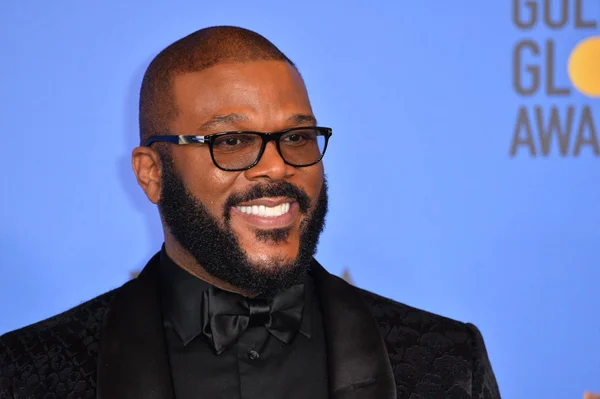
7. Tyler Perry
Born Emmitt Perry Jr., Tyler Perry changed his first name as a young adult, marking a personal reset long before his name became a film and television empire. The choice was not just cosmetic; it created distance from his earlier life and established the identity he would build his career around.
That distinction became unusually powerful because “Tyler Perry” grew into more than an acting credit. It became a writing credit, a directing credit, a producing brand, and a studio-era signature tied to projects like Diary of a Mad Black Woman, Madea Goes to Jail, and A Fall from Grace.
8. Dwayne Johnson
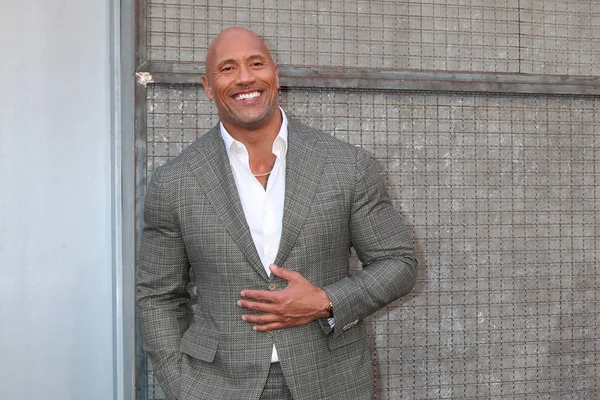
Dwayne Johnson’s transition worked in reverse: he was globally famous first as The Rock, then gradually shifted to his given name as his movie career expanded. For a stretch, productions used both, reflecting the crossover from wrestling celebrity to full-scale film star.
The move gave him room to separate his acting identity from his ring persona while still benefiting from the nickname’s recognition. It also fits a long Hollywood pattern in which performers use names to control image, audience expectation, and career direction rather than simply personal taste.
9. Common
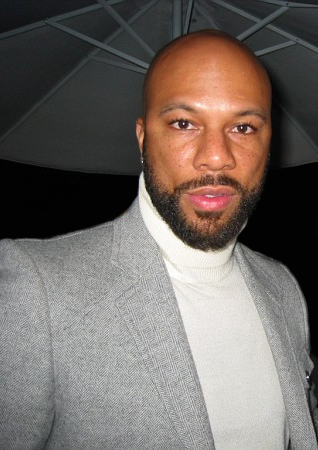
Common entered entertainment as Common Sense before shortening the name after a legal dispute prompted a professional rename. The one-word version proved far easier to carry across music, film, and television.
Single-word stage names can function like instant logos, especially for performers moving between mediums. For Common, the streamlined identity helped create continuity between his recording career and screen work in Selma, John Wick: Chapter 2, and The Informer.
10. Michael Ealy
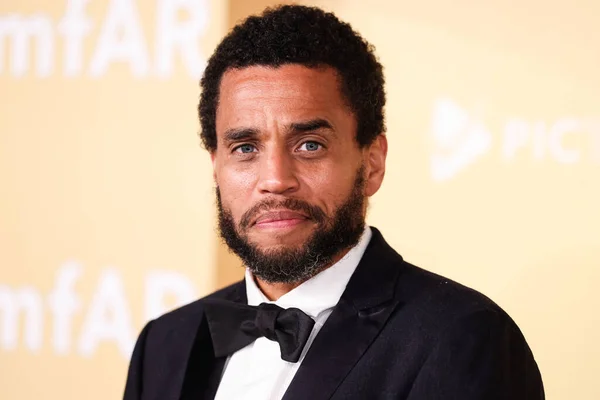
Michael Ealy was born Michael Brown, a name common enough to disappear in a crowded industry. Adopting “Ealy” gave him a far more distinctive screen identity and reduced the chance of confusion with other professionals.
That practical logic sits at the heart of many stage-name decisions. Performers have long chosen names that are easier to remember, easier to search, and less likely to blend into a stack of résumés, a pattern traced back to Hollywood’s early stage-name culture. In Ealy’s case, the new surname became attached to a romantic-leading-man profile through Barbershop, Think Like a Man, and Stumptown.
Name changes in Hollywood rarely come down to vanity alone. They often sit at the intersection of labor rules, audience memory, private identity, and the pressure to stand out in an industry built on instant recognition. For these actors, the altered credit did not replace the work. It helped frame it. And in several cases, the new name became part of the legacy as much as the performances themselves.

