
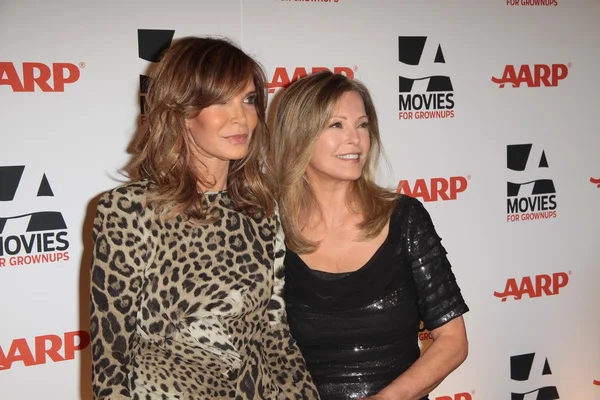
Hollywood has never treated faith, doubt, and identity as separate compartments for very long. For a number of LGBTQ+ actresses, public conversations about desire were eventually followed by equally candid remarks about religion, atheism, agnosticism, or life outside organized belief.
What makes these women compelling is not just the label attached to belief. It is the way each of them described a personal shift: some kept cultural rituals, some rejected institutions outright, and some spoke about finding meaning in art, work, family, or simple human decency instead of doctrine.
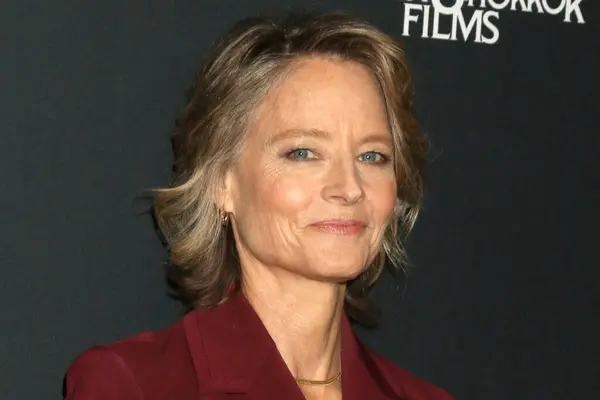
1. Jodie Foster kept the rituals, not the belief
Jodie Foster has publicly described herself as an atheist, while also making clear that religion still holds cultural meaning for her. That distinction is part of what made her comments stand out. Rather than treating faith traditions as meaningless, she spoke about holidays and rituals as part of education, family life, and history.
Her position sits in a space that many public figures avoid: disbelief without contempt for custom. Foster’s remarks made it clear that participation in tradition does not always signal personal faith, and that family practices can survive even after belief fades.
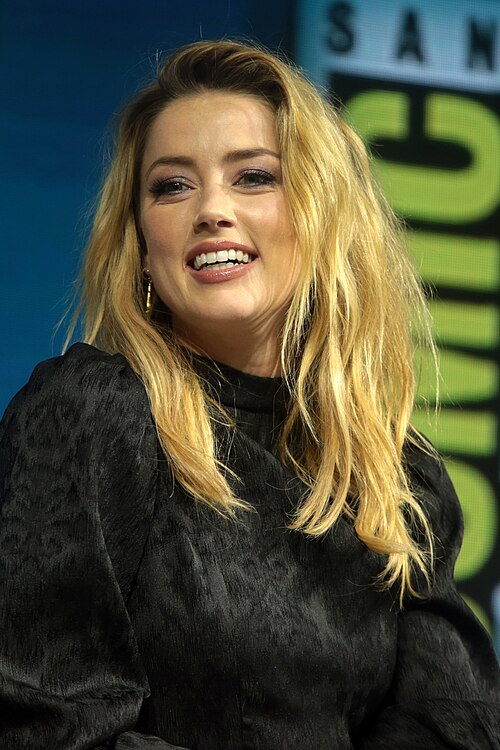
2. Amber Heard linked her atheism to personal loss
Amber Heard has said she was raised in a strict Catholic environment in Texas, but described a major break with religion in her teens after the death of a close friend. In broader public records of nonbelieving entertainment figures, Heard has also been identified as atheist.
The significance of her comments is not just that she stopped believing. It is that she spoke about doubt as something sharpened by grief, not by trend or image. In celebrity culture, where spiritual language is often polished and vague, blunt unbelief tied to a painful turning point lands differently.

3. Angelina Jolie framed meaning without God
Angelina Jolie has spoken in secular terms about purpose, responsibility, and the human spirit. Her public comments suggested that moral seriousness did not require a deity, and that love, family, and humanitarian work could provide enough structure on their own.
That perspective helped broaden the conversation beyond simple atheist-versus-religious categories. Jolie’s language pointed toward an ethics centered worldview, one in which action matters more than profession of faith.
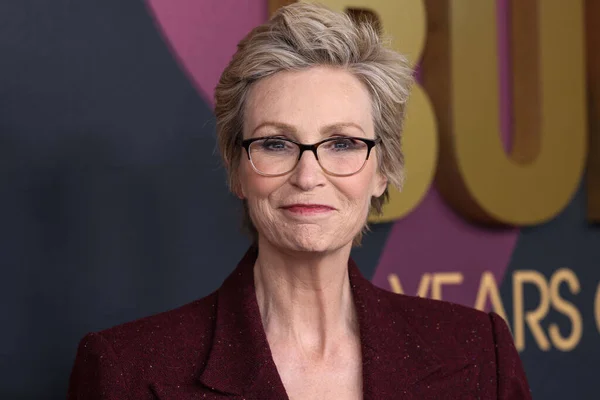
4. Jane Lynch made disbelief sound ordinary
Jane Lynch has identified herself as an atheist, a fact also reflected in public listings of notable atheists in film and television. What made her remarks memorable was their casual tone. She did not package atheism as rebellion or manifesto. Even the small detail that she still says “God bless you” after a sneeze gave her public image a practical, lived-in quality. Lynch’s version of nonbelief sounded less like a campaign than a settled adult conclusion.
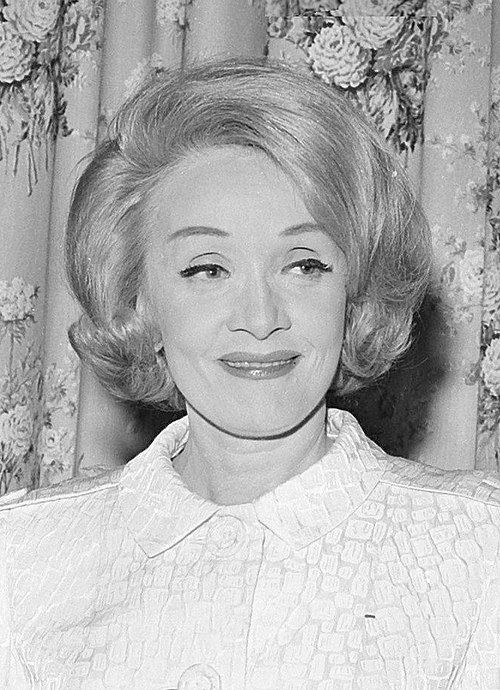
5. Marlene Dietrich turned wartime disillusionment into a lasting stance
Marlene Dietrich remains one of the starkest examples of a queer screen icon whose worldview was shaped by catastrophe. Biographical accounts and atheist reference records have long connected her with nonbelief, including documentation of Dietrich as an atheist figure in screen history.
Her often-cited line, “If God exists, he will have to beg my forgiveness,” has endured because it compresses outrage, disillusionment, and moral disgust into one sentence. It also shows how, for some artists of her generation, disbelief was not abstract philosophy. It was a conclusion drawn from witnessing what human beings were capable of doing to one another, and from seeing no divine rescue arrive. That gave her atheism a severity that still feels modern.
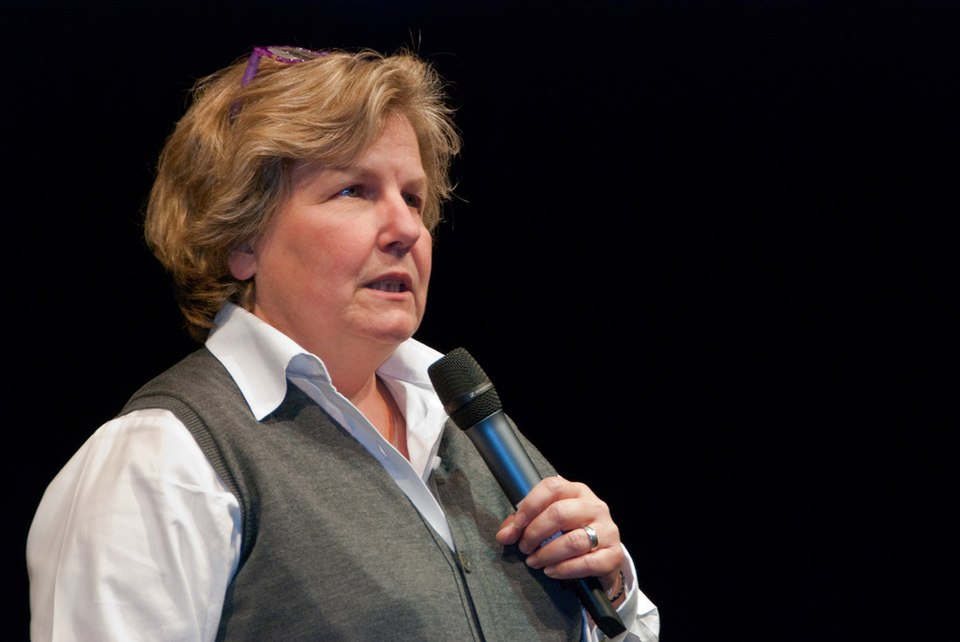
6. Sandi Toksvig made secular humanism part of public life
Sandi Toksvig has been unusually explicit, not only about not believing in God but about supporting organized humanism. Her role as a patron of Humanists UK placed her beyond the category of private skeptic and into visible secular advocacy.
That matters because Toksvig’s public life has long overlapped with debates about LGBTQ+ rights, civic values, and the role of religion in institutions. Her stance presented nonbelief not merely as absence, but as a framework centered on reason, dignity, and public inclusion.
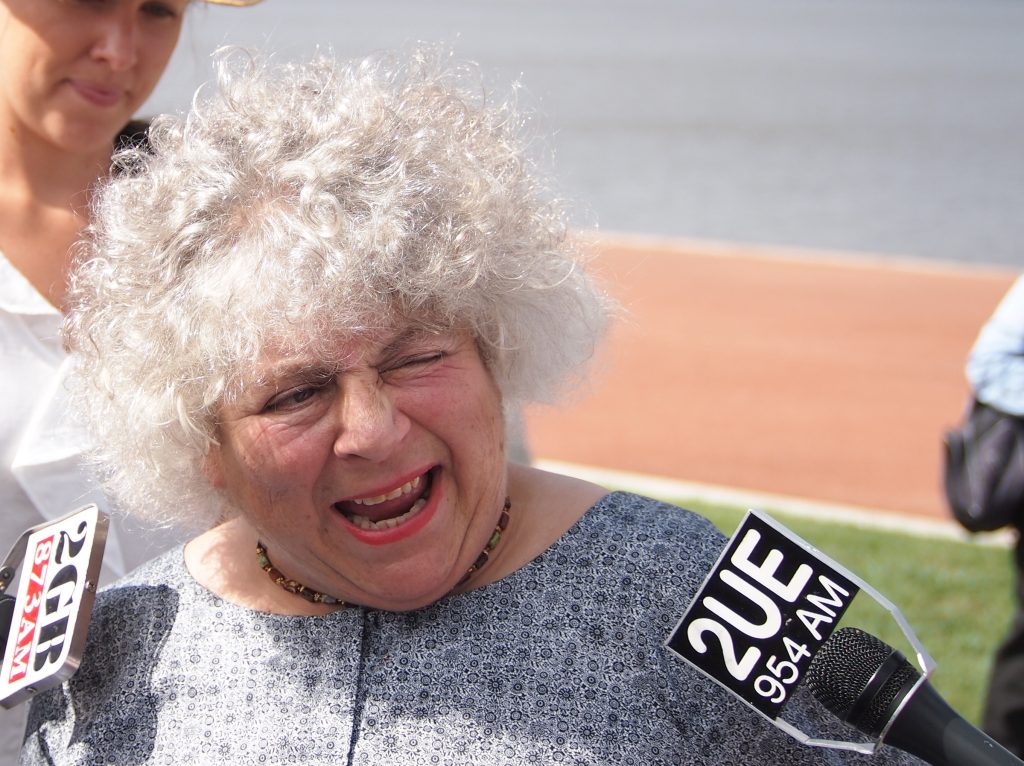
7. Miriam Margolyes separated heritage from theism
Miriam Margolyes has spoken about being both a secular Jew and an atheist, preserving cultural identity while rejecting belief in God or an afterlife. That distinction carries particular weight because it resists the false idea that religious heritage disappears when theology does.
Her comments have often been direct, unsentimental, and impossible to mistake. For many readers, Margolyes represents a familiar modern position: belonging to a history and a people without affirming supernatural claims.
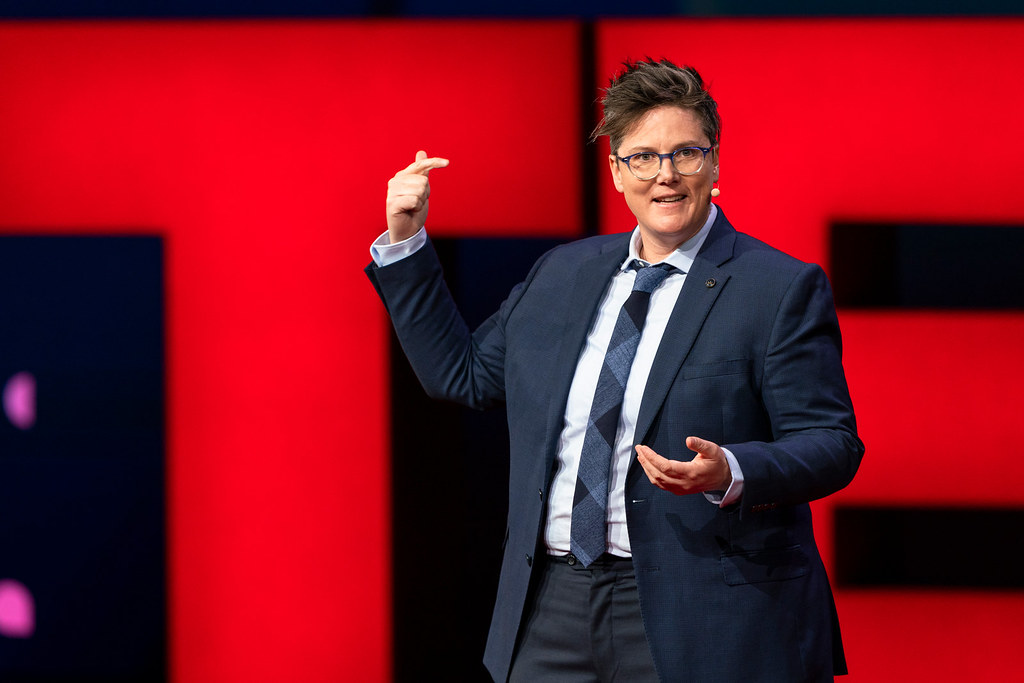
8. Hannah Gadsby connected doubt to harm
Hannah Gadsby has described growing up in a conservative Tasmanian environment where being gay carried legal and social danger, and she has identified as atheist after rejecting the religious teachings of her youth. Her work repeatedly returns to the emotional cost of shame and exclusion. In Gadsby’s case, loss of faith was never just an intellectual exercise. It was entangled with survival, self-definition, and the rejection of narratives that made queer identity feel incompatible with dignity.
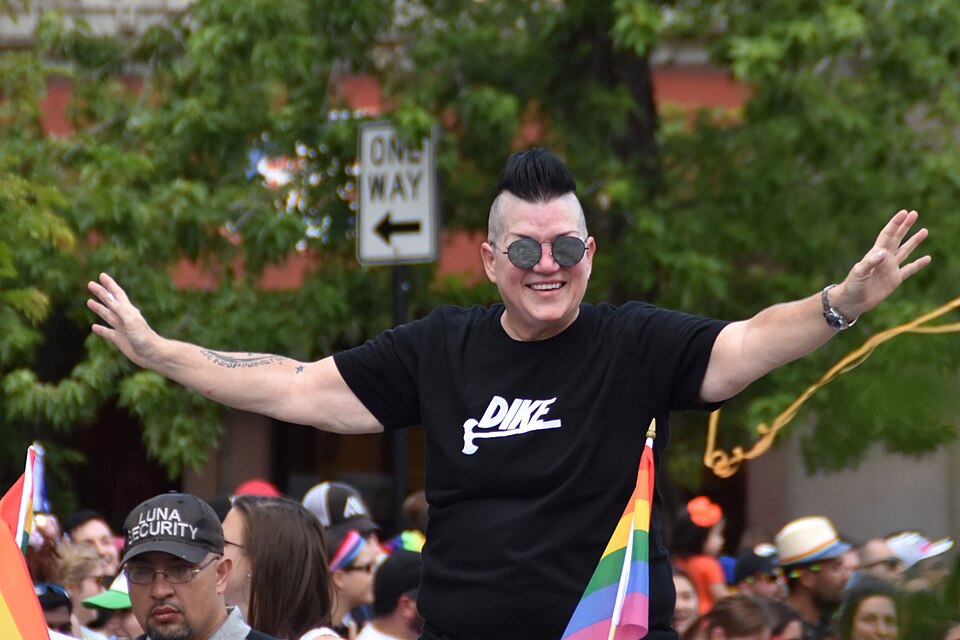
9. Lea DeLaria treated religion as a cultural battleground
Lea DeLaria has been openly lesbian and openly atheist for years, often discussing her Catholic upbringing in sharply critical terms. Her comedy and interviews have left little doubt about how she views religious institutions that have historically condemned LGBTQ+ people.
That directness is part of her significance. DeLaria did not soften the conflict between queer life and religious authority for mainstream comfort, and that refusal helped make her voice distinct long before such conversations became more common in entertainment media.
Taken together, these actresses do not tell one neat story about faith. Some kept tradition, some kept culture, some kept moral language, and some walked away from religion altogether. The shared thread is candor. In an industry that often prefers ambiguity, they spoke plainly about belief, unbelief, and what remained after the old certainties were gone.

