
The Exodus remains one of the ancient world’s most argued-over stories because it sits at the border of memory, faith, and material evidence. No single discovery has settled the question, yet several lines of research keep pulling the discussion back into archaeology, inscriptions, and cultural traces that are harder to dismiss outright.
What makes the subject endure is not one dramatic artifact, but a pattern. Egyptian texts, early Israelite identity markers, and debates over geography all point to a larger issue: how a foundational story may have grown out of real movements of people, real places, and real collisions between cultures.
1. An Egyptian inscription already names Israel by the late Bronze Age
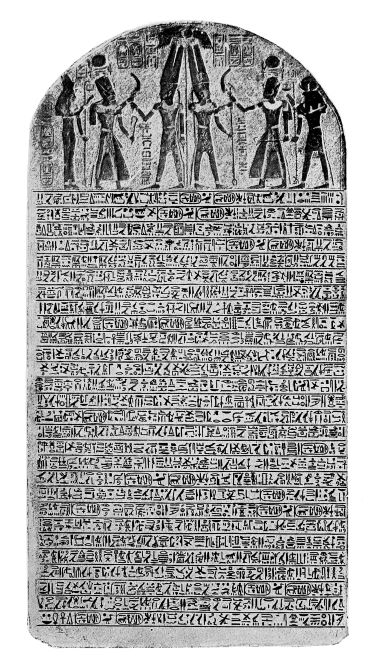
The case often starts with timing. The Merneptah Stele, dated to roughly 1205 BCE, contains the earliest widely accepted extra-biblical reference to Israel. That matters because it shows a people called Israel was already known in Canaan by that point, forcing any Exodus-related chronology to account for an established population rather than a group arriving only at the last possible moment. The inscription’s wording is also notable because it refers to a people, not a territorial state. For scholars and readers following the Exodus debate, that keeps attention fixed on how and when an Israelite identity emerged in the region.
2. Manetho’s retelling preserves a memory of expulsion and a leader linked to Moses
A much-discussed thread comes from Manetho, the Egyptian priest-historian whose work survives through later writers, including Josephus. In that tradition, a marginalized group rebels against Pharaoh, aligns with outsiders, desecrates sacred spaces, and is led by a figure called Osarseph who later takes the name Moses. The account is not a duplicate of the biblical narrative, and scholars do not treat it as simple confirmation. Its significance lies in overlap: conflict with royal power, social exclusion, religious confrontation, alliance with foreign groups, and eventual removal from Egypt. Those recurring motifs keep Manetho in the conversation because they suggest that later memory in Egypt may have preserved a distorted echo of events that became part of the Exodus tradition.
3. The Great Harris Papyrus records a foreign disruptor during Egyptian turmoil
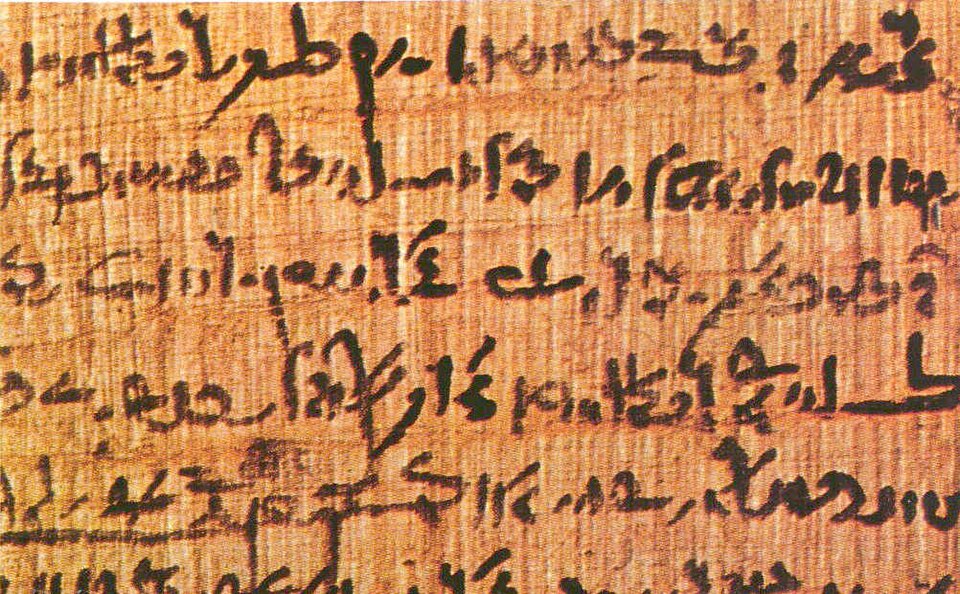
Another text frequently raised in Exodus discussions is the Great Harris Papyrus, a major Egyptian document associated with the reign of Ramesses III and the aftermath of earlier instability. It describes disorder following the death of Queen Tausret and refers to a foreign figure, often rendered as an “Irsu,” who seized influence during a period of collapse and impiety. That does not amount to a direct Exodus record. Still, it contributes something important: Egyptian literature preserves memories of upheaval involving outsiders, damaged cult order, and later restoration by a new regime. In a debate defined by fragments rather than certainty, such documents matter because they show that Egypt’s own records were not silent about episodes of internal breakdown tied to foreigners.

4. Sinai keeps producing evidence of industrial and strategic importance
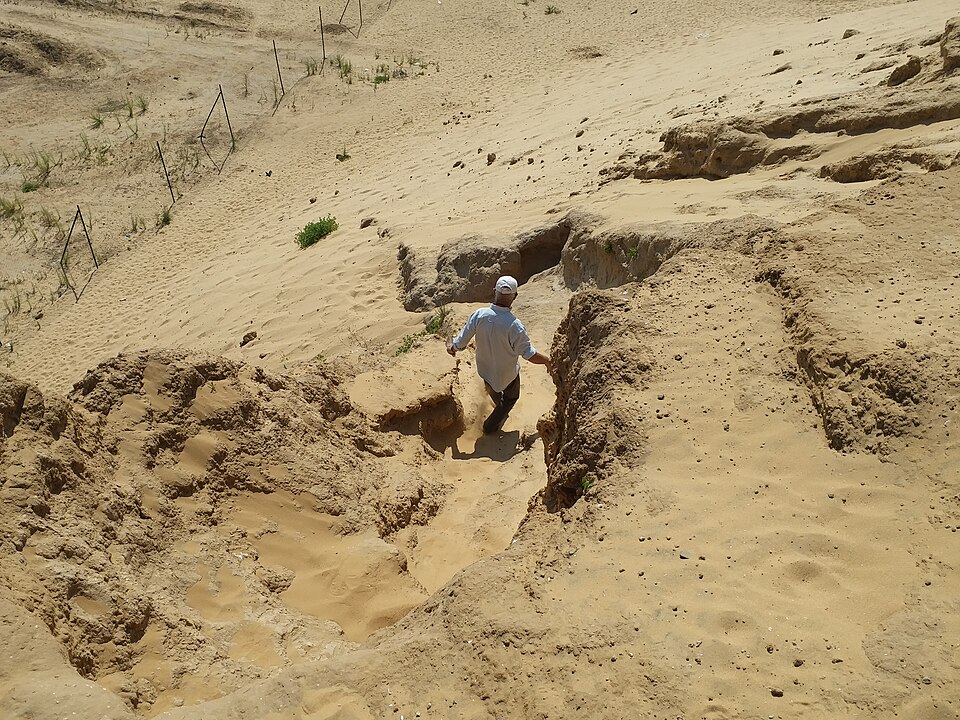
The Exodus story unfolds partly in landscapes that were never empty margins. Archaeology in Sinai continues to show the region was economically and strategically significant to Egypt. A recent discovery at Wadi al-Nasb uncovered a copper-smelting workshop with furnaces, tools, crucibles, ingots, and associated administrative structures. That find does not prove any biblical episode, but it sharpens the historical backdrop. Sinai was a managed zone of mining, transport, surveillance, and labor. In practical terms, that makes the region more legible as a corridor where imperial control, forced work, movement of peoples, and encounters between Egypt and Semitic populations could all have taken place.
5. The Levites carry some of the strongest Egyptian cultural fingerprints
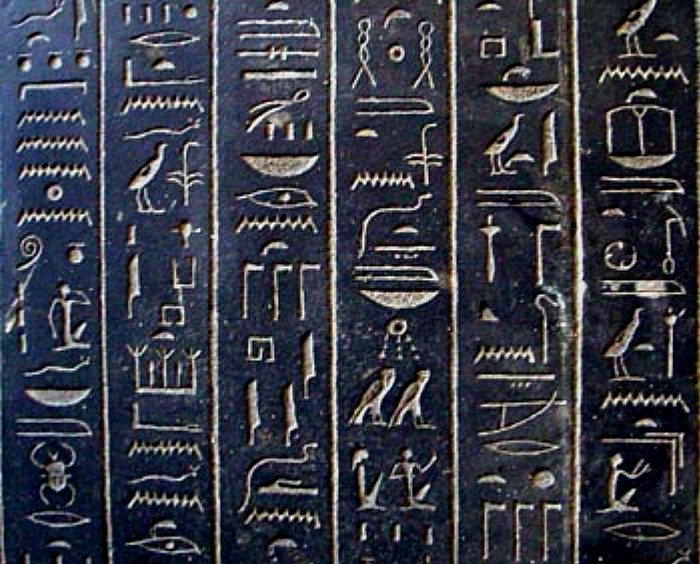
One of the more influential modern proposals narrows the question. Instead of asking whether an entire nation left Egypt at once, some scholars have argued that a smaller group, especially the Levites, may preserve the core historical memory behind the Exodus. The argument draws on Egyptian-linked names such as Phinehas and Hophni, along with customs and ritual features that appear more Egyptian than broadly Israelite. This approach also explains why traces of Egypt in the Hebrew Bible can feel concentrated rather than evenly distributed. A smaller migrating group could have carried a powerful liberation tradition into Canaan, where it was later woven into the identity of a wider people.

6. Competing Mount Sinai locations show the geography is still unresolved
The mountain of revelation remains one of the most contested parts of the entire story. The traditional identification with southern Sinai is late, while alternative proposals place the site elsewhere, including northwest Arabia or the eastern Sinai route zone. Some researchers have pointed to Gebel Khashm et-Tarif because it better fits several biblical travel descriptions and sits near clusters of rectangular stone structures. Others argue for Jabal al-Lawz in Saudi Arabia, though that view remains heavily disputed and far from consensus. The larger point is more durable than any single claim: the map itself is not settled, and the old assumption that the question was closed no longer holds.
7. Ancient songs and worship practices may preserve older layers than the prose narrative
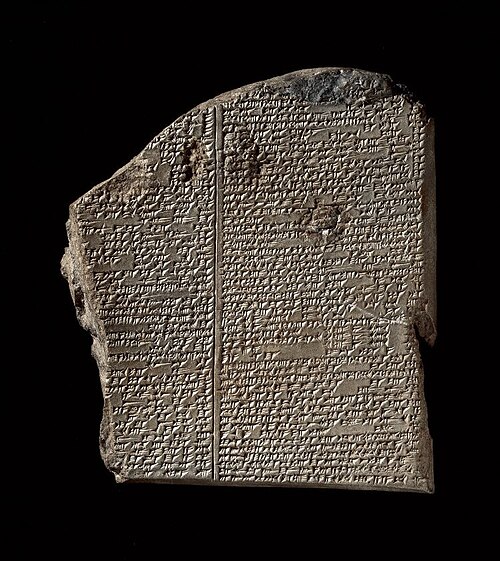
Some of the oldest biblical poetry is often treated as a window into earlier tradition. The Song of Miriam and the Song of Deborah are important here because they preserve fragments of identity, conflict, and worship that do not always line up neatly with later, more fully developed narratives. Their silences can be as revealing as their statements. Added to that are differences in religious language and ritual emphasis across biblical texts, including concerns with circumcision, sanctuary design, the treatment of outsiders, and the merging of divine names and traditions. These are not small details. They suggest Israelite religion formed through contact, adaptation, and memory, not in a single cultural vacuum.
Taken together, these clues do not “prove” the Exodus in a modern forensic sense. They do something more historically recognizable: they show why the story refuses to disappear from serious discussion. The enduring force of the Exodus debate comes from convergence. Inscriptions, disputed landscapes, Egyptian cultural residues, and early poetic traditions keep indicating that behind the biblical account stands a dense world of real ancient tensions, migrations, and identities still being pieced together.

