
Famous travel spots often look irresistible in photos. On the ground, some of them feel far less memorable once the crowds, inflated costs, traffic, and safety concerns come into view. That gap between reputation and reality is what locals notice first. In many of the country’s best-known tourist zones, the issue is not that there is nothing to see. It is that the experience around the attraction can feel exhausting, commercialized, or surprisingly limited compared with what travelers expected.
1. Times Square, New York City
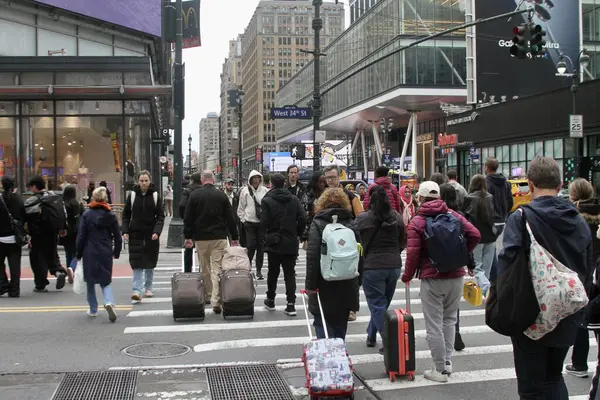
Times Square remains one of the most recognizable intersections in the country, but recognition does not guarantee a rewarding visit. The area regularly handles 200,000 to 250,000 pedestrians daily, which helps explain why many locals treat it as a place to pass through rather than enjoy. Giant screens, chain stores, and dense foot traffic create spectacle, but not much breathing room. Visitors also run into the usual frustrations of high-profile tourism zones: expensive meals, aggressive tip requests from street performers, and a general feeling of paying premium prices for a setting that can be experienced in a short walk. New Yorkers often push visitors toward neighborhoods and parks where the city feels less staged and more lived in.
2. Hollywood Boulevard, Los Angeles
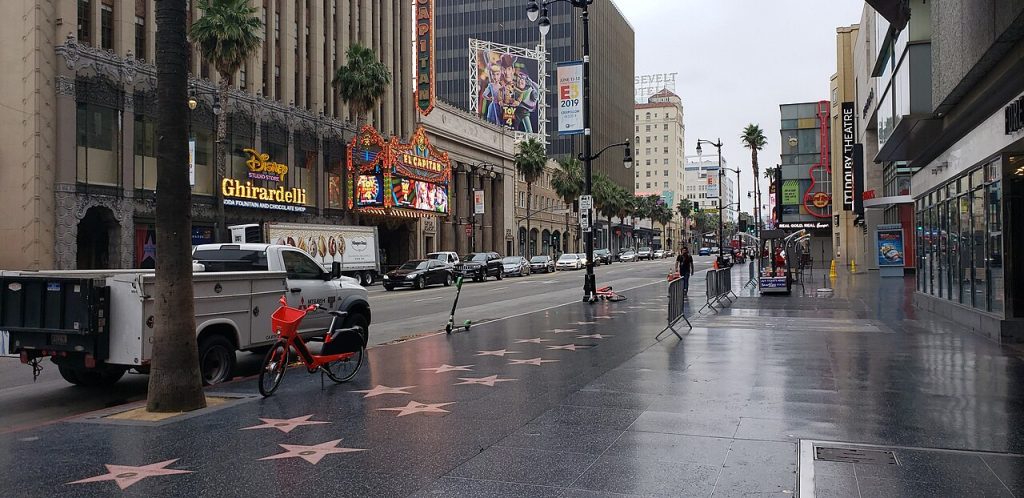
The Walk of Fame carries old Hollywood mythology, yet the day-to-day reality is more sidewalk congestion than movie glamour. The stars embedded in the pavement are famous, but the surrounding experience often centers on costumed photo ops, souvenir shops, parking stress, and crowded blocks that feel far more commercial than cinematic. That disconnect matters because Los Angeles is large enough for a wrong stop to waste an afternoon. A tourism risk study placed Los Angeles among the riskiest U.S. cities for tourists, not because Hollywood Boulevard is a forbidden zone, but because unfamiliar visitors can move quickly from heavily visited streets into areas they do not understand. Residents typically point travelers toward Griffith Observatory, museum districts, or coastal neighborhoods where the city’s character feels stronger.
3. Atlantic City, New Jersey
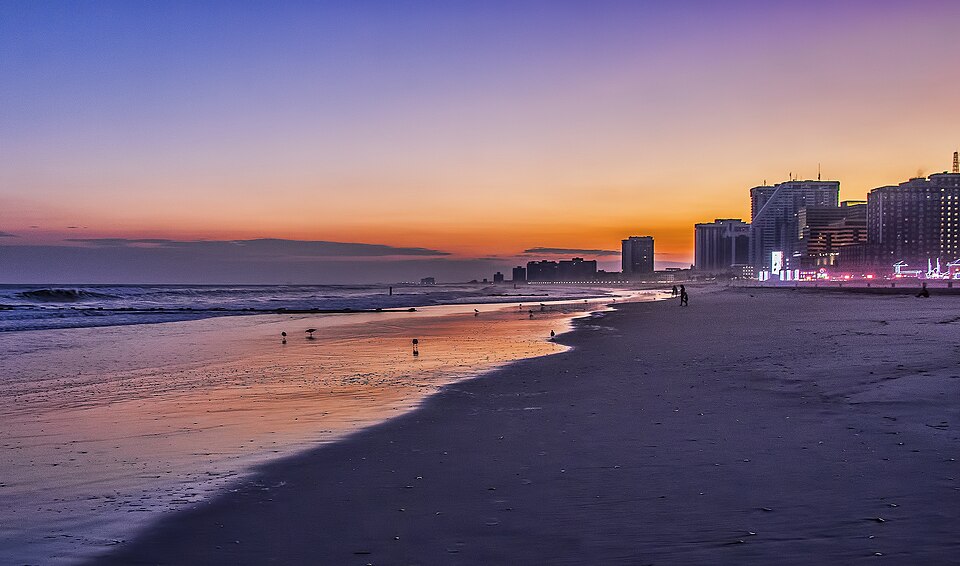
Atlantic City still carries the outline of a classic East Coast getaway, but locals often describe a destination struggling to match its old image. The boardwalk remains the main draw, yet the wider atmosphere can feel uneven, with aging infrastructure and a casino identity that no longer delivers the same pull it once did. For travelers expecting polished resort energy, the wear shows quickly. That does not erase the ocean views, but it does change the mood. Many nearby shore towns now appeal more to visitors looking for a cleaner, calmer beach trip.
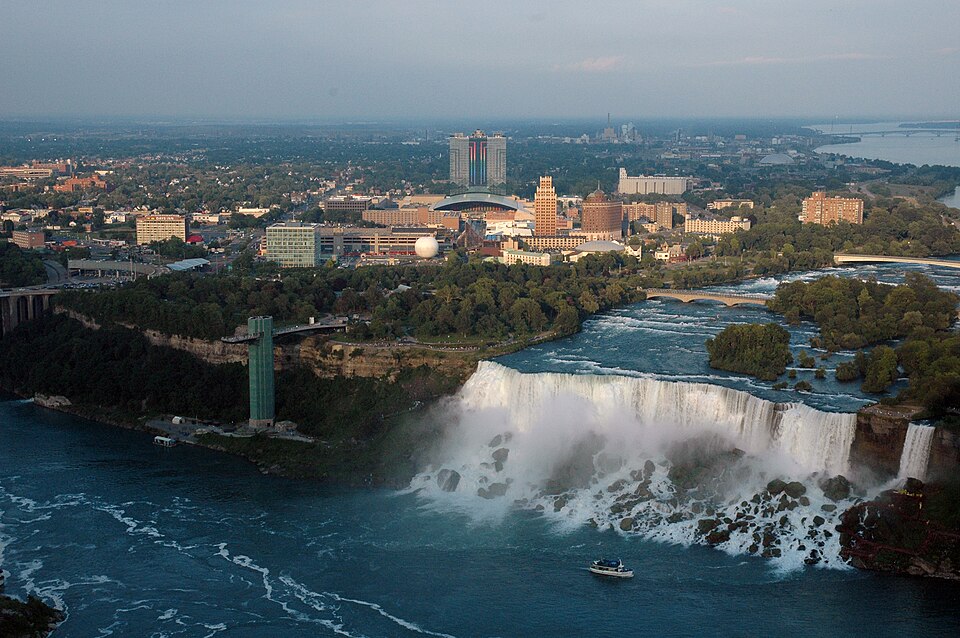
4. Niagara Falls, New York
The waterfall itself is not the problem. Expectations are. Travelers who arrive on the New York side sometimes discover that the surrounding stay feels dated and the views less immersive than they imagined, especially when compared with the Canadian side’s dramatic presentation and Table Rock vantage points. Locals tend to frame the American side as a nature stop rather than a full spectacle destination. The parkland can still be rewarding, especially for quieter trails, but many first-time visitors arrive expecting a fuller entertainment district than they actually find.
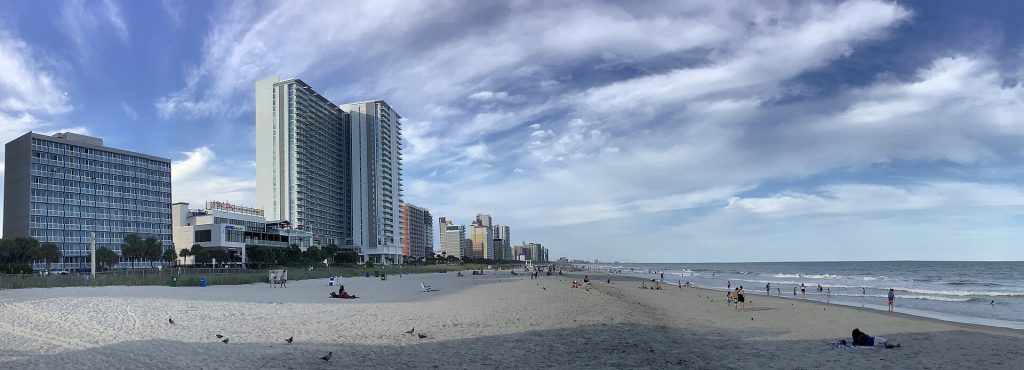
5. Myrtle Beach, South Carolina
Myrtle Beach still draws families, golfers, and summer crowds in huge numbers. The problem is that popularity has become part of the strain. Heavy traffic, packed beaches, chain-heavy development, and periodic concerns tied to coastal water conditions can chip away at the laid-back image that made the area famous. Locals often describe it as a place where convenience outpaced charm. For travelers chasing a quieter beach atmosphere, nearby coastal communities tend to leave a stronger impression.
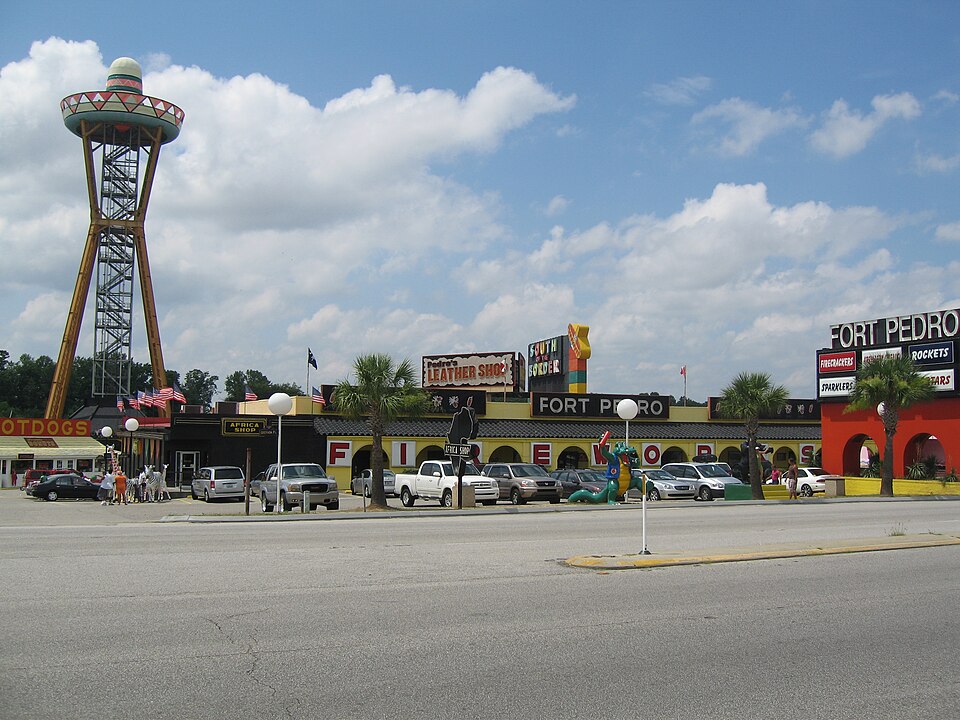
6. South of the Border, South Carolina
This roadside stop built its reputation on giant billboards and highway curiosity. For many modern travelers, that advertising remains the most memorable part. What waits at the exit is a nostalgia stop that many locals see as faded rather than delightfully retro. Reviews commonly focus on worn facilities and a once-kitschy identity that now feels more rundown than playful, even with the giant sombrero still towering over the interstate.
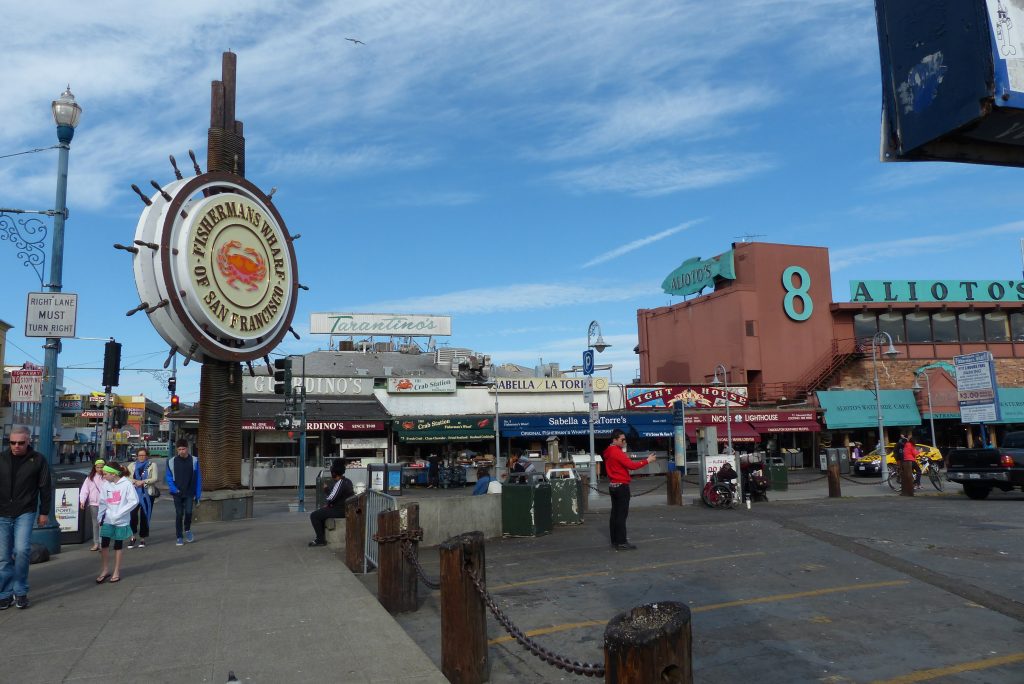
7. Fisherman’s Wharf, San Francisco
Fisherman’s Wharf is busy because it is easy, familiar, and packed with postcard imagery. It also receives about 12 million visitors annually, which turns the district into a dense loop of souvenir stalls, expensive seafood, and crowded sidewalks. The sea lions remain a genuine crowd-pleaser, but much of the rest can feel designed for quick tourist spending. San Francisco locals often argue that the city becomes more memorable almost immediately after visitors leave the wharf. Independent food spots, neighborhood storefronts, and waterfront markets elsewhere tend to offer a stronger sense of place than the heavily packaged version on display here.
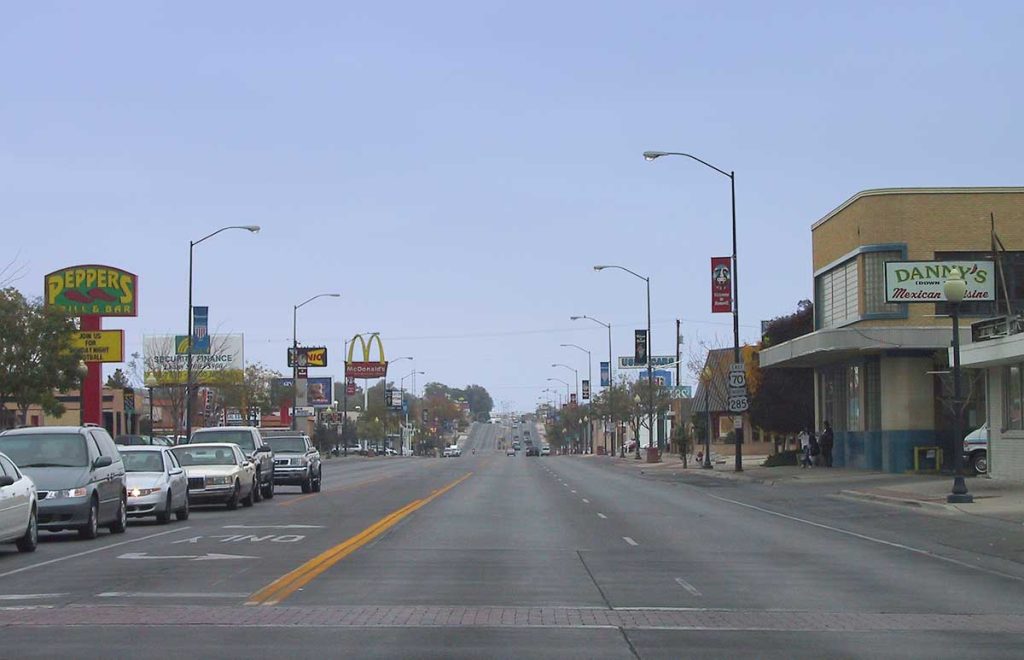
8. Roswell, New Mexico
Roswell sells one of the biggest mystery stories in American pop culture. The challenge is scale. Travelers drawn in by the UFO legend sometimes arrive expecting a deep, immersive attraction and instead find smaller museums, novelty stores, and a theme that leans more playful than expansive. That does not make Roswell pointless. It makes it better suited to a short stop than a standalone vacation anchor. Residents often recommend treating it as one piece of a broader New Mexico itinerary.
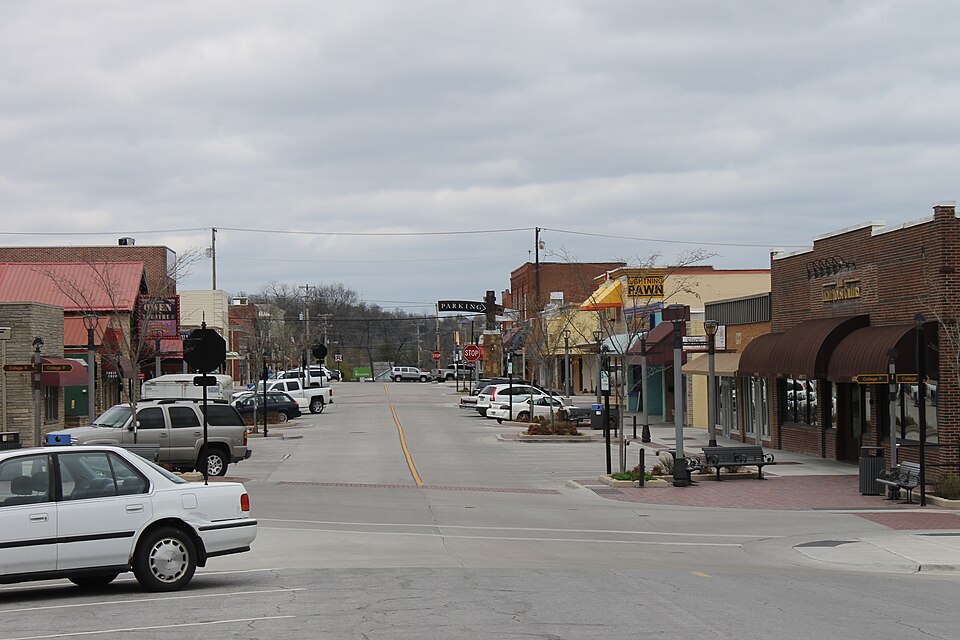
9. Branson, Missouri
Branson continues to appeal to travelers who specifically want theater shows, family entertainment, and a style of Americana that has stayed largely unchanged. For others, that same consistency reads as dated. The strip traffic, ticket stacking, and older attraction mix can leave newcomers feeling like they paid for more nostalgia than substance. The destination works best for a narrow audience. Outside that audience, locals say the area can feel like a long commercial break stretched across a vacation town.
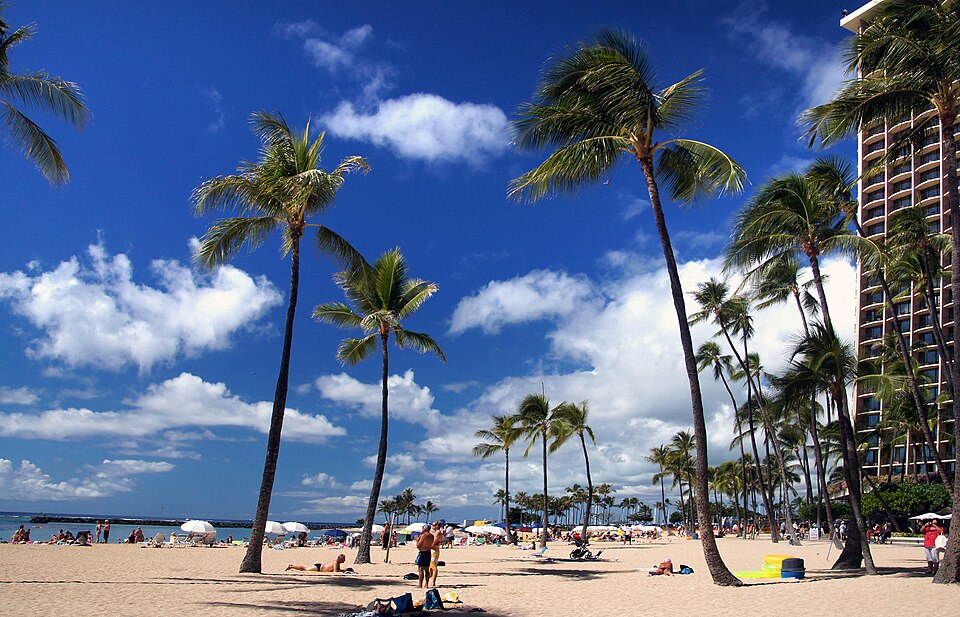
10. Waikiki Beach, Hawaii
Waikiki is still visually striking, but its reputation for paradise now competes with density. High-rise hotels line the shore, parking is difficult, and crowding has become one of the defining features of the experience. One travel roundup noted that 67.3% of reviews cited overcrowding, a figure that aligns with what many residents have said for years. There is also a safety angle that often gets overlooked in Hawaii more broadly. Locals frequently warn visitors not to ignore posted barriers or ocean advisories, especially near scenic coastal areas. Waikiki itself remains accessible, but the larger lesson across Oahu is simple: famous shoreline does not always mean relaxed shoreline.
The common thread across these destinations is not that they are empty of value. It is that fame can flatten a place into a product, replacing atmosphere with queues, markups, and a version of travel built for fast consumption. Locals usually offer the same correction: look one neighborhood over, one beach farther, or one park beyond the billboard corridor. That is often where the trip starts feeling real.

