
The Exodus has never sat comfortably inside a single historical frame. For some readers, it belongs chiefly to sacred memory; for others, it is a puzzle of chronology, migration, and political upheaval. Egyptian evidence has not resolved that tension. It has made it more intricate.
Across inscriptions, papyri, tomb art, and excavated settlements, Egypt preserves fragments that overlap with parts of the biblical world without producing a neat one-to-one match. The result is not a simple confirmation or dismissal, but a record that keeps the debate open.
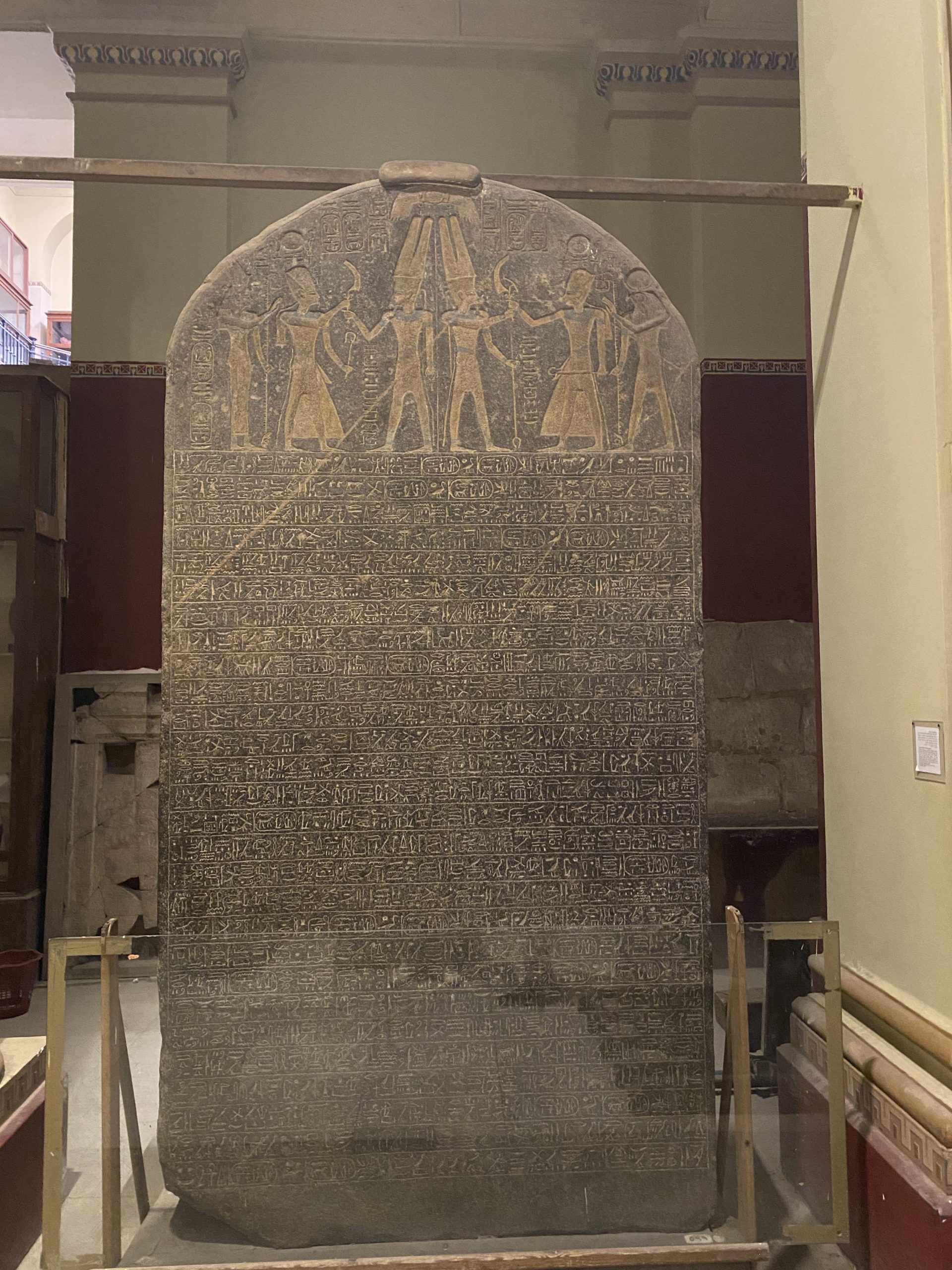
1. The Merneptah Stele places Israel in Canaan earlier than some timelines allow
The best-known Egyptian reference to Israel appears on the Merneptah Stele, dated to the late 13th century BCE. Its inscription includes the line often rendered, “Israel is laid waste, bare of seed,” making it the earliest widely accepted extra-biblical mention of Israel. That matters because the text treats Israel as a recognizable people in Canaan, not as a group only just emerging from Egypt. For historians of the Exodus, this does not settle the date. It complicates it by narrowing the window. Any model that places an Exodus too close to Merneptah’s reign must also explain how Israel had already become visible enough in the region to appear in royal Egyptian boasting.
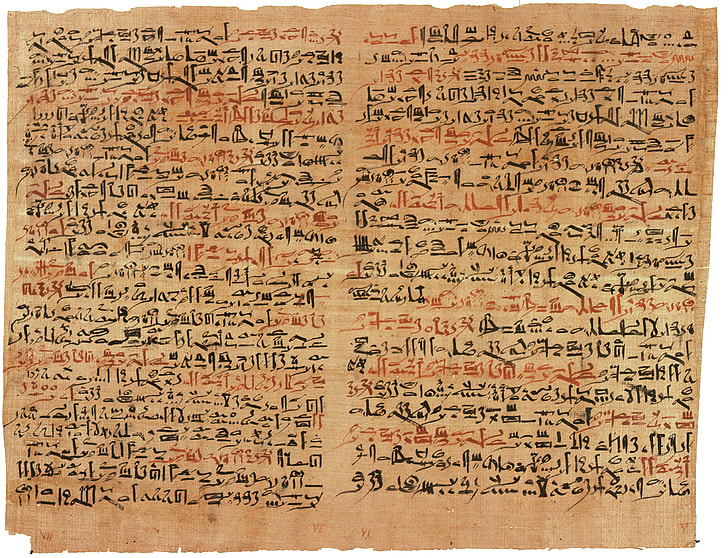
2. Papyrus Brooklyn records a household full of Asiatic servants in Egypt
Papyrus Brooklyn 35.1446 preserves a legal text concerning ninety-five household servants belonging to a Theban noblewoman. The museum notes that forty-five were of Asiatic origin. This document does not mention Israelites by name, nor does it describe the Exodus. What it does show is that large numbers of people from the Levant were present in Egypt in servile positions long before the traditional biblical setting of Moses. That detail complicates confident claims on both sides. It weakens any argument that Semitic populations in Egypt are implausible, while also reminding readers that foreign servants in Egypt were not unusual enough to identify one specific biblical group without further evidence.
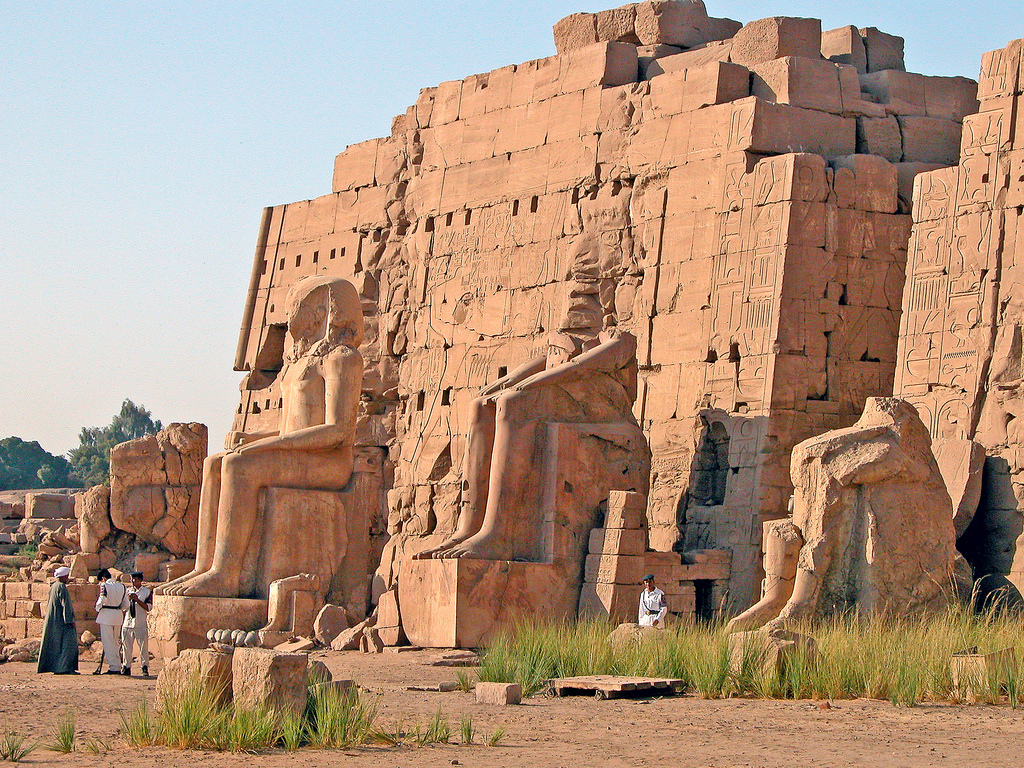
3. Avaris reveals a Delta city shaped by migrants from Canaan
Excavations at Tell el-Dab’a, ancient Avaris, uncovered a settlement in the eastern Nile Delta that began with substantial non-Egyptian, Canaanite presence. Pottery, burial customs, and domestic patterns point to a migrant community that became deeply entangled with Egyptian life over time. This is one of the most evocative archaeological settings in the Exodus debate. Avaris shows that people from Canaan did settle, prosper, and change status in Egypt’s Delta. Yet the site is associated above all with the Hyksos and broader patterns of migration, administration, and imperial politics. Rather than offering a single “Exodus site,” it presents a historical backdrop in which biblical memory may have absorbed multiple episodes of settlement, labor, displacement, and expulsion.
4. Tomb art of brickmaking makes forced labor look historically ordinary
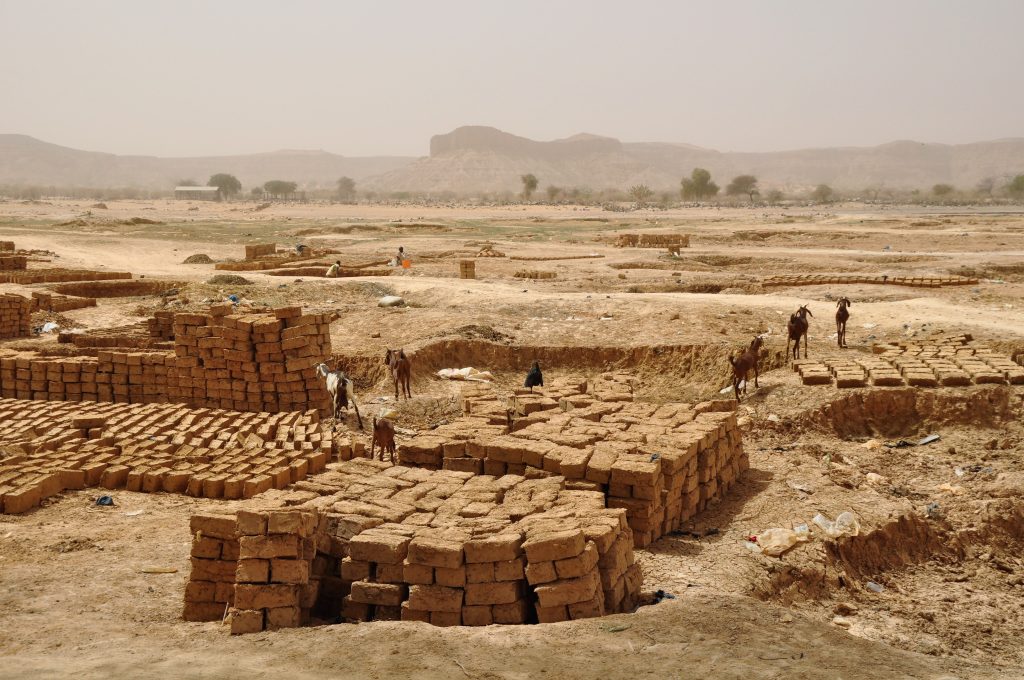
A painting in the tomb of Rehkmire depicts laborers making bricks under supervision, with mud preparation, molding, and drying all carefully shown. Egyptian texts also refer to the need for straw in brick production and to shortages that disrupted the work. Those details sound familiar to readers of Exodus. But their importance lies in tone as much as content. They suggest that brickmaking under coercive oversight was part of the normal machinery of the Egyptian state. The biblical labor scenes therefore fit a plausible Egyptian environment, though not in a way that points exclusively to one population. The correspondence is real, but broad rather than decisive.
5. Egyptian words inside the Hebrew text hint at deep contact with Egypt
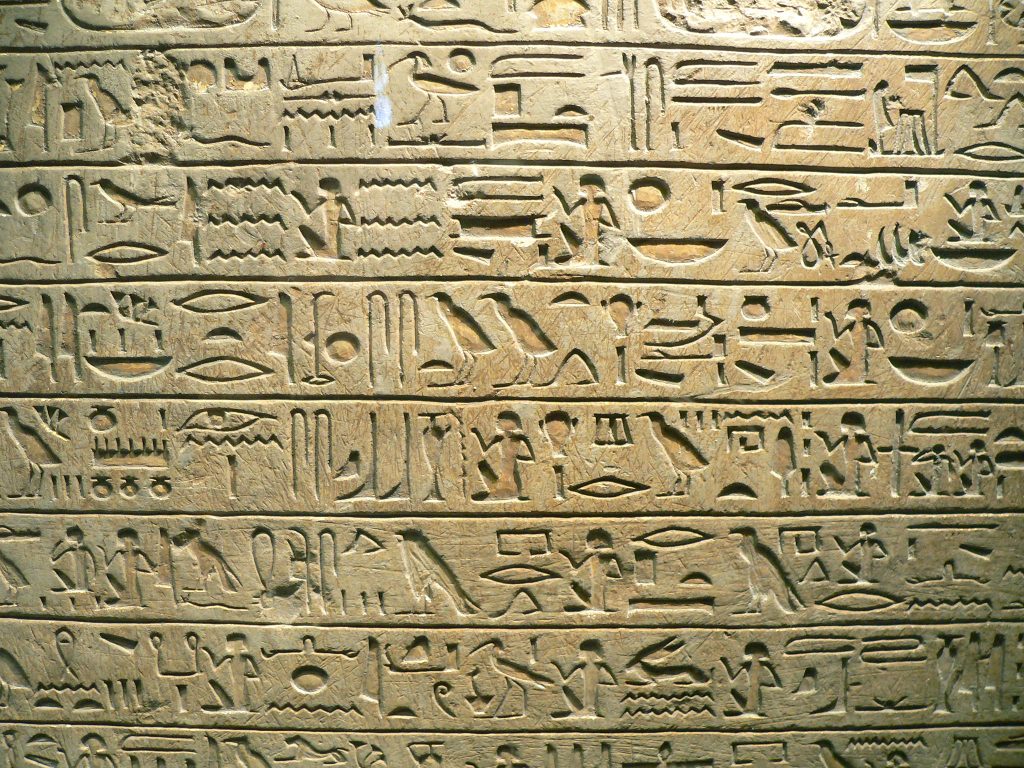
Scholars have long noted Egyptian loanwords embedded in parts of the Hebrew Exodus tradition, especially in passages connected to the Nile, reeds, and the basket of Moses. Even the name Moses is often linked to the Egyptian element msi or ms, familiar from royal names such as Thutmose. Language rarely proves a narrative by itself. Still, Egyptian vocabulary in key scenes complicates the idea that the tradition was invented at great distance from Egyptian culture. At the same time, loanwords do not date a text with precision, and they do not prove that a single author witnessed the events. They point instead to cultural memory shaped by meaningful Egyptian contact.
6. The Soleb inscription names a group associated with Yahweh outside the Bible
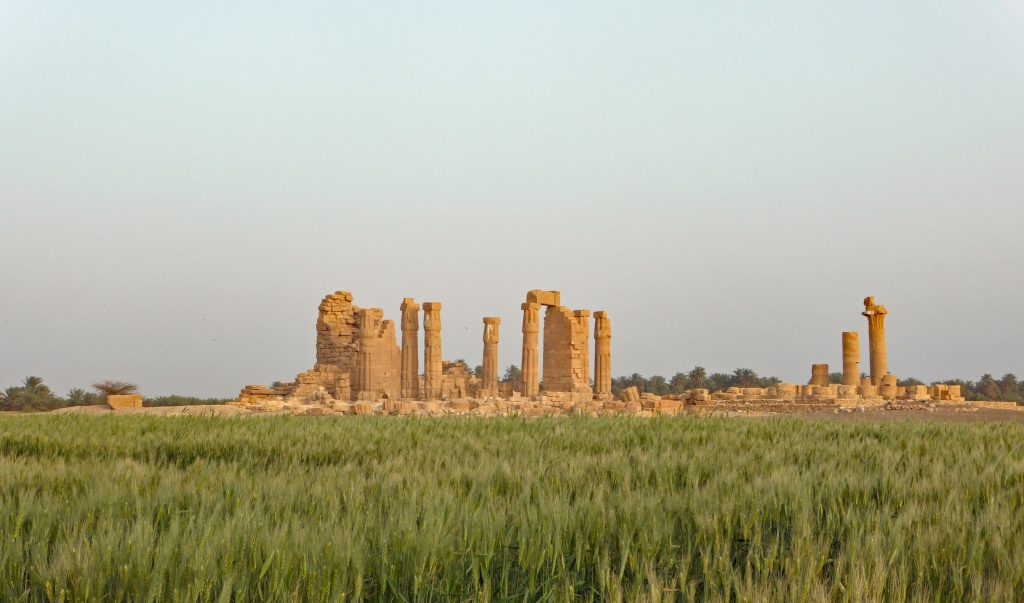
At the temple of Soleb in Nubia, an inscription from the reign of Amenhotep III refers to the “Shasu of Yahweh”. This is widely discussed because it may be the earliest Egyptian reference to the divine name Yahweh. The inscription does not describe Israel in Egypt, nor does it narrate an escape. What it does suggest is that Egyptian officials already knew of a people or region linked to Yahweh in the wider southern Levant by the 14th century BCE. That complicates simple assumptions about when Yahweh worship emerged and how it related to Israel’s formation. It also broadens the question from “Did the Exodus happen?” to “How did Egyptian knowledge of Levantine groups feed into later biblical memory?”

7. Border reliefs and canal studies challenge simple ideas about the sea crossing
Reliefs from the reign of Seti I depict Egypt’s northeastern frontier with forts, waterways, and marshy barriers. Geological work has also supported the existence of linked lakes and canals in that zone, rather than a uniformly dry desert edge. This matters because the biblical “Sea of Reeds” has often been flattened into a single modern image. Egyptian frontier evidence suggests a more complex landscape of lagoons, channels, and fortified routes. The crossing tradition therefore becomes harder to map in simplistic terms. The geography looks more plausible in some respects and less certain in others.
8. Proto-Sinaitic writing opens the question of literacy in the Exodus age
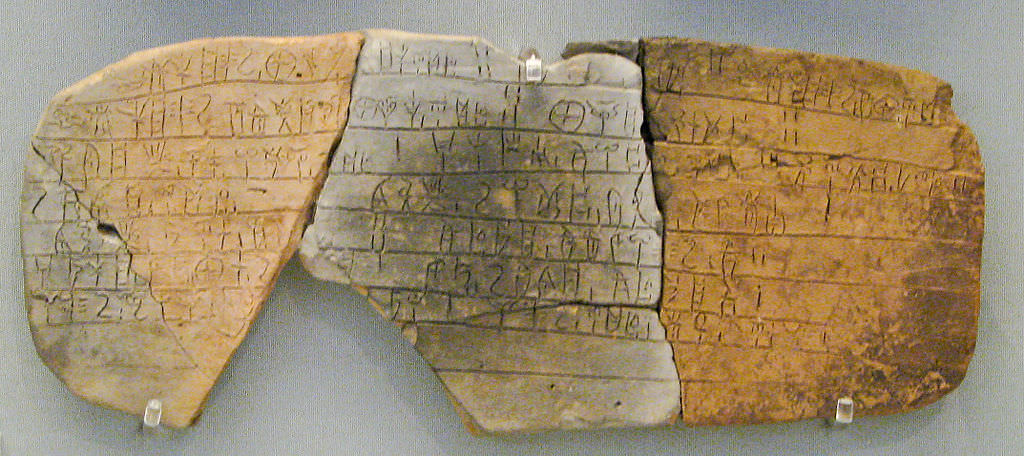
Inscriptions from Serabit el-Khadim in Sinai preserve an early alphabetic script created by Semitic speakers using signs adapted from Egyptian hieroglyphs. These texts belong broadly to the second millennium BCE and demonstrate that alphabetic writing existed much earlier than older scholarship once assumed. That does not prove Mosaic authorship, and specialists still dispute how the inscriptions should be read and which language stands behind them. Even so, their existence complicates outdated arguments that a Moses-era figure could not have used alphabetic writing at all. The historical discussion shifts from impossibility to interpretation.
9. Egyptian memory preserved hostile counter-stories about Moses-like figures
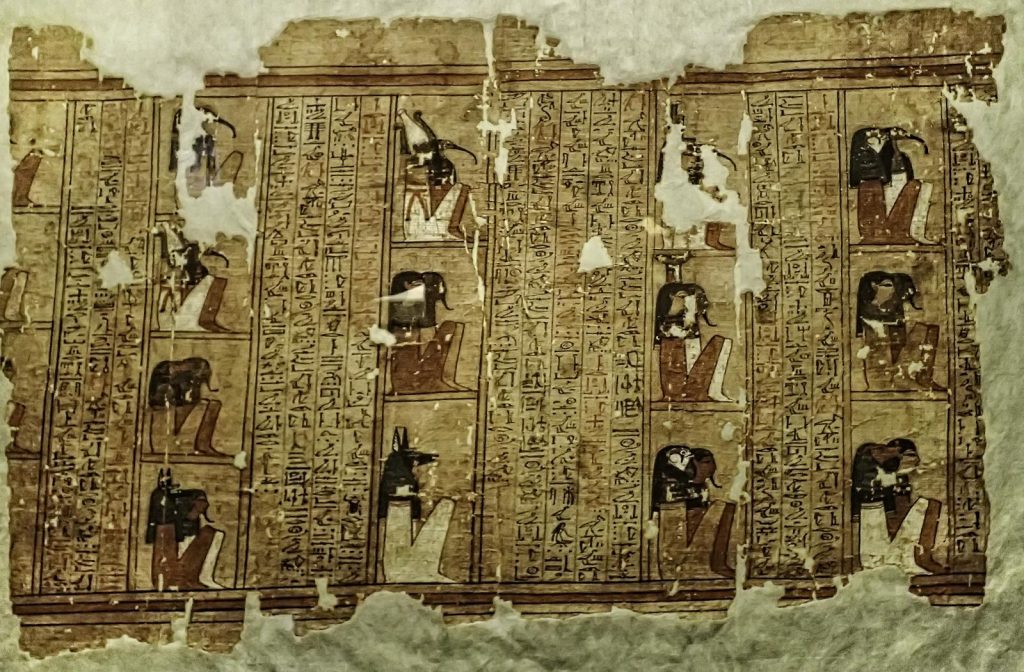
Later Egyptian traditions, especially those preserved through Manetho and discussed in modern scholarship such as Harvard Divinity Bulletin’s analysis of Exodus traditions, describe a rebel leader associated with impure people, foreign allies, religious offense, and expulsion from Egypt. In one version, the leader is linked to Osarseph and later identified with Moses. This material is late, polemical, and impossible to read as straightforward history. Yet it remains important because it shows that Egyptian cultural memory contained anti-Exodus narratives rather than silence alone. Those traditions preserve echoes of upheaval, foreigners, contested religion, and expulsion, but from the other side of the story.
That does not verify the biblical account. It complicates it by showing how remembered conflict can survive in distorted form. Taken together, these discoveries do not produce a single clean historical verdict. They point instead to a world in which Semitic populations lived in Egypt, Egyptian labor systems resembled parts of Exodus, Levantine groups were known to Egyptian officials, and later memories of expulsion and religious conflict circulated in competing forms. The Exodus story remains difficult partly because Egypt offers too much context rather than too little. The evidence keeps refusing a simple answer, and that refusal is what makes the subject endure.

