

Celebrity wealth often gets framed as a family safety net, especially when fortunes stretch into the tens or hundreds of millions. But in Hollywood, money and family ties do not always move together.
Some stars have openly rejected inheritance, some have stayed estranged from children or parents for years, and some have drawn hard financial boundaries after painful private conflicts. Taken together, these cases show how fame, trauma, and family estrangement can turn wealth into something far more complicated than a legacy.

1. Jackie Chan made inheritance a public principle
Jackie Chan did not leave much room for ambiguity when discussing his estate. He has repeatedly said his son Jaycee would not simply inherit his fortune, explaining that self-sufficiency matters more to him than a large financial handoff. One of his best-known remarks was blunt: “If he is capable, he can make his own money. If he is not, then he will just be wasting my money.”
That stance gained even more attention because Chan has also emphasized charity as a priority, including plans described in public statements about half of his fortune going to charity. The result was not just a discussion about parenting, but a wider debate about whether a celebrity’s wealth belongs first to family, philanthropy, or personal philosophy.

2. Daniel Craig rejected the very idea of a big family windfall
Daniel Craig became one of the most bankable actors of his era through the Bond franchise, yet his public comments about inheritance cut against the usual image of dynastic celebrity wealth. He has described inheritance as something he does not admire and has made clear that he does not view leaving a huge estate to children as an ideal outcome.
What made the reaction so strong was the contrast. A global star associated with luxury, prestige, and blockbuster earnings was also publicly arguing that heirs should build their own lives rather than wait for money. In celebrity culture, that position tends to draw as much fascination as criticism.
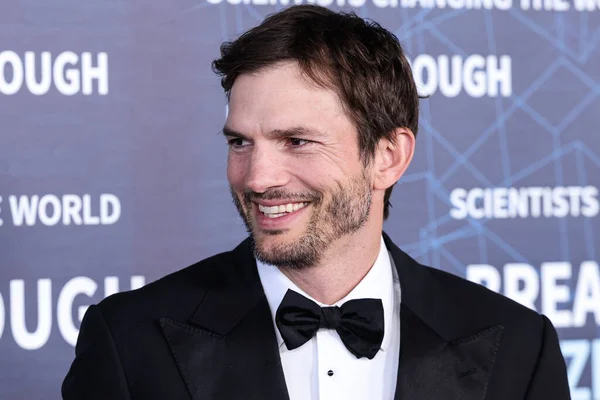
3. Ashton Kutcher tied family money to effort, not entitlement
Ashton Kutcher and Mila Kunis have been unusually direct about refusing to create trust-fund expectations for their children. Kutcher has said he wants his kids to be resourceful and work for what they build, though he has also indicated he would consider supporting strong business ideas instead of offering automatic wealth.
This version of financial distance differs from estrangement. It is not framed as punishment or rejection, but as a values-based rule. Even so, the message lands hard because it challenges one of the biggest assumptions attached to celebrity children: that access to family money is part of the package.
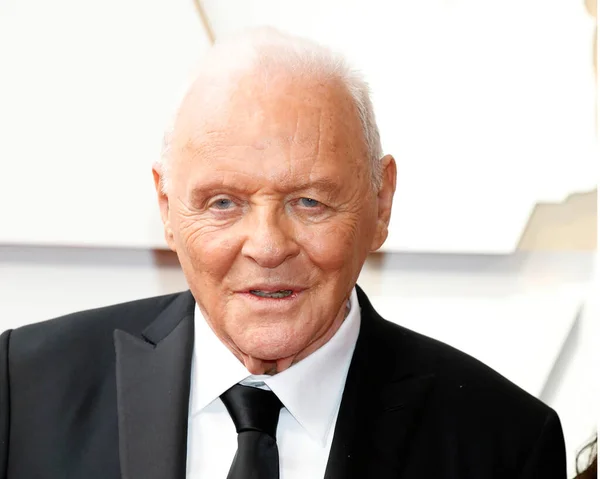
4. Anthony Hopkins turned an estrangement into one of Hollywood’s coldest family stories
Anthony Hopkins has spoken with unusual detachment about his fractured relationship with his daughter Abigail. In a widely cited interview, when asked whether she had children, he responded, “I don’t have any idea.” He later added, “People break up. Families split and, you know, ‘Get on with your life.’ People make choices. I don’t care one way or the other.”
Those comments, detailed in coverage of Hopkins and Abigail’s long estrangement, became a flashpoint because they sounded less like guarded privacy and more like finality. Abigail had previously said she saw him only sporadically as a child. In cases like this, the money question becomes inseparable from emotional absence.
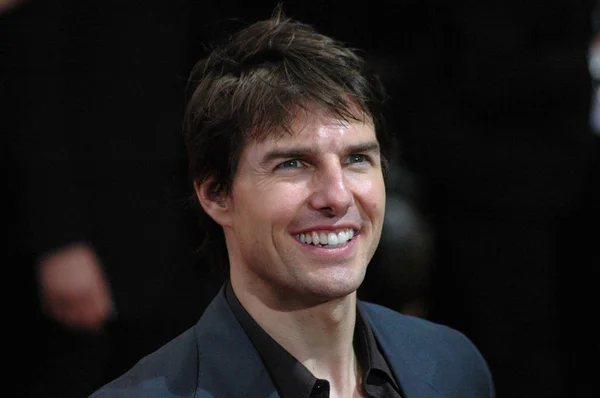
5. Tom Cruise became a symbol of distance without a public financial cutoff
Tom Cruise’s case stands apart because the story is less about disinheritance than about visible separation. He has remained associated with one of Hollywood’s largest fortunes, yet his long-running estrangement from Suri Cruise has shaped public perception far more than any number attached to child support ever could.
That distance resurfaced in 2024, when Suri appeared in her graduation program as “Suri Noelle” instead of Suri Cruise. The detail carried unusual weight because it suggested identity, not just logistics. In celebrity families, symbolic breaks often draw more attention than legal ones.
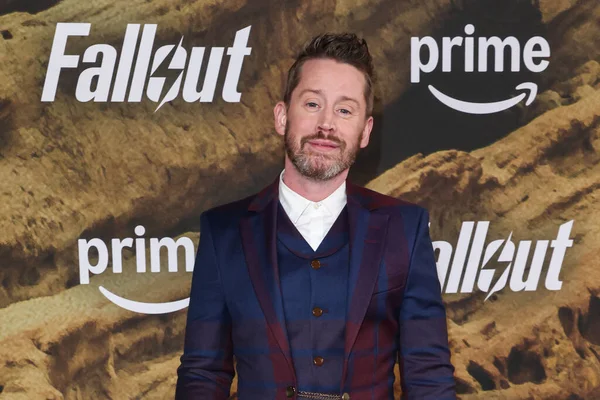
6. Macaulay Culkin’s money battle ran in reverse
Macaulay Culkin became wealthy before he was old enough to control his own career, and his most famous family money story was not about denying help to relatives later in life. It was about pulling control back after accusing his parents of mishandling access to the fortune he had earned as a child.
That history matters because stories like Culkin’s helped shape the broader public understanding of why some stars become fiercely protective of their money once they reach adulthood. Child fame has repeatedly been described by former performers as traumatic, with one actor quoted in a broader discussion of the issue saying, “I don’t think you can be a child star without there being some kind of lasting damage.” When wealth enters a family system already strained by fame, control can become the central issue.
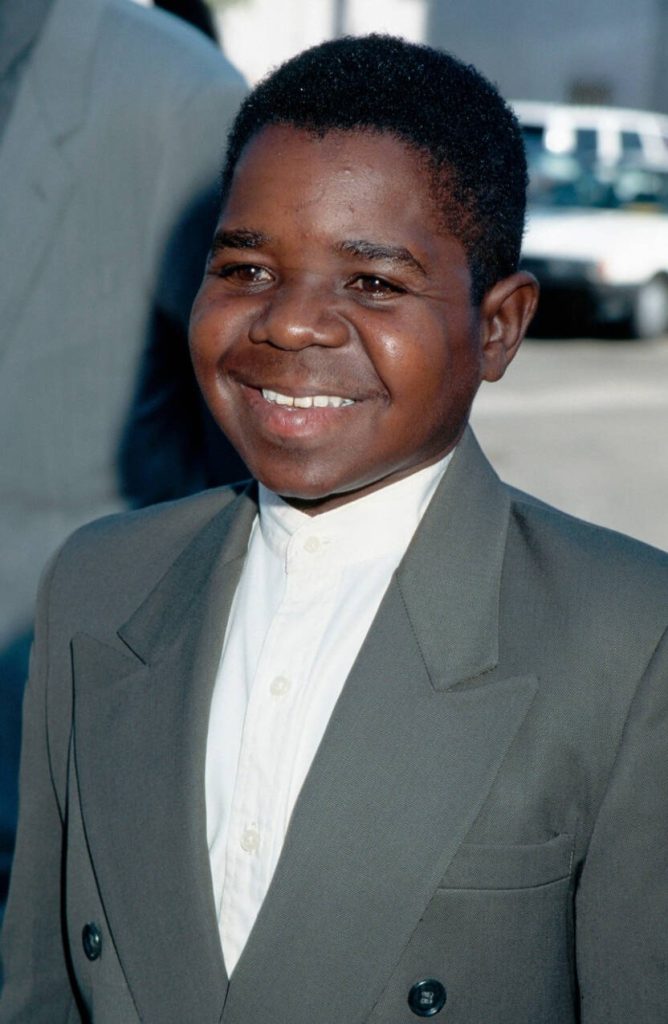
7. Corey Feldman and Gary Coleman became cautionary examples
Corey Feldman and Gary Coleman remain two of the clearest examples of young stars whose family relationships were shattered by disputes over earnings. Both publicly described discovering that money earned in childhood had been depleted or misused, and both became estranged from parents as a result.
These cases still resonate because they exposed the darker side of show-business success. The child may be the one working, but adults often control the contracts, accounts, and decisions. Once trust breaks there, reconciliation can become far harder than any legal settlement.

8. Tony Curtis and Jerry Lewis used their wills to make a final statement
Tony Curtis and Jerry Lewis each drew headlines not for a family feud in progress, but for what their wills revealed after death. Curtis intentionally disinherited his children, including Jamie Lee Curtis, while Lewis excluded the children from his first marriage and directed his estate elsewhere.
Those choices became especially controversial because wills are read as more than paperwork. They are often treated as a last message. Reporting on Lewis’s will excluding his six children from his first marriage and accounts of Curtis rewriting his estate plan turned both men into enduring examples of how celebrity wealth can deepen old family wounds instead of repairing them.

9. Kirk Douglas and George Lucas put philanthropy ahead of dynasty
Not every family exclusion story comes from hostility. Some stars have framed reduced inheritance as a larger social choice. Kirk Douglas directed most of his fortune toward charitable causes, while George Lucas committed much of his wealth to education-focused giving rather than traditional generational transfer.
Lucas’s approach became particularly notable after the sale of Star Wars to Disney for $4.5 billion. In these cases, the public argument shifts. The question is no longer whether a star abandoned family, but whether immense wealth carries obligations beyond family first.
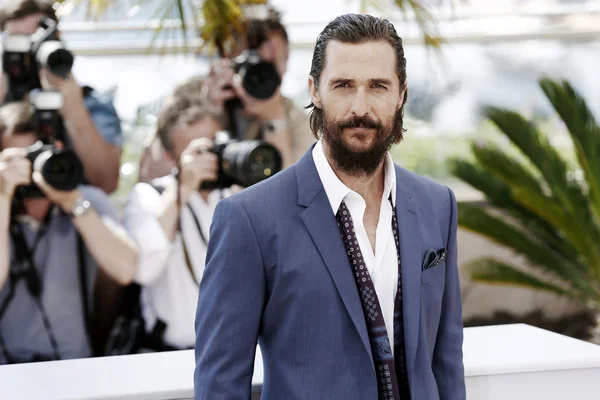
10. Matthew McConaughey showed that family cutoffs are not always about money
Matthew McConaughey has spoken about a long estrangement from his mother after private details about him reached the press. The rupture reportedly lasted years. What made the story stick was not financial drama, but the reason behind the boundary: trust.
That pattern appears in many estrangement stories beyond Hollywood. Family experts have noted that more people now describe going no-contact or low-contact to protect mental well-being, with one estimate saying at least one in four people experience estrangement from a family member. In celebrity families, money makes the split more visible, but it is often not the original cause.
Across these stories, public backlash usually follows the same pressure point: the belief that enormous wealth should naturally lead to support, closeness, or repair. Hollywood keeps showing that it does not. In many cases, the real story is less about riches than about boundaries, old grievances, and the damage that fame can intensify. Family money may look simple from the outside. In celebrity life, it rarely is.

