
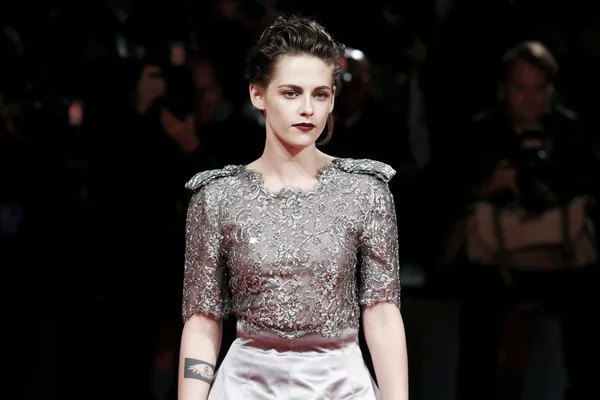
Hollywood has spent decades asking actresses to be both visible and carefully edited. For LGBT performers, that tension has often turned into a public test: be open, but not too open; be celebrated, but only on terms audiences already accept.
Some of the backlash came after a coming-out moment. Some arrived through franchise casting, tabloid fixation, or social-media pile-ons. What links these actresses is not a single kind of controversy, but the way public reaction exposed the limits of acceptance in entertainment culture.
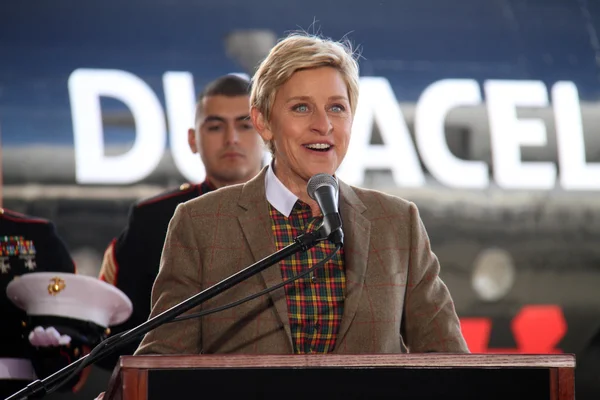
1. Ellen DeGeneres
Ellen DeGeneres remains one of the clearest examples of how quickly a career could be punished for openness. When her sitcom character came out, the moment became a television landmark, but it also triggered a drop in viewership and advertiser support. The backlash did not stay confined to criticism of the show. It spilled into a broader resistance to her public identity, and major acting opportunities became harder to secure after the series ended.
What makes her case significant is how visible the consequences were. DeGeneres later rebuilt her mainstream standing through daytime television, but that comeback came after a period that showed how little room the industry once gave openly gay women in lead roles.
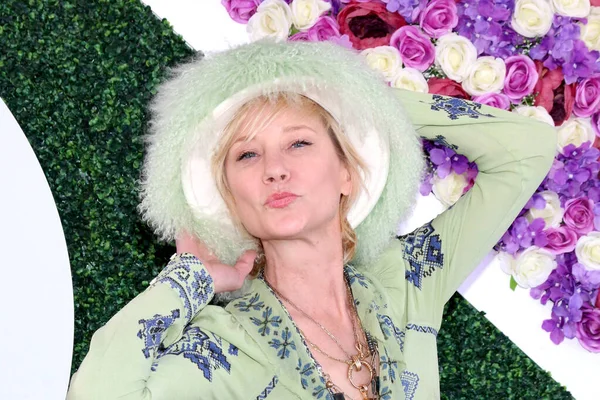
2. Anne Heche
Anne Heche’s relationship with Ellen DeGeneres became a fixation that eclipsed her work at a moment when she was positioned for major studio stardom. Her appearance with DeGeneres at a high-profile premiere was treated less as a personal choice than as a career-altering event. Heche later said a studio deal vanished after that period, and the reaction became part of Hollywood’s cautionary lore about what happened when an actress stepped outside the expected romantic script.
Her story also highlights an old industry fear that audiences would stop accepting an actress as a straight romantic lead once her real life became public. That logic shaped casting decisions for years, long after the red carpet moment itself passed.
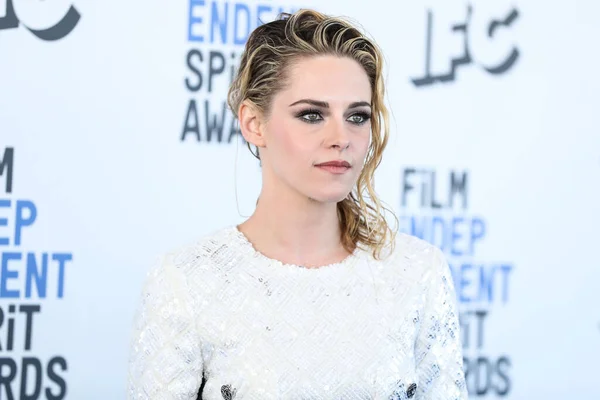
3. Kristen Stewart
Kristen Stewart endured an unusually intense collision of franchise fame, tabloid obsession, and shifting public identity. After the Twilight era, her relationships with women attracted heavy press scrutiny, and parts of her fan base struggled to separate the star from the fantasy they had attached to her earlier image. Online harassment followed, often folding personal judgment into criticism of her career choices.
The backlash did not define the long arc of her work. Stewart moved toward smaller, more adventurous films, then reached a new level of prestige with an Oscar nomination. Her trajectory showed that audience resistance could be loud without being permanent.
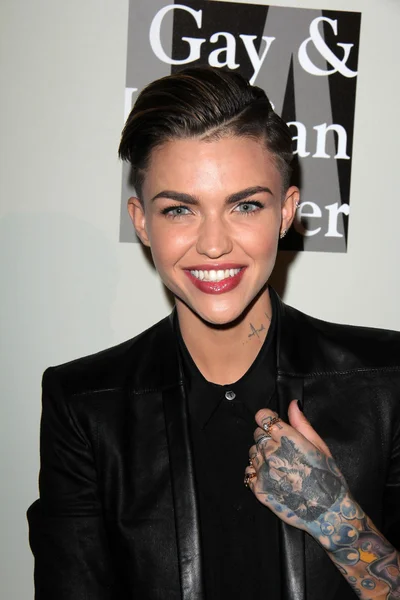
4. Ruby Rose
Ruby Rose stepped into a perfect storm when she was cast in Batwoman. The role placed her at the center of fandom expectations, identity politics, and constant internet commentary. Criticism came from multiple directions, including attacks on her acting, arguments over whether she was the right fit for the character, and the broader hostility that often surrounds superhero casting.
The reaction became so intense that she briefly left social media. Her experience reflected a newer form of backlash, one powered less by traditional gatekeepers than by nonstop online amplification.
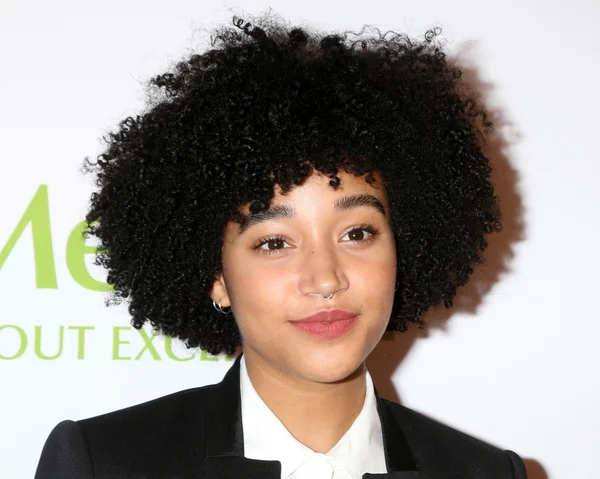
5. Amandla Stenberg
Amandla Stenberg has repeatedly faced the kind of hostility that follows young performers who speak plainly about race, gender, and representation. Their casting in franchise projects brought visibility, but it also drew organized audience anger from corners of fandom that treat inclusive casting as a provocation.
The response around the cancellation of “The Acolyte” after one season intensified that pattern. Stenberg’s case shows how backlash today often targets not only a performance, but the meaning attached to the performer. The criticism can become a proxy fight over who gets to lead major genre stories.
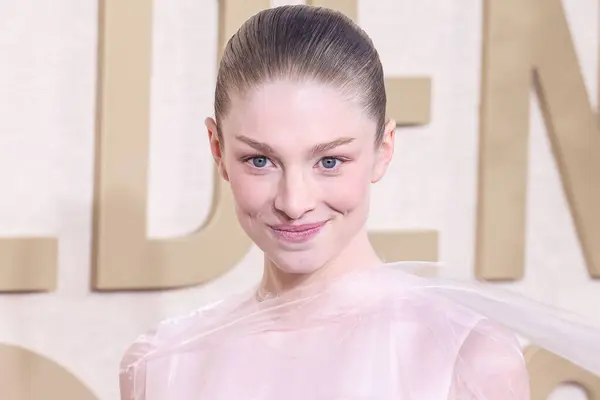
6. Hunter Schafer
Hunter Schafer rose to prominence through Euphoria, but recognition came with the burden placed on many openly trans actresses: being treated as both performer and political symbol. Her visibility has made her a recurring target for transphobic commentary, especially online, where public appearances and fashion coverage can trigger the same hostility as acting roles.
That pressure exists even as her career expands. Schafer’s success in film and fashion has made her one of the defining trans stars of her generation, which is precisely why the backlash around her remains so revealing.
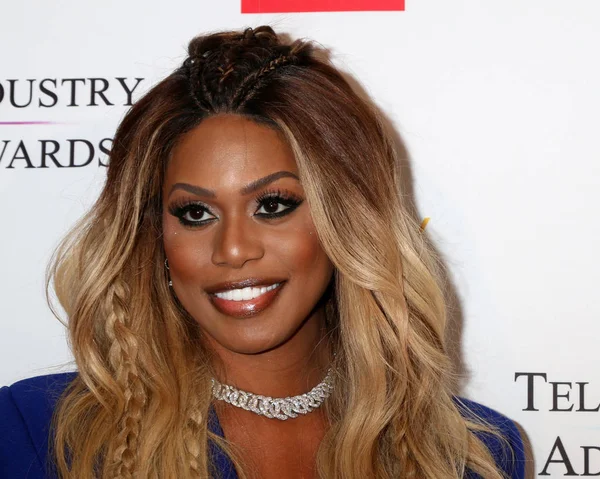
7. Laverne Cox
Laverne Cox became a breakthrough figure with Orange Is the New Black, and that breakthrough carried a cost. As one of the first trans actresses to achieve broad mainstream visibility at that level, she absorbed scrutiny that was frequently invasive, mocking, or openly hostile.
The attention around her often moved beyond ordinary celebrity coverage into a debate over trans existence itself. Her prominence mattered because it changed what audiences were seeing on screen. It also confirmed how often pioneering visibility comes paired with punishment.
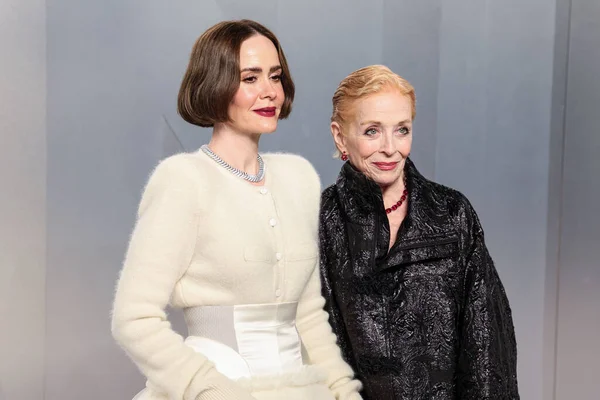
8. Sarah Paulson and Holland Taylor
Sarah Paulson and Holland Taylor faced a different variety of audience reaction, one built around tabloid fascination rather than franchise warfare. Their relationship drew outsized commentary focused on the age gap between them, with public conversation often reducing two accomplished actors to a spectacle. In Paulson’s case, the criticism followed her into interviews and coverage of her television work.
For Taylor, it created a level of personal attention that had little to do with her long-established career. It was a reminder that backlash does not always arrive as outright exclusion. Sometimes it appears as relentless framing that turns a private relationship into a public test case.
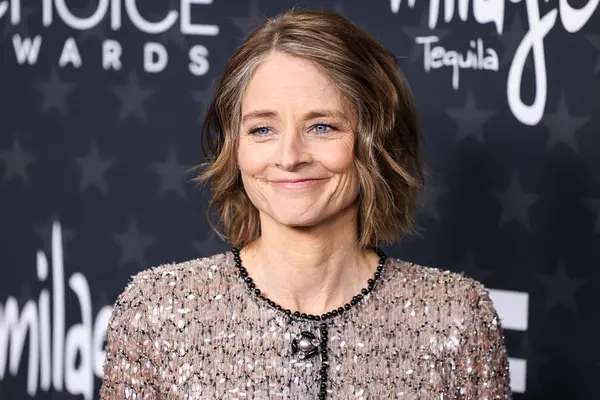
9. Jodie Foster
Jodie Foster’s experience was shaped by privacy as much as disclosure. After years of guarding her personal life, she addressed her personal identity publicly during an awards speech, only to encounter criticism from some who felt she had waited too long.
Her case stood apart because the backlash came from opposite directions: surprise from mainstream audiences and frustration from observers who wanted a clearer, earlier declaration. That response underscored a recurring double bind for queer stars. Silence invites suspicion, but openness can still produce judgment about timing, tone, and obligation.
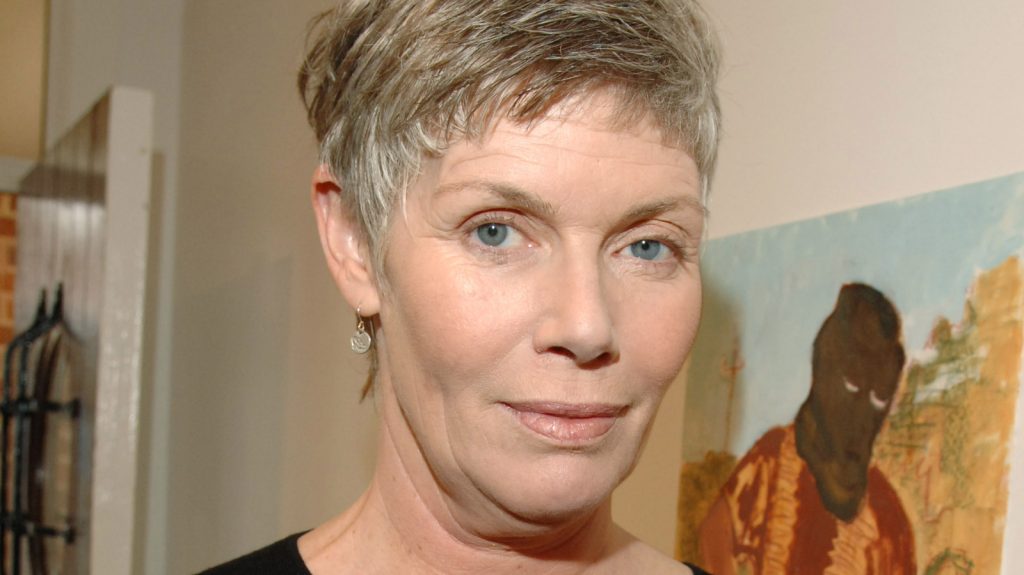
10. Kelly McGillis
Kelly McGillis offers one of the starkest examples of how age, personal identity, and industry image can collide. After years as a recognizable film star, she spoke candidly about being a lesbian, recalling the moment she answered a reporter’s question with “Definitely a woman.” She later described the struggle behind that honesty, saying, “I tried really hard not to be who I am. I tried super hard. It was a difficult journey for me to come to terms and be whole and happy with who I am.”
Her later comments about being left out of Top Gun: Maverick also fed a wider conversation about how older actresses are treated once they no longer fit the industry’s preferred image. In her case, the chill was not only about personal identity. It was about who Hollywood still allows to remain visible.
These stories do not describe one uniform kind of backlash. Some actresses were targeted after coming out, others after taking on high-profile roles, and others simply for being visible in ways parts of the audience resisted. Together, they show a longer pattern: acceptance in entertainment has expanded, but it has rarely arrived without conditions. For many LGBT actresses, the real measure of change has not been applause alone, but whether a public storm was allowed to become a permanent career verdict.

