
Height alone does not build a career, but in Hollywood it can shape how a performer enters a scene, commands a frame, and gets remembered. For many Black actors, physical stature has become part of a larger screen identity that blends authority, charisma, vulnerability, and star power.
This group stands out not simply for inches, but for the way height amplified iconic roles across drama, horror, comedy, prestige television, and franchise filmmaking. Some turned athletic backgrounds into acting careers. Others used a tall frame to give historical figures, protectors, villains, and leaders unusual presence on screen.
1. Winston Duke
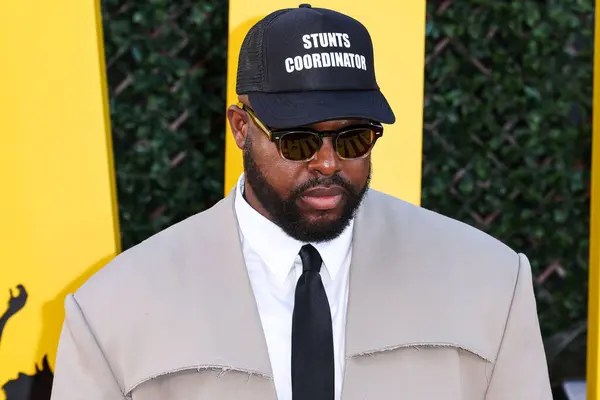
At 6’5″ (1.96 m), Winston Duke built one of the clearest examples of modern blockbuster presence. His breakout as M’Baku in Black Panther gave Marvel a character whose physical scale matched his forceful delivery, and that same combination carried into Us, where he played both Gabe Wilson and Abraham. Duke’s frame works differently depending on the role: imposing in action, grounded in ensemble scenes, and unexpectedly warm in quieter performances. His later credits, including Nine Days and The Fall Guy, show how quickly he moved beyond being cast only as muscle.
2. Idris Elba
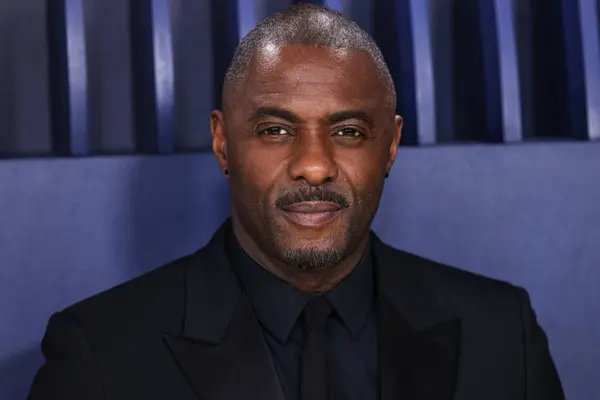
Idris Elba, widely listed at 6’3″, built a career around controlled authority rather than sheer size alone. As Stringer Bell in The Wire, he brought stillness and calculation. In Luther, his physical presence helped make the detective feel relentless even before the dialogue did the work. Elba’s height supported a screen image that could move between crime drama, fantasy, and action without losing credibility, whether he was playing Heimdall in Marvel films or fronting a thriller on his own.
3. Tony Todd
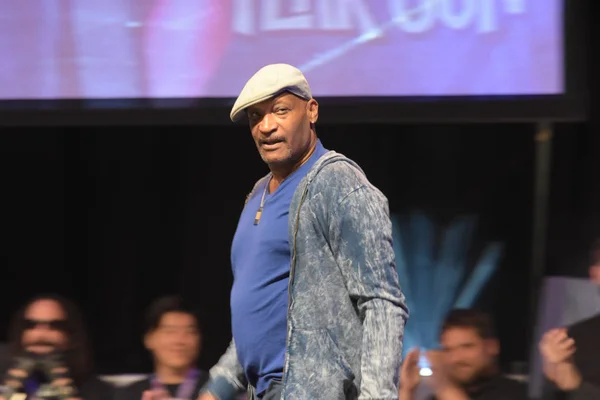
Tony Todd used a 6’5″ frame in a way few horror actors ever managed: not just to look intimidating, but to become mythic. In Candyman, his height, voice, and measured movement turned stillness into menace. The performance worked because it was not rushed. Todd often seemed to occupy more space than the camera frame allowed, which helped make the character last far beyond the era that introduced him. His long career in horror and science fiction showed how physical scale can become part of cinematic memory.
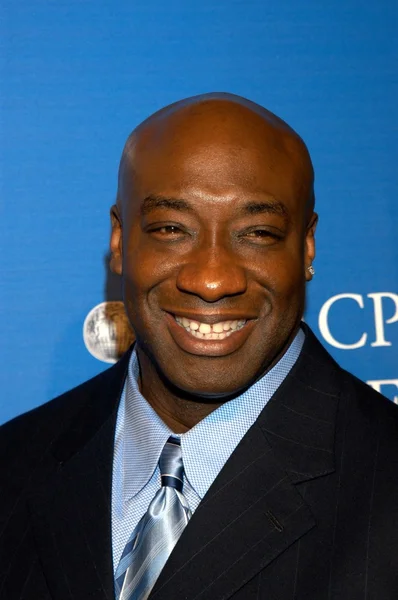
4. Michael Clarke Duncan
Michael Clarke Duncan stood 6’5″ and made that size emotionally complex. In The Green Mile, his breakout role as John Coffey depended on contrast: a giant figure paired with gentleness, fear, and moral weight. That balance made him more than a physically memorable actor. It made him singular. Hollywood often cast Duncan in imposing roles because of his build and voice, but his most lasting work came from showing tenderness inside that enormous screen presence.
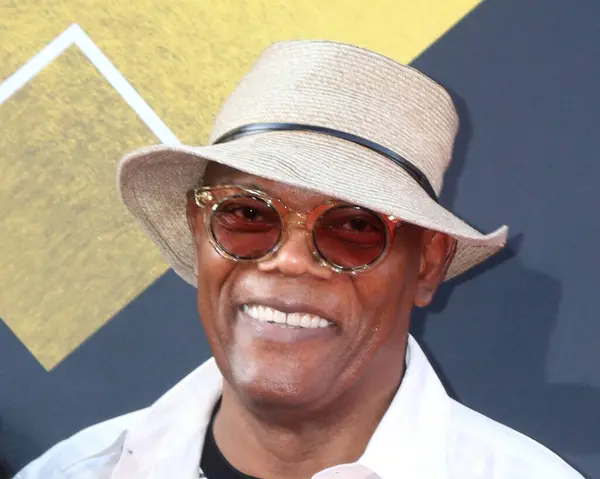
5. Samuel L. Jackson
Samuel L. Jackson, listed at 6’2″, never relied on height as a gimmick, yet it strengthened the dominance he brings to a scene. In films from Pulp Fiction to the Marvel franchise, he often plays characters who take control of the room the moment they appear. As Nick Fury, Jackson’s posture and commanding delivery helped anchor a sprawling superhero universe. With a filmography that stretches across decades, he shows how stature can reinforce charisma rather than define it.
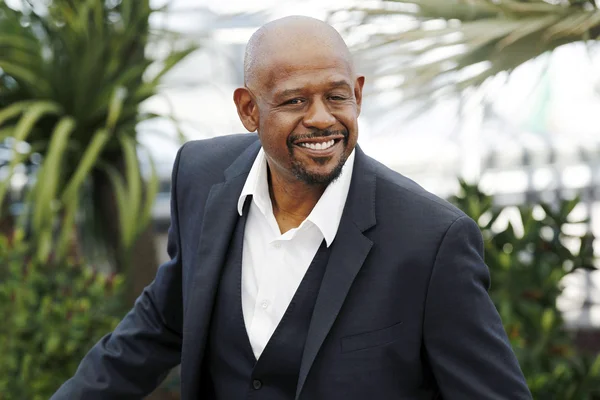
6. Forest Whitaker
Forest Whitaker’s 6’2″ height often adds gravity to already intense performances. In The Last King of Scotland, where he won the Academy Award for Best Actor, physical presence became part of how he portrayed power, instability, and menace. Whitaker has never been a conventional leading man in the studio sense, which makes his career more interesting. He brings weight to a role without needing exaggerated movement, and that quality helped him thrive in everything from historical drama to large-scale franchise films.
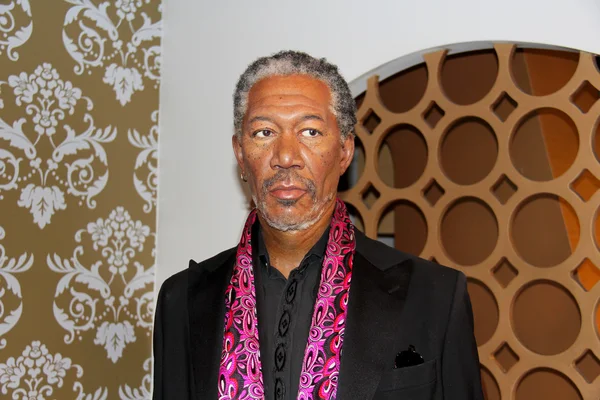
7. Morgan Freeman
Morgan Freeman, also 6’2″, turned stature into calm authority. His height pairs naturally with the voice that made him one of the most recognizable performers in film. In The Shawshank Redemption, Million Dollar Baby, and Driving Miss Daisy, he rarely needs to dominate physically, but the elegance of his presence matters. Freeman represents a different kind of tall screen power: less forceful, more steady, and often associated with wisdom, restraint, and trust.
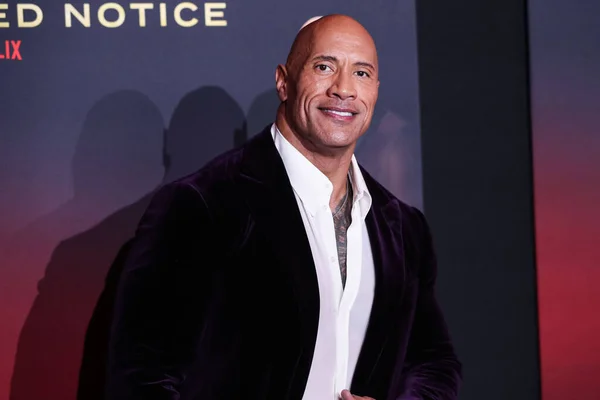
8. Dwayne Johnson
At 6’5″, Dwayne Johnson transformed unusual physical scale into one of the clearest movie-star brands of the past two decades. His wrestling background made his size instantly legible to audiences, but Hollywood success required more than that. In the Fast & Furious franchise, Jumanji, and other major releases, his height became part of a star image built on movement, humor, and durability. He is one of the strongest examples of stature becoming commercial identity without replacing personality.
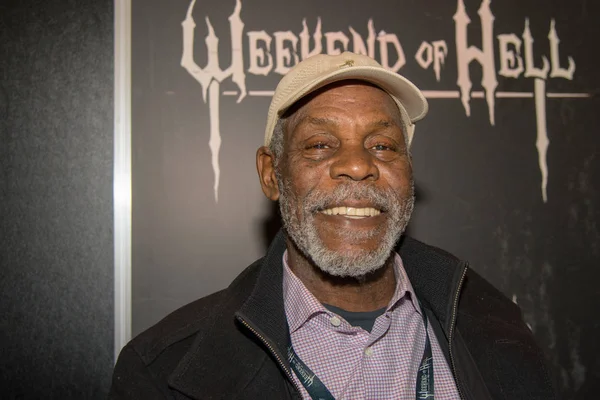
9. Danny Glover
Danny Glover’s 6’4″ frame gave him a natural physical authority that served very different roles over time. In Lethal Weapon, it helped define Roger Murtaugh as both capable and grounded. In more dramatic films like The Color Purple and To Sleep with Anger, the same physicality took on darker or more layered meanings. Glover’s career shows that tall actors are not limited to one screen type; the same presence can support an action hero, a troubled man, or a deeply humane character.
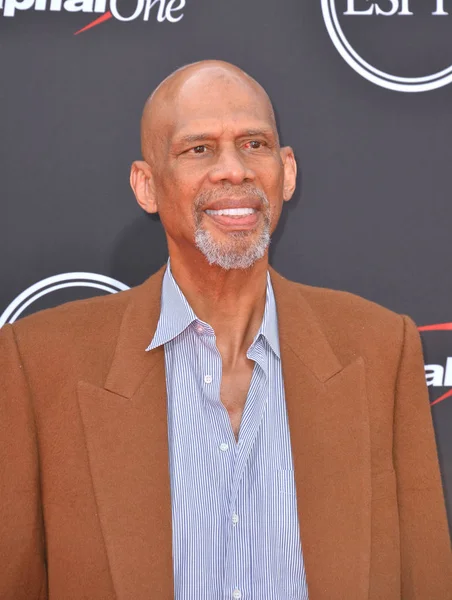
10. Kareem Abdul-Jabbar
Kareem Abdul-Jabbar belongs in the conversation because his acting appearances were impossible to separate from his extraordinary scale. He is listed at 7’1⅞” (2.18 m), and film used that height as spectacle, comedy, and confrontation. His fight scene with Bruce Lee in Game of Death remains one of cinema’s most memorable size contrasts, while Airplane! turned his public image into a deadpan joke that still lands. Abdul-Jabbar also became a major cultural figure beyond acting, adding intellectual and historical weight to even brief screen appearances.
Tall Black actors have never fit into one Hollywood mold. Some became horror legends, some prestige performers, some action fixtures, and some crossover icons whose height was only one part of a much bigger appeal. What links them is visibility. On screen, stature can suggest power, danger, elegance, or protection in an instant, but the actors who lasted were the ones who gave that first impression depth.

